Wall-Mounted vs Portable: Top EV Charger for INDIAN Homes
India’s electric vehicle market is booming in 2026, with popular models like the Tata Nexon EV, MG ZS EV, Mahindra BE 6 / XEV 9e, and Hyundai Creta Electric leading the charge. As more Bengaluru and urban homeowners switch to EVs, one key decision stands out: should you go for a wall-mounted (fixed) EV charger or a portable EV charger?
This detailed comparison helps Indian EV owners choose the best home charging solution based on cost, speed, installation, convenience, and long-term savings. Whether you’re in an apartment in Bengaluru, a villa with solar panels, or need flexibility for travel, this guide covers everything to make an informed choice.
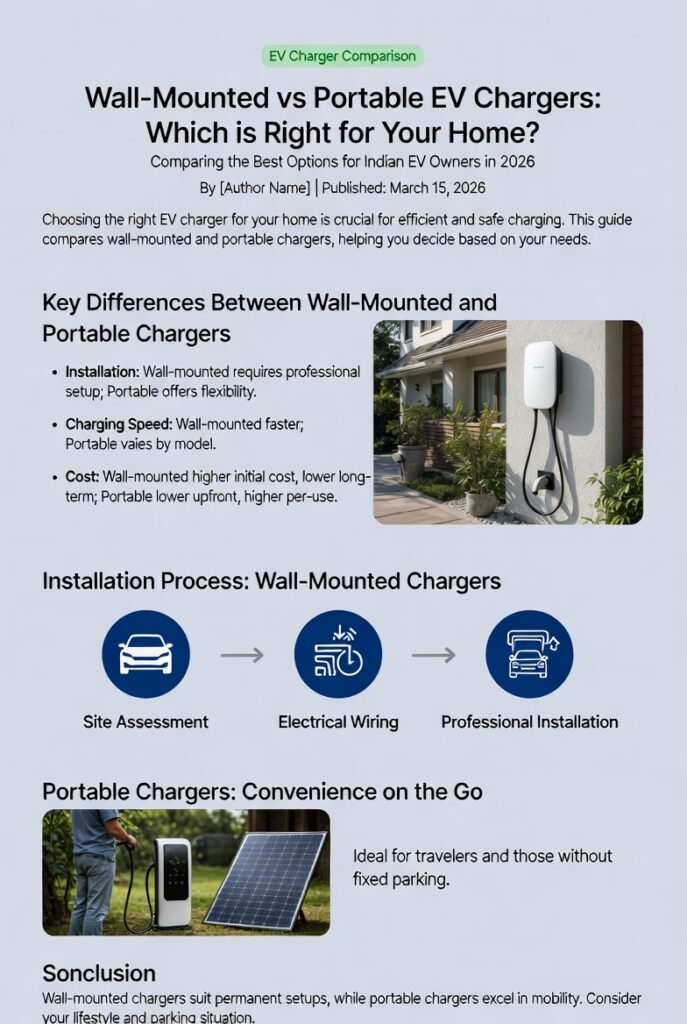
Image: Wall-mounted EV charger installed at a typical Indian home in Bengaluru residential setup. (Alt text: wall-mounted EV charger installation Bengaluru India home 2026)
What is a Wall-Mounted EV Charger?
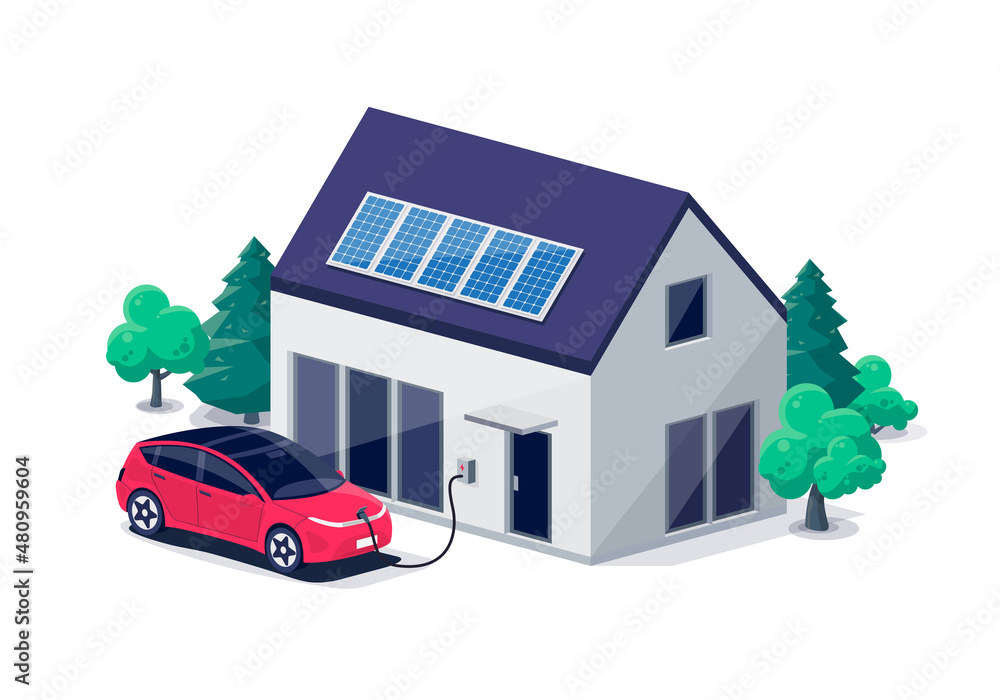
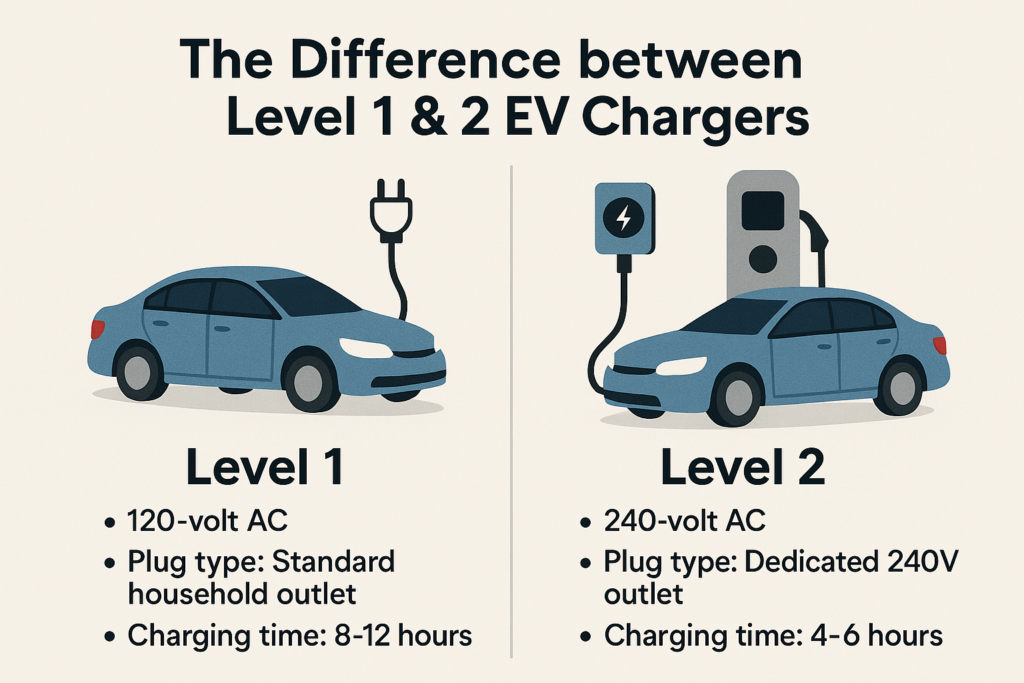
A wall-mounted (also called fixed or home wallbox) EV charger is a permanent Level 2 AC charging unit (typically 7.4 kW to 22 kW) installed on your garage or home wall. Brands like Tata Power EZ Charge, Bolt.Earth, Exicom Spin, ABB Terra, and Ather offer smart models with app control, scheduling, and solar integration.
Key Features:
- Higher power output (7–22 kW)
- Faster charging (3–6 hours for full charge on most Indian EVs)
- Smart features: ToD tariff scheduling, energy monitoring, load balancing for apartments
- Weatherproof and durable for outdoor use
Best For:
- Daily commuters with fixed parking
- Solar rooftop owners in Karnataka/Bengaluru
- Apartment societies needing load-balanced multi-charger setups
What is a Portable EV Charger?
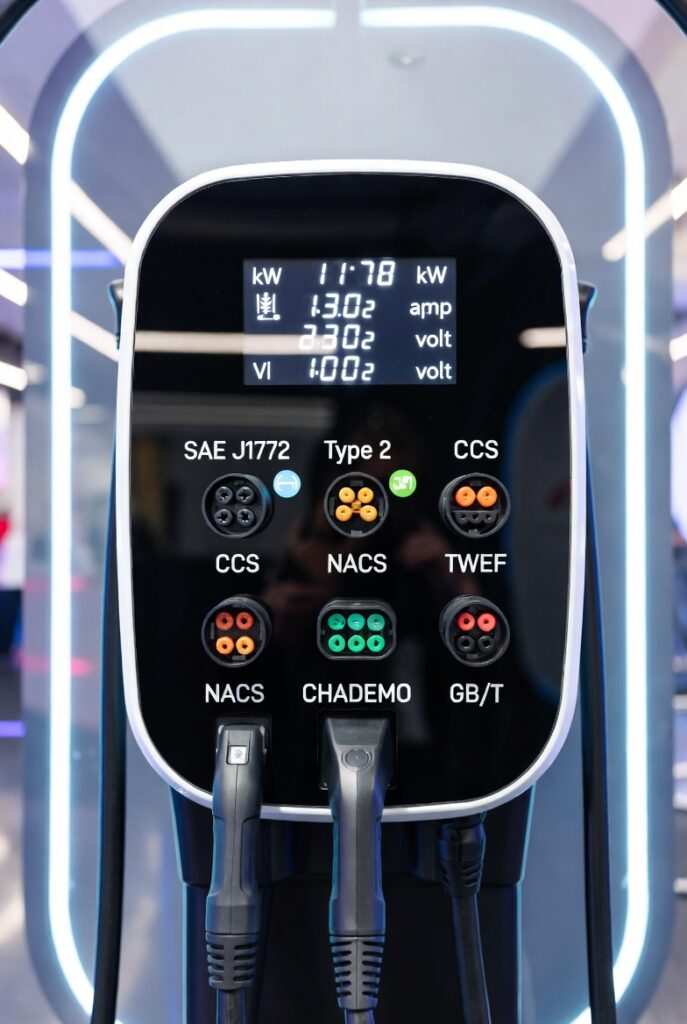
Portable EV chargers (also called mobile or plug-in chargers) are compact, carry-along units that plug into standard sockets (15A/16A) or industrial outlets (32A). Many EVs come bundled with a 3.3 kW portable charger, while upgraded models offer 7.2–7.4 kW versions from brands like ZeroFootprint, Uno Minda, Exicom, and Mahindra/Tata accessories.
Key Features:
- No permanent installation required
- Plug into regular 230V sockets or 32A outlets
- Adjustable current (10A–32A) for safety
- Waterproof and travel-friendly
Best For:
- Renters or apartment residents without permission for fixed installation
- Frequent travelers or those with multiple parking spots
- Budget-conscious buyers starting with basic needs
Wall-Mounted vs Portable EV Chargers: Head-to-Head Comparison (India 2026)
| Feature | Wall-Mounted Charger | Portable Charger |
|---|---|---|
| Power Output | 7.4–22 kW (fast Level 2) | 3.3–7.4 kW (Level 1/2) |
| Charging Speed | 30–60 km range/hour; full charge 3–6 hrs | 10–30 km range/hour; full charge 6–12 hrs |
| Installation | Professional required (wiring, breaker) | Plug-and-play; no installation needed |
| Upfront Cost | ₹40,000–₹1,20,000 (unit) + ₹10,000–₹40,000 install | ₹15,000–₹35,000 (often bundled with EV) |
| Total Setup Cost | ₹60,000–₹1,80,000 | ₹15,000–₹50,000 |
| Portability | Fixed; stays at home | Highly portable; take anywhere |
| Smart Features | Yes (app, scheduling, solar priority) | Limited (some models have basic controls) |
| Safety & Durability | High (dedicated circuit, weatherproof) | Good (IP65 rated); but socket-dependent |
| Best Suited For | Fixed parking, high daily usage, solar | Renters, travel, low-mileage, apartments |
Wall-mounted chargers win for speed and long-term savings, while portable ones excel in flexibility and low entry cost.
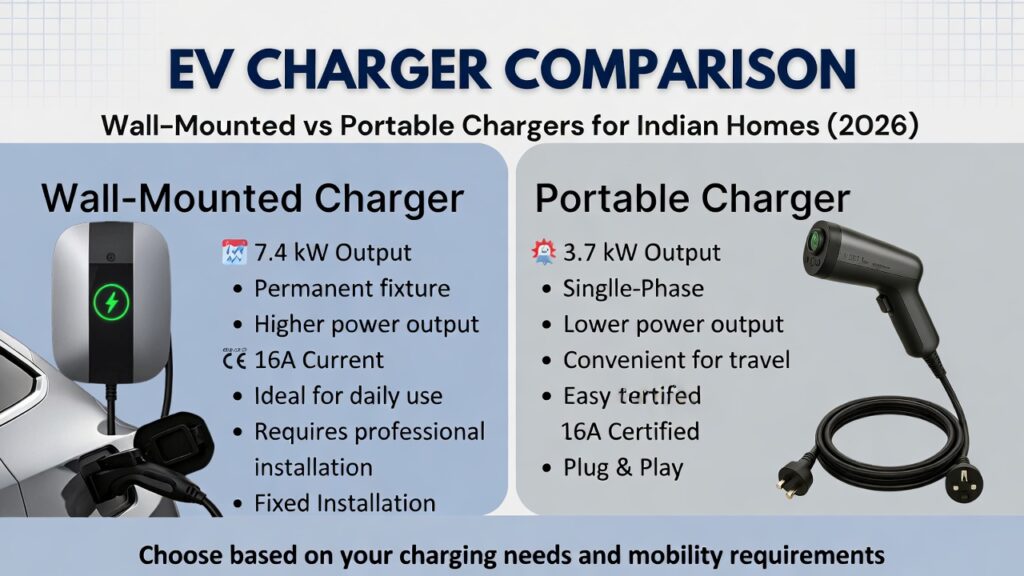
Pros and Cons: Real-World Insights for Indian Users
Wall-Mounted Chargers – Pros
- Faster & Cheaper Long-Term — Save on electricity by scheduling off-peak (ToD tariffs in Bengaluru/BESCOM ~₹4–₹8/kWh night rates)
- Solar Integration — Prioritize rooftop solar; common in Karnataka (potential 30–50% bill reduction)
- Apartment-Friendly — Load balancing prevents overloads in societies
- Future-Proof — Supports V2G/V2L in newer models
Wall-Mounted Chargers – Cons
- Higher upfront cost + professional installation
- Needs society approval in apartments
- Not movable if you relocate
Portable Chargers – Pros
- Zero Installation Hassle — Plug into existing sockets
- Affordable Entry — Often free/bundled with Tata, MG, Mahindra EVs
- Travel Ready — Charge at relatives’ homes or road trips
- Flexible for Renters — No permanent changes
Portable Chargers – Cons
- Slower charging (overnight needed for full)
- Relies on socket quality (risk of overheating on poor wiring)
- Limited smart features
- Not ideal for high daily km
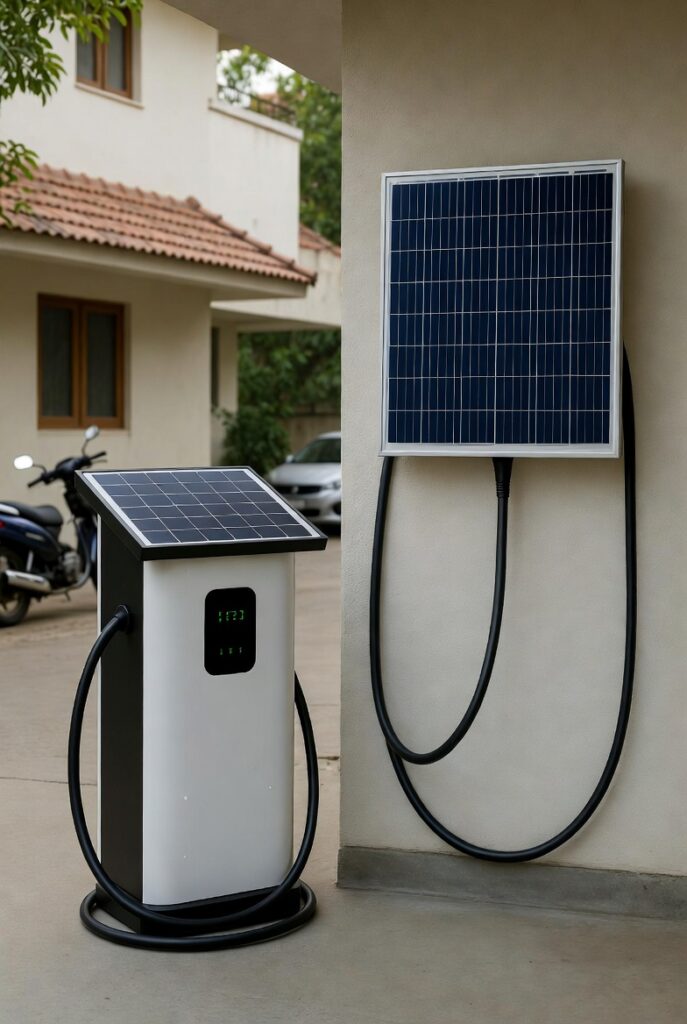
Image: Solar-integrated portable and wall-mounted EV charging setup in India. (Alt text: solar EV charging home India Bengaluru portable vs wall-mounted)
Cost Breakdown in India (2026 Prices, Bengaluru Focus)
- Portable Charger — ₹15,000–₹35,000 (e.g., 7.2 kW ZeroFootprint ~₹20,000–₹30,000)
- Wall-Mounted Charger — ₹40,000–₹80,000 (Exicom 7.4 kW ~₹50,000; ABB/Tata premium ~₹80,000+)
- Installation (Wall-Mounted) — ₹10,000–₹40,000 (wiring, breaker, civil work)
- Electricity Cost — Home charging ₹1–₹2/km vs public ₹12–₹18/km
For 15,000 km/year driver: Wall-mounted + solar/ToD can save ₹10,000–₹25,000 annually vs portable or public charging.
Which Should You Choose in 2026?
- Choose Wall-Mounted if: You have dedicated parking, drive 50+ km daily, own rooftop solar, or live in a society allowing installation. Best for maximum savings and convenience.
- Choose Portable if: You’re renting, need travel flexibility, have low daily usage, or want to start affordably before upgrading.
Many Bengaluru EV owners begin with the bundled portable charger and upgrade to wall-mounted within 1–2 years for better efficiency.
Ready to find the perfect EV charger? Explore top brands like Tata Power, Bolt.Earth, Exicom, and more on our comparison tool. Share your setup in the comments—what’s your charging choice? 🚗⚡
Tags: wall mounted EV charger India, portable EV charger India, home EV charging Bengaluru, wall vs portable EV charger 2026, Tata Nexon EV charger, MG ZS EV charging, solar EV charger India, EV charger installation cost India