What EV Charger Do I Need? Discover #1 Home Charger & Avoid Costly Mistakes in India
As electric vehicles (EVs) continue to surge in popularity in 2026, with millions of drivers making the switch to cleaner, more efficient transportation, choosing the right EV charger has never been more important. Whether you’re a new EV owner looking for the best home EV charger or someone exploring public charging options, the type of charger you need depends on your driving habits, budget, and setup. In this guide, we’ll break down the different types of EV chargers, help you decide with an interactive quiz, and provide tips for selecting the perfect one for your needs. Let’s dive in and find the EV charging solution that fits your lifestyle.
What Type of EV Charger Do I Need? Exploring Home EV Charger Options in India 2026
EV chargers come in three main levels, each designed for specific use cases, from slow overnight charging at home to rapid top-ups on the road. Here’s a breakdown of each type, including their speeds, typical locations, and compatible connectors.
Level 1 Chargers: The Basics for Everyday Use
Level 1 chargers use a standard 120-volt household outlet, providing about 4-5 miles of range per hour of charging. They’re ideal for plug-in hybrid electric vehicles (PHEVs) or low-mileage drivers, as they can fully charge a battery electric vehicle (BEV) in 40-50 hours from empty. These are the most affordable and easiest to install—no special equipment needed beyond the cord that often comes with your EV.
- Pros: Low cost, no installation required.
- Cons: Slow charging speeds.
- Common Connectors: J1772 or NACS (Tesla’s J3400).
- Best For: Apartment dwellers or those with short commutes.
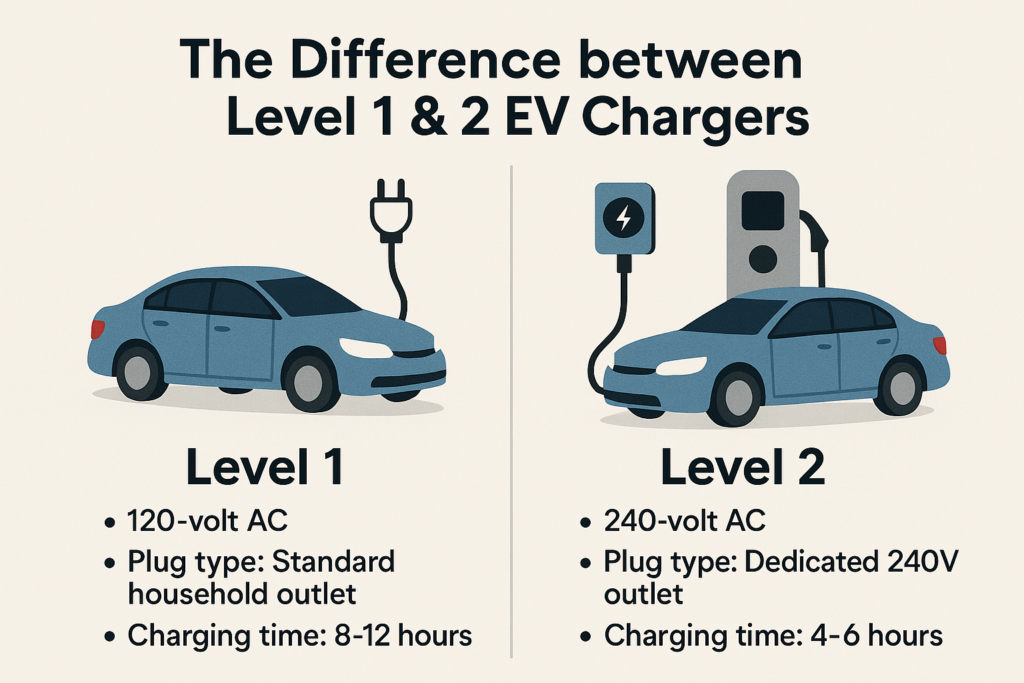
The Difference between Level 1 & 2 EV Chargers – Elecq
Level 2 Chargers: Faster Charging for Home and Work
Level 2 chargers operate at 240 volts (or 208 volts in commercial settings), delivering 10-60 miles of range per hour depending on the amperage (typically 30-80 amps). They can charge most EVs overnight, making them a popular choice for home garages or workplaces. Installation requires an electrician to set up a dedicated circuit, but costs have dropped in 2026 with incentives like federal tax credits.
- Pros: Balanced speed and affordability; smart features like app control and scheduling.
- Cons: Higher upfront cost (around $500-$1,000 plus installation).
- Common Connectors: J1772, CCS Type 1, or NACS.
- Best For: Daily drivers with access to a garage or driveway.
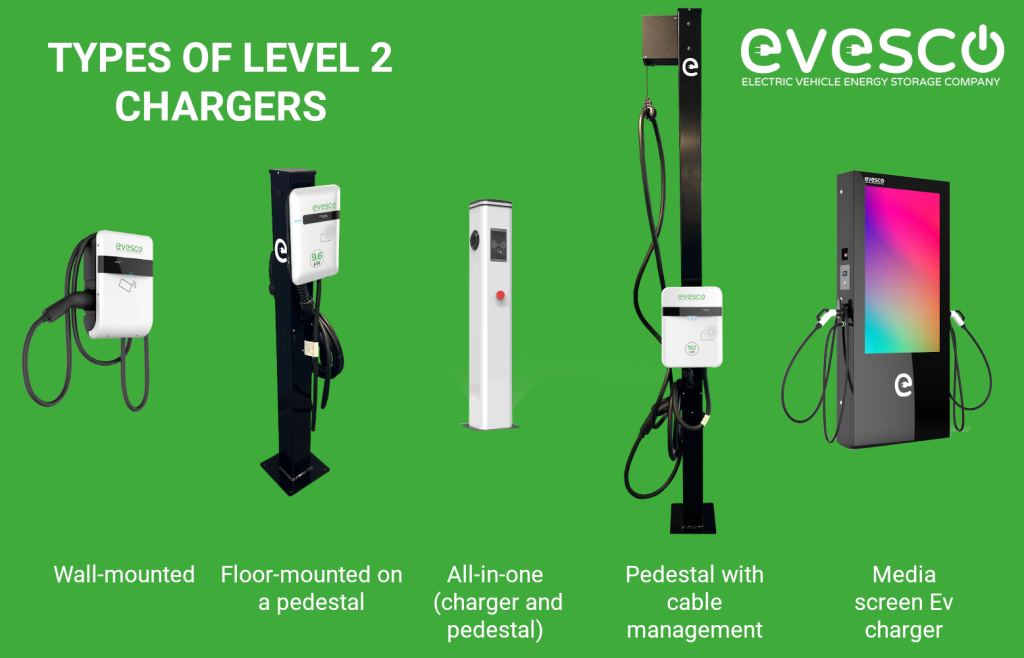
The Comprehensive Guide to Level 2 EV Charging | Power Sonic
For home setups, consider your electrical panel’s capacity—aim for a 40-50 amp circuit to balance speed and cost without overloading your system.
DC Fast Chargers (Level 3): Quick Stops for Long Trips
Also known as DC fast charging, Level 3 chargers provide high-voltage direct current (DC) power, adding 100-250 miles of range in just 20-40 minutes. These are primarily found at public stations along highways and are not practical for home use due to their high power demands (up to 350 kW).
- Pros: Ultra-fast for road trips.
- Cons: More expensive per session; can stress batteries if overused.
- Common Connectors: CCS, CHAdeMO, or NACS.
- Best For: Frequent travelers or fleet operators.
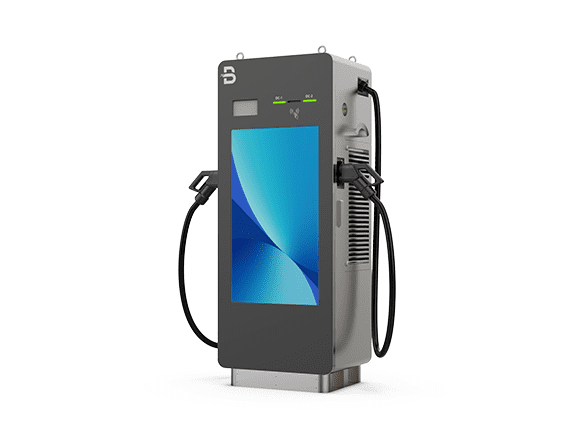
EVB DC Fast Charger | Reliable DC EV Charging Station Solutions
| Charger Type | Voltage | Charging Speed (Miles/Hour) | Typical Locations | Cost Range |
|---|---|---|---|---|
| Level 1 | 120V | 4-5 | Home | $0 (included with EV) |
| Level 2 | 240V | 10-60 | Home, Work, Public | $500-$1,000 + install |
| Level 3 (DC Fast) | 400-800V | 100-250 (per 30 min) | Public Stations | $0.30-$0.60/kWh |
Interactive Quiz: Find Your Ideal EV Charger
Not sure where to start? Take this quick quiz to discover the best EV charger type for you. Answer the questions below and tally your points (A=1 point, B=2 points, C=3 points). We’ll recommend based on your total score at the end.
- How many miles do you drive daily on average?
- A: Less than 20 miles (short commutes or errands).
- B: 20-50 miles (typical daily driving).
- C: More than 50 miles (long commutes or frequent trips).
- Where do you primarily park and charge your EV?
- A: Apartment or street parking with access to a standard outlet.
- B: Home garage or driveway where I can install equipment.
- C: On the road, relying on public stations.
- What’s your budget for a charger (including installation)?
- A: Under $200 (minimal setup).
- B: $500-$1,500 (mid-range with features).
- C: I prioritize speed over cost; public options are fine.
- How quickly do you need to charge?
- A: Overnight is plenty; no rush.
- B: A few hours for a full charge.
- C: 30 minutes or less for quick top-ups.
- Do you have access to a 240V electrical setup or willingness to upgrade?
- A: No, sticking with 120V.
- B: Yes, or I can hire an electrician.
- C: Not applicable; I use public infrastructure.
Score Your Results:
- 5-8 Points: Level 1 Charger. Your low-mileage needs make a simple, plug-in solution perfect. Save money and charge overnight at home.
- 9-12 Points: Level 2 Charger. This versatile option fits your daily routine, offering faster home charging without breaking the bank. Check your panel for 40-50 amp compatibility.
- 13-15 Points: DC Fast Charger (Public). For high-mileage drivers, rely on Level 3 stations for efficiency. Consider a Level 2 at home as a backup.
Visualize your home setup with this example of EV charging at home:
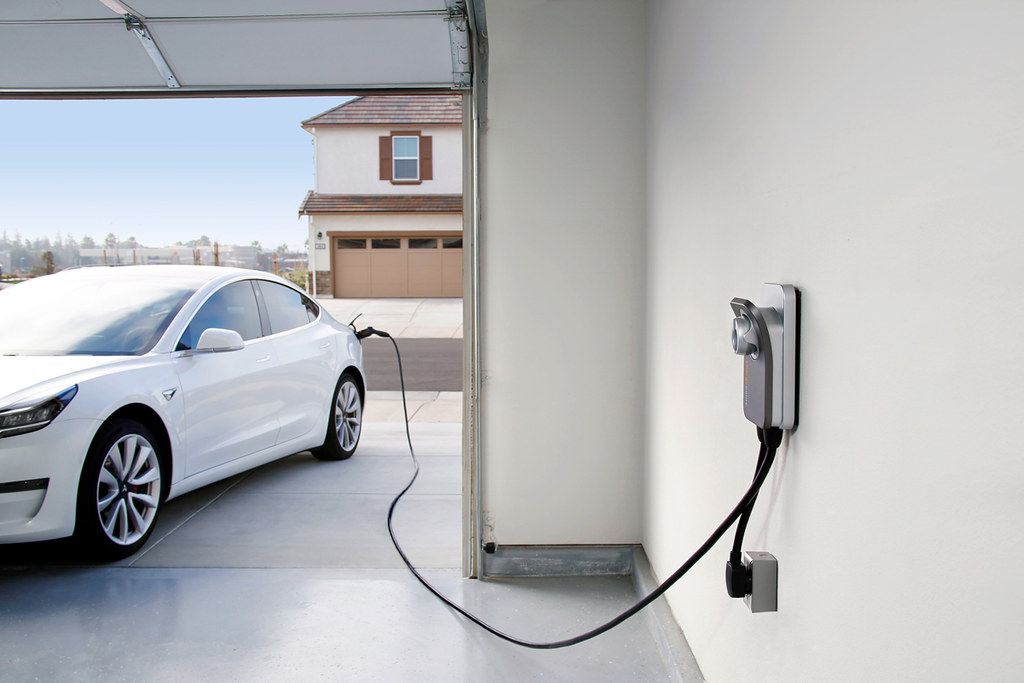
EV Charger Installation – What to Plan For | Prairie Electric
Or, for on-the-go needs, public stations like this:
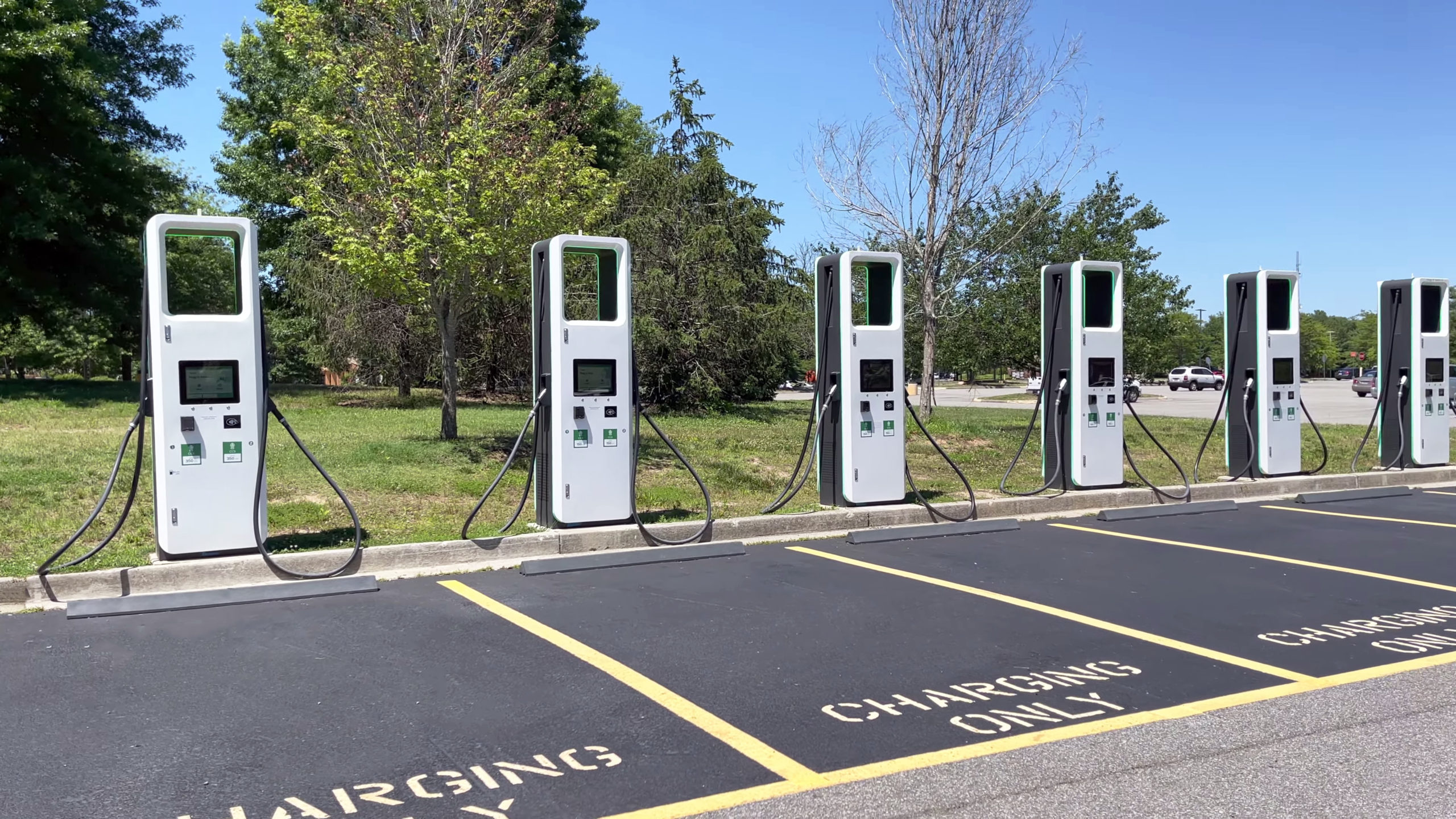
The Sorry State of Public EV Charging Stations | National Propane …
Key Factors to Consider When Choosing an EV Charger
Beyond the quiz, here are essential tips to pick the right charger:
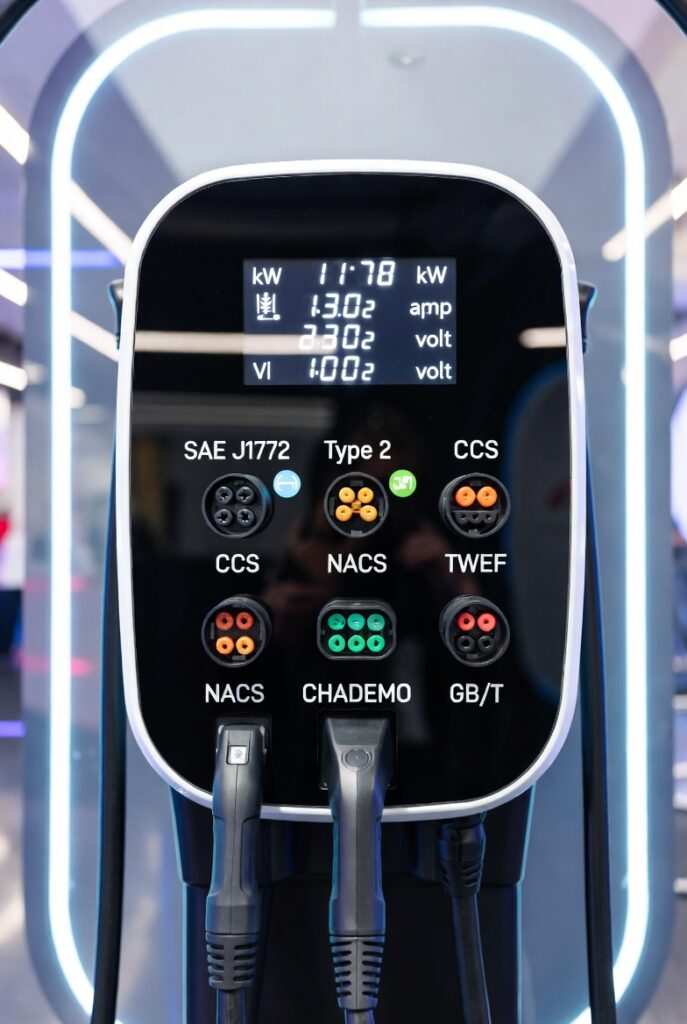
- Connector Compatibility: Ensure it matches your EV (e.g., J1772 for most non-Tesla models).
- Electrical Capacity: Check your home’s panel—upgrading to 200 amps may be needed for higher speeds.
- Smart Features: Look for app integration, scheduling, and energy monitoring to optimize costs.
- Location and Weatherproofing: For outdoor installs, choose weather-resistant models.
- Incentives: In 2026, rebates and tax credits can cut costs by up to 30%.
By weighing these, you’ll find a charger that enhances your clean energy experience.
Ready to compare chargers on our site? Explore our clean energy charger comparison tools to get personalized recommendations and start saving on your EV journey today!