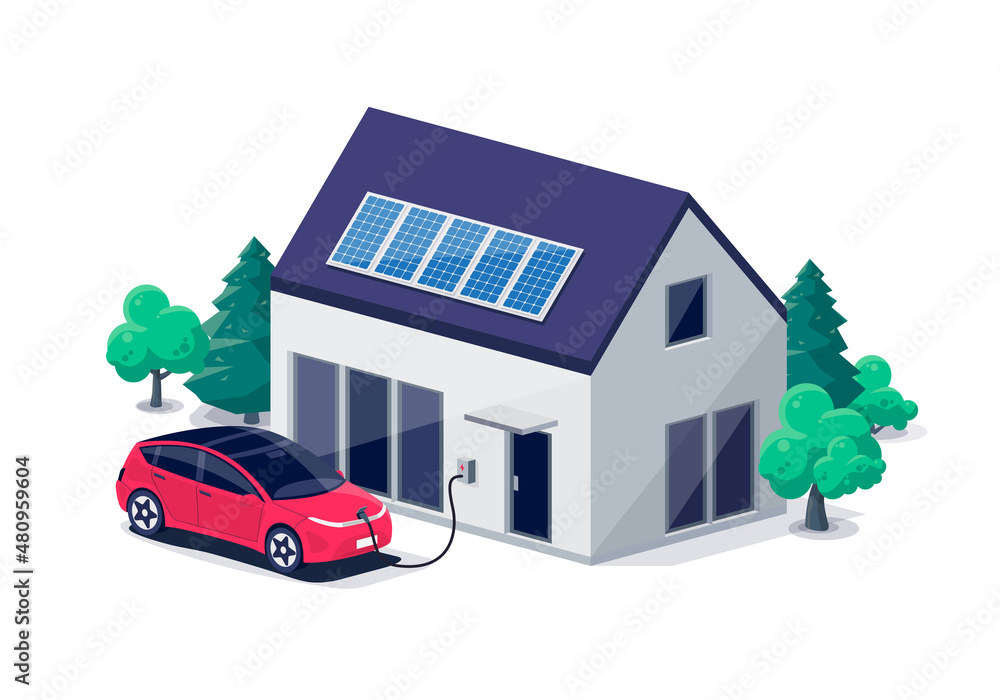
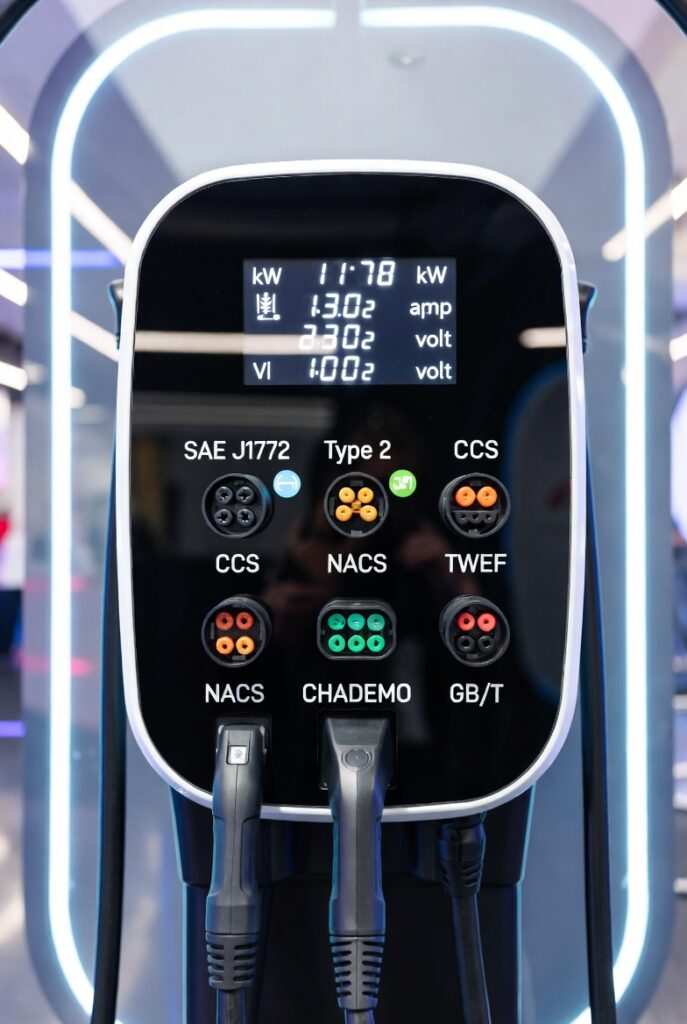
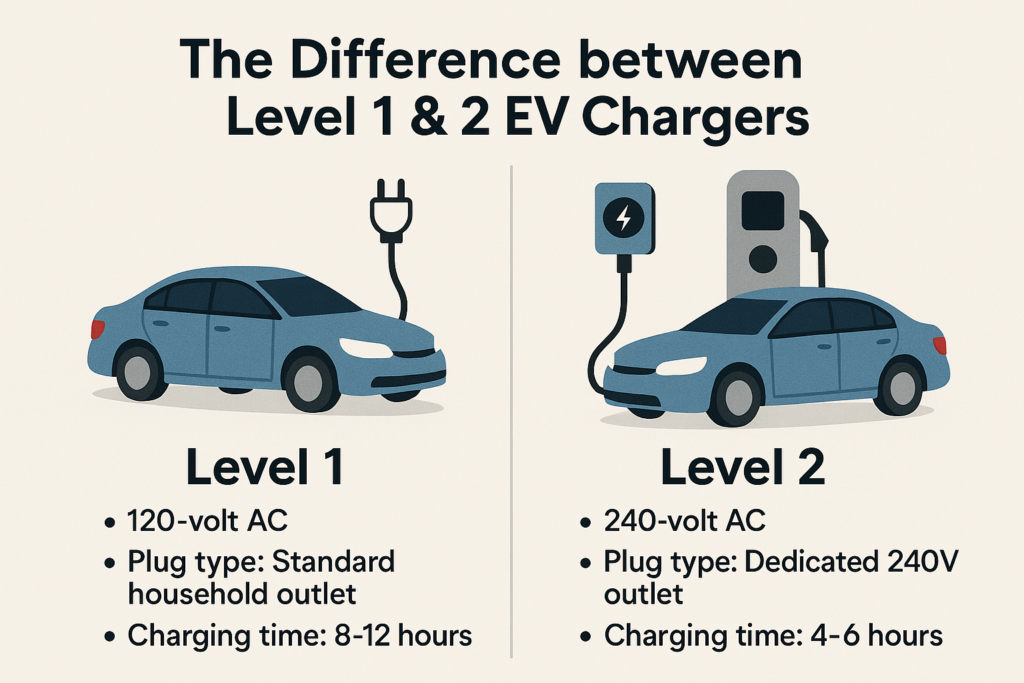
The home EV charger is the single most important purchase after the EV itself.
Without it, you are paying public DC rates (¥1.20-¥2.50/kWh) instead of home TOU valley rates (¥0.25-¥0.34/kWh). You are walking to public stations instead of waking up to a full battery. You are missing the entire financial case for EV ownership.
But here is the problem Chinese EV owners face in 2026.
The charger market has exploded. State Grid offers reliable but basic units. BYD bundles chargers with its vehicles but lacks smart features. NIO’s Power Home integrates seamlessly with battery swap but costs a premium. Xiaomi has entered the space with aggressive pricing. International brands like Tesla and Wallbox compete alongside domestic giants like Star Charge and Huawei Digital Power.
Choosing the wrong charger means paying more than necessary, missing TOU optimisation features, or struggling with incompatible apps.
This visual side-by-side: 15 top EV chargers 2026 – China market compared delivers exactly what the title promises — a complete, visual comparison table of the 15 most relevant home chargers available in China today, plus detailed reviews of each, installation cost guidance, and decision frameworks for every type of EV owner.
The 2026 Chinese EV Charger Landscape — What Has Changed
Three major shifts have reshaped the home charger market in the past 12 months.
Shift 1: The 22kW Mainstream Adoption
Until 2025, 7kW single-phase chargers dominated Chinese home installations. Most residential electricity connections could not support higher power without expensive upgrades.
In 2026, new residential buildings in tier-1 cities now include 380V three-phase wiring as standard. State Grid has streamlined three-phase connection approvals. The result is a rapid shift toward 11kW and 22kW chargers — cutting charge times from 8-10 hours to 2-4 hours for compatible vehicles.
Shift 2: The Smart Charger Price Collapse
Two years ago, a smart charger with OCPP, WiFi, and TOU scheduling cost ¥4,000-¥6,000. Today, Xiaomi and Huawei have driven entry-level smart chargers down to ¥1,599-¥2,499. The premium for “smart” over “dumb” has shrunk from 200% to 30-50%.
Shift 3: The OEM Bundling War
BYD, NIO, Xpeng, Li Auto, and Xiaomi now offer home chargers as official accessories. Some bundle them with vehicle purchases. Others offer installation subsidies. This has fragmented the market — owners increasingly buy the charger that matches their car brand, even when better alternatives exist.
The Visual Comparison Table — 15 Chargers at a Glance
| Brand & Model | Type | Max Power | Phase | Smart Features | Price (¥) | Best For |
|---|---|---|---|---|---|---|
| State Grid 7kW Smart | Standalone | 7kW | Single | WiFi, TOU, RFID | ¥1,899 | Budget reliability |
| State Grid 11kW Pro | Standalone | 11kW | Three | WiFi, TOU, OCPP, RFID | ¥2,899 | Standard three-phase |
| State Grid 22kW Pro | Standalone | 22kW | Three | WiFi, TOU, OCPP, RFID | ¥3,699 | Future-proof high power |
| BYD Home Charger 7kW | OEM (BYD) | 7kW | Single | Bluetooth, TOU | ¥1,599 | BYD owners |
| BYD Home Charger 11kW | OEM (BYD) | 11kW | Three | Bluetooth, TOU, WiFi optional | ¥2,399 | BYD owners with three-phase |
| NIO Power Home 7kW | OEM (NIO) | 7kW | Single | WiFi, TOU, app, battery-swap integrated | ¥3,680 | NIO owners |
| NIO Power Home 20kW DC | OEM (NIO) | 20kW DC | Three (DC) | WiFi, TOU, app, bidirectional ready | ¥12,800 | NIO owners with DC home charging |
| Xiaomi EV Charger 7kW | OEM (Xiaomi) | 7kW | Single | WiFi, TOU, Mi Home, RFID | ¥1,599 | Xiaomi/price-conscious |
| Xiaomi EV Charger 11kW | OEM (Xiaomi) | 11kW | Three | WiFi, TOU, Mi Home, RFID | ¥2,399 | Xiaomi with three-phase |
| Tesla Wall Connector (Gen 3) | OEM (Tesla) | 7kW/11kW/22kW | Single/Three | WiFi, TOU, Tesla app, load balancing | ¥4,200 | Tesla owners |
| Star Charge Aurora 7kW | Standalone | 7kW | Single | WiFi, TOU, OCPP, app, RFID | ¥2,199 | Smart home enthusiasts |
| Star Charge Aurora 22kW | Standalone | 22kW | Three | WiFi, TOU, OCPP, app, RFID, dual-gun option | ¥3,899 | Multi-EV households |
| Wallbox Pulsar Plus | Standalone | 7kW/22kW | Single/Three | WiFi, BT, TOU, OCPP, energy management | ¥3,500 | OCPP/eco-conscious |
| Huawei Digital Power 7kW | Standalone | 7kW | Single | WiFi, 4G, TOU, app, AI optimisation | ¥2,299 | Huawei ecosystem users |
| Huawei Digital Power 22kW | Standalone | 22kW | Three | WiFi, 4G, TOU, app, AI optimisation | ¥3,999 | High-power Huawei users |
Visual note: Insert the comparison table image generated from the prompt below here.
Detailed Reviews — Each Charger Explained
State Grid Series — The Reliability Standard
Who makes it: State Grid Corporation of China — the state-owned utility that operates most of China’s grid infrastructure.
The proposition: If you want a charger that works, connects reliably to State Grid systems, and comes with nationwide installation support, State Grid chargers are the default choice for millions of Chinese EV owners.
The 7kW Smart (¥1,899):
The entry-level smart charger. Includes WiFi connectivity, TOU scheduling through the State Grid app, and RFID card authentication. No OCPP (Open Charge Point Protocol) for advanced home energy systems. Build quality is industrial but durable. Rated IP55 for outdoor installation.
The 11kW Pro (¥2,899) & 22kW Pro (¥3,699):
The Pro series adds OCPP 1.6 compliance — meaning the charger can integrate with Home Assistant, open-source energy management systems, and third-party TOU optimisation platforms. The 22kW model requires a 380V three-phase 32A connection. Both include the same RFID and WiFi features as the 7kW.
Who should buy: EV owners who prioritise reliability and installation ease over design and advanced features. The 22kW Pro at ¥3,699 is excellent value for three-phase capable homes.
Who should avoid: Owners wanting a premium design, bidirectional charging, or deep integration with a specific car brand’s app.
BYD Home Charger Series — The OEM Bundle King
Who makes it: BYD — China’s largest EV manufacturer. These chargers are manufactured by BYD’s own electronics division.
The proposition: BYD sells more EVs than anyone in China. Their home charger is the natural companion for BYD owners — and BYD has priced it aggressively to capture that market.
The 7kW (¥1,599):
The cheapest smart charger on this list. Bluetooth connectivity (not WiFi) for setup and TOU scheduling. The BYD app is functional but basic. No OCPP. No RFID (authentication is via the app or plug-and-charge with BYD vehicles). IP54 rating — suitable for covered outdoor installation.
The 11kW (¥2,399):
Same features as the 7kW, but requires three-phase power. WiFi is an optional add-on (¥299). Most BYD owners with three-phase power choose the 11kW for faster charging.
The compatibility note: These chargers work with any EV using the GB/T standard (all Chinese EVs). However, advanced features like plug-and-charge authentication only work with BYD vehicles.
Who should buy: BYD owners who want the cheapest possible smart charger that integrates with their car’s app.
Who should avoid: Owners of non-BYD EVs (the app experience is worse), or anyone wanting OCPP or premium design.
NIO Power Home Series — The Premium Ecosystem
Who makes it: NIO — manufactured in partnership with leading charger OEMs but branded and controlled by NIO.
The proposition: NIO’s charging ecosystem is the most sophisticated in China. The Power Home 7kW is designed to integrate seamlessly with NIO’s battery swap network, app, and TOU optimisation algorithms.
The 7kW (¥3,680):
Significantly more expensive than BYD or State Grid equivalents. What do you get? WiFi and 4G dual connectivity. NIO’s excellent app with real-time charging data, TOU scheduling that syncs with your vehicle’s battery state, and integration with NIO’s battery swap recommendations. RFID authentication. IP66 rating — fully weatherproof.
The 20kW DC (¥12,800):
This is a different category entirely — a DC home charger that bypasses the vehicle’s onboard AC charger. For NIO vehicles with DC charging capability (all current NIO models), this delivers 20kW — charging a 100kWh battery from 20% to 80% in approximately 2.5 hours. Requires a dedicated three-phase 380V 32A connection and significant electrical panel upgrades. Bidirectional ready for future V2G applications.
Who should buy: NIO owners who want the best possible integration with NIO’s ecosystem and are willing to pay a premium. The 20kW DC is for NIO owners with very high annual mileage (30,000+ km/year) who need ultra-fast home charging.
Who should avoid: Non-NIO owners. The app and features are locked to NIO vehicles. Budget-conscious buyers.
Xiaomi EV Charger Series — The Disruptor
Who makes it: Xiaomi — the consumer electronics giant that entered the EV market in 2024 and has rapidly expanded its charging ecosystem.
The proposition: Xiaomi applies its smartphone playbook to EV chargers — aggressive pricing, Mi Home ecosystem integration, and surprisingly good design.
The 7kW (¥1,599) & 11kW (¥2,399):
Priced identically to BYD’s chargers but with better features. WiFi standard (no optional add-on). Mi Home app integration — meaning the charger appears alongside your Xiaomi lights, sensors, and appliances. RFID card included. TOU scheduling is intuitive. OCPP is not supported. IP55 rating.
The Xiaomi advantage: If you already use Mi Home for smart home automation, the Xiaomi EV charger integrates seamlessly. You can create automations like “when charging starts at 23:00, turn off water heater and set air conditioner to eco mode.”
Who should buy: Xiaomi EV owners (Xiaomi SU7) or any EV owner who is already invested in the Mi Home ecosystem and wants a low-cost smart charger.
Who should avoid: Owners wanting OCPP for advanced home energy systems, or those who prefer a dedicated EV charging app over Mi Home.
Tesla Wall Connector (Gen 3) — The International Benchmark
Who makes it: Tesla — manufactured in China for the domestic market at Tesla’s Shanghai Gigafactory.
The proposition: The Tesla Wall Connector is the gold standard for design, reliability, and load balancing. In China, it is competitively priced compared to international markets.
The specifications: Available in 7kW (single-phase), 11kW (three-phase 16A), and 22kW (three-phase 32A) configurations. All include WiFi, TOU scheduling via the Tesla app, and Tesla’s proprietary load balancing — allowing up to four Wall Connectors on a single circuit to share available amperage intelligently.
The compatibility: Works with any GB/T vehicle, but advanced features (charge scheduling based on vehicle departure time, preconditioning) only work with Tesla vehicles.
The price: ¥4,200 for any power configuration. This is premium pricing — approximately 2.6× the BYD 7kW and 1.4× the State Grid 22kW Pro.
Who should buy: Tesla owners who value design, reliability, and the Tesla app ecosystem. Also suitable for non-Tesla owners who want a premium charger and don’t mind paying for features they cannot fully use.
Who should avoid: Budget-conscious buyers, or anyone wanting OCPP (Tesla does not support OCPP).
Star Charge Aurora Series — The Smart Home Champion
Who makes it: Star Charge — one of China’s largest public charging network operators, now offering home chargers.
The proposition: Star Charge brings public charging reliability and OCPP compliance to the home market. The Aurora series is the most feature-complete standalone charger on this list.
The 7kW (¥2,199) & 22kW (¥3,899):
Both models include WiFi, TOU scheduling, OCPP 1.6 compliance, RFID, and Star Charge’s excellent app. The 22kW model offers a dual-gun option (an additional ¥800) — allowing two EVs to charge sequentially or at reduced shared power. IP65 rating.
The OCPP advantage: Because the Aurora supports OCPP, it can be controlled by Home Assistant, open-source charging platforms, and third-party energy management systems. This is essential for homeowners with solar panels, battery storage, or complex TOU optimisation requirements.
Who should buy: Smart home enthusiasts, homeowners with solar/battery systems, and anyone who wants full control over their charging data.
Who should avoid: Owners who just want a simple plug-and-charge experience (the app has many features that can feel overwhelming).
Wallbox Pulsar Plus — The European Alternative
Who makes it: Wallbox — a Spanish company with a growing presence in China. Distributed through select partners and online.
The proposition: Wallbox is the leading international home charger brand after Tesla. The Pulsar Plus is compact, elegant, and feature-rich.
The specifications: Available in 7kW (single-phase) and 22kW (three-phase). Includes WiFi, Bluetooth, TOU scheduling, OCPP compliance, and Wallbox’s energy management system (which can integrate with solar inverters and dynamic load balancing). Compact design — one of the smallest chargers on this list.
The China caveat: Wallbox’s app and customer support are not as localised as State Grid or BYD. Installation partners are fewer. Price (¥3,500 for 7kW, ¥4,200 for 22kW) is premium.
Who should buy: Eco-conscious homeowners with solar panels, or anyone who wants a compact, design-forward charger with OCPP.
Who should avoid: Buyers who want local customer support and easy installation through State Grid or utility programmes.
Huawei Digital Power Series — The AI-Enhanced Contender
Who makes it: Huawei — through its Digital Power division, which focuses on energy infrastructure.
The proposition: Huawei brings AI and 4G connectivity to the home charger market. The Digital Power chargers use Huawei’s cloud AI to optimise charging schedules based on your driving patterns, TOU rates, and grid conditions.
The 7kW (¥2,299) & 22kW (¥3,999):
Both include WiFi and 4G (SIM card included). The Huawei app is excellent — among the best in this comparison. AI-powered TOU scheduling learns your driving habits and automatically selects the cheapest charging window. OCPP is not supported. IP55 rating.
The Huawei ecosystem advantage: If you use Huawei phones, smart home devices, or HarmonyOS, the Digital Power charger integrates seamlessly.
Who should buy: Huawei ecosystem users, or anyone who wants AI-driven TOU optimisation without manual scheduling.
Who should avoid: Owners wanting OCPP, or those concerned about Huawei’s cloud dependency (the charger requires an internet connection for most smart features).
Installation Cost Comparison — What Each Charger Costs to Install
The purchase price is only half the equation. Installation costs vary significantly by charger type, power requirement, and home electrical configuration.
| Charger Type | Typical Installation Cost | Typical Total Cost (Charger + Install) |
|---|---|---|
| 7kW single-phase, basic installation (existing dedicated meter) | ¥800-¥1,500 | ¥2,399-¥3,099 |
| 7kW single-phase, new dedicated meter required | ¥1,500-¥2,500 | ¥3,099-¥4,099 |
| 11kW three-phase, existing three-phase connection | ¥1,500-¥2,500 | ¥3,899-¥5,399 |
| 11kW three-phase, new three-phase connection required | ¥3,000-¥5,000 | ¥5,399-¥7,399 |
| 22kW three-phase, existing three-phase connection | ¥2,000-¥3,000 | ¥5,699-¥7,699 |
| 22kW three-phase, new three-phase connection required | ¥4,000-¥6,500 | ¥7,699-¥10,199 |
| 20kW DC home charger (NIO Power Home) | ¥5,000-¥8,000 | ¥17,800-¥20,800 |
The rebate factor: As covered in our local utility rebates guide, many Chinese cities offer installation subsidies of ¥500-¥2,000 for home EV chargers. Shanghai, Beijing, and Shenzhen have active programmes. Always check local utility rebates before installing.
Decision Framework — Which Charger Should You Buy?
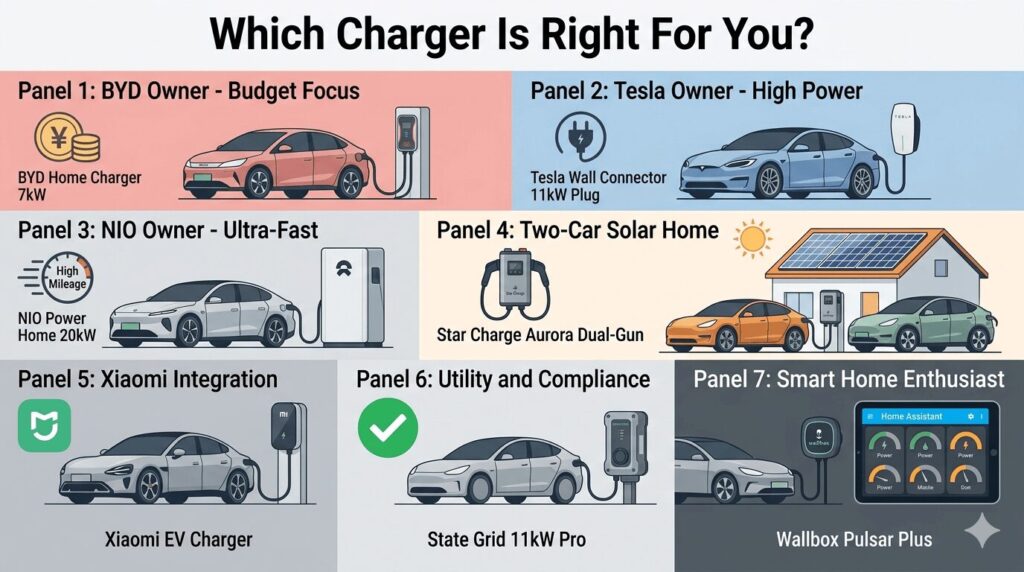
Scenario 1: BYD Owner, Budget Conscious, Standard Home
Recommendation: BYD Home Charger 7kW (¥1,599)
Why: The cheapest smart charger on the market. Basic but functional. TOU scheduling works. Installation is straightforward through BYD’s partner network. The ¥1,599 price plus ¥1,000 installation = ¥2,599 total. The annual fuel saving versus petrol (approximately ¥10,000/year) makes this charger pay for itself in less than three months.
Scenario 2: Tesla Owner, Three-Phase Home, Wants Best Integration
Recommendation: Tesla Wall Connector 11kW (¥4,200)
Why: Tesla’s app integration for TOU scheduling and preconditioning is superior to any third-party charger. The Wall Connector’s load balancing is useful if you add a second Tesla later. Yes, it is expensive. But for Tesla owners, the ecosystem integration is worth the premium.
Scenario 3: NIO Owner, High Mileage, Three-Phase Home
Recommendation: NIO Power Home 20kW DC (¥12,800) if budget allows
Why: The 20kW DC charger is transformative for high-mileage NIO owners. Charging a 100kWh battery from 20% to 80% in 2.5 hours means you can fully recharge between trips without relying on battery swap stations. The cost is high, but for owners driving 40,000+ km/year, the time saving justifies the investment.
Budget alternative: NIO Power Home 7kW (¥3,680)
Scenario 4: Multi-EV Household, Three-Phase Home, Solar Panels
Recommendation: Star Charge Aurora 22kW dual-gun (¥4,699)
Why: The dual-gun option allows two EVs to charge sequentially or at shared power. OCPP compliance enables solar integration and advanced energy management. At ¥4,699 for 22kW dual-gun, this is excellent value for multi-EV households.
Scenario 5: Xiaomi SU7 Owner, Mi Home Ecosystem User
Recommendation: Xiaomi EV Charger 11kW (¥2,399)
Why: Seamless integration with Mi Home. Excellent price. Good design. The 11kW version is future-proof for three-phase homes. For Xiaomi EV owners, this is the obvious choice.
Scenario 6: No Brand Loyalty, Wants Best Value Smart Charger
Recommendation: State Grid 11kW Pro (¥2,899)
Why: OCPP compliance. RFID. WiFi. TOU scheduling. Nationwide installation support. The State Grid app is not the prettiest, but it works reliably. At ¥2,899 for an 11kW charger, this is the best all-rounder on this list.
Scenario 7: Smart Home Enthusiast with Home Assistant
Recommendation: Star Charge Aurora 22kW (¥3,899) or Wallbox Pulsar Plus 22kW (¥4,200)
Why: Both support OCPP, which means full control through Home Assistant or open-source platforms. You can build automations that charge your EV only when solar export exceeds household demand, or when grid carbon intensity falls below a threshold. This is the enthusiast choice.
The Visual Side-by-Side Summary — Your Shortlist
| Your Priority | Your Top 3 Chargers |
|---|---|
| Lowest price | 1. BYD 7kW (¥1,599) — 2. Xiaomi 7kW (¥1,599) — 3. State Grid 7kW Smart (¥1,899) |
| Best value 11kW | 1. State Grid 11kW Pro (¥2,899) — 2. Xiaomi 11kW (¥2,399) — 3. BYD 11kW (¥2,399) |
| Best value 22kW | 1. State Grid 22kW Pro (¥3,699) — 2. Star Charge Aurora 22kW (¥3,899) — 3. Huawei 22kW (¥3,999) |
| Best OEM integration | 1. Tesla Wall Connector — 2. NIO Power Home — 3. Xiaomi EV Charger |
| Best smart features (OCPP) | 1. Star Charge Aurora — 2. Wallbox Pulsar Plus — 3. State Grid Pro series |
| Best for solar/battery homes | 1. Wallbox Pulsar Plus — 2. Star Charge Aurora — 3. Huawei Digital Power |
| Premium design | 1. Tesla Wall Connector — 2. NIO Power Home — 3. Wallbox Pulsar Plus |
| Best for multi-EV households | 1. Star Charge Aurora 22kW dual-gun — 2. Tesla Wall Connector (load balancing) |
Common Mistakes When Buying an EV Charger in China
Mistake 1: Buying a 7kW Charger When Your Home Has Three-Phase Power
If your home has 380V three-phase wiring (common in new tier-1 city apartments and villas), you should buy an 11kW or 22kW charger. The price difference is ¥500-¥1,000. The charging speed difference is 1.5-3× faster. There is no downside.
Mistake 2: Ignoring OCPP Compatibility
If you ever plan to add solar panels, home battery storage, or a smart energy management system, buy an OCPP-compliant charger now. Upgrading later costs more than the upfront premium for OCPP (typically ¥300-¥800).
Mistake 3: Buying a Non-Smart Charger to Save Money
A “dumb” charger without TOU scheduling saves ¥500-¥1,000 upfront. But missing TOU optimisation costs ¥1,000-¥1,500 per year in higher electricity rates. The smart charger pays for itself in the first year. Always buy a smart charger.
Mistake 4: Assuming OEM Chargers Are Always Best
BYD, NIO, and Xiaomi make good chargers. But State Grid and Star Charge often offer better features for less money — especially for non-OEM owners. Do not default to your car brand’s charger without comparing alternatives.
Internal Links — Further Reading on Clean Energy Bazaar
This visual side-by-side: 15 top EV chargers 2026 – China market compared guide is your charger selection companion to every financial and technical guide in our Chinese EV content cluster.
For the electricity cost calculator that tells you how much money your new charger will save, our home EV charging cost calculator factor in tiered electricity rates Beijing vs Shanghai guide covers every tariff and vehicle scenario. For the TOU savings guide that explains why valley rate charging is essential, our time-of-use EV charging savings smart chargers that exploit cheaper night rates in China guide covers every tariff structure. For the ROI calculator that converts charger purchase and installation costs into payback periods, our EV home charger ROI calculator 2026 when it pays off with local rebates included guide covers the complete financial picture. For the local rebates guide covering installation subsidies that reduce your net investment, our local utility rebates for EV charging 2026 Shenzhen Shanghai Beijing guide covers every available programme. For the charge time calculator that determines which charger power you actually need, our EV charge time calculator 2026 how long to full for your Chinese EV BYD to NIO guide covers every vehicle. And for the professional installation costs guide covering the labour and materials for each charger type, our professional EV charger installation costs 2026 what State Grid chargers vs private companies charge guide covers every cost component.
Final Thoughts
The visual side-by-side: 15 top EV chargers 2026 – China market compared gives you every specification, price, and recommendation you need to choose the right home charger for your specific situation.
The three most important decisions in order:
- Power level — 7kW (single-phase) for standard homes, 11kW or 22kW (three-phase) for homes with 380V wiring
- Smart features — Always buy a smart charger with TOU scheduling. OCPP is essential for solar/battery homes
- Brand — State Grid for reliability/value, OEM (BYD/NIO/Tesla/Xiaomi) for ecosystem integration, Star Charge/Wallbox for smart home enthusiasts
The headline price summary:
- Entry-level smart 7kW: ¥1,599-¥1,899 (BYD, Xiaomi, State Grid)
- Mid-range smart 11kW: ¥2,399-¥2,899 (State Grid, Xiaomi, BYD)
- Premium smart 22kW: ¥3,699-¥4,200 (State Grid, Star Charge, Tesla, Huawei)
- Ultra-premium DC home charging: ¥12,800 (NIO Power Home 20kW)
No matter which charger you choose from this comparison, the financial case is overwhelming. The annual fuel saving versus petrol (¥10,000-¥11,000 for 20,000 km/year) pays for any charger on this list within the first year — often within the first three to six months.
Buy the charger that fits your home’s electrical capacity, your vehicle’s compatibility, and your smart home ambitions. Then set your TOU schedule to valley rates. And never think about fuel costs again.
That is the 2026 reality of home EV charging in China.