In the rapidly evolving landscape of electric vehicles (EVs) in India, understanding the distinct requirements for EV charging infrastructure in urban vs rural areas is crucial for widespread adoption. As India pushes towards its 2030 goal of 30% EV penetration, the comparison of EV charging needs in cities and villages highlights unique challenges and tailored solutions. This article delves into the differences, offering insights for EV enthusiasts, policymakers, and businesses looking to invest in EV charging stations in urban and rural India.
Whether you’re searching for the best EV charging solutions for high-density cities like Mumbai or Bengaluru, or exploring solar-powered EV charging options for remote villages in Uttar Pradesh, we’ll break down the key factors. By addressing long-tail queries like “challenges of EV charging in rural areas India” and “best practices for urban EV charging infrastructure,” we aim to provide a comprehensive guide to help you navigate this space.
Understanding Urban EV Charging Needs in India
Urban areas in India, home to bustling metros and tier-1 cities, face a high demand for efficient EV charging due to dense populations, heavy traffic, and limited parking spaces. According to recent data, Tier-1 cities like Delhi and Karnataka account for a significant portion of India’s 6,586 public EV charging stations as of early 2026. The primary needs here revolve around fast, accessible charging to combat range anxiety amid daily commutes and commercial activities.
Key Challenges in Urban EV Charging
- Space Constraints and Congestion: High-rise apartments and crowded streets make installing private chargers difficult. Many residents rely on public infrastructure, but urban congestion limits site availability.
- High Demand and Grid Strain: With EV sales surging in cities, peak-hour charging can overload local grids, leading to higher electricity costs and potential blackouts.
- Uneven Distribution: While metros like Delhi have over 1,845 stations, smaller urban pockets still lack coverage, exacerbating the urban-rural divide in EV infrastructure.
For those querying “urban EV charging solutions India best practices,” addressing these requires innovative approaches.
Tailored Solutions for Urban Areas
Urban EV charging thrives on speed and integration. Best practices include:
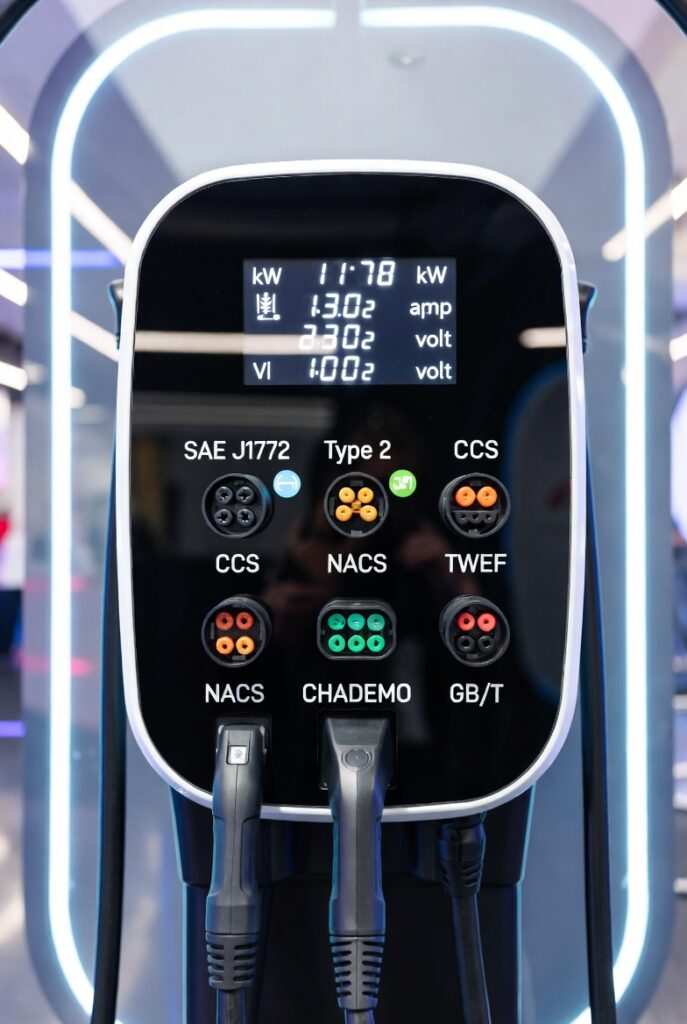
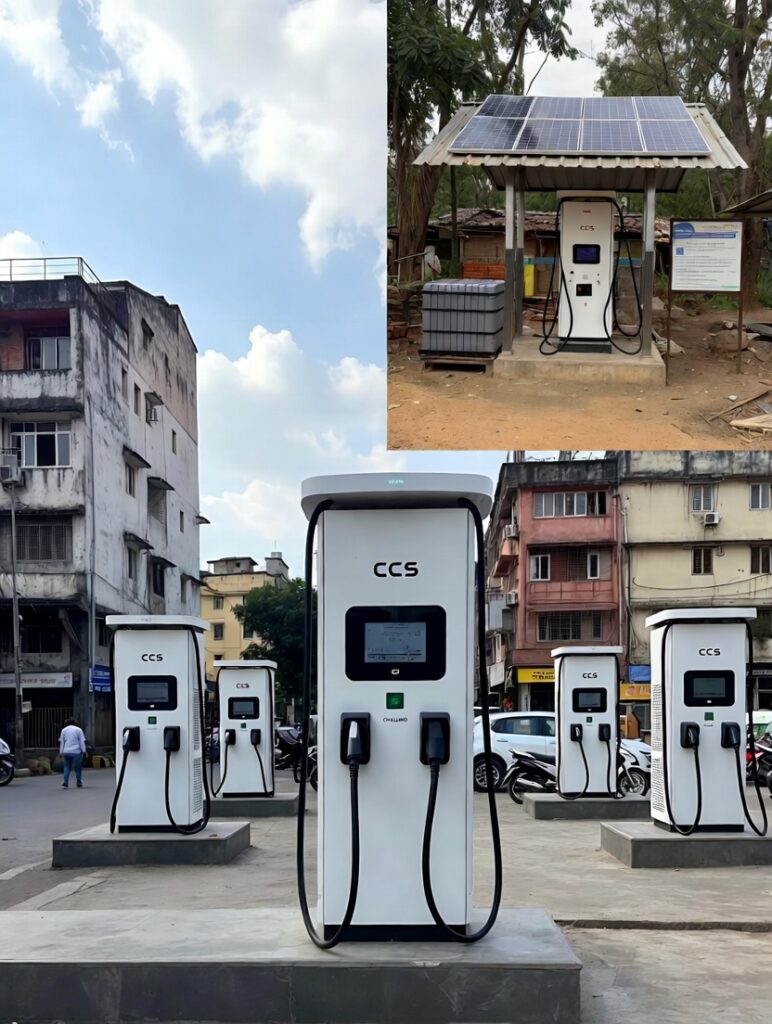
- Fast DC Chargers: Ideal for highways and malls, these can charge up to 80% in under an hour. Companies like Tata Power have deployed over 5,500 points across 550+ cities, focusing on urban hubs.
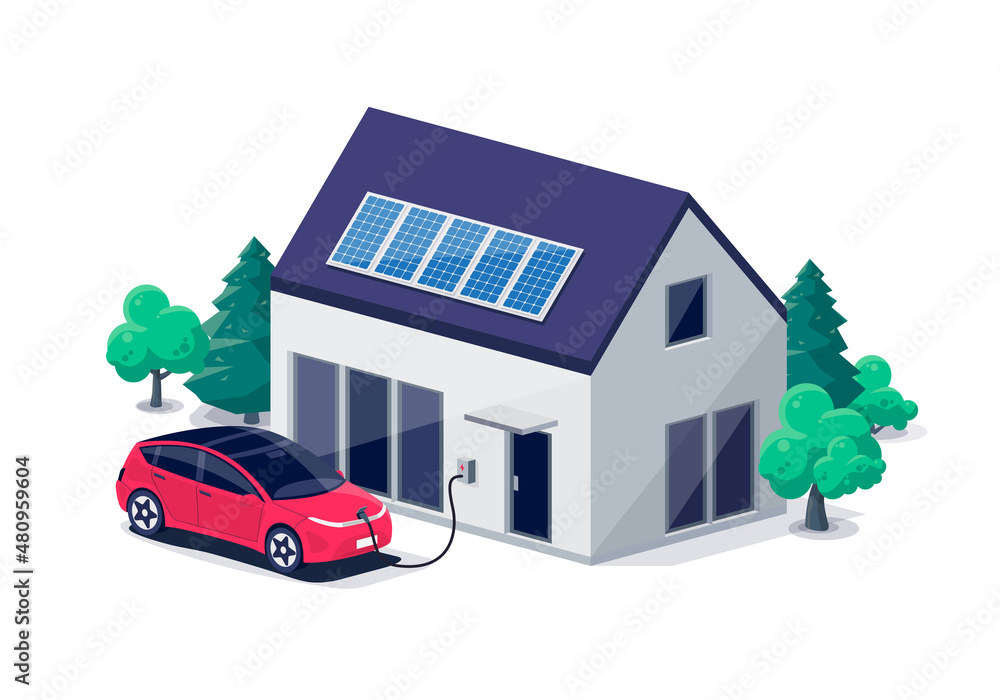
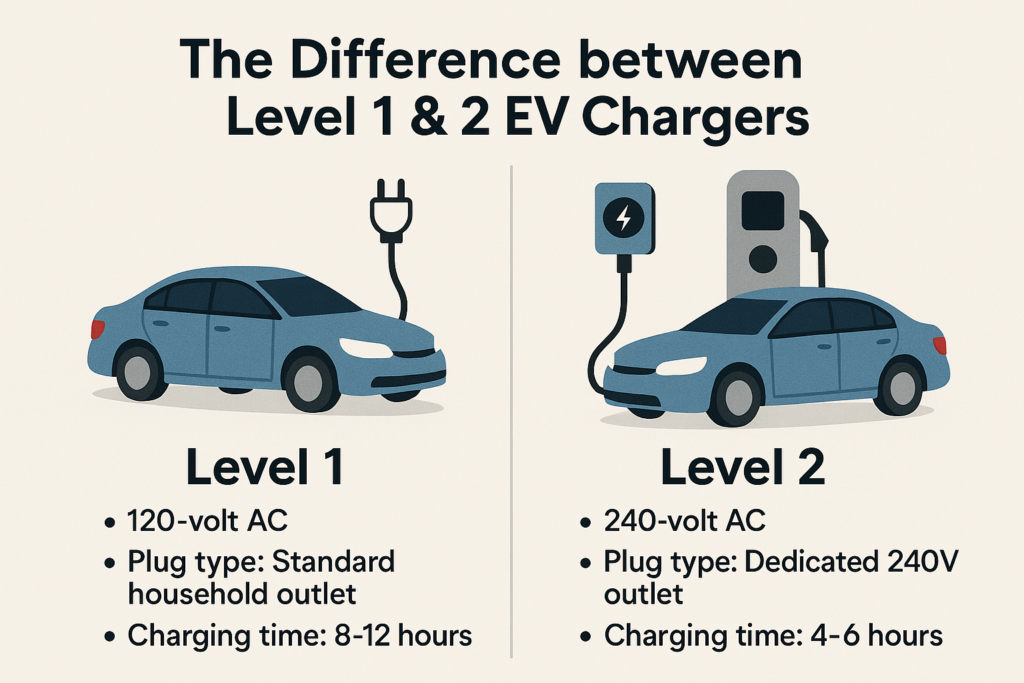
- Home and Workplace Charging: Private solutions like Level 2 AC chargers (up to 19.2 kW) are popular in apartments. Government guidelines under FAME-II encourage 5% parking allocation for EVs in large buildings.
- Smart Charging and Distributed Networks: Using apps for real-time availability and Vehicle-to-Grid (V2G) tech to manage loads. Distributed placement in a 3km x 3km grid, as per Ministry of Power targets, optimizes usage.
- Public-Private Partnerships (PPPs): Models like Build-Operate-Transfer (BOT) with players such as Ather Energy and ChargePoint ensure scalable deployment.
Incorporating long-tail keywords like “public vs private EV charging in urban areas India,” private chargers suit gated communities, while public ones cater to on-the-go needs.
Exploring Rural EV Charging Needs in India
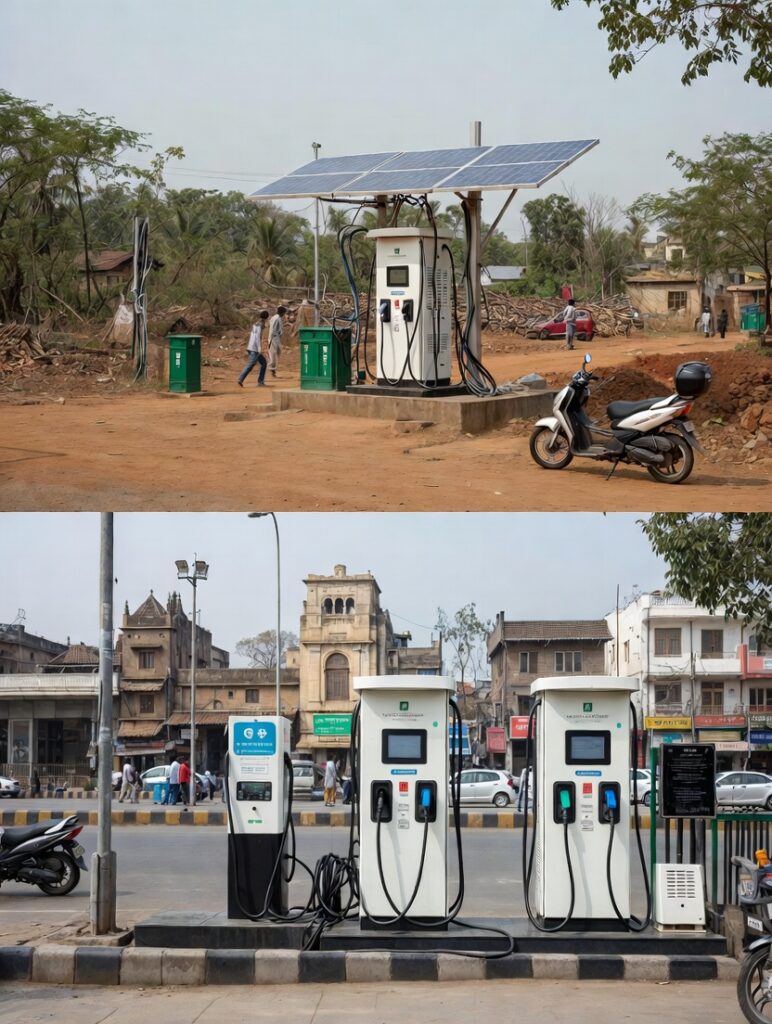
Rural India, comprising nearly two-thirds of the population, presents a stark contrast with sparse infrastructure and reliance on agriculture and freight transport. EV adoption here is growing, especially for e-rickshaws and two-wheelers, but the focus is on affordability and reliability amid power inconsistencies.
Key Challenges in Rural EV Charging
- Power Supply Shortages: Many villages face frequent outages and weak grids, making standard charging unreliable. Rural areas have only about 12,040 chargers as of mid-2025, far below urban figures.
- Low Population Density and Accessibility: Wide geographical spreads mean lower demand, deterring investments. Queries like “challenges of EV charging in rural areas India” often highlight grid capacity constraints and lack of awareness.
- Economic Viability: High installation costs and low utilization rates make it tough for operators, leading to “range anxiety” for rural users.
Tailored Solutions for Rural Areas
Rural solutions emphasize off-grid and mobile options to overcome infrastructure gaps:
- Solar-Powered Charging Stations: Perfect for tier-2/3 cities and villages, these reduce dependency on grids. Initiatives like Bolt.Earth highlight opportunities in solar integration, addressing intermittency with battery storage.
- Battery Swapping Networks: Companies like Battery Smart and VoltUp offer quick swaps in 650+ stations across 25-50 cities, ideal for two-wheelers in rural freight.
- Portable and Mobile Units: Innovative tech like Exicom’s portable chargers make EV charging practical in villages, supporting last-mile delivery.
- Government Subsidies and Upgrades: Under PM E-DRIVE, Rs. 2,000 crore is allocated for rural charging, including renewable-powered hubs.
For searches on “solar-powered EV charging solutions for rural India,” these off-grid models are game-changers, promoting sustainable mobility.
Urban vs Rural EV Charging: A Side-by-Side Comparison
To better illustrate the differences, here’s a comparison table of EV charging needs in urban and rural India:
| Aspect | Urban Areas | Rural Areas |
|---|---|---|
| Primary Needs | Fast charging, high accessibility for daily commutes | Reliable, off-grid options for long-distance freight and agriculture |
| Key Challenges | Space limits, grid overload, high costs | Power shortages, low density, accessibility issues |
| Popular Solutions | DC fast chargers, smart networks, PPPs | Solar-powered stations, battery swapping, portable units |
| Infrastructure Density | High (e.g., 1 station per 3km grid in cities) | Low (focus on highways and select villages) |
| Adoption Drivers | Urban policies, subsidies for apartments | Rural incentives, renewable integration |
| Future Projections | 400,000+ stations needed annually by 2030 | Expansion via PM E-DRIVE for tier-2/3 coverage |
This table underscores the need for customized approaches in the “comparison of EV charging needs in cities and villages India.”
Government Initiatives and Future Outlook for EV Charging in India
India’s government plays a pivotal role in bridging the urban-rural gap. Schemes like FAME-II (with Rs. 839 crore for charging) and PM E-DRIVE aim for pan-India coverage, including rural areas. By 2030, the EV charging market is projected to reach USD 1,652 million, driven by investments in ultra-fast networks and multi-energy systems.
Looking ahead, trends like V2G integration and GIS-based planning will optimize deployments. For “future of EV charging infrastructure in India 2026,” expect growth in semi-urban areas, with a focus on equitable access.
Conclusion: Choosing the Right EV Charging Solution for Your Needs
The urban vs rural EV charging solutions in India highlight a tale of two worlds: cities needing speed and density, while villages require resilience and innovation. By understanding these differences, stakeholders can drive EV adoption nationwide. If you’re comparing options for your setup, explore our site’s guides on “best EV chargers for rural areas in India” or “urban EV charging cost comparison.”
Stay informed and contribute to India’s green mobility revolution—share your thoughts in the comments or contact us for personalized advice!