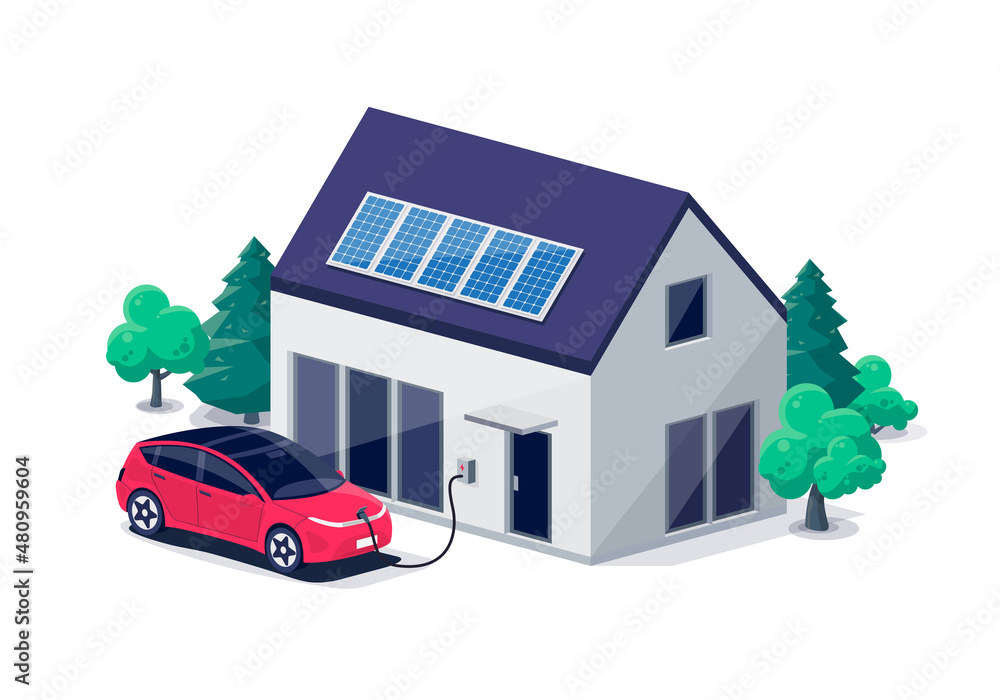
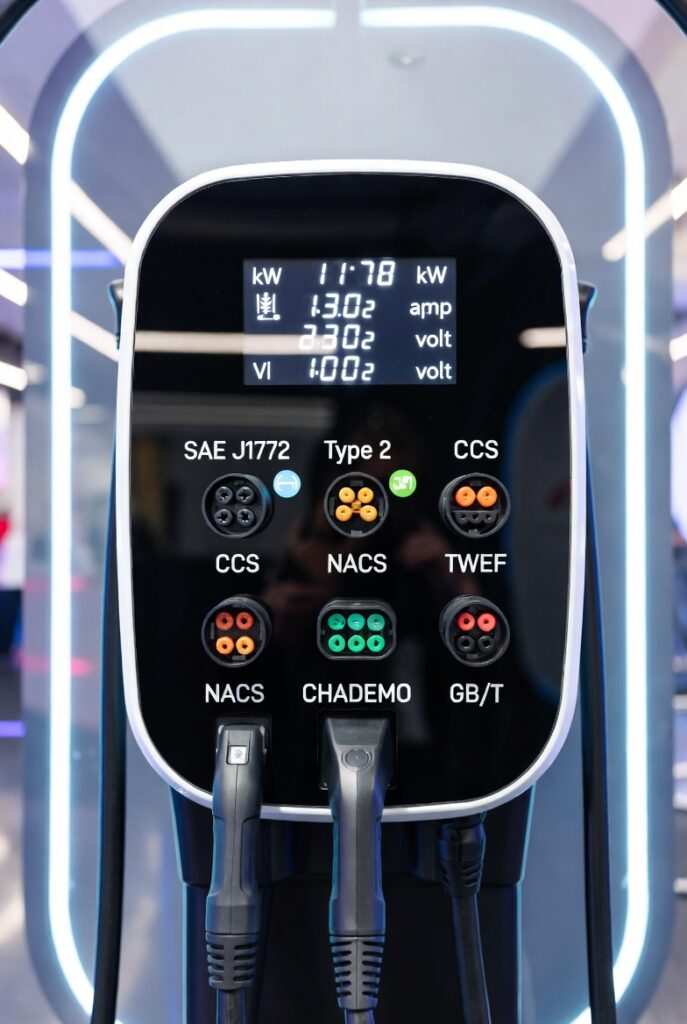
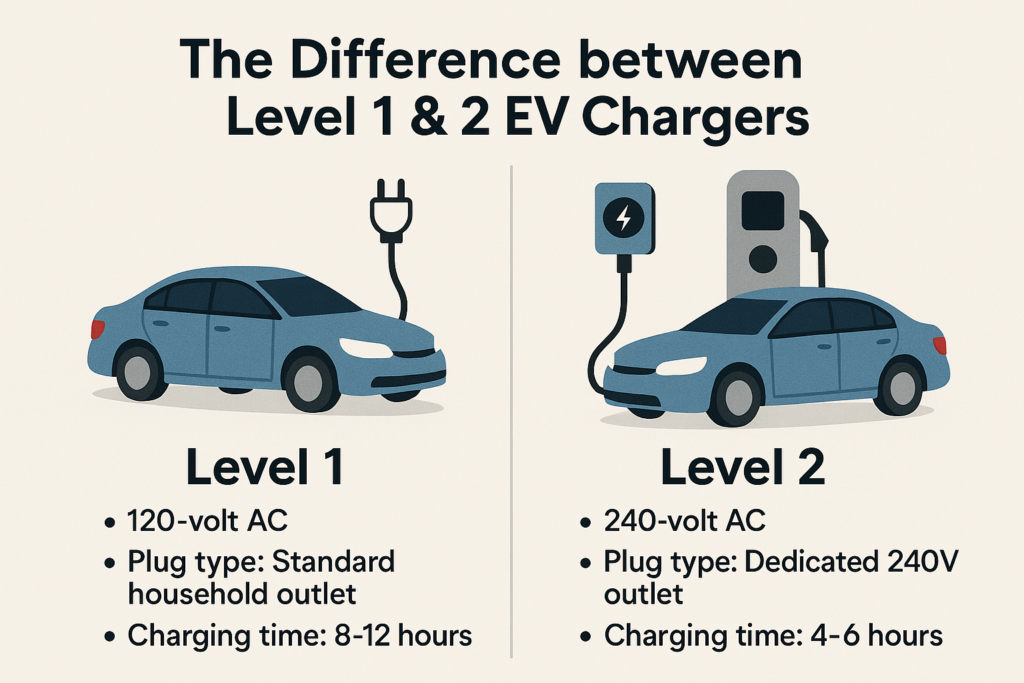
August 2026 is a specific and significant date in China’s EV charging regulatory calendar. It represents the enforcement threshold for updated mandatory certification requirements that the China National Certification and Accreditation Administration (CNCA) has been phasing in for EV charging equipment, with implications that range from “your charger is completely unaffected” to “your charger is now operating outside Chinese regulatory compliance” depending entirely on your specific hardware’s certification status and purchase date.
The anxiety this deadline has generated in Chinese EV owner communities is, in our honest assessment, disproportionate for the majority of owners. But the complacency it has generated in a specific minority of owners who genuinely are affected is equally misplaced. What’s needed — and what this guide provides — is the specific, accurate information that allows each reader to determine precisely where they stand rather than either panicking unnecessarily or ignoring a genuine compliance issue.
This guide on China’s 3C deadline August 2026 is your current EV charger now illegal the 20 point checklist covers what the August 2026 deadline actually represents, what has changed in China’s EV charger certification framework, the precise categories of owners genuinely affected versus those who are not, and the 20-point checklist that any Chinese EV owner can work through to determine their specific compliance status and, if needed, their remediation path.
What the August 2026 Deadline Actually Represents
The 3C Certification Framework — What Our Existing Guide Established
As covered extensively in our dedicated 3C certification guide earlier in this content cluster, China’s 3C (China Compulsory Certification, abbreviated CCC or 3C, 中国强制认证) system is the mandatory safety certification framework that governs EV charging equipment sold in the Chinese domestic market, implemented through the CNCA and enforced through the quality supervision authorities under SAMR (State Administration for Market Regulation, 国家市场监督管理总局).
Every EV charger sold through legitimate channels in China is required to carry valid 3C certification before market placement — covering the specific product model and variant against the applicable technical standards, with certification conducted by CNCA-designated testing laboratories.
What Changed for the August 2026 Threshold
The specific regulatory update:
China’s certification authorities updated the applicable technical standards for EV charging equipment — specifically revising and expanding the requirements within the GB/T standards framework that 3C certification for EV chargers references — with a transition timeline that established August 2026 as the point after which:
- New products entering the market must be certified against the updated standards (not the previous version)
- Products certified only against the previous standard version, if still in production or active market placement, require recertification against the updated requirements
- Existing installed chargers that were legitimately certified against the previous standard at time of purchase are not retroactively rendered non-compliant by this transition
This third point is the most important for the majority of existing owners, and the most commonly misrepresented in online discussion.
What “Not Retroactively Rendered Non-Compliant” Actually Means
The legal position of a charger purchased and installed before August 2026 with valid 3C certification at time of purchase:
A charger that carried genuine, valid 3C certification at the time it was sold and installed remains legally operated regardless of whether it was certified against the previous or the updated standard version. China’s regulatory framework for product certification generally applies the applicable standard in effect at the time of market placement, not retroactively applying later standards to previously-compliant products — the same principle that applies across virtually all regulatory frameworks globally.
What this means practically: If your charger has genuine, valid 3C certification documentation for the specific model and variant you own, the August 2026 deadline has no practical compliance implication for you as an end user of that already-installed equipment.
Where the August 2026 deadline does create genuine compliance issues:
The deadline creates genuine issues specifically for:
- Chargers that were never properly 3C certified in the first place, regardless of purchase date (already non-compliant before the deadline; the deadline doesn’t change this existing non-compliance but may increase enforcement attention)
- Products still being manufactured and sold after August 2026 that haven’t completed recertification against the updated standard (manufacturer and retailer compliance issue, not primarily an end-user issue for existing installed equipment)
- Chargers from manufacturers who have ceased operations (per our zombie pile crisis guide) and whose certification may have lapsed without renewal, creating a grey-area compliance situation for affected charger owners that the August 2026 deadline makes somewhat more salient
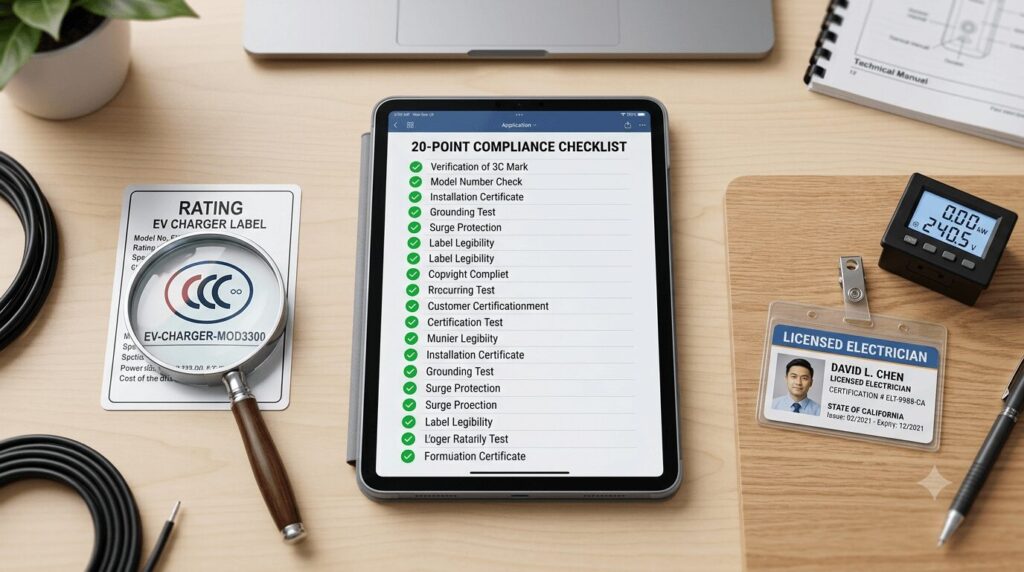
The 20-Point Compliance Checklist
This checklist allows any Chinese EV owner to work through their specific situation systematically. Work through each point in order — the structure moves from the most fundamental question (does your charger have any certification at all) through progressively more specific compliance considerations.
Section A: Basic Certification Status (Points 1-5)
Point 1: Does your charger carry a visible 3C certification mark on the physical unit?
The 3C mark (marked as 中国强制认证 or with the specific CCC logo) should appear on the charger’s rating label, typically located on the rear or underside of the unit.
If yes: Proceed to Point 2.
If no visible mark: This is a significant concern — proceed to Point 6 before any other action, but note that a missing visible mark may reflect label wear, installation position making the label inaccessible to view, or (most concerning) genuine absence of certification.
Point 2: Do you have the original purchase documentation showing your charger’s model number and purchase date?
Original purchase receipts, order confirmations, or installation documentation showing the specific model purchased and the date of purchase are relevant both for certification verification and for any subsequent warranty claims or compliance queries.
If yes: Proceed to Point 3 with this documentation available.
If no: Attempt to recover documentation through your purchase channel (the retailer, the installer, the manufacturer’s app registration records) before proceeding, as specific model identification is necessary for the certification verification in Points 3-5.
Point 3: Can you identify the specific model number and certification reference number from the charger’s rating label?
The rating label (usually a sticker on the rear of the unit) typically shows the product model number (型号), rated voltage and current, and ideally a certification reference number that can be used to verify the specific certification against the CNCA’s public database.
If yes, certification reference number is visible: Proceed to Point 4 for online verification.
If only model number is visible without certification reference: Proceed to Point 5 for alternative verification approach.
Point 4: Does the CNCA public database confirm valid certification for your specific model?
The CNCA maintains a publicly searchable certification database at the official CNCA website, allowing any member of the public to verify whether a specific product model has valid 3C certification.
How to check: Visit the CQC (China Quality Certification Centre, 中国质量认证中心) website at cqc.com.cn and use the certification inquiry function (证书查询), searching by the certification reference number from Point 3 or by the manufacturer name and product model.
If the search confirms valid certification for your specific model: Your charger has genuine 3C certification. Proceed to Point 7 for installation-specific considerations.
If the search shows no result or shows cancelled/lapsed certification: Proceed to Point 6.
Point 5: Alternative verification — does your manufacturer’s official documentation confirm certification status?
If direct database verification via Point 4 is inconclusive due to search term limitations or database access difficulties, contact the manufacturer directly requesting confirmation of the specific certification reference number and status for your model.
If manufacturer confirms valid certification with verifiable reference: Acceptable alternative to direct database verification for most practical purposes. Proceed to Point 7.
If manufacturer is unreachable, unresponsive, or cannot provide a verifiable certification reference: This raises significant concerns — proceed to Point 6.
Section B: Non-Certification or Lapsed Certification Situations (Points 6-8)
Point 6: If certification status is unclear or absent — assess the purchase channel and timeline
Where certification status cannot be confirmed through Points 1-5:
Sub-question A: Was this charger purchased from a major established retailer (JD.com, Tmall from established brand stores, direct from manufacturer), from a professional installer working with named brands, or from a vehicle manufacturer’s official programme?
If yes: The probability of genuinely non-certified product through these channels is lower, though not impossible — continue investigation through the manufacturer channel.
Sub-question B: Was this charger purchased from an unofficial marketplace listing, at an unusually low price compared to comparable products, or through an unverified e-commerce seller?
If yes: The probability of non-certified product is meaningfully higher — this is one of the specific purchase scenarios our existing 3C certification guide identified as a significant risk factor.
Point 7: If certification is confirmed — was the charger installed by a licensed electrician (持证电工)?
As covered throughout our professional installation costs guide, 3C certification covers the product itself but proper legal operation in a Chinese residential installation also requires installation by a licensed electrician following applicable installation standards.
If yes, licensed electrician installation: Your installation meets both the product certification requirement and the installation qualification requirement. Proceed to Point 8.
If no, self-installed or installed by an unlicensed individual: The product itself may be certified, but the installation doesn’t meet the full regulatory framework — a distinct compliance consideration from the product’s certification status itself.
Point 8: Was a dedicated electricity meter installed as part of your home charging setup?
As covered extensively in our professional installation costs guide and our apartment rights guide, standard Chinese home EV charging installation includes a dedicated electricity meter for the EV charging circuit, separate from the household meter.
If yes: Your installation meets this standard requirement.
If no, the EV charging circuit runs through the household meter without a separate dedicated meter: This may represent a non-standard installation regardless of the charger’s own certification status, potentially relevant to both utility compliance and any subsidy claim requirements.
Section C: August 2026 Specific Standard Update Considerations (Points 9-12)
Point 9: Was your charger purchased and installed before August 2026?
If yes: As established in the opening section of this guide, your charger’s certification status is assessed against the standard in effect at time of market placement, not against the updated post-August 2026 standard. Your existing certification remains valid for your installed unit. Proceed to Point 10 for ongoing considerations.
If no (purchased after August 2026): Your charger must be certified against the updated standard. Confirm this through Points 3-5 using the current (post-August 2026) standard reference.
Point 10: For pre-August 2026 purchases — has your manufacturer confirmed their product line is either already certified against the updated standard, or has a clear recertification timeline?
While this doesn’t affect your already-installed unit’s compliance status, it is relevant to the brand survival and ongoing support considerations covered in our zombie pile crisis guide — manufacturers who are not actively engaged with the updated standard’s recertification process may be showing operational disengagement signals worth monitoring.
If manufacturer is actively pursuing or has completed updated standard certification: Good indicator of continued operational health and product support commitment.
If manufacturer shows no apparent engagement with the updated standard: One additional signal to factor into the brand survival assessment from our zombie pile guide.
Point 11: Does your installation location comply with the physical installation requirements that the updated standard has clarified?
The August 2026 standard update includes more explicit specification of certain installation positioning requirements — primarily relating to minimum clearances, mounting height requirements, and protection from specific environmental exposures — that were somewhat less explicitly specified in the previous version.
The key physical requirements to assess:
Minimum clearance around the charger enclosure for ventilation (typically 200mm+ from adjacent walls or obstructions on sides with ventilation provisions, as relevant to the charger’s specific design).
Mounting height within the specified range for the installation category (typically 0.5m-1.8m to the cable outlet for most residential installation scenarios).
Protection from direct water impingement — even IP65-rated chargers must be mounted such that they’re not subject to direct water jet from sources like pressure cleaning equipment directed at adjacent surfaces.
Point 12: Does your charger’s specific 3C certificate cover the exact variant you own, including cable length and plug type?
3C certification is model-specific and variant-specific — a certificate issued for a charger with a 5-metre cable doesn’t automatically cover the identical unit with a 7-metre cable, and a certificate covering the standard plug variant doesn’t automatically cover an interchangeable-plug version, because the certification testing covers the specific configuration submitted for testing.
Why this matters: Some non-compliant products have been marketed with reference to a certification issued for a related but technically different variant — confirming that the specific certification number corresponds to your exact product configuration, not just the brand or general product line, is a meaningful verification step.
Section D: Installation Environment and Ongoing Compliance (Points 13-16)
Point 13: Is your installation in the specific location type and environment the charger’s certification covers?
3C certification for residential EV chargers is typically issued for specific installation categories — indoor versus outdoor, normal versus adverse environment, standard residential versus commercial application. A charger certified for indoor residential use installed in an outdoor exposed position may be operating outside its certification scope even if the certification itself is genuine.
Check specifically: Whether your charger’s certification documentation specifies installation category restrictions, and whether your actual installation matches those specifications.
Point 14: Has your charger’s cable or connector been replaced or modified since installation?
Third-party cable replacements or connector modifications, even if performed with apparently compatible parts, can affect certification status if the replacement components haven’t been approved as equivalent substitutes by the original certification holder. This is a relatively uncommon situation for most residential owners but worth noting if any maintenance or repair has involved component replacement.
Point 15: Is your charger connected to a dedicated circuit with appropriate overcurrent and RCD protection as specified in both the charger’s installation requirements and the applicable Chinese electrical installation standards?
As covered in our professional installation costs guide’s discussion of Type B versus Type A/AC RCD protection, and our safety-focused content throughout this guide series, the protection device specification within the dedicated circuit is part of the complete installation compliance picture, not only the charger unit’s own certification.
Point 16: Has your compound’s 物业 given any specific notification regarding your charging installation’s compliance status, particularly in connection with any compound-level inspection that may have occurred in connection with the August 2026 deadline period?
Some residential compound 物业 management companies have used the August 2026 deadline as the occasion to conduct compound-level inspections of existing EV charging installations, occasionally identifying installations that need attention — either because of certification concerns or because of installation quality issues separate from certification. If you’ve received any 物业 notification, this takes priority over the general checklist assessment.
Section E: Practical Compliance Confirmation (Points 17-20)
Point 17: Can you confirm that your charger currently functions as described in its certified specification?
As covered in our error code troubleshooting guide, a charger that has developed significant functional faults — particularly safety-relevant faults in the RCCB protection or ground fault detection category — is arguably not performing to its certified specification even if the certification itself remains valid. Maintaining function consistent with the certified specification is part of ongoing compliance, not just having the certification mark.
Point 18: Have you completed the seasonal maintenance inspection covered in our dedicated maintenance guide?
This point addresses the practical maintenance-compliance relationship: the certification covers the product as designed and manufactured; ongoing compliance with the intent of the safety certification framework includes maintaining the product in a condition consistent with that design, which the maintenance schedule supports.
Point 19: Do you have documentation accessible for any inspection that might occur?
While residential EV charger compliance inspections are not a routine occurrence for individual homeowners, being able to produce basic documentation — original purchase receipt, installation documentation, charger rating label reference confirming the certification mark — is a reasonable precaution given the August 2026 deadline’s increased regulatory attention context.
Point 20: Based on your assessment through Points 1-19, what is your compliance status?
Green — Fully compliant:
- Point 4 or 5 confirmed genuine valid 3C certification
- Point 7 confirmed licensed electrician installation
- Point 8 confirmed dedicated meter
- Points 11-16 confirm installation environment and configuration compliance
- Points 17-18 confirm continued functional and maintenance compliance
Amber — Attention warranted:
- Certification confirmed but one or more installation-side considerations (Points 11-16) require assessment or minor remediation
- Or: Certified product, but from a manufacturer whose ongoing status warrants monitoring per our zombie pile guide
- Or: Functional concerns developing that should be assessed before confirming continued compliance per Points 17-18
Red — Immediate attention required:
- Certification cannot be confirmed through Points 1-5
- Or: Certified product installed without licensed electrician, creating installation compliance gap
- Or: Safety-relevant hardware deterioration per Points 17-18 that represents a genuine operational safety concern
What to Do Based on Your Checklist Result
For “Green” Status Owners
Your charger is compliant. The August 2026 deadline has no immediate action requirement for you. Continue the maintenance schedule from our dedicated maintenance guide, monitor your manufacturer’s ongoing operational health through the zombie pile crisis guide’s framework, and revisit the upgrade decision framework from our upgrade guide if and when genuine functional upgrade triggers emerge.
For “Amber” Status Owners
Identify the specific amber flags from your checklist and address each one specifically:
For installation-environment concerns (Points 11-13): Have a licensed electrician assess whether any simple physical remediation (repositioning, clearance adjustment) addresses the specific concern, or whether the concern is primarily technical/documentation-related and addressable through the manufacturer or installer.
For manufacturer survival concerns (Point 10): Continue monitoring per the zombie pile guide’s framework, ensure your car timer TOU is configured as a backup to the charger’s scheduling, and plan a replacement timeline if monitoring reveals additional deterioration signals.
For functional maintenance concerns (Points 17-18): Complete the maintenance inspection and address any identified issues before confirming compliance status.
For “Red” Status Owners
If certification cannot be confirmed:
This is the most important remediation category. Operating an uncertified charger in China is:
- A potential regulatory violation subject to enforcement action
- A potential basis for insurance claim denial if any incident occurs while using uncertified equipment
- A genuine safety concern, as the certification process exists specifically to verify that the product meets the safety standards that protect owners, their families, and their property
The immediate action: Disconnect the uncertified charger from use. Research the certified replacement options covered throughout this guide series. Install a certified replacement through a licensed electrician. The cost — ¥2,699-¥5,000 all-in for a quality certified replacement — is genuinely worth paying to eliminate both the regulatory and safety exposure.
If certified but installed without licensed electrician:
The product certification is not affected, but the installation’s compliance with Chinese electrical installation standards is. This doesn’t require replacing the charger, but it does warrant having a licensed electrician inspect and certify the installation, addressing any installation quality issues identified in the process.
The Specific Brands and Scenarios Most Affected by the August 2026 Context
Scenarios with Highest August 2026 Relevance
Budget e-commerce purchases from 2022-2023 during the EV adoption boom:
The period of China’s most rapid EV adoption coincided with an influx of uncertified or questionably-certified budget charger products through online marketplaces, as documented in our original 3C certification guide. Owners who purchased from non-established sellers during this period should apply particular scrutiny to Points 1-5 of the checklist.
Chargers from manufacturers who have since ceased operations:
As covered in our zombie pile crisis guide, the 2024-2025 consolidation period produced meaningful manufacturer failures. Chargers from ceased manufacturers may have legitimate certification for the product itself, but the renewal of certification (which certification bodies require periodically) may have lapsed without a continuing manufacturer entity to manage the renewal process — creating a certification status that was valid at purchase but may have become uncertain through inaction rather than active withdrawal.
Chargers purchased through grey-market or parallel-import channels:
Any charger not purchased through legitimate mainland Chinese distribution channels may carry certification for a foreign market variant that doesn’t correspond to Chinese domestic market certification, even if it carries a mark that superficially resembles the 3C certification symbol.
The SAMR Enforcement Context — What Enforcement Actually Looks Like
How Residential EV Charger Compliance Is Actually Enforced
The practical enforcement reality for residential installations:
Unlike commercial or public charging infrastructure where compliance inspections are relatively systematic, residential home EV charger compliance enforcement in practice occurs primarily through:
Insurance claim assessment (where non-certified equipment provides grounds for claim denial if an incident occurs, as covered in our flywire charging safety guide’s insurance implications discussion).
Compound-level 物业 inspections, which some management companies have conducted in the August 2026 deadline context.
Incident-triggered investigation (where a fire, electrical fault, or injury triggers investigation of the charging installation’s compliance status as part of the incident assessment).
What this means practically: Proactive enforcement specifically targeting individual residential EV charger installations is not the primary enforcement mechanism — but the consequences of non-compliance manifesting through any of the above channels are genuinely significant, making proactive checklist verification worthwhile regardless of the specific enforcement probability for any individual installation.
Internal Links — Further Reading on Clean Energy Bazaar
The China’s 3C deadline August 2026 is your current EV charger now illegal the 20 point checklist guide is the regulatory compliance companion to every safety and certification guide throughout this content cluster.
For our foundational 3C certification guide that established the complete certification framework this checklist builds upon, our 3C certification and EV chargers 2026 why buying non-certified chargers is dangerous in China guide covers every safety requirement and the core certification framework. For the zombie pile crisis guide that is directly relevant to Points 10 and the manufacturer-failure certification lapse scenario, our zombie pile crisis 2026 how to avoid dead chargers from liquidated Chinese brands guide covers the complete brand survival assessment framework. For the professional installation costs guide establishing the licensed electrician and dedicated meter requirements referenced in Points 7 and 8, our professional EV charger installation costs 2026 what State Grid chargers vs private companies charge guide covers every installation requirement. For the flywire charging safety guide covering the insurance implications of non-certified equipment that provides enforcement context, our China apartment flywire charging is it safe legal solutions for lower ground parking guide covers every relevant safety and legal consideration. For the maintenance guide covering the ongoing functional compliance considerations of Points 17-18, our EV charger maintenance 2026 dust protection vs humidity resistance brand comparison guide covers every brand’s maintenance requirements. And for the upgrade guide covering when a non-compliant charger should be replaced versus potentially remediated, our when to upgrade your EV charger signs your 2023 charger isn’t ready for 2026’s 800V cars guide covers the complete upgrade decision framework.
Final Thoughts
The China’s 3C deadline August 2026 is your current EV charger now illegal the 20 point checklist question deserves a proportionate, accurate answer rather than either dismissal or panic. For the large majority of Chinese EV owners who purchased a certified charger through legitimate channels and had it professionally installed — which this guide series’ consistent guidance has recommended throughout — the August 2026 deadline’s direct compliance implication is minimal: existing certified equipment remains compliant, and the deadline primarily affects new market placement rather than already-installed residential equipment.
For the specific minority of owners whose situation places them in the amber or red categories identified through this checklist — primarily those who purchased from unverified sellers during the 2022-2023 boom, those with equipment from manufacturers who have since ceased operations, or those whose installation didn’t meet the full licensed electrician and dedicated meter standard — the August 2026 deadline’s increased regulatory attention context makes addressing these situations more urgent than it might have seemed when the issues were purely theoretical compliance gaps.
Work through the twenty points in sequence. The majority of owners will reach Point 20 with a green status that requires no immediate action. For those who don’t, each specific amber or red flag has a specific, proportionate remediation path that this guide has identified — ranging from documentation retrieval to licensed electrician assessment to, in the most serious cases, certified charger replacement.
The certification framework exists for genuine reasons. The safety standards it validates protect EV owners, their families, their vehicles, and their property from the specific electrical risks that unsupervised EV charging equipment creates. Compliance with this framework isn’t bureaucratic box-ticking — it is the formal expression of the same safety principles that this content cluster has emphasised throughout every guide that has touched on electrical safety, from our RCCB protection discussion to our flywire safety guide to our maintenance and troubleshooting guides. Verifying your specific compliance status through this checklist is worth the thirty minutes it takes.