For EV owners in India dreaming of epic road trips from Mumbai to Goa or Delhi to Jaipur, the freedom of electric mobility comes with a key question: How do I ensure seamless charging on long drives without range anxiety? In 2026, with India’s EV sales surging past 200,000 passenger units in FY26 and highway charging networks expanding to over 5,000 points along major NHs, road trips are more feasible than ever. But for enthusiasts searching EV road trip charging kit India 2026 or best portable EV charger for Mumbai to Goa road trip, a hybrid home-and-mobile setup is essential. This case study spotlights Raj, a 42-year-old Mumbai-based sales executive and weekend road tripper, who upgraded his Mahindra XUV400 EV with a smart charging kit to conquer 1,000+ km journeys hassle-free.
Raj’s story highlights practical solutions for home EV charging setup for road trip preparation Mumbai and mobile EV charging kit for Indian highways 2026, blending affordability, reliability, and portability. If you’re planning your next EV adventure and querying portable EV charger comparison for road trips India, read on for actionable insights.
The Challenge: Range Anxiety on India’s Diverse Highways
Raj’s pre-2026 setup relied on public fast chargers (50–150 kW DC units from Tata Power or Statiq), but issues arose:
- Sparse Coverage in Remote Stretches: NH-48 (Mumbai-Pune) has ~200 points, but gaps persist on NH-66 (to Goa) or NH-19 (to Delhi).
- Charging Downtime: 30–60 min stops disrupt flow; peak-hour queues at malls/highways add frustration.
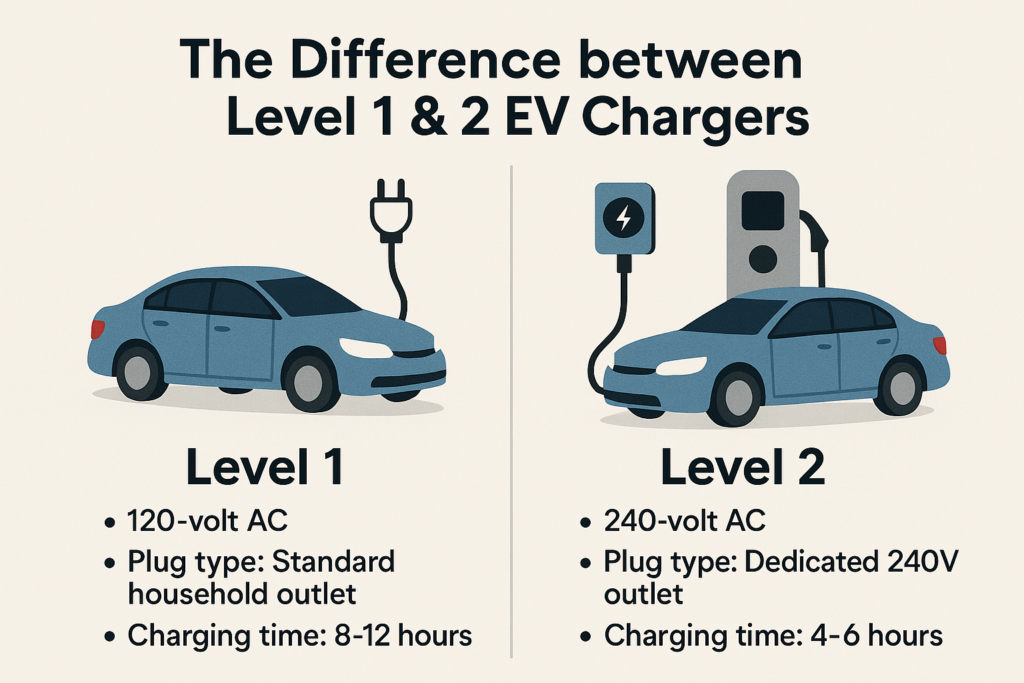
- Home Prep Gaps: Overnight Level 2 charging (7–11 kW) is great for 80% readiness, but forgetting full top-ups leaves buffer vulnerabilities.
- Cost Variability: Public DC rates hit ₹18–25/kWh vs. home ₹6–9/kWh, inflating trip budgets by 20–30%.
In 2025, Raj’s first Mumbai-Goa EV road trip (800 km) involved 4 unplanned stops, turning a 12-hour joyride into 16 hours of stress.
The Solution: A Hybrid Home-Mobile Charging Kit for Seamless Trips
Raj invested ~₹45,000–60,000 in a kit blending fixed home charging with portable backups, leveraging Maharashtra’s EV incentives (up to 20% rebate on home setups via FAME-III extensions). Here’s his breakdown:
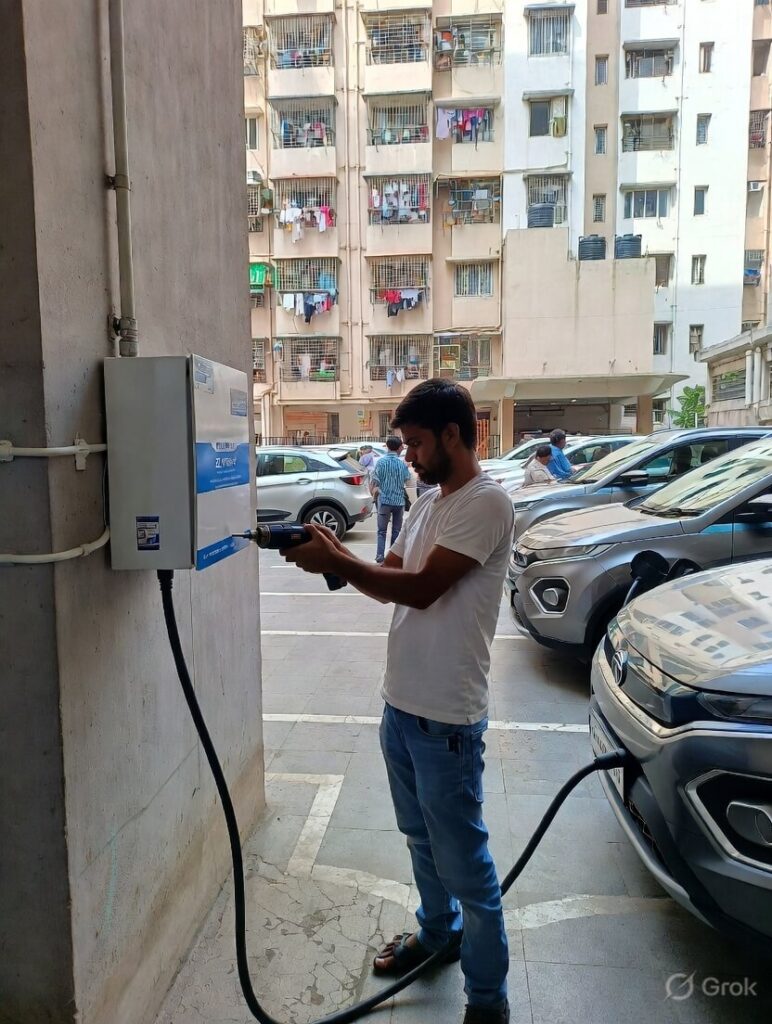
- Home Base: Wall-Mounted Level 2 Charger
- Choice: Zeon 11 kW AC wallbox (Type-2 connector, IP65 weatherproof, app-scheduling for off-peak Mumbai tariffs).
Why? Faster than basic 7.4 kW (full XUV400 charge in 6–8 hours vs. 10+), with load-balancing to avoid society overloads. Alternatives: Tata Power EZ Charge (₹35,000–45,000) for seamless integration or Statiq Nectar (₹40,000) for multi-EV sharing. - Installation: Mounted in his Bandra society garage (₹10,000–15,000 wiring + electrician). Compatible with XUV400’s 34.5 kWh battery for 456 km range per charge.
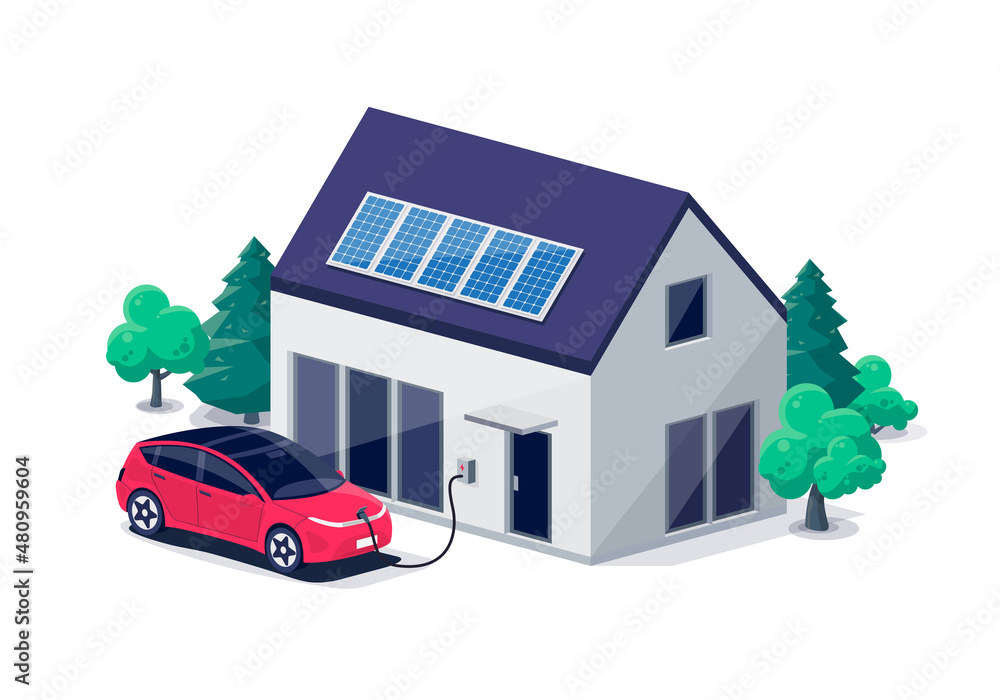
- Prep Routine: Charges to 100% pre-trip (₹150–200 at home rates), adding solar tie-in for eco-boosts.
- Mobile Kit: Portable Charger + Backup Power
- Portable Level 1/2 Charger: JuiceBox 32A portable EVSE (₹15,000–20,000, 7.7 kW max output via standard outlet). Plugs into any 15A socket at dhabas/hotels, adding 30 km/hour—ideal for overnight top-ups on NH-48.
- Power Bank Add-On: EcoFlow Delta 2 portable power station (1 kWh, ₹50,000) with solar input (200W panel, ₹10,000 extra). Provides 50–100 km emergency range via integrated EVSE, perfect for rural blackouts.
- App Ecosystem: Integrates with PlugShare/ChargePoint for real-time station locator (e.g., 150+ points on Mumbai-Goa route).
Total kit ROI: Recouped in 8–10 months via ₹1,500–2,000 savings per 1,000 km trip (vs. petrol ₹8–10/km).
Road Trip Results: Mumbai to Goa in 12 Hours with Zero Stress
On his 2026 test run:
- Day 1 Prep: Home Zeon charger topped up overnight; kit packed in trunk.
- En Route: Quick 20-min DC stop at Tata Power on NH-48 (Pune, ₹100 for 200 km), portable JuiceBox used at Lonavala dhaba for 1-hour lunch top-up (50 km added, free outlet).
- Backup Activation: EcoFlow saved the day during a 30-min rural outage—30 km trickle charge while picnicking.
- Arrival: 80% battery left, total cost ₹450 (home + public) vs. ₹5,000 petrol equivalent.
| Component | Cost (₹) | Key Benefit for Road Trips | Long-Tail Search Fit |
|---|---|---|---|
| Zeon 11 kW Home Wallbox | 40,000–50,000 | Full charge in 6–8 hrs; off-peak scheduling | Best home EV charger for long road trips Mumbai 2026 |
| JuiceBox Portable EVSE | 15,000–20,000 | Socket-based top-ups at dhabas/hotels | Portable EV charger for Indian highway travel India |
| EcoFlow Delta 2 Power Bank | 50,000 (with solar) | Emergency 50–100 km range | Mobile EV power bank for remote road trip charging 2026 |
| Total Kit | 45,000–60,000 | 20–30% cost savings, 2–3 fewer stops | EV road trip charging kit comparison India highways |
This setup cut Raj’s annual road trip costs by 40% and boosted enjoyment—now he logs 5,000 km/year without a hitch.
Tips for Building Your Own EV Road Trip Kit in 2026
- Assess Routes: Use AARoads/PlugShare for coverage (e.g., NH-44 Delhi-Mumbai: 300+ points).
- Incentives: Claim Maharashtra EV rebates (up to ₹10,000 on home chargers) via state portal.
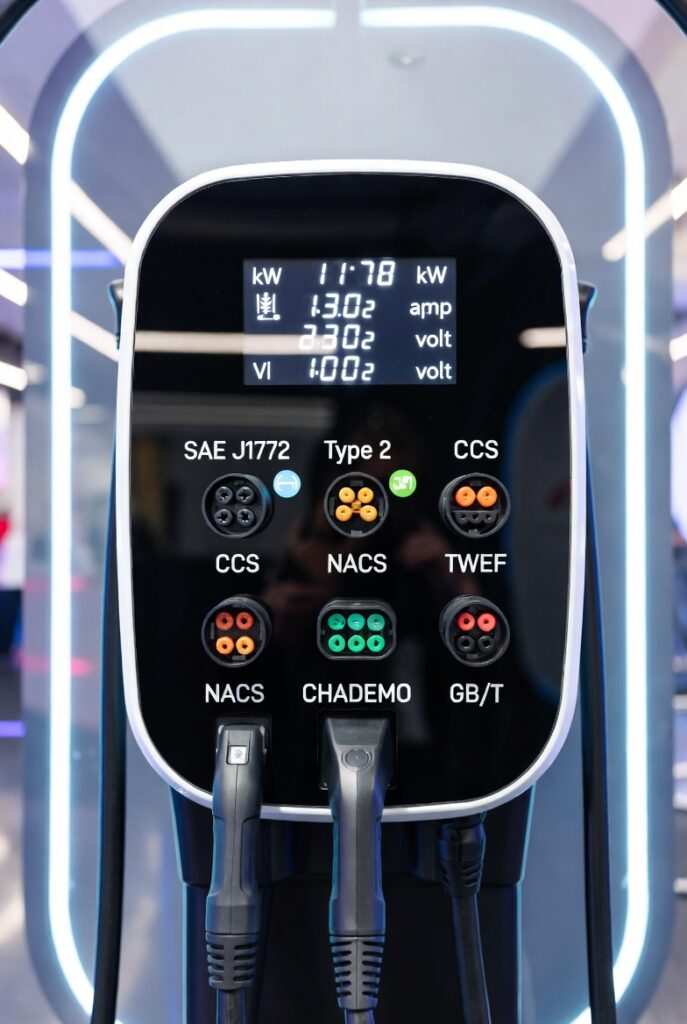
- Compatibility Check: Ensure Type-2/CCS2 for XUV400/Nexon EV; test portability pre-trip.
- Maintenance: Annual checks for cables/batteries; join EV clubs for shared kit tips.
- Alternatives: For budget, start with a basic 3.3 kW portable (₹5,000) + public reliance.
Raj’s kit proves EV road trips from Mumbai 2026 are thrilling realities with the right tools. Planning your adventure? Our free comparison tool matches kits to your EV (Mahindra XUV400, Tata Nexon EV) and routes—filter by portability, power, and providers like Zeon or Tata Power.
Compare EV Road Trip Charging Kits Now
Updated March 9, 2026. Subscribe for more EV travel case studies and Mumbai highway charging updates.