Apartment vs House EV Charging Solutions: Complete Guide for India (2026)
Electric vehicles (EVs) are transforming mobility across India, with sales continuing to grow rapidly and public charging infrastructure expanding under schemes like PM E-DRIVE. However, for the vast majority of EV owners, reliable and affordable charging at home remains the single most important factor for hassle-free ownership.
Where you live—whether in an independent house or an apartment complex—dramatically affects your charging options, installation costs, daily convenience, monthly running expenses, and even long-term property value.
This complete 2026 guide compares both scenarios with updated costs, real-world challenges, available solutions, and practical recommendations tailored to Indian conditions.
Why Home Charging Still Wins in India
Home charging delivers the lowest cost per kilometre in the country. Overnight Level-2 charging typically works out to ₹1–2 per km, compared to ₹4–6+ per km on most public DC fast chargers. For anyone driving 50–100 km per day, home charging usually saves thousands of rupees every month over public-station dependency.
Residential electricity tariffs (₹7–10/unit in most states) and the growing availability of night-time EV-specific slabs make home charging even more attractive in 2026.
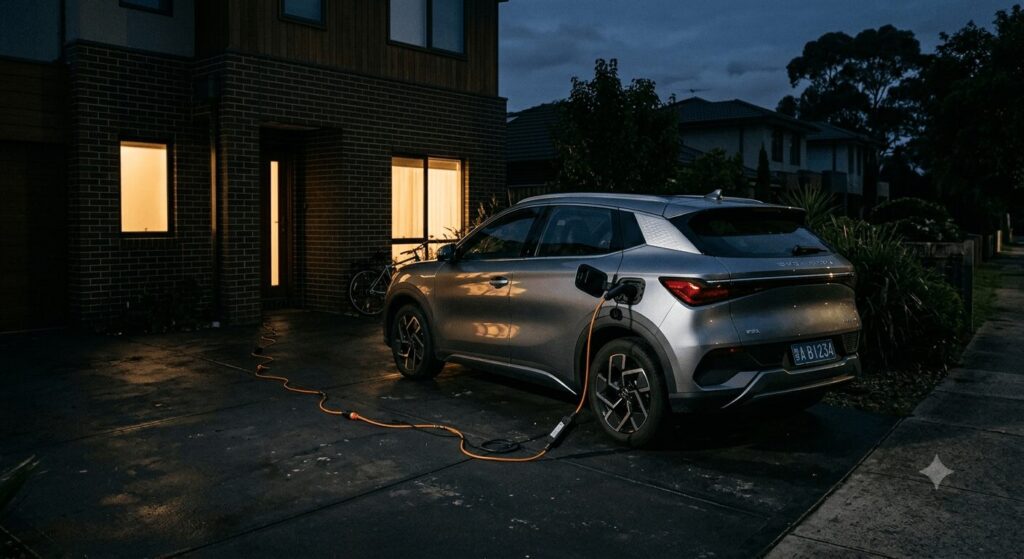
EV Charging Solutions for Independent Houses
Key Advantages
Complete control over installation and placement
Dedicated parking space or garage
Lowest electricity cost using residential rates
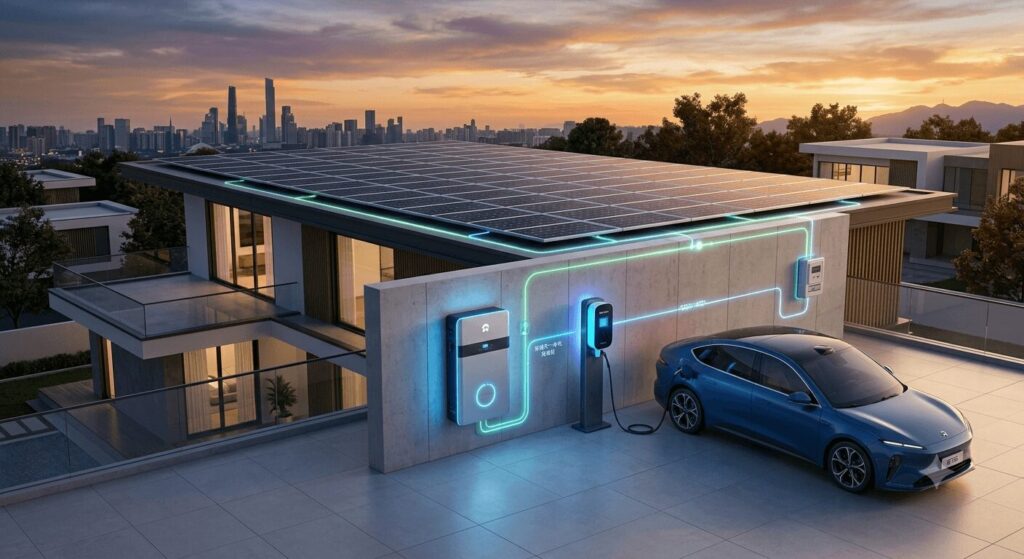
Straightforward integration with rooftop solar systems
Significant boost to property resale value (often 5–8%)
Typical Installation Process
Assess your home’s electrical load and available capacity (most require a dedicated 7–11 kW circuit).
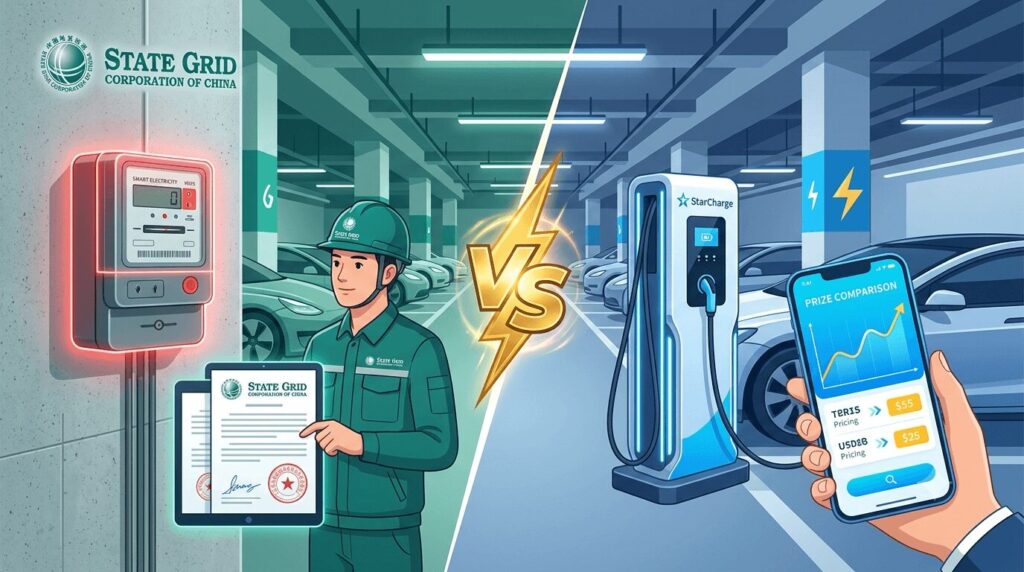
Engage a certified electrician and (optionally) apply for a separate EV meter through your DISCOM.
Install a wall-mounted AC charger (Type-2 or CCS2 connector).
Add smart features such as app-based scheduling, energy monitoring, and load balancing.
2026 Cost Breakdown
7.4 kW smart charger: ₹35,000–₹70,000
Wiring, MCB, earthing, and labour: ₹15,000–₹35,000
Separate EV meter (optional but recommended): ₹3,000–₹6,000
Total one-time investment: ₹55,000–₹1,00,000
Popular & Reliable Home Charger Brands in 2026
Tata Power EZ Charge
Delta AC Mini
Exicom Spin
Victron Energy
Zeconex
Magenta ChargeGrid home models
All of the above are BEE-star-rated or OCPP-compliant with mobile app control.
EV Charging Solutions for Apartments – The Bigger Challenge
Apartment residents face several common obstacles:
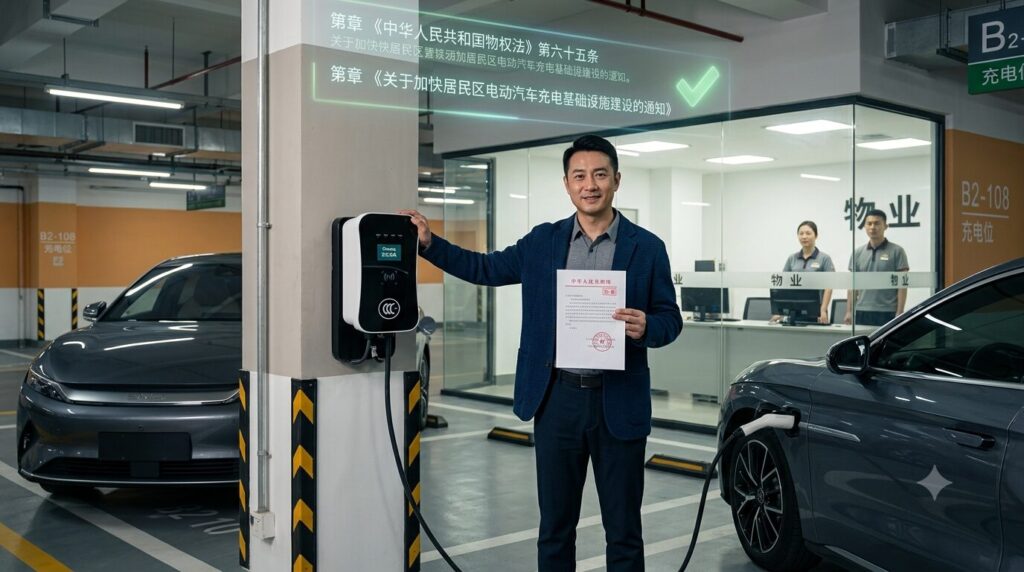
Requirement for RWA / society approval
Shared parking areas with no personal wall space
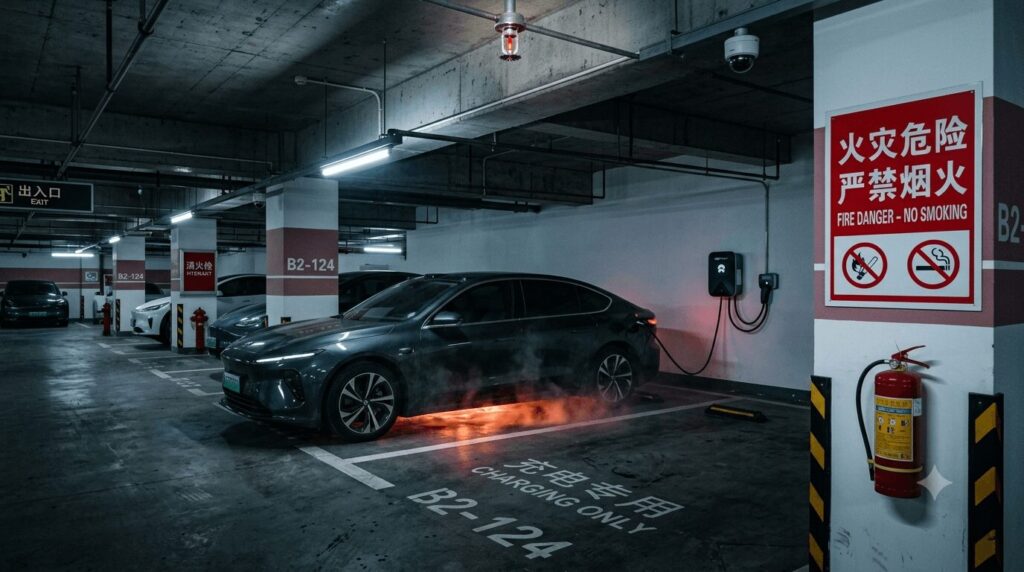
Stricter fire-safety norms for basement parking (NBC guidelines)
Concerns around equitable billing and load management
Despite these hurdles, 2026 has seen a sharp increase in apartment societies adopting EV charging as a standard amenity, especially in metros like Bengaluru, Pune, Hyderabad, and NCR.
Current Practical Solutions
Society-Level Shared Charging Infrastructure (Most Common & Recommended)
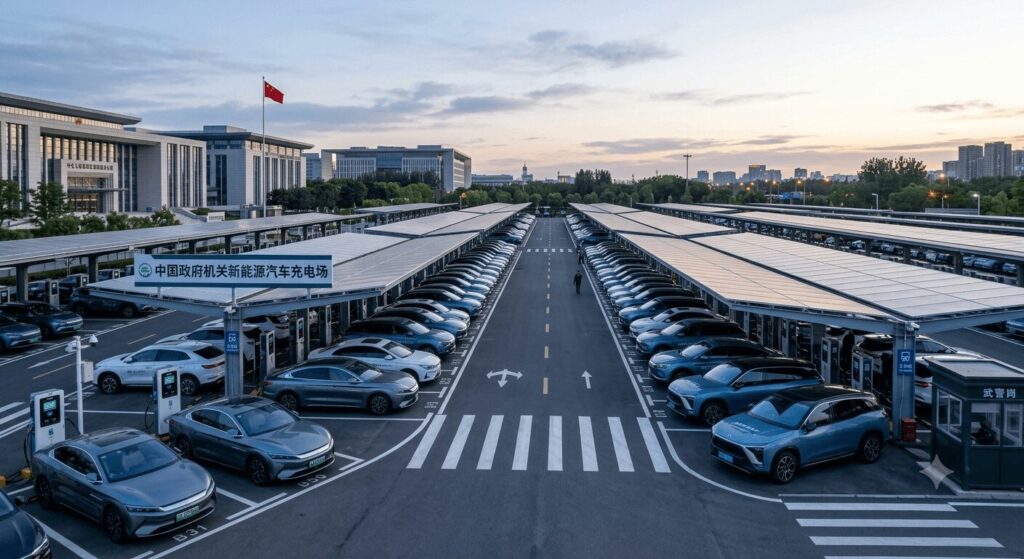
4–20 AC chargers installed in common parking zones
Pay-per-use model via mobile app (₹12–18 per kWh in most cities)
Managed by third-party operators (Bolt.Earth, Statiq, Tata Power, ChargeGrid, Kazam, etc.)
RWA pays nothing upfront in many revenue-share models
Individual Dedicated Charging Point (If RWA Permits)
Run a dedicated cable from your household meter to your parking slot
One-time cost: ₹40,000–₹90,000
Many progressive societies now allow this after seeing successful implementations
Portable / Plug-in Chargers (Temporary Workaround Only)
Use a 3.3–7.4 kW portable charger with an existing 15A/16A socket
Slow charging and higher safety risk if used long-term
Not recommended as a permanent solution
Apartment vs Independent House: Side-by-Side Comparison (2026)
FactorIndependent HouseApartment ComplexOne-time Setup Cost₹55,000 – ₹1,00,000₹0 (shared) or ₹40,000 – ₹90,000 (individual)Monthly Charging Cost (50–100 km/day)₹1,200 – ₹2,500₹1,800 – ₹3,500 (shared tariff)Typical Home Charging Speed7–11 kW (4–6 hours full charge)3.3–7.4 kW (shared points)Daily ConveniencePark and plug anytimeDepends on availability & booking systemApprovals RequiredElectrical safety clearance onlyRWA / society committee + possibly DISCOMSolar Panel IntegrationEasy and highly cost-effectiveDifficult unless society installs central solarImpact on Property Value+5–8%+3–6% (EV-ready societies command premium)
Important Factors to Consider Before Buying an EV
Daily commute distance — Under 80 km/day? Even a 3.3 kW charger is usually sufficient.
Society / RWA policy — Check existing rules or WhatsApp group discussions before purchasing an EV.
Night-time tariffs — Many states now offer ₹5–7/unit EV slabs after 10 PM.
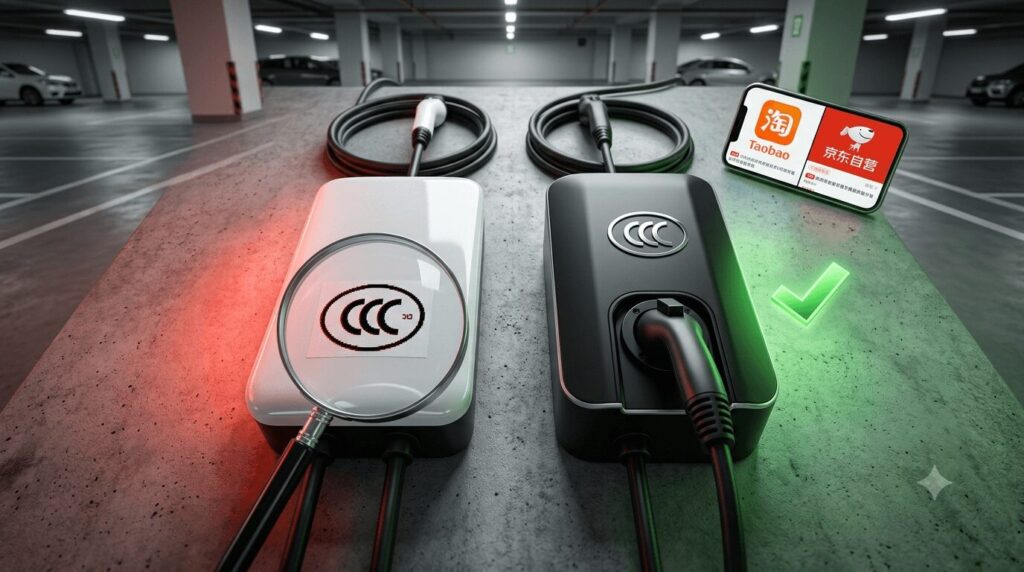
Safety first — Always choose chargers with Type-B RCCB, surge protection, and BEE / ARAI certification.
Government Support & Incentives Still Active in 2026
PM E-DRIVE scheme extended
Continued subsidies for public & semi-public charging infrastructure
Several states offer additional rebates for apartment society installations
Preference given to BEE 3–5 star-rated chargers
Future-Proof Recommendation
Whether you live in a house or an apartment, opt for smart, OCPP-compliant chargers with app control, scheduling, and load-balancing features. These models are ready for upcoming V2G (vehicle-to-grid), solar+storage integration, and dynamic pricing that will become mainstream by 2027–28.
Final Verdict for 2026 Buyers
Independent house owners → Install a dedicated 7.4 kW smart wall charger + consider rooftop solar for maximum savings and convenience.
Apartment residents → Actively push your RWA / managing committee for shared smart charging infrastructure. Societies with EV-ready facilities are already seeing faster flat sales and higher resale values in major cities.
Charging infrastructure is no longer an afterthought—it is now one of the most important decisions when buying an EV in India. Plan your charging solution first, then choose your vehicle.
Have questions about your specific society or home setup? Drop your city and parking situation in the comments—we’ll recommend the best options available in your area.
Related Articles
Best Home EV Chargers Under ₹60,000 in India 2026
How to Convince Your Apartment RWA to Install EV Chargers