Energy Efficiency Comparison: Which EV Chargers Waste the Least Electricity in India? (2026 Guide)
As electric vehicle ownership surges in India—especially in tech hubs like Bengaluru, Karnataka—EV owners are increasingly focused on one critical factor: minimizing electricity waste during charging. With rising electricity tariffs (often ₹7-10 per unit in Karnataka under BESCOM) and government schemes like PM E-DRIVE pushing greener mobility, choosing the most energy-efficient EV charger can save hundreds of rupees monthly and reduce your carbon footprint.
But which chargers truly waste the least electricity? In this 2026 energy efficiency comparison of EV chargers in India, we break down AC vs DC charger efficiency losses, real-world waste percentages, and top recommendations for home and public use.
Key insights from recent data:
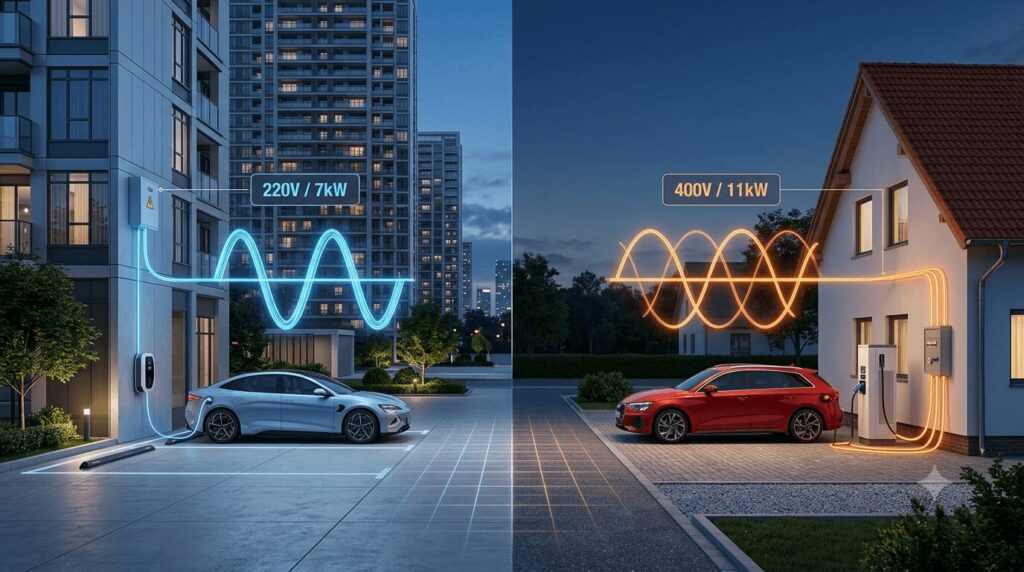
Home AC chargers (3.3kW–22kW) typically achieve 85-95% efficiency, with losses of 5-15% mainly from onboard AC-to-DC conversion. Slow overnight charging often sees the lowest waste (around 5-10%) when paired with off-peak ToD tariffs or rooftop solar—ideal for daily commuters in Bengaluru driving Tata Nexon EV, MG Comet, or Ather 450X.
DC fast chargers (50kW+) deliver 90-97% efficiency by bypassing the vehicle’s onboard converter, wasting just 3-10% overall. However, higher heat and auxiliary losses can push real-world figures to 10-15% during peak sessions.
For most Indian households, smart AC home chargers with solar integration offer the best balance of low waste, affordability, and battery health. Popular efficient picks include Victron EV Charging Station (up to 95% efficiency with solar priority) and Tata Power EZ Charge models optimized for Karnataka’s grid.
Whether you’re searching for the best energy-efficient home EV charger in Bengaluru 2026, tips to reduce EV charging electricity waste in India, or a full AC vs DC efficiency comparison for minimal power loss, read on to discover which option wastes the least—and how to slash your charging costs today.