Every guide in this Chinese EV charging content cluster has addressed the buying decision — which charger to purchase, which specification matches your climate, which brand carries acceptable survival risk. This guide addresses what happens after the purchase decision is made and the charger has been installed: the ongoing maintenance reality that determines whether a correctly specified charger actually delivers its full 7-10 year service life, or fails prematurely despite having the right IP rating on paper.
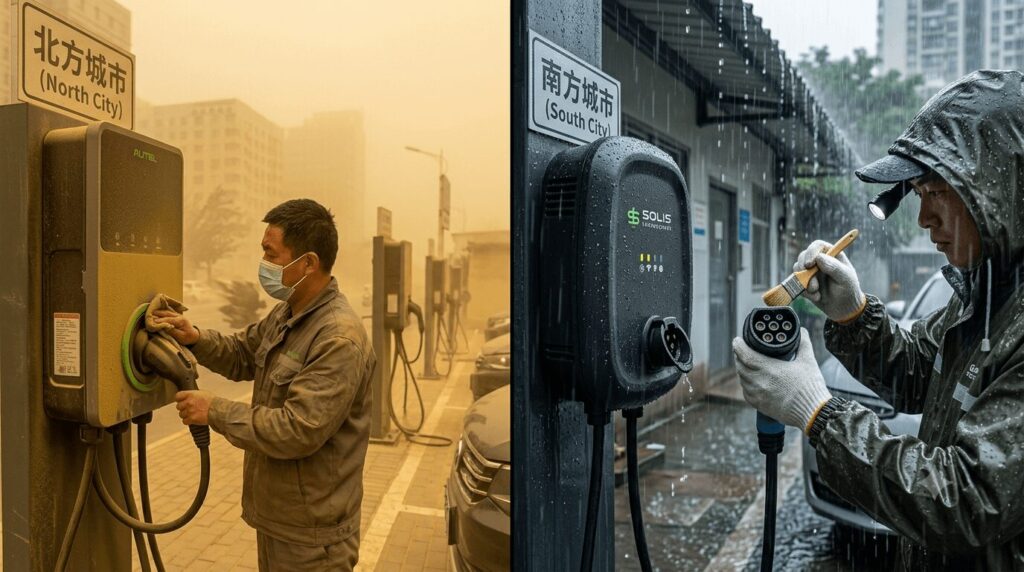
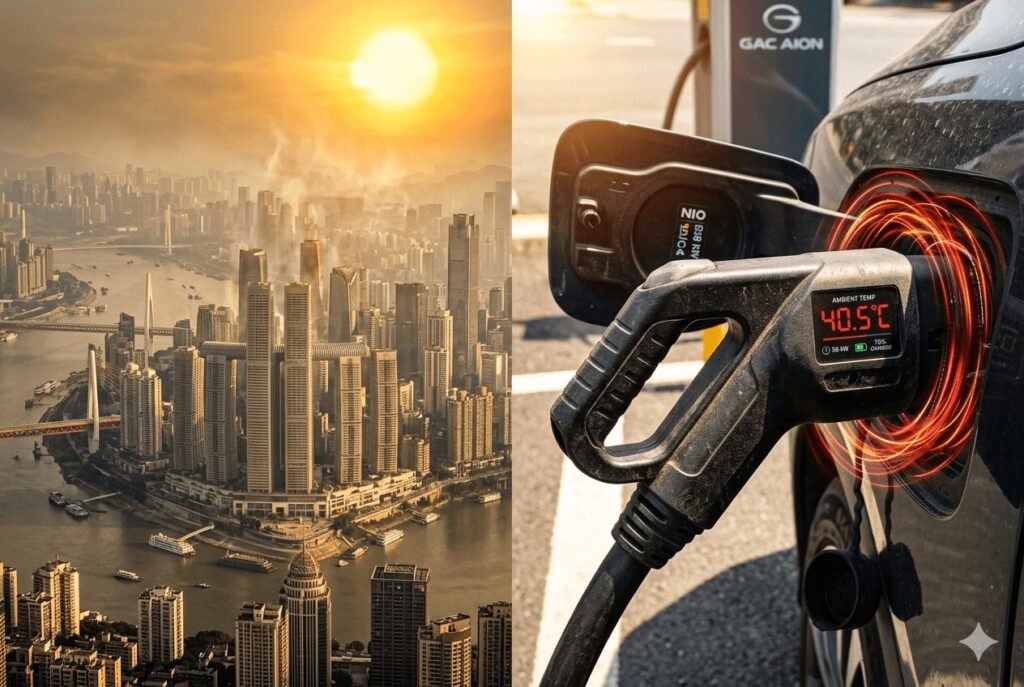
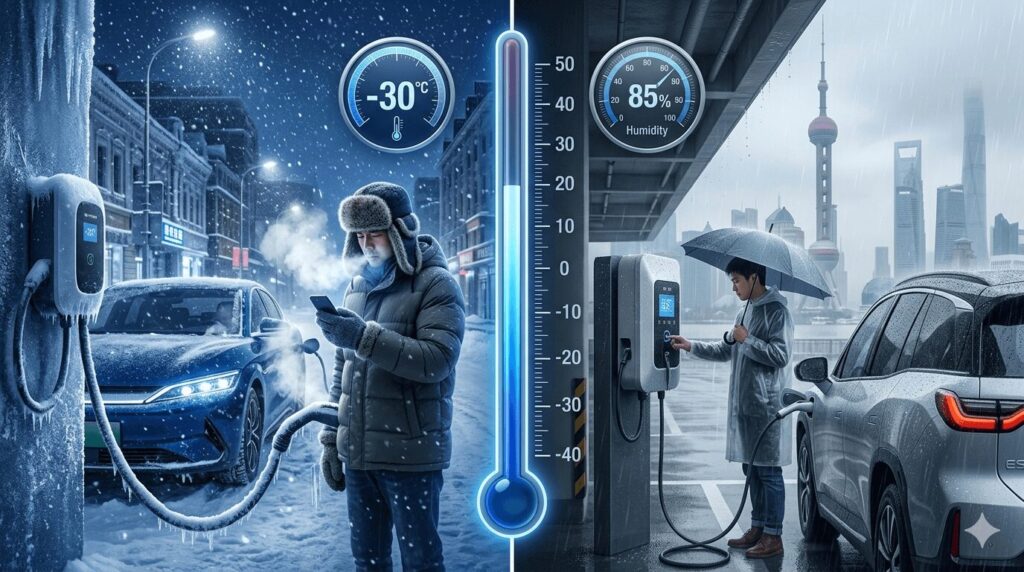
This comprehensive EV charger maintenance 2026 dust protection vs humidity resistance brand comparison reveals that IP ratings, while essential for initial purchasing decisions, represent only the starting point of a charger’s actual multi-year service life. Dust protection maintenance focuses on progressive accumulation management through periodic seal inspection, post-dust-event cleaning, and connector contact maintenance — particularly relevant for northern Chinese installations facing Beijing’s spring dust storms, Xi’an and Lanzhou’s Loess Plateau exposure, or Hohhot and Urumqi’s Gobi Desert proximity. Humidity resistance maintenance centres on corrosion monitoring and condensation-cycle awareness through connector inspection, functional verification during peak monsoon intensity, and thorough post-season assessment — specifically critical for South China’s monsoon exposure and the sustained heat-humidity combination Wuhan and Chongqing experience for months at a time.
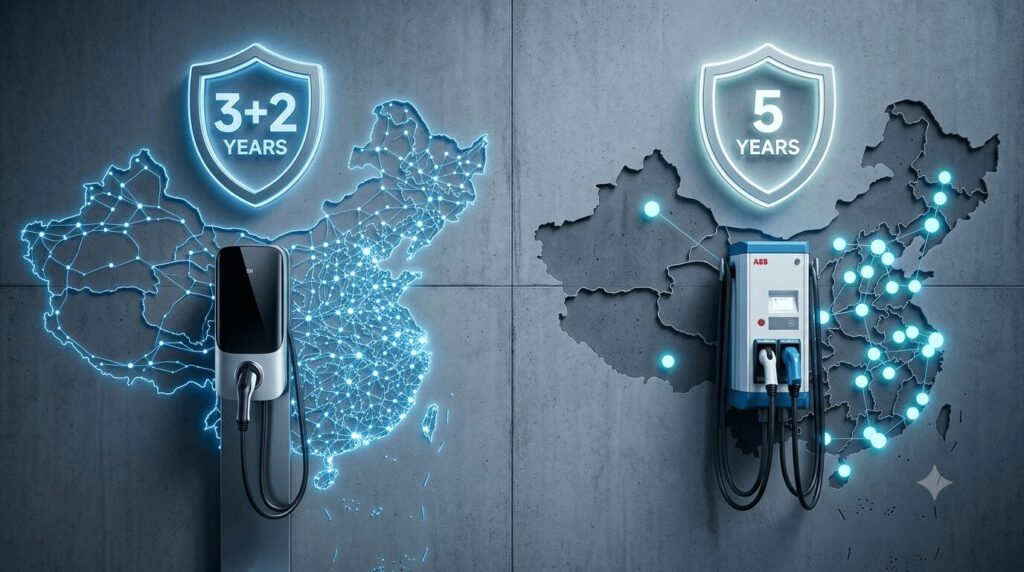
The brand comparison reveals clear differentiation: ABB Terra AC W7 and Ginlong Solis Smart demonstrate the lowest expected maintenance burden through superior seal materials and connector quality, appropriate for owners specifically prioritising minimal ongoing intervention. Autel MaxiCharger and Huawei FusionCharge provide strong maintenance characteristics at more moderate pricing, with Huawei’s ecosystem monitoring offering a distinctive early-warning advantage. StarCharge, Xiaomi, and EV manufacturer-branded chargers (BYD, NIO) provide adequate maintenance characteristics appropriately calibrated to their value positioning and covered installation scenarios.
The universal conclusion across every brand and every climate: a correctly specified charger that receives appropriate seasonal attention — the modest, periodic inspection and cleaning routines detailed throughout this guide — genuinely achieves its full intended service life. The charger that fails prematurely is rarely the charger with an inadequate IP rating from the start; it is far more often the correctly specified charger that received zero ongoing attention through years of accumulated dust, humidity cycling, and connector wear that a few hours of annual inspection would have caught and addressed before minor degradation became charger failure.
This EV charger maintenance 2026 dust protection vs humidity resistance brand comparison covers every climate-specific maintenance schedule, brand-by-brand assessment, and practical annual calendar needed to maximise your charger’s longevity — whether you’re installing in Beijing’s dust corridor, Guangzhou’s monsoon zone, or Wuhan’s furnace city heat.