Are you an EV owner in India wondering “how long until my home EV charger pays for itself?” or searching for a home EV charger ROI calculator India 2026?
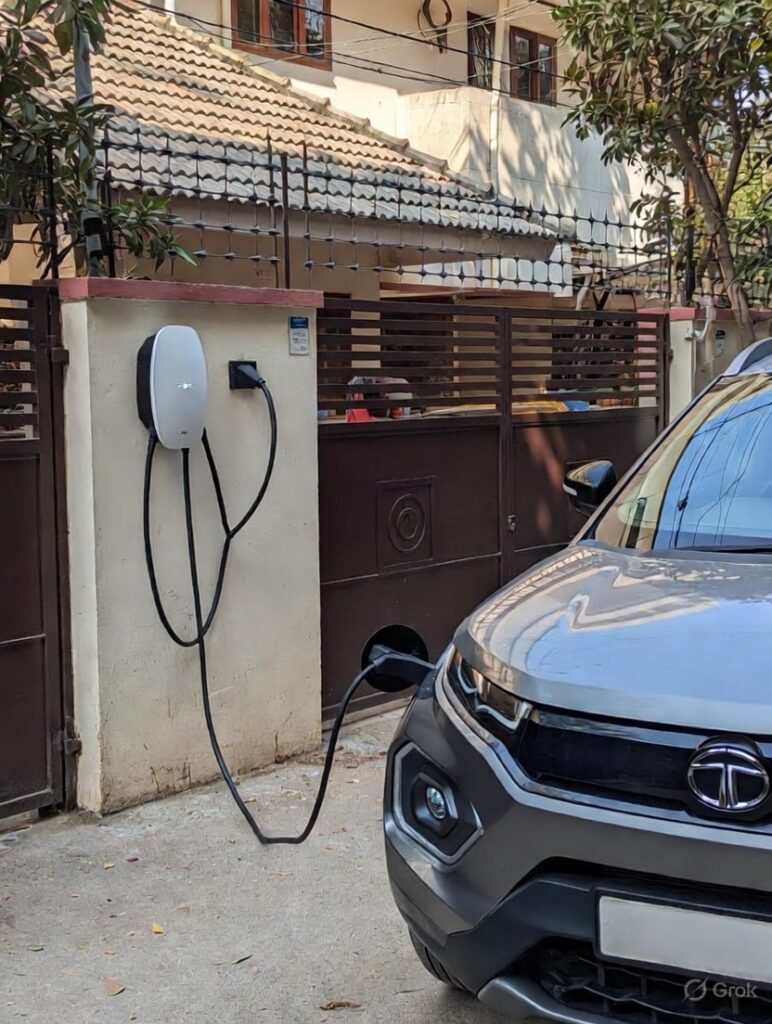
With petrol prices hovering around ₹94–₹103 per litre and public charging costing ₹12–₹18 per kWh, installing a dedicated home charger can slash your running costs dramatically. Most Indian EV owners recover their investment in 2–4 years through massive savings on electricity versus public stations (or petrol if you switched from an ICE car).
This in-depth guide for our India-based EV charging comparison website includes a simple ROI calculator for EV home charging station India, real-world examples tailored to cities like Bengaluru, Delhi, and Mumbai, and long-tail insights like “EV home charging station payback period 2026” and “best home charger for Tata Nexon EV ROI in India”. Let’s crunch the numbers so you can decide if a wallbox or portable charger makes financial sense for your daily commute.
What Does “ROI for Home EV Charger” Actually Mean in India?
ROI (Return on Investment) here is the time it takes for the savings from home charging to cover the upfront cost of the charger + installation.
Savings come mainly from:
- Home electricity at ₹5.80–₹8 per kWh (domestic tariff) vs public AC/DC at ₹12–₹18 per kWh.
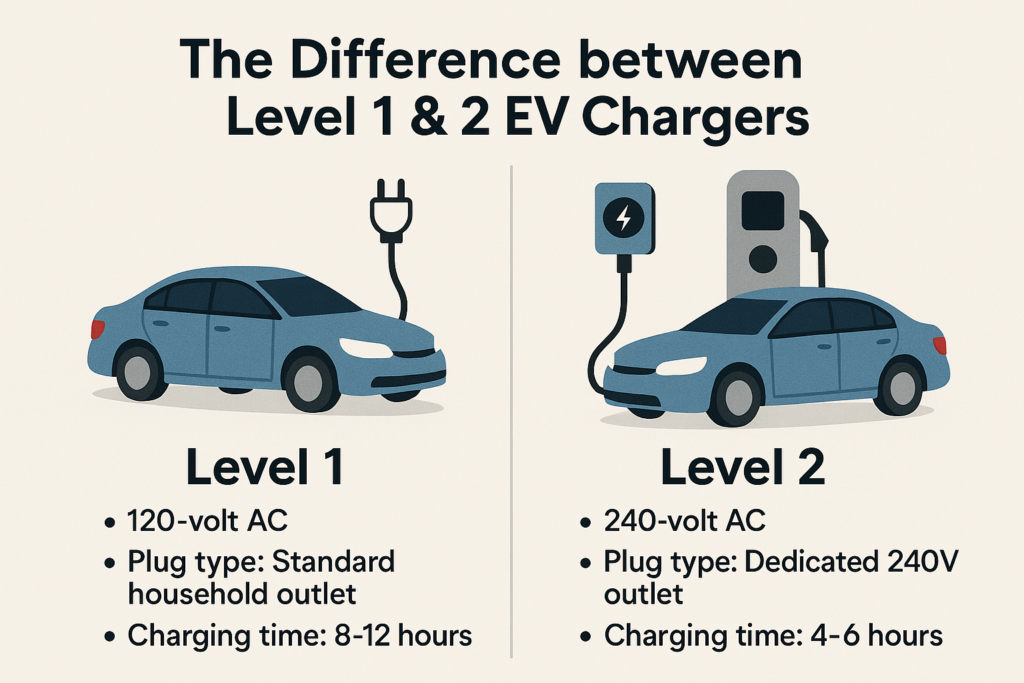
- Faster, safer charging than a standard 15A socket.
- Optional Time-of-Day (ToD) tariffs that drop night rates to ₹4.50–₹6 in many states.
Unlike public charging station ROI (which is 18–36 months for businesses), home charger payback is personal and often faster because you avoid convenience fees and waiting times.
Key Factors That Decide Your Home EV Charger Payback Period in India
Several variables affect the EV home charging station payback period 2026:
- Charger + Installation Cost
- Budget portable (3.3 kW): ₹15,000–₹30,000
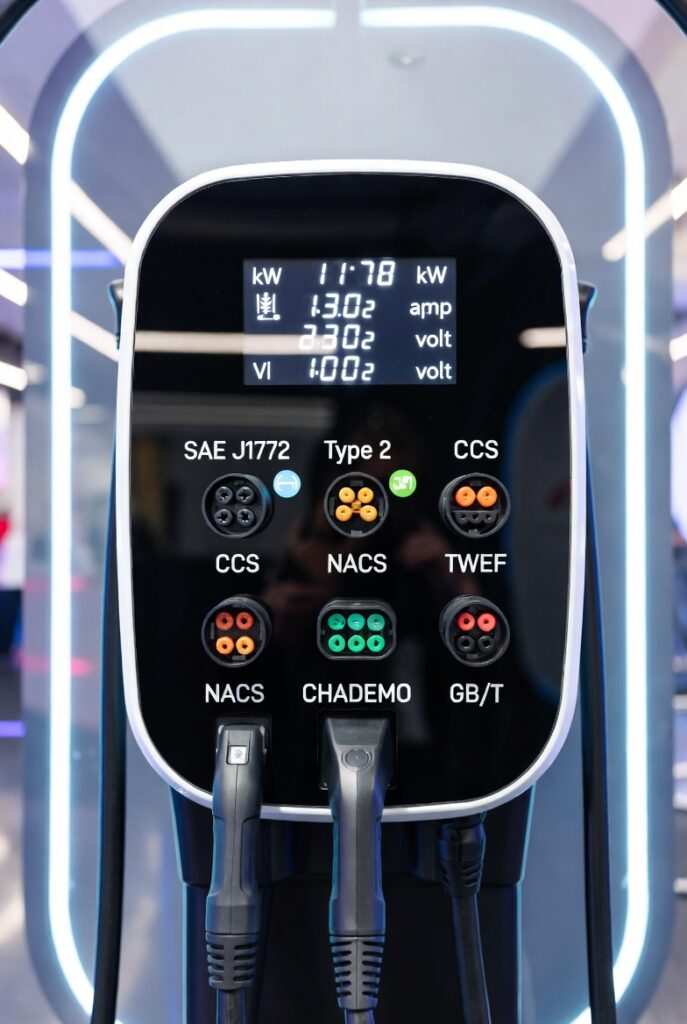
- Popular 7.4 kW wallbox (Tata Power, Bolt.Earth, Delta): ₹35,000–₹70,000
- Premium smart 11–22 kW: ₹70,000–₹1,20,000
- Installation (wiring, MCB, earthing): ₹10,000–₹30,000
Average total investment in 2026: ₹45,000–₹80,000
- Your Daily Driving Distance
Average Indian EV owner drives 40–60 km/day. Higher km = faster payback. - EV Efficiency (Real-World km/kWh)
Tata Nexon EV: ~7.5–7.8 km/kWh
MG ZS EV: ~6.7–8.1 km/kWh
Use 7 km/kWh as a safe national average. - Electricity Rates (State-Wise Variation)
- Bengaluru (BESCOM domestic): ₹5.80–₹7.74/kWh
- Delhi: ₹4.50–₹8/kWh
- Mumbai: ₹6–₹9/kWh
- Off-peak/ToD: Can drop to ₹4.50–₹6 in many states.
- Public Charging Cost You’re Avoiding
Average ₹15/kWh across India (AC + DC mix). - Incentives
Limited central subsidies in 2026, but some states (Delhi, Karnataka) offer up to ₹6,000–₹10,000 or free installation in select societies. Solar integration can cut costs further.
Free Home EV Charger ROI Calculator India 2026 (Step-by-Step Formula)
Use this simple formula or plug into Excel/Google Sheets:
Payback Period (years) = Total Cost of Charger + Installation ÷ Annual Savings
Annual Savings = Daily kWh used × (Public rate – Home rate) × 365
Daily kWh used = Daily km ÷ Efficiency (km/kWh)
Example Quick Calculator (Average User)
- Daily drive: 50 km
- Efficiency: 7 km/kWh → 7.14 kWh/day
- Home rate: ₹7/kWh → ₹50/day
- Public rate: ₹15/kWh → ₹107/day
- Daily savings: ₹57
- Annual savings: ₹20,805
- Charger cost: ₹60,000
Payback: 2.9 years (then pure profit!)
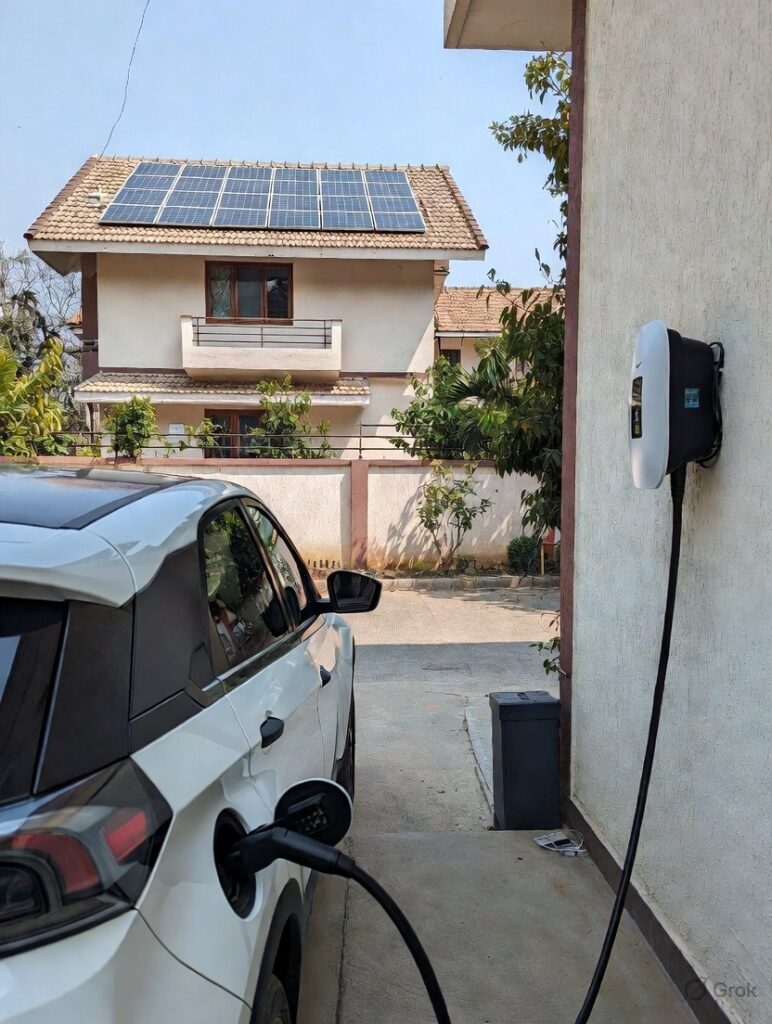
Real-World ROI Examples: How Long Until Your Home Charger Pays for Itself?
Here are 2026 scenarios based on popular Indian EVs and cities:
Scenario 1: Bengaluru Tata Nexon EV Owner (50 km/day commute)
- Charger: 7.4 kW smart wallbox – ₹55,000 total
- BESCOM rate: ₹6.50/kWh (average slab)
- Efficiency: 7.5 km/kWh → 6.67 kWh/day
- Public alternative: ₹15/kWh
- Annual savings: ₹21,900
Payback: 2.5 years
Perfect for our Bengaluru readers!
Scenario 2: Delhi MG ZS EV Owner (40 km/day)
- Charger: ₹65,000 (with possible ₹6,000 subsidy)
- Home rate: ₹6/kWh
- Annual savings: ₹17,500
Payback: 3.4 years (or 3.1 years with subsidy)
Scenario 3: Mumbai Family with 70 km/day
- Charger: ₹75,000 premium
- Home rate: ₹8/kWh
- Annual savings: ₹28,500
Payback: 2.6 years
Scenario 4: Low Usage (25 km/day, portable charger)
- Cost: ₹25,000
- Savings: ₹11,000/year
Payback: 2.3 years — still worth it!
Top Home EV Chargers in India 2026 – ROI Comparison Table
We compared popular models available on our site (prices as of Feb 2026, inclusive of basic installation):
| Charger Model | Type & Speed | Price (₹) | Best For | Estimated Payback (50 km/day) | Key Feature |
|---|---|---|---|---|---|
| Bolt.Earth Lite/Pro | 3.3–7.4 kW AC | 25,000–40,000 | Budget & apartments | 2.0–2.5 years | App control, portable option |
| Tata Power EZ Charge Wallbox | 7.4 kW AC | 45,000–60,000 | Tata Nexon/MG owners | 2.3–2.8 years | Solar ready, ToD scheduling |
| Delta / ABB Wallbox | 11–22 kW AC | 65,000–85,000 | Fast home charging | 2.8–3.2 years | OCPP smart, load balancing |
| Magenta Power / Exicom | 7.4 kW Smart | 50,000–70,000 | Societies & Bengaluru | 2.5 years | RWA-approved, WiFi |
(Pro tip: Check our full home EV charger comparison India page for latest deals and user reviews.)
Tips to Shorten Your Home Charger Payback Period Dramatically
- Charge during off-peak/ToD hours (10 PM–6 AM) → extra 20–30% savings.
- Add rooftop solar → payback under 2 years in sunny states.
- Choose smart chargers with app scheduling and load management.
- Install in apartments via RWA-shared models (zero upfront in many societies).
- Claim any state incentives before they change.
Is a Home EV Charger Worth It in India in 2026?
Absolutely yes for anyone driving more than 30 km/day. After payback, you enjoy ₹1–₹1.50 per km running cost versus ₹6–₹7 for petrol equivalents. Plus, faster overnight charging, zero range anxiety, and increased property value.
Even with lower daily usage, the convenience and safety of a proper Type-2 charger (vs risky 15A socket) make it a smart long-term investment.
FAQ: Home EV Charger ROI India 2026
Q1. What is the average payback period for home EV charger in India?
2–4 years depending on usage and city.
Q2. Can I get subsidy for home charger installation 2026?
Limited (₹6,000 in Delhi, some Karnataka societies). Check state EV policies.
Q3. Which is better – portable or wallbox for ROI?
Wallbox (7.4 kW) for daily users; portable for low mileage/apartments.
Q4. How does home charging compare to public stations financially?
Home is 40–60% cheaper per kWh.
Ready to calculate your exact ROI? Drop your daily km, city, and EV model in the comments or visit our EV home charger comparison tool to find the perfect model with fastest payback.
Switch to home charging today and start saving thousands every month. Your wallet (and the planet) will thank you!
Last updated: February 2026. Electricity rates and prices are indicative; always verify with local DISCOM and charger vendors. For personalised ROI calculation, contact our experts or use the free calculator template on our site.