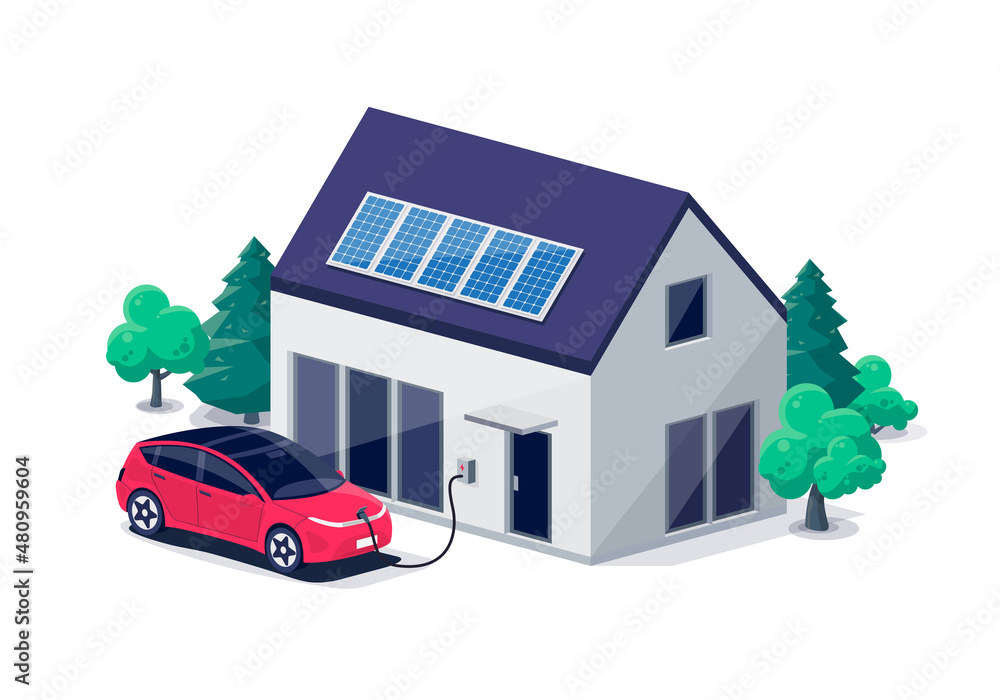
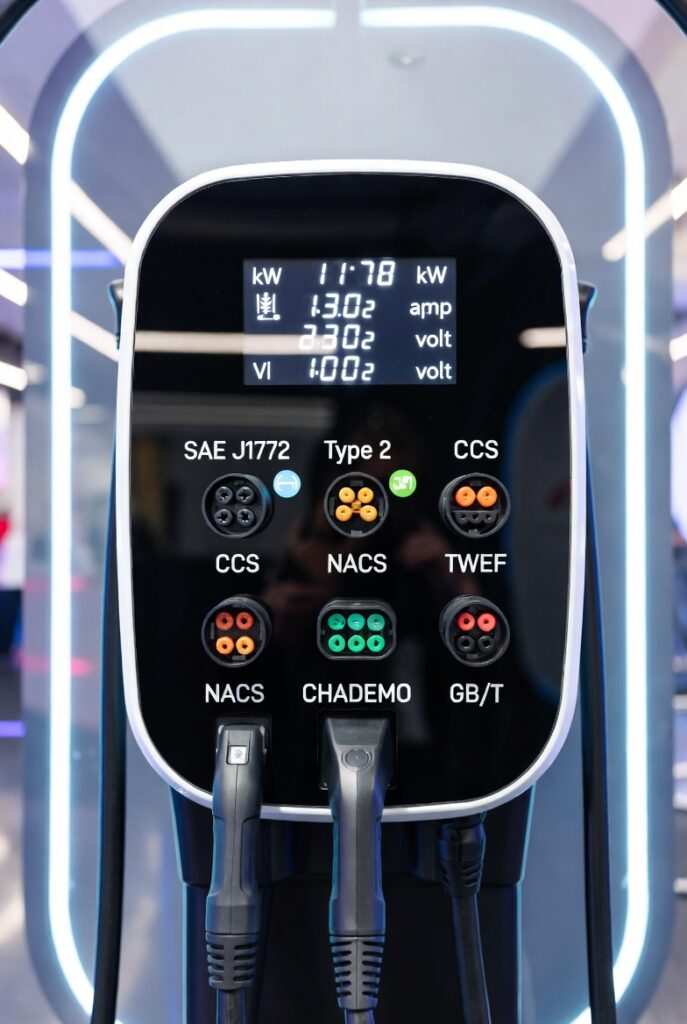
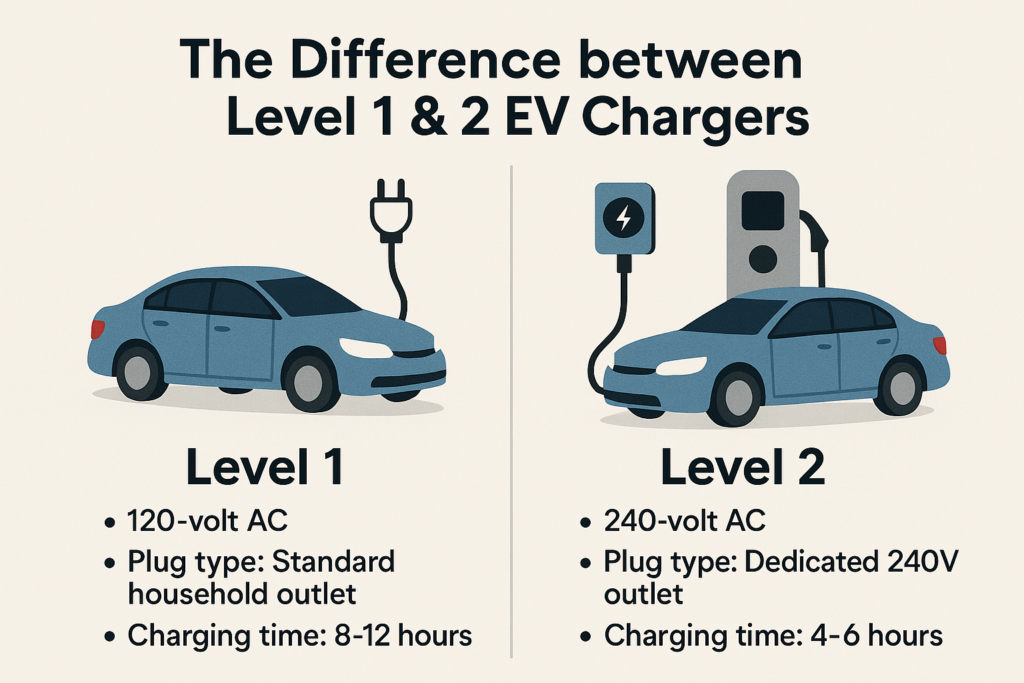
As electric vehicles (EVs) continue to surge in popularity across India, with millions of new registrations expected by 2026, home charging has become a necessity for many urban and suburban households. However, integrating an EV charger into your home’s electrical system can lead to overloads, especially in older buildings or during peak usage hours. This is where load management systems for home EV chargers in India come into play, offering smart solutions to balance electrical use efficiently. These systems not only prevent blackouts but also optimize energy consumption, making them ideal for cost-conscious Indian families looking to adopt sustainable mobility without expensive upgrades.
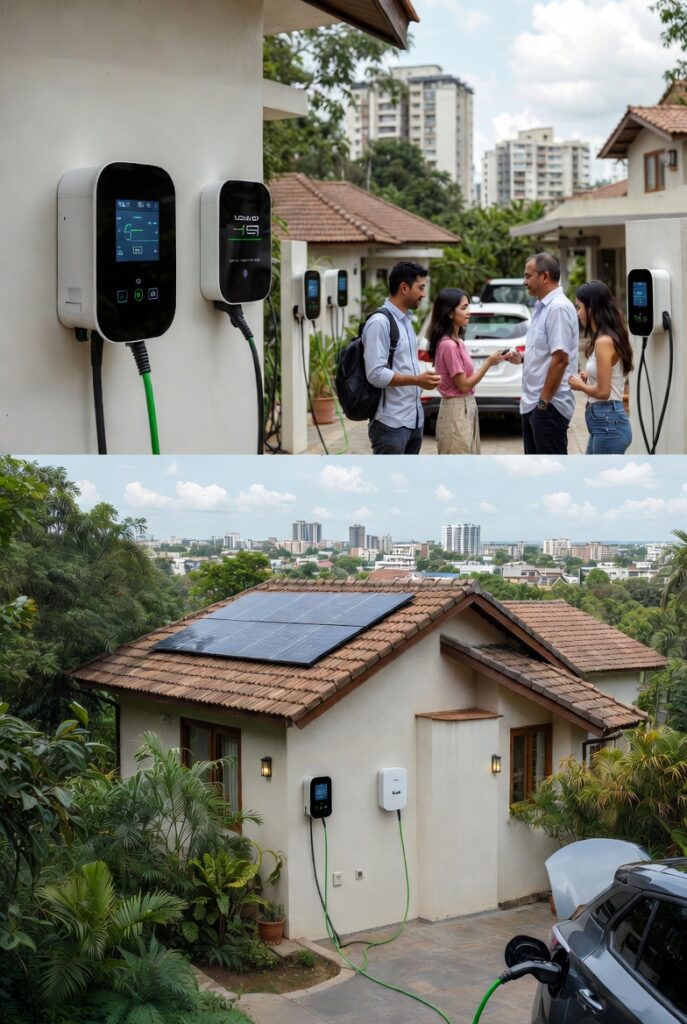
In this comprehensive guide, we’ll explore dynamic load balancing EV chargers for Indian homes, their benefits, top options available in the market, and tips for installation. Whether you’re in Bengaluru, Mumbai, or any other city, understanding these technologies can help you choose the best smart EV chargers with load management features to suit your needs.
What Are Load Management Systems in EV Charging?
Load management systems, often referred to as load balancing or sharing technology, are intelligent features built into modern EV chargers. They monitor your home’s overall electrical load in real-time and adjust the charging speed accordingly to avoid exceeding your grid connection’s capacity. For Indian homes, where power supplies can be inconsistent and tariffs vary by time of day, these systems are particularly valuable.
At its core, a load management system ensures that your EV charger doesn’t compete with other high-power appliances like air conditioners, geysers, or kitchen equipment. Instead, it dynamically allocates power, reducing the risk of tripped breakers or costly electrical panel upgrades. This technology is especially relevant for home EV charging load management systems in India, where many residences operate on limited 63A or lower connections.
How Dynamic Load Balancing Works for EV Chargers
Dynamic load balancing (DLB) is an advanced form of load management that goes beyond static limits. It uses sensors, software, and sometimes integration with smart meters to continuously assess available power. Here’s a step-by-step breakdown:
- Monitoring: The charger connects to your home’s energy meter or uses current transformers to track total electricity usage.
- Adjustment: If household demand spikes (e.g., when running multiple appliances), the charger reduces its output from, say, 22 kW to 7 kW or lower.
- Prioritization: In multi-charger setups, power is shared equally or based on user-defined priorities.
- Integration: Many systems sync with solar panels, drawing excess renewable energy first to minimize grid reliance.
For instance, in a typical Indian household with a 63A supply, DLB can ensure your EV charges at optimal speeds during off-peak hours while scaling back during dinner time when lights, fans, and cooking appliances are in use. This prevents overloads and supports EV charger load sharing for energy efficiency in Indian households.
Key Benefits of Load Management Systems for Indian Homes
Adopting dynamic load management in home EV charging India offers numerous advantages, tailored to the unique challenges of Indian electricity grids. Here are the top benefits:
- Prevents Electrical Overloads and Upgrades: Avoid expensive panel expansions by intelligently managing power draw, crucial for homes in cities like Delhi or Chennai with aging infrastructure.
- Cost Savings on Electricity Bills: By shifting charging to off-peak times or integrating with solar, you can reduce demand charges and tariffs, potentially saving 20-30% on energy costs.
- Enhanced Grid Stability: Helps balance national grid demands, especially during India’s hot summers when AC usage peaks, contributing to overall energy efficiency.
- Solar Integration: Many systems prioritize solar-generated power, making them perfect for eco-friendly Indian homes with rooftop PV setups.
- Scalability for Multiple EVs: Ideal for families with two or more vehicles, allowing simultaneous charging without strain.
- Improved User Experience: Faster charging when possible, with app-based monitoring for convenience.
These features make best EV chargers with load balancing for preventing overloads in India a smart investment for long-term savings and reliability.
Top EV Chargers with Load Management Features in India 2026
Based on current market trends and innovations projected for 2026, here are some of the best smart EV chargers with energy balancing in Indian households. We’ve selected options from leading brands that offer dynamic load management, compatibility with Indian standards (like ARAI and CCS2), and nationwide support.
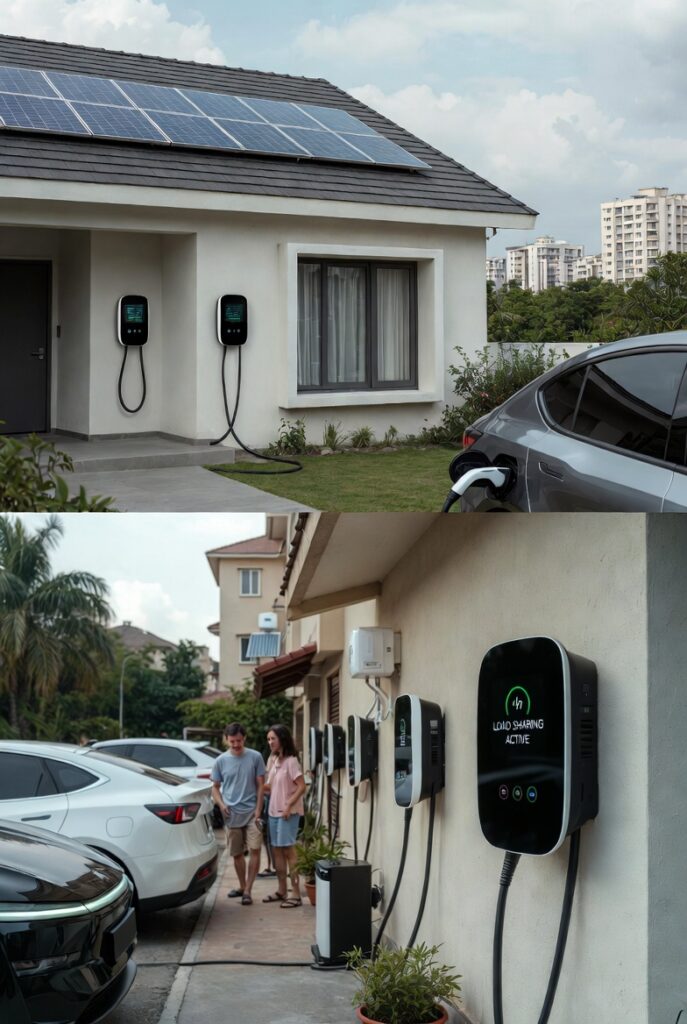
1. Bolt.Earth Smart Home Charger
- Power Output: Up to 22 kW (AC)
- Key Features: Dynamic load balancing, app-based scheduling, solar integration, OCPP compliance.
- Best For: Urban apartments in Bengaluru or Mumbai.
- Price Range: ₹50,000 – ₹80,000
- Why Choose It?: Affordable and scalable, with a vast network for public charging fallback.
2. Exicom Spin AC Charger
- Power Output: 7.4 kW to 22 kW
- Key Features: Dynamic load management, remote app control, solar-ready, multi-user sharing.
- Best For: Villas in Hyderabad or Pune with solar setups.
- Price Range: ₹60,000 – ₹1,00,000
- Why Choose It?: Eco-friendly with intelligent energy sharing for households.
3. Victron EV Charging Station (Three-Phase)
- Power Output: Up to 22 kW
- Key Features: Seamless inverter integration, dynamic balancing, full solar-driven mode.
- Best For: Premium residences in Bangalore or Chennai.
- Price Range: ₹70,000 – ₹1,20,000
- Why Choose It?: Excellent for off-grid or hybrid solar homes.
4. Enphase IQ Bidirectional EV Charger (Launching 2026)
- Power Output: Adjustable up to 11 kW (bidirectional)
- Key Features: AI-powered balancing, V2G support, panel overload prevention.
- Best For: Future-proof homes in Delhi or Kolkata.
- Price Range: ₹80,000 – ₹1,50,000
- Why Choose It?: Bidirectional tech allows selling excess power back to the grid.
5. Tata Power EZ Charge Home
- Power Output: 7.4 kW to 22 kW
- Key Features: Load balancing, RFID access, nationwide service.
- Best For: Pan-India users with reliable support.
- Price Range: ₹45,000 – ₹90,000
- Why Choose It?: Backed by India’s largest network for seamless integration.
For a quick comparison:
| Brand | Power Output | Key Load Management Feature | Price Range (₹) | Solar Integration |
|---|---|---|---|---|
| Bolt.Earth | Up to 22 kW | App-based dynamic sharing | 50k-80k | Yes |
| Exicom | 7.4-22 kW | Intelligent load adjustment | 60k-100k | Yes |
| Victron | Up to 22 kW | Inverter-synced balancing | 70k-120k | Advanced |
| Enphase | Up to 11 kW | AI overload prevention | 80k-150k | Yes |
| Tata Power | 7.4-22 kW | Grid spike reduction | 45k-90k | Partial |
Installation and Costs for Load Management EV Chargers in India
Installing a home EV charger with load balancing systems in India typically costs ₹10,000-₹30,000, depending on wiring needs and location. Factor in a professional electrician to assess your panel (e.g., via BIS-certified services). Government incentives under FAME-III may subsidize up to 50% for smart chargers. In cities like Bengaluru, providers like ElectreeFi offer end-to-end setup with CMS integration. Always check for ARAI certification to ensure safety.
FAQs on Load Management Systems for EV Chargers in India
What is the best EV charger with dynamic load management for small Indian apartments?
Bolt.Earth or Tata Power models are compact and efficient for limited spaces.
How does load management help with solar EV charging in India?
It prioritizes solar power, reducing grid dependency and bills.
Is load balancing necessary for all home EV chargers in India?
Not always, but it’s essential if your home has a low-amp supply or multiple high-load devices.
Can I install multiple EV chargers with load sharing in my Indian home?
Yes, systems like TelioEV support up to 4 chargers with balanced power distribution.
What are the long-term savings from using load management EV chargers in India?
Expect 15-25% reductions in energy costs through off-peak optimization and overload prevention.
Conclusion: Embrace Efficient EV Charging with Load Management
As India accelerates towards an electric future, best load management systems for balancing home electrical use with EV chargers are no longer a luxury—they’re a smart necessity. By choosing options like those from Bolt.Earth, Exicom, or Tata Power, you can enjoy seamless, cost-effective charging while contributing to a greener grid. For personalized comparisons on our EV charging website, explore our tools to find the perfect fit for your home. Drive sustainably, charge smartly!