EV charging

Tesla Wall Connector vs ChargePoint Home Flex: Detailed Showdown (2026 Guide)

Tesla Wall Connector vs ChargePoint Home Flex 2026: Compare speed, cost, solar integration & compatibility for Indian homes. Best Level 2 charger for Tesla & non-Tesla EVs in Bengaluru!”
Slightly longer teaser version (for article intro, social shares, or rich snippet):
“Tesla Wall Connector or ChargePoint Home Flex — which home EV charger wins for Indian owners in 2026? Compare max power (up to 11.5 kW vs 12 kW), smart features, installation, solar compatibility, and real savings on BESCOM tariffs. Perfect for Tesla Model 3/Y, Tata Nexon EV, MG ZS EV users in Bengaluru and beyond. Find out which delivers faster, greener charging today!
EV charging

Wall-Mounted vs Portable EV Chargers: Which is Right for Your Home in India? (2026 Guide)

Wall-mounted or portable EV charger for your Indian home? Compare speed, cost, installation & solar compatibility for Bengaluru owners in 2026. Save big on Tata Nexon, MG ZS & more!
Confused between wall-mounted and portable EV chargers in India? This 2026 guide compares installation costs, charging speeds, portability, and solar integration for homes in Bengaluru. Discover the best option for your Tata Nexon EV, MG ZS EV or daily commute – and start saving on electricity today!

EV charging

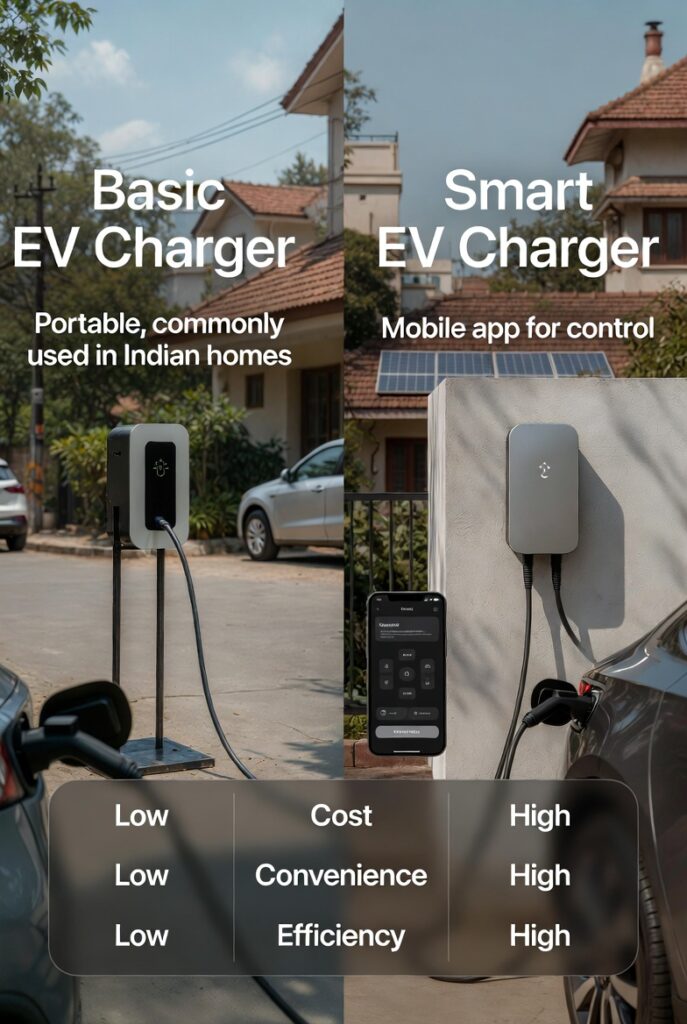
Smart Chargers vs Basic Chargers: Are Advanced Features Worth It?

Planning to buy an EV charger for your home in Bengaluru? Compare smart EV chargers vs basic chargers in India 2026 — cost, features, savings, and solar integration. Smart chargers (Tata Power, Bolt.Earth, Exicom) offer app scheduling, off-peak ToD tariff optimization, load balancing for apartments, and rooftop solar priority — saving ₹8,000–₹20,000+ annually in Karnataka. Basic portable chargers are cheaper (₹10k–₹30k) but miss long-term efficiency. Discover which is worth it for Tata Nexon EV, MG ZS EV, or Mahindra e-Verito owners in Bengaluru’s rising solar & variable tariff landscape.

EV charging

2026 Home EV Charger Installation Cost in India FOR BEST SAVINGS – Level 2, Rebates & More

As electric vehicles gain momentum across Maharashtra and India in 2026, installing a home charger has become a practical step toward clean, cost-effective driving. But how much does it really cost?
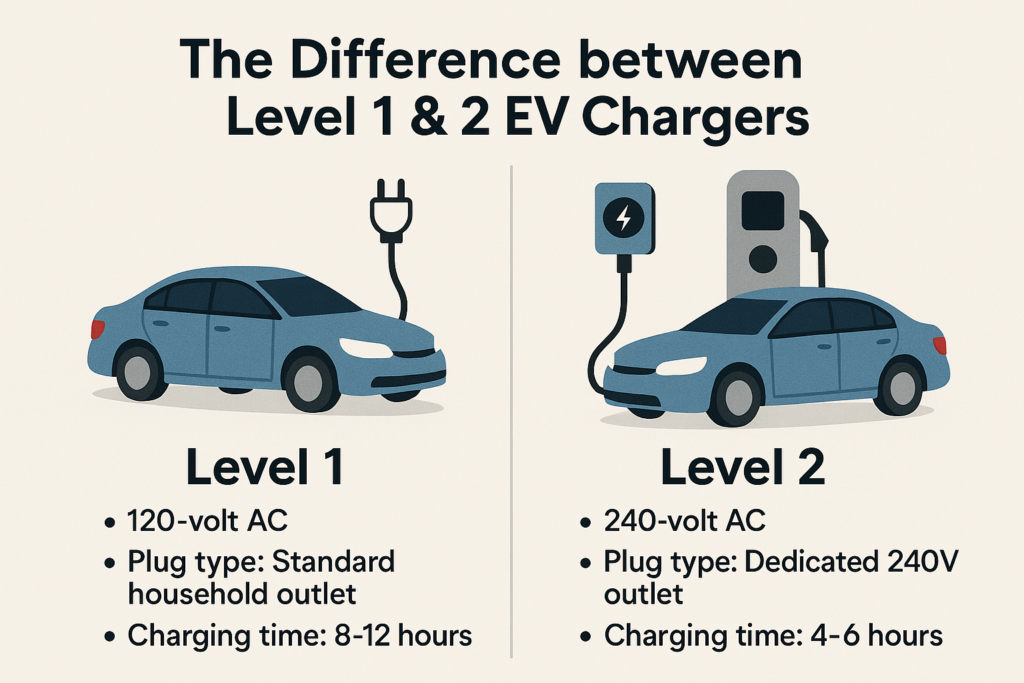
Level 1 setups using standard outlets start as low as ₹5,000–₹15,000 (often with minimal or no installation), while popular Level 2 chargers—delivering fast overnight charging—typically range from ₹40,000 to ₹1,50,000 including wiring, permits, and electrician fees. Major electrical panel upgrades or longer cable runs can push totals higher, but government incentives and state schemes help offset expenses significantly.
In this detailed cost breakdown, explore real 2026 figures for different charger types, key factors affecting your quote, and smart ways to save—whether you’re in Navi Mumbai, Artist Village, or beyond. Pair it with solar for even greater savings on your clean energy journey!

EV charging

Top 10 Home EV Chargers in India 2025: Best Picks & Side-by-Side Comparison

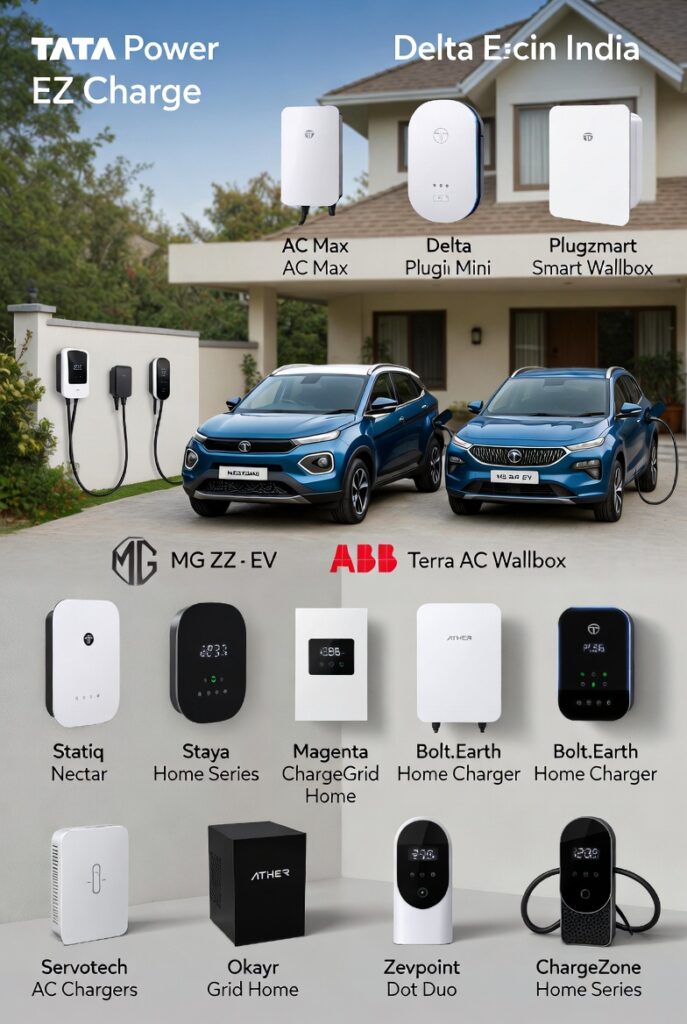
India’s EV revolution is here! In 2025, home charging is the smartest way to power your Tata Nexon EV, MG ZS EV, Mahindra BE 6e, BYD Atto 3 or Ather scooter. Compare the top 10 home EV chargers available in India – from reliable 7.4 kW wallboxes by Tata Power and Delta Electronics to budget-friendly made-in-India options like Plugzmart and Statiq. See prices (₹20,000–₹1,20,000), smart app features, Type 2 compatibility, and real-user insights to pick the perfect Level 2 AC charger for overnight charging in Mumbai, Delhi, Bengaluru or your city.

EV charging

Complete Beginner’s Guide to EV Charging: Types, Speeds & Terminology

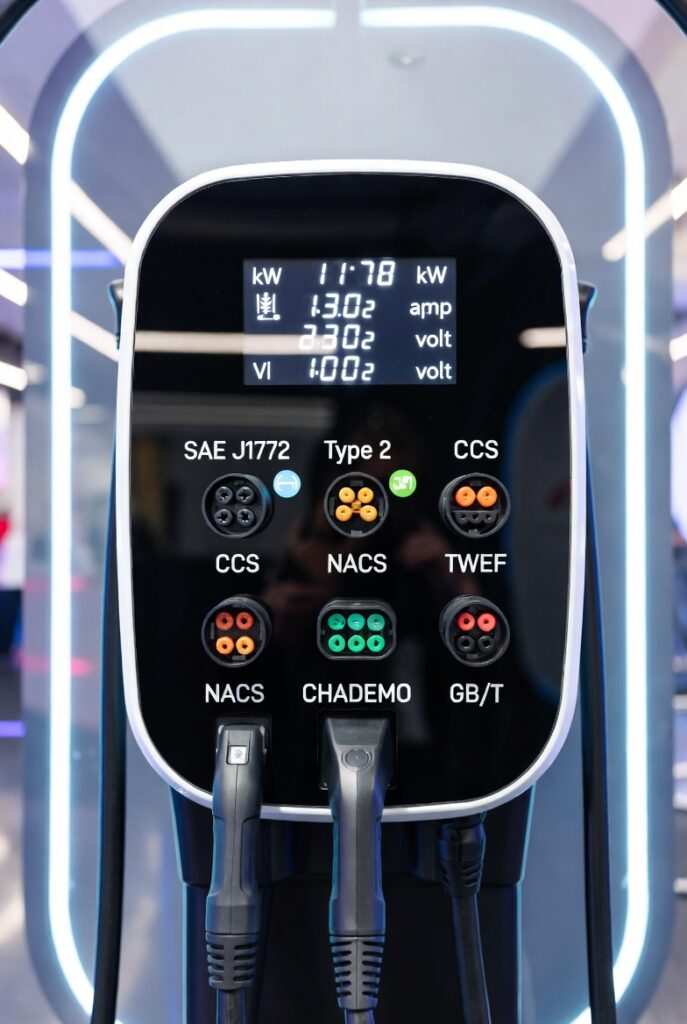
“New to EVs in India? Learn the basics of charging: AC vs DC, slow vs fast speeds, Type 2 & CCS2 connectors, and key terms — your stress-free guide starts here! ⚡🌿”
Longer Teaser Excerpt (for blog previews or social posts ~100-120 words):
Confused about EV charging in India? Whether you’re eyeing a Tata Nexon EV or MG ZS EV, this beginner’s guide breaks it all down simply.
Discover the difference between AC (home-friendly, overnight) and DC fast charging (quick highway top-ups), typical speeds in km/hour, the most common connectors like Type 2 and CCS2, plus essential terms like kWh, SoC, and charging curves.
No more range anxiety — just clear, up-to-date info tailored for Indian EV owners in 2026!
Ready to charge smarter? Dive in now. ⚡

Scroll to Top