As of March 2026, India’s electric vehicle (EV) market continues its impressive upward trajectory, even amid seasonal fluctuations and global supply chain pressures. With cumulative EV registrations crossing 23.75 lakh units from March 2025 to February 2026 (excluding Telangana and low-speed e-2Ws), the sector is firmly on track toward ambitious targets like 30% penetration by 2030 and 22 million cumulative sales by 2035. For Mumbai commuters and buyers across India searching for EV sales trends India February 2026 or best EV charging options Mumbai 2026, this article breaks down the latest data, highlights top-performing models, and explains how robust charging access is now the biggest enabler of sustained growth.
Passenger EV retail sales showed strong resilience in the first two months of 2026: ~18,470–19,096 units in January (+55% YoY) and ~13,733 units in February (+44% YoY), despite a sequential dip typical of post-festive slowdowns. Two-wheeler EVs maintained momentum with over 1.22 lakh units in January alone, while overall retail volumes reached ~1.93 lakh in February. These figures underscore a maturing market where affordability, incentives, and infrastructure are converging to drive adoption.
February 2026 EV Sales Snapshot: Leaders, Growth Drivers, and Segment Breakdown
Tata Motors solidified its dominance, but competition intensified:
- Tata Motors led passenger EVs with 5,558–5,568 units in February (+38–39% YoY), capturing ~40–41% market share. Models like the Tata Punch EV (recent facelift boosting appeal) and Nexon EV remain favorites for urban buyers seeking range and features under ₹15 lakh.
- Mahindra posted explosive growth: 2,913 units (+473% YoY), driven by the XUV400 and emerging XEV 9e lineup targeting premium family buyers.
- MG Motor held second place with ~3,312 units, while brands like BYD and VinFast gained ground in the premium segment.
| Segment | Feb 2026 Sales | YoY Growth | Key Models Driving Demand |
|---|---|---|---|
| Passenger EVs | ~13,733 | +44% | Tata Punch EV, Nexon EV, Mahindra XUV400 |
| Two-Wheelers EVs | Strong hold | +25% est. | Ola S1 Pro, Ather 450X, TVS iQube |
| Total Retail (excl. low-speed) | ~1.93 lakh | +28% YoY (Jan context) | Mixed segments pushing penetration to 3.6–4% |
For those querying top selling electric cars India February 2026, Tata’s affordable Punch EV facelift and Mahindra’s aggressive pricing are cracking the budget segment—where only ~1.6% of sub-₹13 lakh cars were EVs previously.
The Charging Infrastructure Reality Check: Progress in 2026 and Gaps to Close
EV sales growth hinges on accessible charging. As of early 2026:
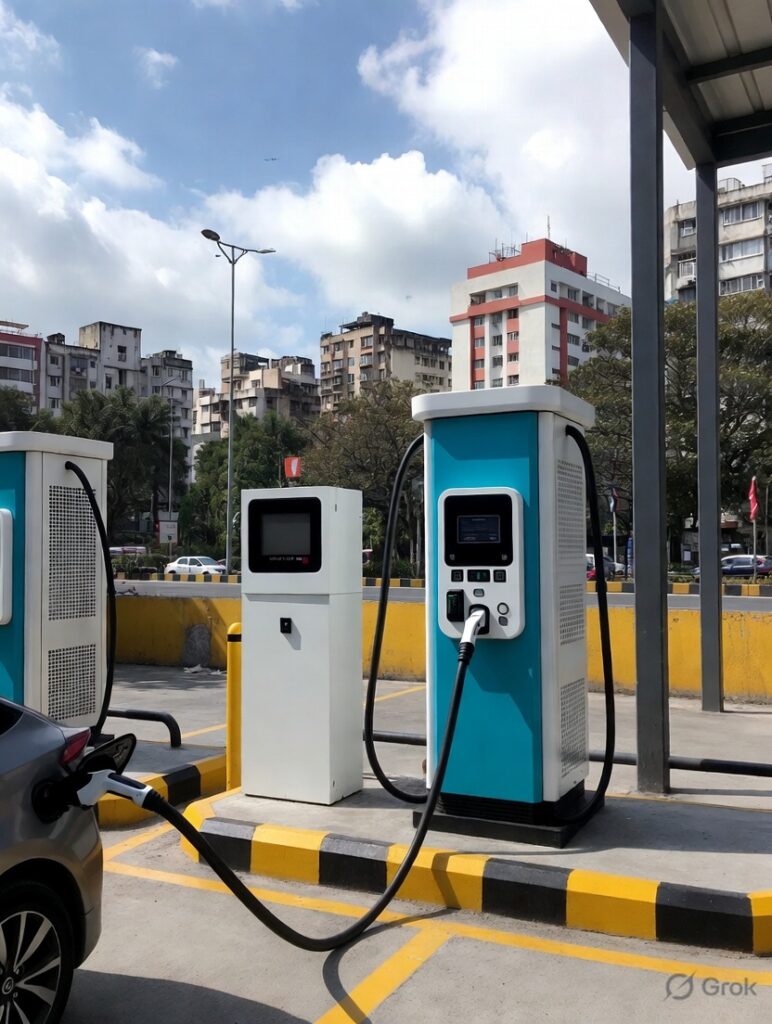
- Public stations have grown rapidly (~29,000+ operational nationwide by mid-2025, with continued expansion into 2026).
- Key hotspots: Delhi (~1,845–8,998 points, still short of the ~36,000 needed), Maharashtra (~660+), Karnataka (~704).
- Highway coverage improving (e.g., 419 points along major NHs like NH-44 and NH-16).
- Battery swapping networks (Battery Smart, VoltUp) now cover 25–50 cities with 650+ stations each, easing range anxiety for two-wheelers.
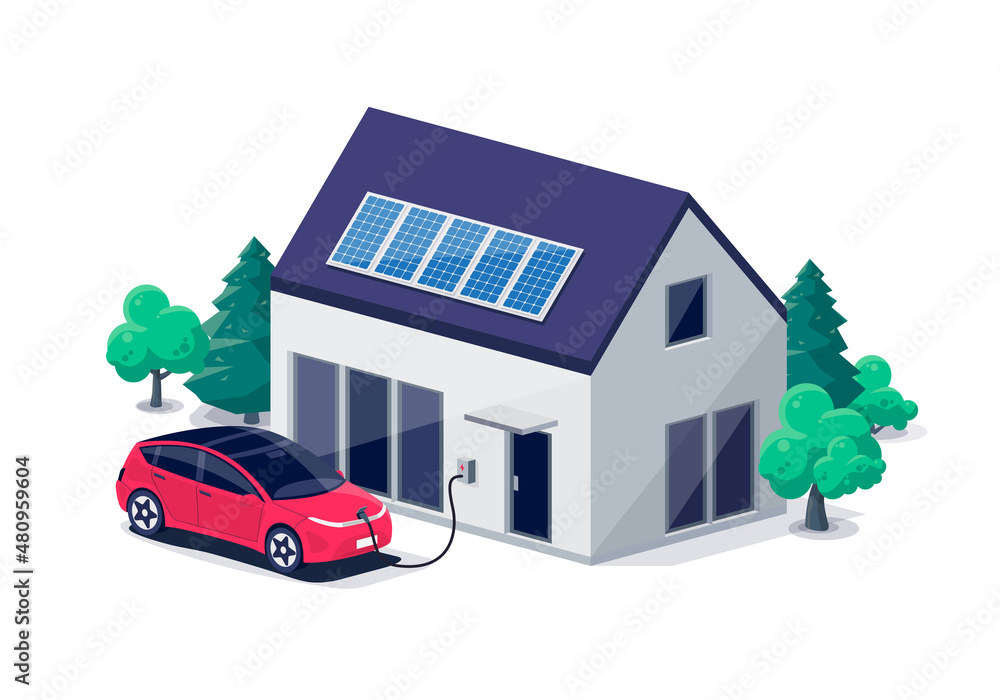
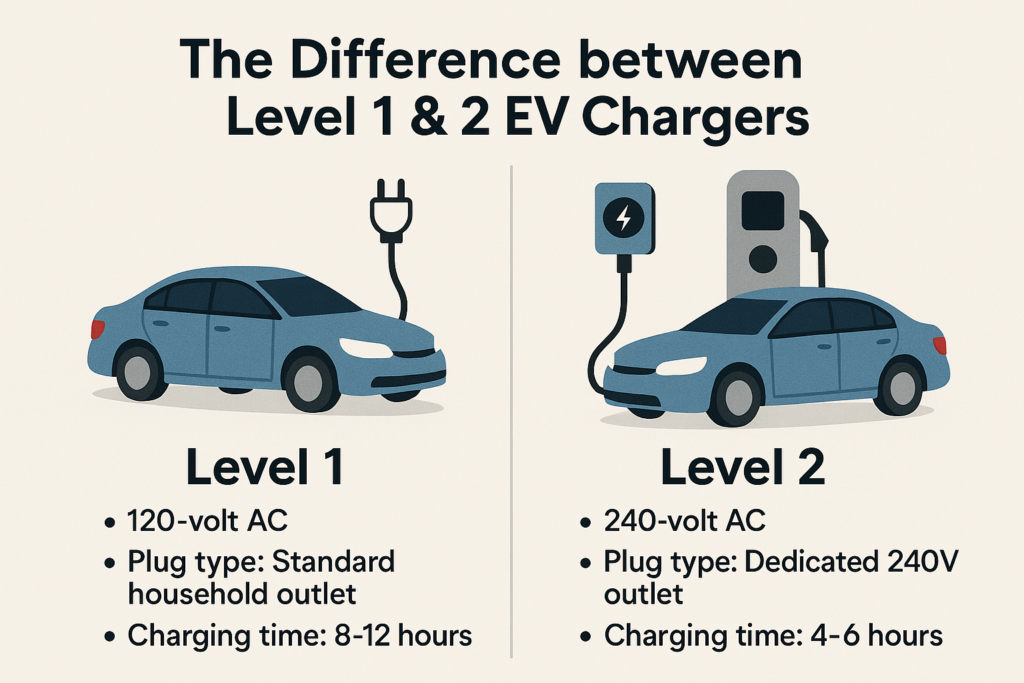
Despite this, India needs 1.3 million+ public chargers by 2030 to match projected adoption. In Mumbai, urban density and traffic make home (7–22 kW wallboxes) and workplace charging critical, while public fast chargers (50–150 kW) along highways reduce downtime for inter-city trips.
Recent policy pushes—like expanded PLI for batteries, performance-based incentives under PM e-drive (minimum 80 km range, regen braking), and potential Budget 2026 boosts for localisation and fast-charging—signal faster infrastructure rollout.
Why Now Is the Ideal Time to Compare and Choose Your EV Charger
With EV adoption accelerating India 2026 and models like the Tata Punch EV making electrification affordable, reliable charging is no longer optional—it’s the deciding factor. Home setups save time and money (₹0.15–0.20/km running cost), while public networks from Tata Power, Statiq, or Zeon handle longer journeys.
At Clean Energy Bazaar, our free comparison tool lets you filter by:
- Location (e.g., EV charging stations Mumbai comparison 2026)
- Speed (AC vs. DC fast)
- Cost per kWh
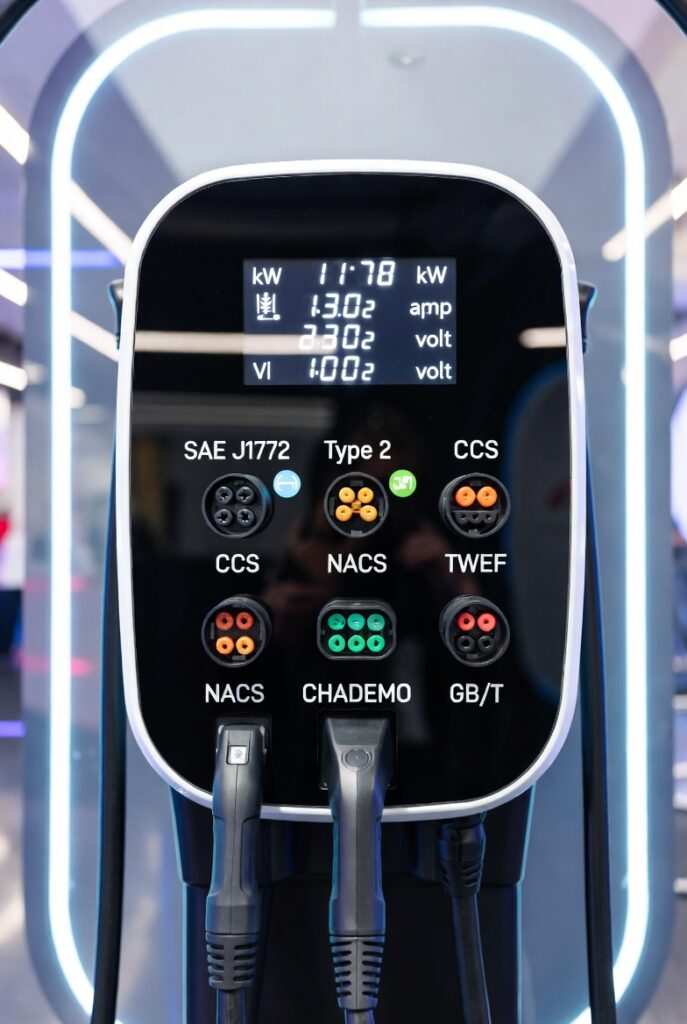
- Compatibility (CCS2, Type-2 for your model)
Input your pincode and EV (Tata Nexon EV, Ola S1 Pro, etc.) to find the best fit. Compare Chargers Now and join the millions shifting to electric in 2026.
Last updated March 7, 2026. Subscribe for monthly EV sales updates, charging network expansions, and Mumbai-specific tips.