In an era where electric vehicles (EVs) are poised to transform India’s transportation landscape, global events like the ongoing Middle East conflict—particularly the intensifying Iran-US-Israel tensions—are sending shockwaves through the sector. As of early 2026, the conflict has disrupted key shipping routes in the Persian Gulf, driving up oil prices and exposing vulnerabilities in global supply chains. For Indian consumers and businesses eyeing EV adoption, this means a double-edged sword: skyrocketing fuel costs that make electric cars more appealing, but potential delays in battery components and charging infrastructure rollouts. If you’re searching for insights on the impact of Middle East conflict on EV sales in India, this article breaks it down, with a focus on how these geopolitical tensions are influencing everything from two-wheeler sales to home EV charging station comparisons.
India’s EV market hit a milestone in 2025, surpassing 2.3 million units sold and capturing an 8% share of new vehicle registrations, fueled by government incentives and festive demand. Projections suggest sales could reach 22 million by 2035, with EV penetration exceeding 50% across segments. Yet, the geopolitical tensions Middle East effect on India EV market is a wildcard that’s accelerating some trends while stalling others. Let’s explore the key impacts and what they mean for your next EV purchase or charging setup.
The Ripple Effects of Middle East Tensions on Global Oil Prices and India’s Energy Imports
India imports over 85% of its crude oil needs, with a significant portion routed through the Strait of Hormuz—a chokepoint now under threat from the Iran conflict. As tensions escalate, oil prices have surged, with Brent crude jumping 15-20% in recent weeks amid fears of prolonged disruptions. This isn’t just about pump prices; it’s a direct hit to the how Middle East war affects oil prices in India, which in turn influences EV affordability.
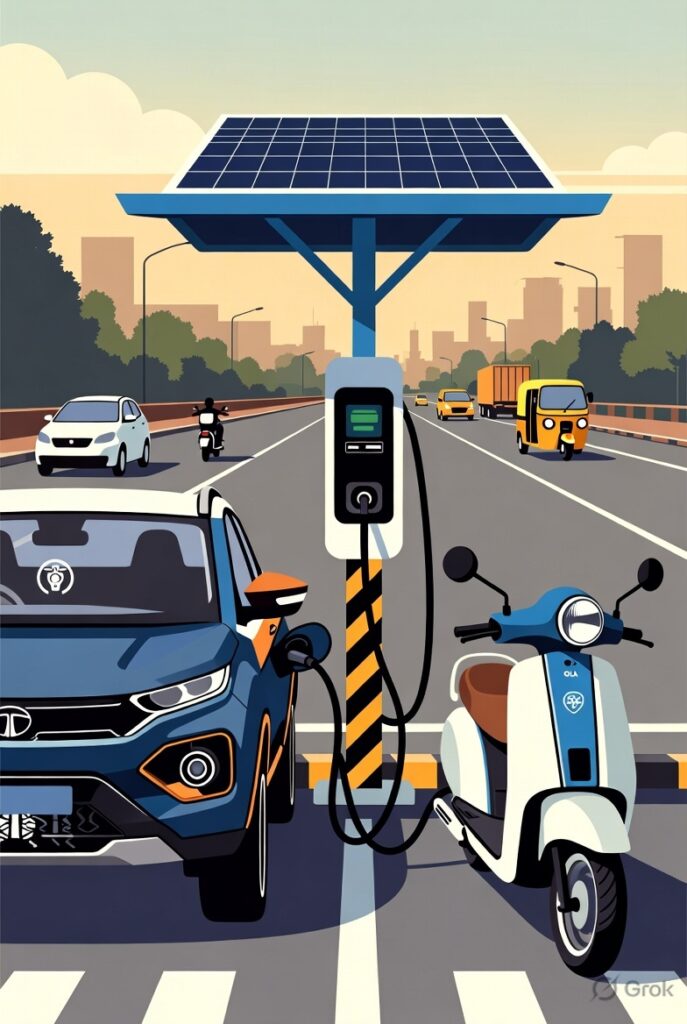
- Higher Petrol and Diesel Costs: Urban commuters in Mumbai and Delhi are already facing fuel prices crossing ₹110 per liter, making EVs like the Tata Nexon EV or MG ZS EV more cost-competitive over the long term. A typical 1,500 km monthly drive could save ₹5,000-7,000 on fuel alone compared to ICE vehicles.
- LPG and CNG Ripple Effects: With 85% of India’s LPG flows at risk, household budgets tighten, indirectly pushing more families toward electric two-wheelers like the Ola S1 Pro, where running costs are under ₹0.15 per km.
Financial markets are pricing in this risk, with Goldman Sachs flagging potential ripples across India’s energy supply chain. For EV buyers, this volatility underscores the urgency of switching to models with robust home charging options—more on that later.
Supply Chain Disruptions: How Geopolitical Instability is Impacting EV Battery Production and Costs in India
The automotive world is reeling from the Iran conflict’s supply chain fallout, with auto production halted in key hubs and rare earth metals facing delays. While the Middle East isn’t a primary source for EV batteries, the broader geopolitical tensions and EV battery supply chain disruptions in India are felt through rerouted shipping and inflated logistics costs.
China, which dominates 70% of India’s lithium-ion battery imports, is seeing lithium prices tumble due to weak EV demand clouded by the war. However, for India, this means:
- Delayed Component Deliveries: Tata and Mahindra’s EV assembly lines could face 10-15% cost hikes from disrupted ocean freight, as seen in recent global cargo snarls. This trickles down to higher ex-showroom prices for popular models like the Hyundai Creta EV.
- Rare Earth and Semiconductor Shortages: Tensions are accelerating demand for alternative Western sources, but India’s heavy reliance on imports exposes it to Iran war impact on electric vehicle market supply chains. Experts predict a 5-8% rise in battery pack prices by mid-2026, potentially slowing premium EV sales.
On the flip side, India’s push for domestic manufacturing—via PLI schemes—could mitigate some risks, positioning local players like Exide and Amara Raja to fill gaps.
Boost to EV Adoption: Rising Fuel Costs Driving Indian Consumers Towards Electric Vehicles
Paradoxically, the conflict’s silver lining for India’s EV sector is the unintended push toward electrification. High oil prices historically accelerate EV interest, as consumers seek fuel-efficient alternatives. In 2024, global EV sales topped 17 million, a 25% jump, with emerging Asian markets like India leading the charge at nearly 400,000 units.
For those querying rising oil prices boost EV adoption India 2026, here’s the data:
| Impact Area | Pre-Conflict Trend (2025) | Post-Conflict Projection (2026) | Key Driver |
|---|---|---|---|
| Two-Wheeler EV Sales | 1.2M units (55% market share) | +30% YoY growth | Fuel savings amid ₹110/L petrol |
| Passenger EV Penetration | 8% of total sales | 10-12% | Incentives + geopolitical fuel hikes |
| Commercial EVs (e.g., e-rickshaws) | 20% adoption in urban fleets | +25% | CNG/LPG disruptions |
Festive seasons could amplify this, with EV discounts from brands like BYD and Kia capitalizing on the Middle East geopolitical events influencing EV sales India. Early signs show a 15% uptick in inquiries for affordable EVs under ₹10 lakh.
Challenges for EV Infrastructure Development in India Amid Global Uncertainty
While sales may surge, the EV charging infrastructure India amid global supply chain disruptions faces headwinds. The conflict’s exposure of energy supply fragility could delay grid expansions and charger installations.
- Investment Hesitancy: Foreign direct investment in charging networks—targeting 100,000 public stations by 2026—may slow as investors eye geopolitical risks EV market India. Startups like ChargePoint India report 10-15% project delays due to component shortages.
- Power Grid Strain: With oil volatility straining finances, state utilities might prioritize fossil fuel backups over renewable integrations needed for fast chargers.
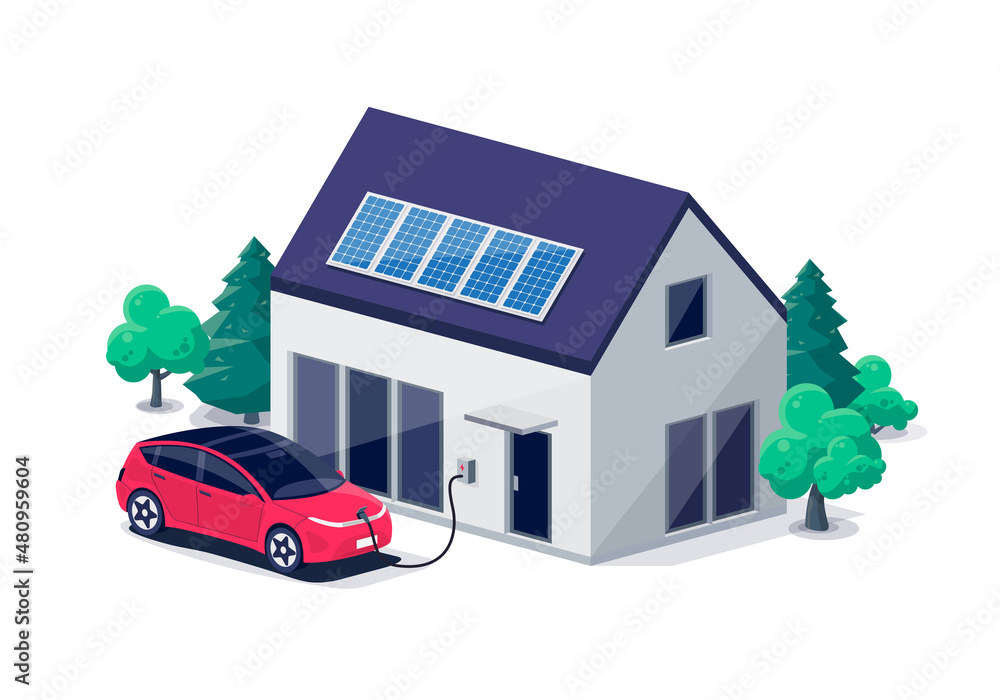
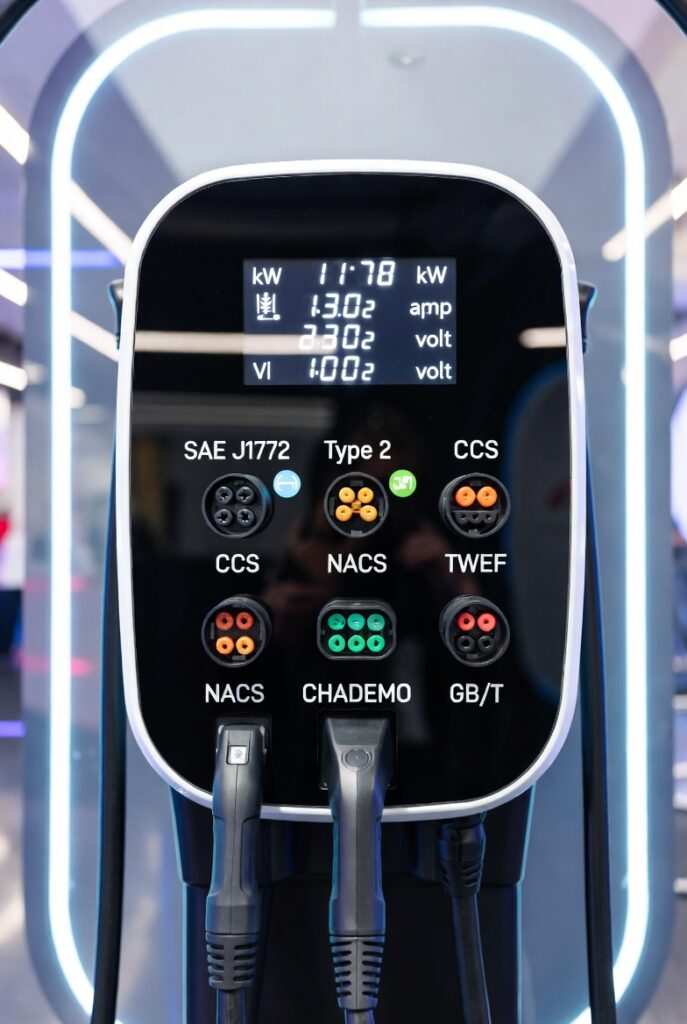
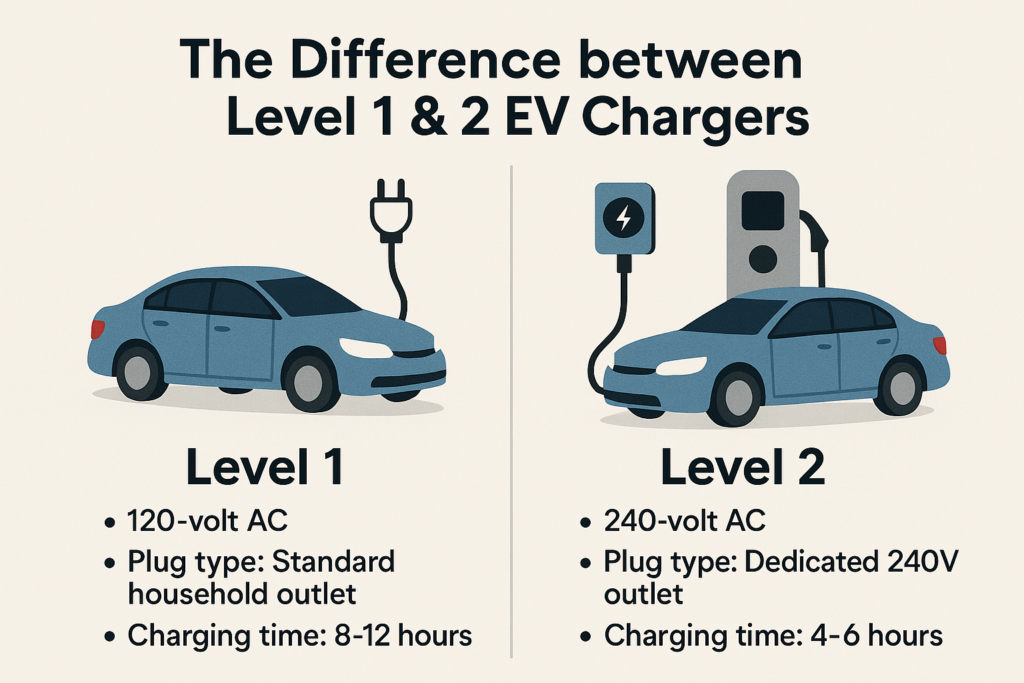
Yet, opportunities abound: The MEA EV market is projected to hit USD 7.57 billion in 2024, growing at a robust CAGR, with India as a hub. Home charging solutions, like 7.4 kW wallboxes, remain resilient and are seeing a 40% demand spike.
Opportunities and Strategies for the Indian EV Market in 2026
Despite challenges, the future of EV market in India 2026 geopolitical risks looks promising if stakeholders adapt. A FICCI-Yes Bank report urges a National EV Export Strategy to capitalize on global sales tripling by 2030. Key strategies include:
- Diversifying Supply Chains: Partnering with Australian and African miners for lithium to buffer Iran conflict supply chain risks for Indian EVs.
- Policy Boosts: Enhanced FAME-III subsidies targeting war-induced fuel hikes could propel sales.
- Consumer Education: Highlighting total ownership costs, where EVs save 60-70% on energy vs. ICE, even with minor price bumps.
Chinese EV makers are eyeing Middle East expansions, but India’s domestic focus gives it an edge in affordability.
Navigating the EV Shift: Compare Charging Options for a Smoother Ride
The Middle East conflict is a stark reminder that the road to India’s EV dominance is paved with global uncertainties. While it disrupts EV sales impact geopolitical events India, it also accelerates the shift to sustainable mobility. For Mumbai residents or Delhi commuters, now’s the time to evaluate charging solutions that fit your lifestyle—fast public stations for road trips or reliable home units for daily use.
At our India-based EV charging comparison platform, we make it easy. Use our free tool to compare top providers like Tata Power, Statiq, and Zeon Charging based on speed, cost, and coverage. Input your pincode, select your EV model, and find the best fit amid these turbulent times. Ready to charge ahead? Compare Now and secure your spot in India’s electrified future.
This article was last updated on March 6, 2026. For the latest on EV trends, subscribe to our newsletter.