Electric vehicles (EVs) are booming in India, with over 2 million units sold and public chargers crossing 39,000 under the PM E-DRIVE scheme. But the biggest question for most buyers remains: How do I charge my EV reliably and affordably?
The answer depends heavily on whether you live in an independent house or an apartment complex. This complete guide compares both options with real 2025–2026 costs, installation steps, challenges, and best solutions tailored for Indian conditions.
Why Home Charging Wins in India (for Most People)
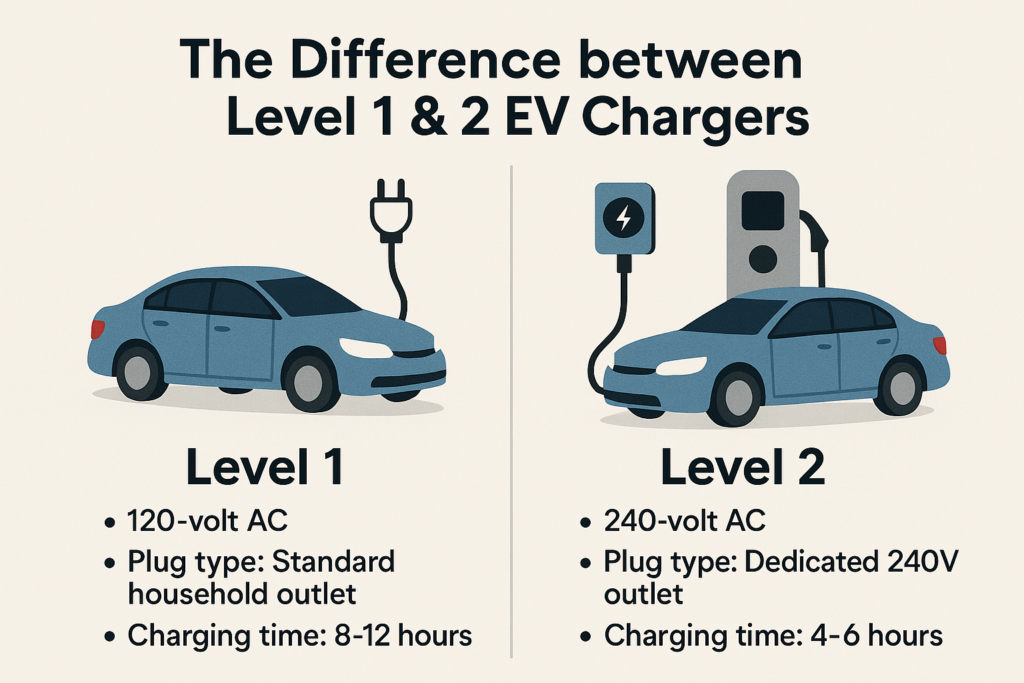
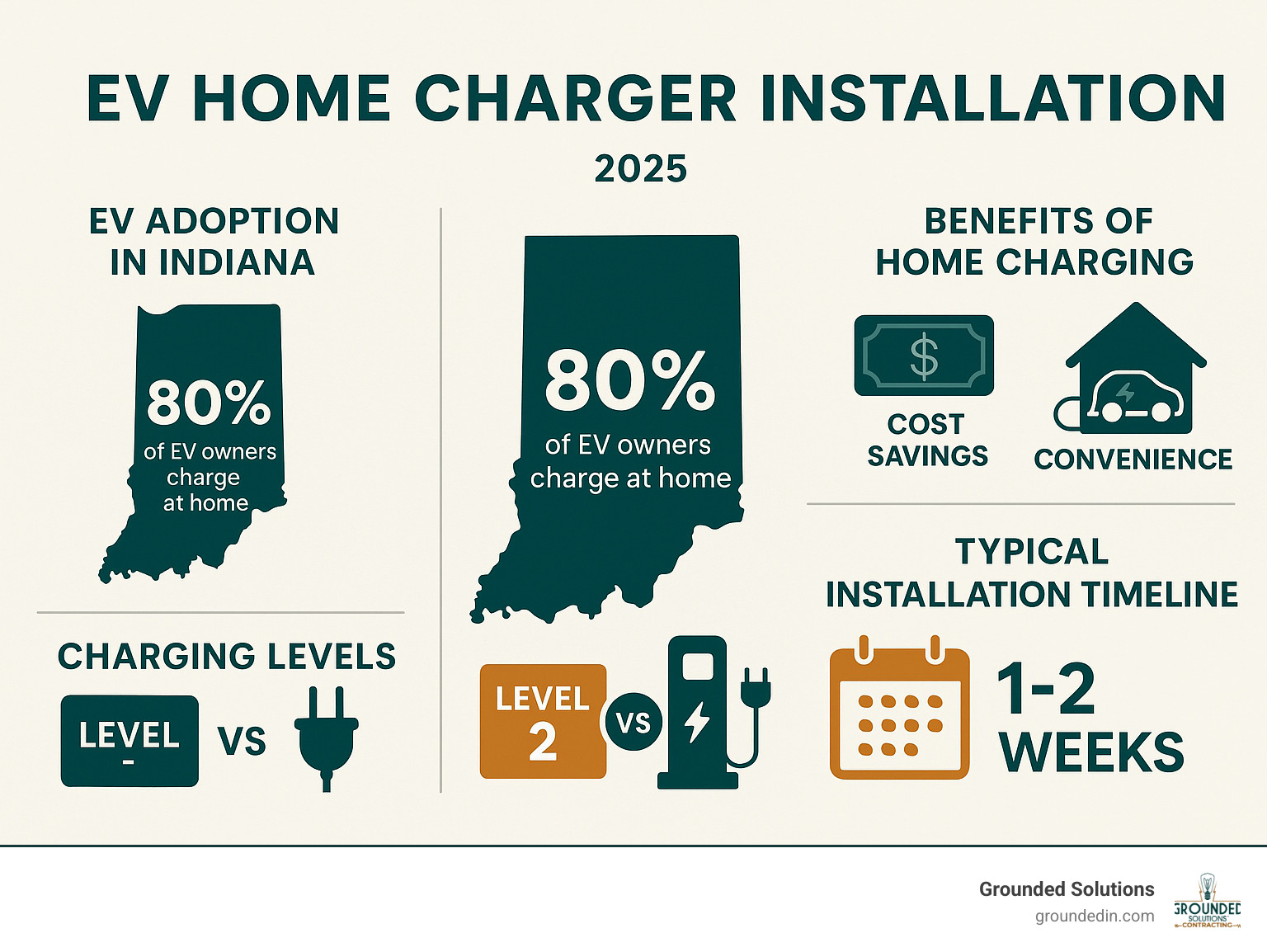
Home charging is still the cheapest and most convenient option in India. Overnight Level-2 charging costs ₹1–2 per km vs ₹4–6 per km on public DC fast chargers.
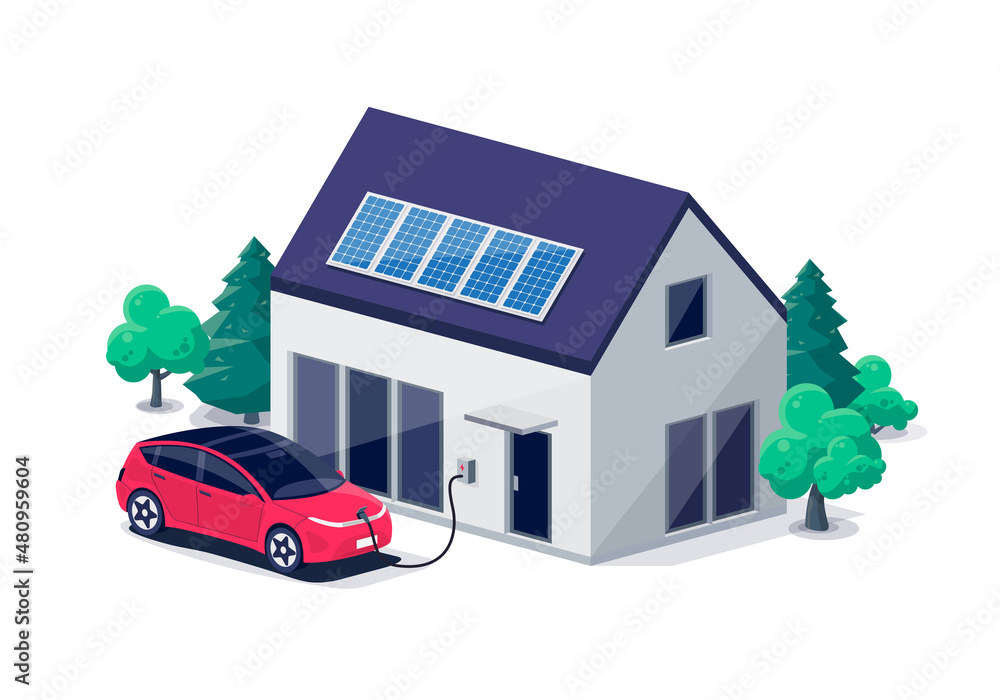
EV Charging Solutions for Independent Houses
Pros
- Full control over installation
- Dedicated parking/garage space
- Lowest per-kWh cost (₹7–10/unit residential tariff)
- Easy solar integration
Installation Process (Step-by-Step)
- Assess load (most homes need 7–11 kW dedicated circuit)
- Get electrician + DISCOM approval for separate EV meter (optional but recommended)
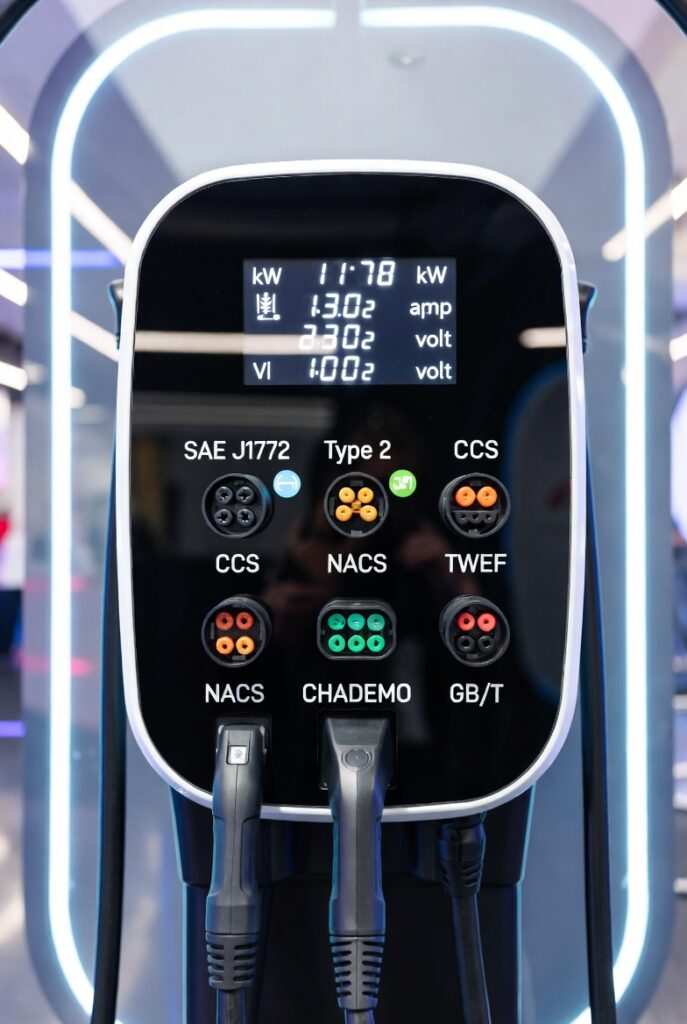
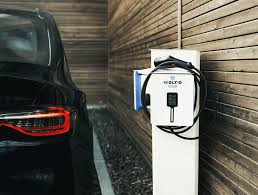
- Install wall-mounted AC charger (Type-2 or CCS2)
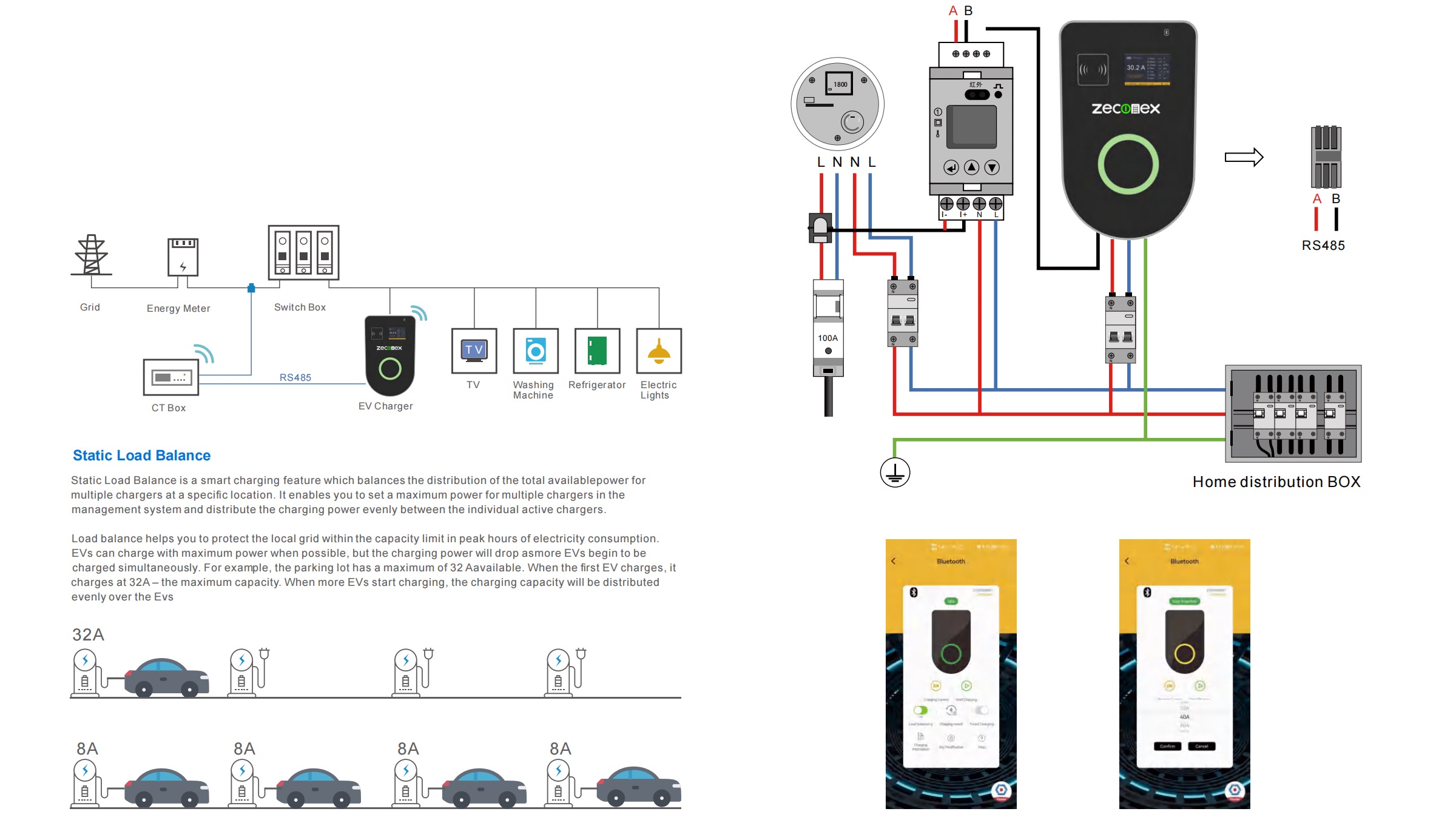
- Add smart features (app scheduling, load balancing)
Cost Breakdown (2026 Prices)
- Charger (7.4 kW): ₹35,000–₹65,000
- Wiring + MCB + installation: ₹15,000–₹30,000
- Separate EV meter (if needed): ₹3,000–₹5,000 Total: ₹50,000–₹90,000 (one-time)
Best Chargers for Homes
- Tata Power EZ Charge, Ather Home Charger, Bolt Earth, Zeconex, Magenta ChargeGrid

BYD Atto 3 home charger: Details & installation experience | Team-BHP
EV Charging Solutions for Apartments (The Real Challenge)
Biggest Hurdles
- RWA permission required
- Shared parking → no personal wall charger in most cases
- Basement fire-safety restrictions (NBC 2025 draft limits EV parking/charging in basements)
- Load management & billing disputes
Available Solutions (2026)
- Individual Dedicated Point (if RWA allows)
- Run cable from your meter to parking slot
- Cost: ₹40,000–₹80,000
- Many societies now approve after seeing success stories
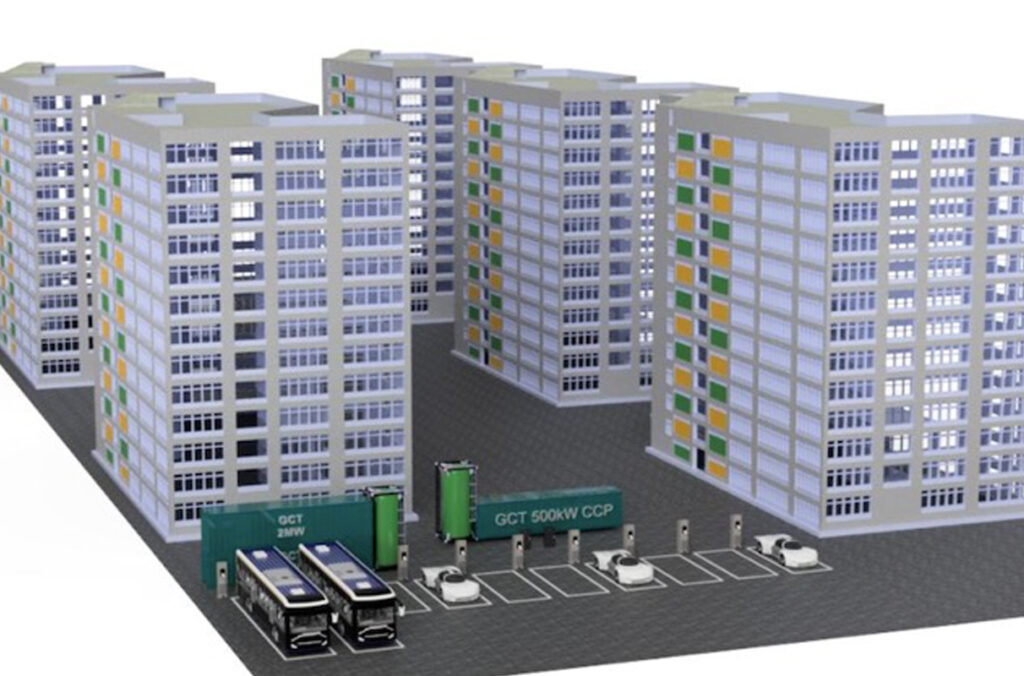
- Society-Level Shared Chargers (Most Common & Recommended)
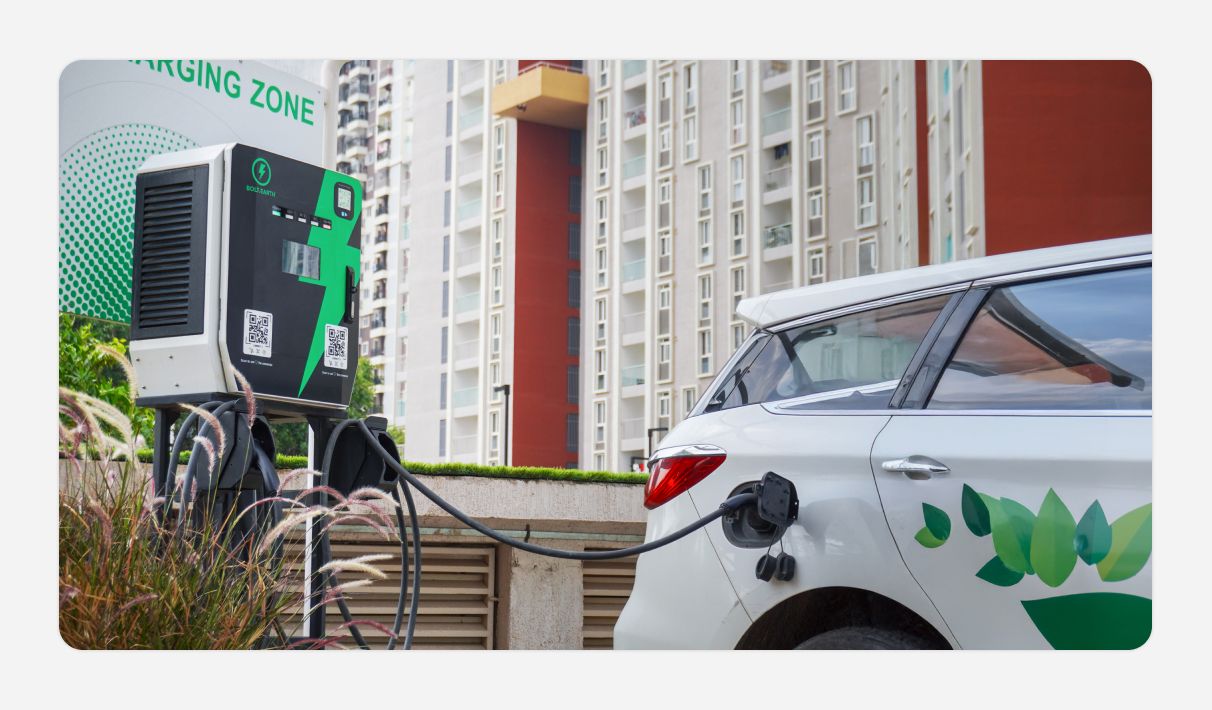
- 4–20 AC chargers in common parking area
- Pay-per-use via app (₹12–18/kWh)
- RWA or third-party operator (Bolt, ChargeGrid, Statiq) handles everything
- Portable 3.3–7 kW Charger (Temporary workaround)
- Use existing 15A socket + extension (risky & slow)
- Not recommended long-term

Apartment vs House EV Charging: Side-by-Side Comparison
| Factor | Independent House | Apartment Complex |
|---|---|---|
| Installation Cost | ₹50k–₹90k | ₹0 (shared) or ₹40k–₹80k (individual) |
| Monthly Charging Cost | ₹1,200–₹2,500 (50–100 km/day) | ₹1,800–₹3,500 (shared tariff) |
| Charging Speed | 7–11 kW (full charge in 4–6 hrs) | 3.3–7.4 kW shared |
| Convenience | Park & plug (best) | Depends on society queue |
| Approval Needed | Only electrical safety | RWA + possibly DISCOM |
| Future Resale Value | +5–8% property value | +3–5% (EV-ready society) |
| Solar Integration | Easy & highly recommended | Difficult unless society goes solar |
mccarthyelectricandtechnologies.com
Key Factors to Consider Before Deciding
- Daily driving → If <80 km/day, even a 3.3 kW charger is enough
- Society policy → Check RWA minutes or WhatsApp group before buying EV
- Electricity tariff → Night-time EV tariffs (₹5–7/unit) in many states
- Fire safety → Use certified chargers with Type-B RCCB + surge protection
Government Support & Incentives (2026)
- PM E-DRIVE continues till March 2026
- Public charging subsidies still active
- Many states offer additional rebates for society-level installations
- Bureau of Energy Efficiency (BEE) star-rated chargers get preference
Future-Proof Tip
Whether house or apartment — choose smart, OCPP-compliant chargers with load balancing and app control. In 2026–27, V2G (vehicle-to-grid) and solar+storage integration will become mainstream.
Final Verdict
Independent house → Go for dedicated 7.4 kW wall charger + solar if possible. Apartment → Push your RWA for shared smart charging infrastructure — it increases property value and makes life easier for everyone.
Buying an EV in India is no longer just about the car — it’s about where you charge it. Plan your charging solution first, then pick the vehicle.
Need help choosing the right charger for your society or home? Drop your city & parking type in the comments — our team will recommend the best options!
Related Reads
- Best Home EV Chargers Under ₹50,000 in India 2026
- How to Convince Your Apartment RWA for EV Charging