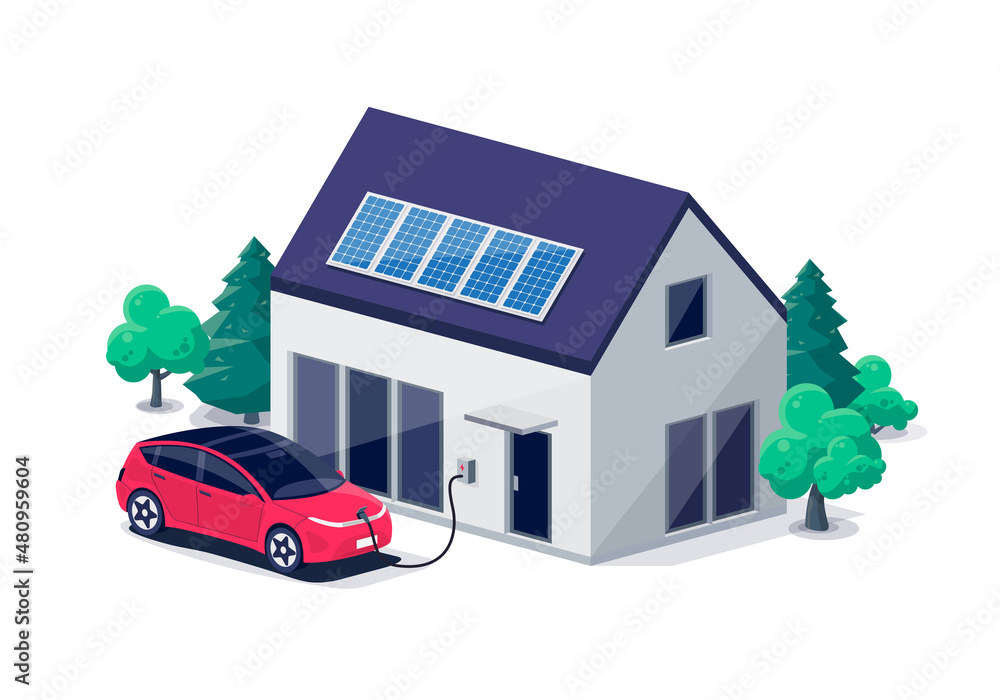
Here is the conversation that happens at almost every Chinese EV dealership in 2026.
The sales consultant is wrapping up the vehicle purchase. The contract is signed. The delivery date is set. Then they mention home charging.
“We have a home charging bundle. The charger, installation, everything — handled through us.”
The buyer nods. They’ve been focused on the car for three hours and haven’t thought carefully about the charger. The bundle sounds convenient. The price is quoted. Sometimes it sounds reasonable. Sometimes it sounds expensive. The buyer doesn’t know which — because they haven’t compared what each manufacturer offers against third-party alternatives or against each other.
This guide on BYD vs NIO vs Xpeng which EV maker sells the best home charging bundle in 2026 answers the question that buyers should have asked before signing the delivery paperwork. What does each manufacturer’s home charging bundle actually include? What is the hardware quality? What does installation cover? How does the bundle price compare to buying the same components independently? And in the specific case of NIO — whose home charging programme is fundamentally different from BYD’s and Xpeng’s — what is the real cost and real value of what they’re offering?
The answer determines whether the manufacturer bundle is a genuine deal worth accepting or an expensive convenience that costs ¥1,000-¥3,000 more than assembling the same solution independently.
Why Manufacturer Home Charging Bundles Exist — and Why They’re Not Always What They Seem
Before comparing specific programmes, understanding why manufacturers offer home charging bundles — and the incentive structures behind them — helps evaluate what you’re actually buying.
The Manufacturer’s Perspective
EV manufacturers offer home charging bundles for three reasons:
Reason 1: Reducing customer friction that causes purchase hesitation. Research consistently shows that charging anxiety is a significant barrier to EV purchase conversion. A buyer who is told “the charger, installation, everything is sorted” is more likely to complete the purchase than one who faces weeks of 物业 approval process uncertainty. The bundle reduces perceived complexity.
Reason 2: Revenue from charging hardware and services. Home charging bundles are a revenue stream. The manufacturer marks up the charger hardware, the installation service, or both. The bundle price is typically higher than buying components independently — the premium is the price of convenience.
Reason 3: Building ecosystem lock-in. A buyer who uses the manufacturer’s charger, the manufacturer’s app, the manufacturer’s energy services, and the manufacturer’s public charging network is less likely to switch brands at next vehicle purchase. Home charging bundles are an ecosystem anchor.
Understanding these motivations doesn’t mean bundles are bad purchases — sometimes the genuine service value, the 物业 support, or the subsidised pricing makes the bundle compelling. It means evaluating them with accurate information rather than dealership pressure.
What Good and Bad Bundles Look Like
Good bundle characteristics:
- Hardware at or near market price
- Installation support that genuinely reduces 物业 friction
- Ecosystem integration that adds ongoing daily value
- Warranty backed by the manufacturer with clear service process
Bad bundle characteristics:
- Hardware marked up 30-50% above independent purchase price
- Installation “handled” but subcontracted to third parties with no manufacturer accountability
- Ecosystem integration that creates lock-in without genuine utility
- Warranty terms worse than equivalent independent purchases
The BYD Home Charging Bundle (比亚迪家充套餐)
Programme Overview
BYD is China’s best-selling EV brand — and the home charging bundle is a natural part of the dealership sales process for BYD vehicle purchases. The programme has evolved significantly from its early iterations and now offers a more structured service than the informal “we can arrange installation” approach of earlier years.
What the BYD Bundle Includes
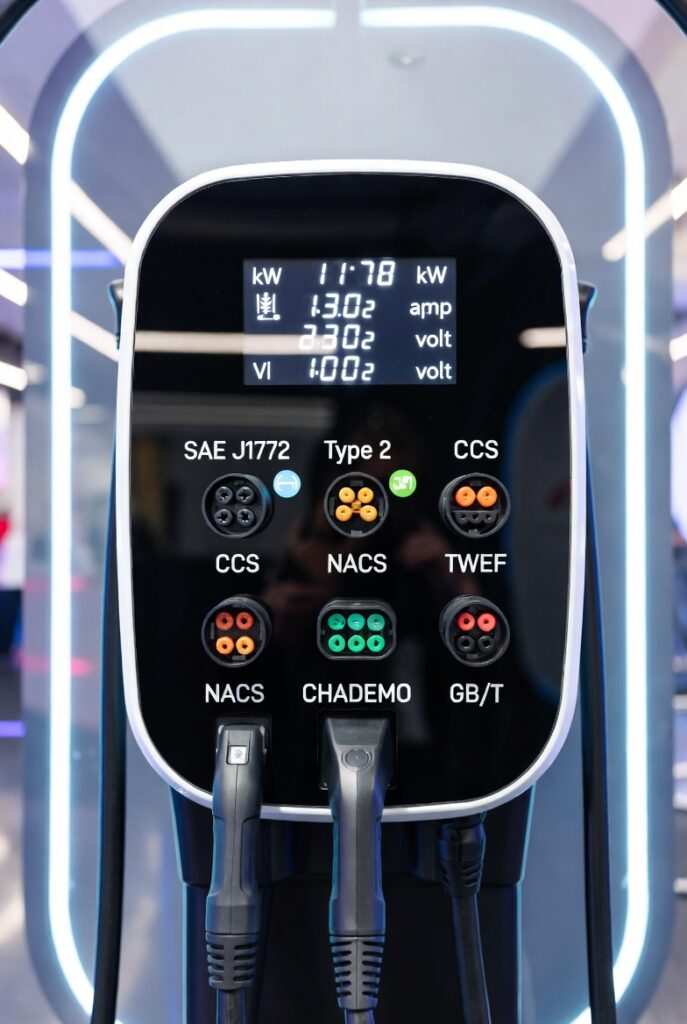
Hardware: BYD’s home charging bundle includes the BYD Smart Charger — a 7 kW GB/T certified home charging unit with BYD DiLink integration, TOU scheduling, and energy monitoring. The charger is manufactured to BYD’s specifications and integrates with the BYD app.
Specifications of BYD Smart Charger:
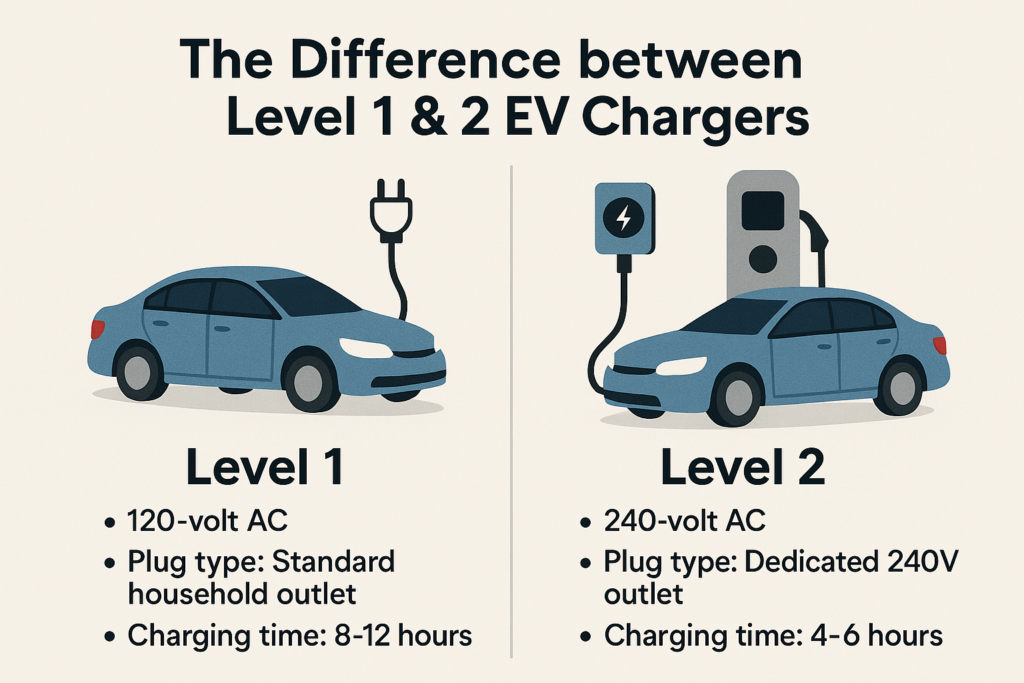
- Power: 7 kW (single-phase, 32A, 220V)
- Connector: GB/T 20234.2-2015
- IP Rating: IP55
- Operating Temperature: -20°C to +50°C
- Warranty: 3 years
- App: BYD app / DiLink integration
- Smart Features: TOU scheduling, energy monitoring, DiLink connectivity
- Cable: 5m tethered
Installation service: BYD coordinates installation through a network of BYD-approved installation partners. The dealership manages the introduction — the installation team then contacts the customer to assess the site, handle 物业 paperwork, and complete the installation.
What the installation covers:
- Site assessment by BYD-approved electrician
- 物业 application support (assistance preparing documents)
- Dedicated circuit installation (up to 15 metres of cable run)
- Electricity meter application coordination with utility
- Installation and commissioning
Bundle pricing structure:
| Bundle Component | Price |
|---|---|
| BYD Smart Charger (7 kW) | ¥800-¥1,200 (at list price) |
| Basic installation (up to 5m cable run) | ¥800-¥1,200 |
| Extended installation (5-15m cable run) | ¥1,200-¥2,000 |
| Electricity meter application | ¥0-¥300 (utility charge) |
| Typical total bundle price | ¥1,800-¥3,500 |
Promotional pricing: BYD periodically offers promotional bundle discounts — particularly at delivery milestones and during major Chinese shopping festivals (6.18, 11.11). Some BYD models have included home charging bundles at zero or heavily discounted prices as part of vehicle purchase incentives. At the time of purchase, always ask specifically about current promotional bundle pricing.
The BYD DiLink Integration — What It Actually Delivers
The DiLink integration is the BYD bundle’s primary differentiation over third-party chargers:
Battery health optimisation: The BYD Smart Charger communicates with the Blade Battery management system to implement BYD’s recommended charging parameters — charging rate, charge completion target, and cell balancing — specific to the Blade Battery chemistry. This optimisation is genuinely valuable for long-term battery health in a way that third-party chargers (which communicate through standard GB/T protocol without cell-level insight) cannot replicate.
DiLink dashboard integration: Charging status and history appears directly on the BYD vehicle’s infotainment screen — no need to switch between the vehicle system and a separate charger app. For daily BYD owners who manage their vehicle through DiLink, this unified interface reduces friction in ways that are genuinely appreciated in owner community reviews.
Smart charge scheduling via BYD app: TOU scheduling configured through the BYD app applies departure-time logic — the system charges to the target SOC by the configured departure time, using valley rate electricity. Integration is specific to BYD vehicles — the charging schedule is aware of the vehicle’s actual SOC through DiLink, not just the charger’s own estimation.
The Honest Assessment of the BYD Bundle
Where BYD bundle delivers genuine value:
- Blade Battery optimisation is a real technical advantage for BYD Seal and Han EV owners
- DiLink infotainment integration reduces daily app-switching friction
- Dealership-coordinated installation reduces owner burden
Where BYD bundle underdelivers:
- Hardware price is sometimes 20-30% higher than equivalent StarCharge at identical specifications
- Installation quality varies by partner — BYD’s approval of installation partners has received mixed reviews, with some owners reporting substandard cable routing or delayed completions
- IP55 and -20°C specifications are adequate but not premium — identical to StarCharge’s limitations
The price comparison:
Independent purchase equivalent:
- StarCharge Smart 7 kW: ¥1,000
- Standard installation: ¥1,700
- Independent total: ¥2,700
BYD bundle typical price:
- ¥1,800-¥3,500 (wide range based on installation complexity)
Verdict on pricing: At ¥1,800-¥2,500, the BYD bundle is competitive or at parity with independent assembly. At ¥3,000-¥3,500 for complex installations, the bundle premium is ¥500-¥800 over equivalent independent purchase — the price of convenience and DiLink integration.
BYD-Specific Charging Scenarios and Recommendations
BYD Seal owners: The Blade Battery-specific optimisation from the BYD Smart Charger is most valuable for the BYD Seal’s 800V battery architecture and high C-rate charging capability. For Seal owners doing frequent DC fast charging, the home charger’s Blade Battery-aware slow charging protocol preserves cell longevity in a measurably better way than generic GB/T charging.
BYD Han EV owners: Similar Blade Battery benefit, slightly less critical given the Han EV’s less aggressive DC charging profile. DiLink integration adds meaningful daily convenience.
BYD Dolphin and Seagull owners: Lower-end BYD models with smaller batteries and simpler charging requirements. DiLink integration is present but less critical. Budget-conscious buyers should compare bundle pricing carefully against StarCharge independent purchase — the ¥300-¥600 premium for the BYD bundle may not deliver proportionate value for entry-level models.
BYD Bundle Verdict: 7.5/10 Genuine value for Seal and Han EV owners where Blade Battery optimisation justifies the modest premium. Competitive pricing in mid-range installation scenarios. Installation quality variability is the primary risk.
The NIO Home Charging Programme (蔚来家充服务)
Programme Overview — A Fundamentally Different Model
NIO’s home charging programme is categorically different from BYD’s and Xpeng’s — and understanding why requires understanding NIO’s entire energy philosophy.
NIO does not treat home charging as an accessory purchase. NIO treats home charging as a core service — integrated into the vehicle purchase experience in the same way that NIO’s Battery as a Service (BaaS), battery swap network, and NIO Power public charging are integrated. The home charging programme is managed by NIO’s Power team, not by dealership sales staff.
What the NIO Programme Includes
Hardware: NIO Home Charger (蔚来家充桩) — 7 kW or 11 kW (three-phase where available) GB/T certified unit with NIO app integration.
NIO Home Charger specifications:
- Power: 7 kW (single-phase) / 11 kW (three-phase)
- Connector: GB/T 20234.2-2015
- IP Rating: IP55
- Operating Temperature: -20°C to +50°C
- Warranty: 3 years
- App: NIO app — deep vehicle and ecosystem integration
- Smart Features: TOU scheduling, NIO Power ecosystem, departure scheduling, battery swap coordination
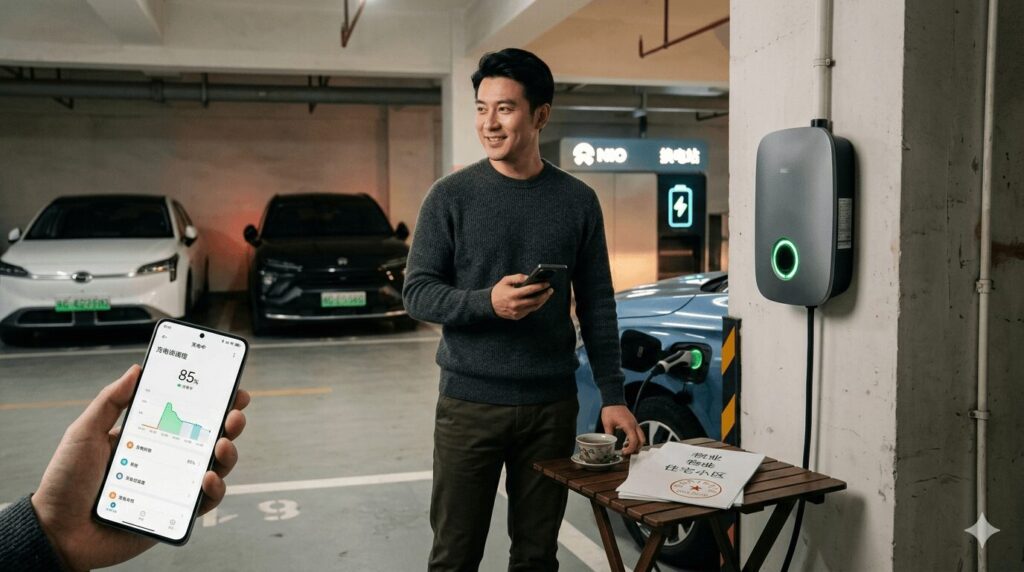
NIO Power home charging service: This is what distinguishes NIO from BYD and Xpeng. NIO assigns a dedicated NIO Power team contact who manages the entire home charging installation process:
Step 1: Power Specialist assessment (第一步:上门勘察) A NIO Power specialist — not a generic contractor — visits the property within 48 hours of request. They:
- Assess electrical supply capacity
- Evaluate 物业 approval requirements
- Photograph the installation site
- Prepare the complete 物业 application package
- Explain the timeline and process to the owner
Step 2: 物业 coordination (第二步:物业协调) The NIO Power specialist manages 物业 communication directly — submitting the application on behalf of the owner, following up with 物业, escalating if needed, and reporting progress. NIO’s extensive experience with residential installations (having done this process thousands of times) means they know how to navigate specific 物业 types faster than most owners can manage independently.
Step 3: Utility meter application (第三步:用电申请) NIO’s service team manages the electricity meter application with the relevant utility — 国家电网 or 南方电网 — coordinating meter installation timing with the overall installation schedule.
Step 4: Installation by NIO-certified team (第四步:安装施工) NIO uses certified installation engineers — not third-party subcontractors with variable quality — for the physical installation. NIO maintains a higher standard of installation quality through direct control of the installation team than dealership-subcontracted programmes.
Step 5: Post-installation support (第五步:售后服务) The NIO Power specialist remains the ongoing contact for any home charging issues — firmware problems, connectivity issues, physical maintenance. The integrated support experience means one call to NIO resolves issues that other brands require multiple party coordination to address.
NIO Bundle Pricing — The Genuinely Surprising Part
Pricing for new NIO vehicle buyers:
NIO’s home charging programme pricing for new vehicle buyers is significantly more aggressive than BYD’s or Xpeng’s:
| Programme | Price |
|---|---|
| NIO Home Charger + basic installation (free programme) | ¥0 for qualifying buyers |
| NIO Home Charger + standard installation | ¥0-¥1,500 |
| Complex installation surcharge (long cable runs, difficult routing) | ¥500-¥2,000 additional |
How the free/subsidised programme works: NIO periodically offers the home charger hardware and basic installation at zero cost for new vehicle buyers — part of NIO’s strategy to remove every friction point from the EV ownership experience. The subsidy is built into NIO’s vehicle pricing model and service revenue stream rather than charged separately.
Specific programme terms vary by purchase timing, NIO membership level (NIO charges an optional membership subscription that unlocks enhanced services), and vehicle model. Always confirm current programme terms at delivery — the terms in 2026 may differ from historical promotions.
At zero cost for the charger and installation, the NIO programme is categorically better value than any third-party purchase or any competing manufacturer bundle. The question is whether it’s available at zero cost for your specific purchase — and that requires confirming with NIO at the time of purchase.
The NIO App Ecosystem — The Most Comprehensive in This Comparison
The NIO app’s home charging integration is more comprehensive than BYD or Xpeng’s equivalent:
NIO Power dashboard: A unified view of the NIO vehicle’s energy status showing:
- Current battery SOC
- Home charging status (if plugged in at home)
- Nearest NIO swap station locations and queue status
- NIO public charging station availability
- Total energy consumption history (home + public + swap combined)
This unified view of all NIO Power services in one interface is the most complete energy management dashboard available from any Chinese EV manufacturer.
Intelligent home charging scheduling: The NIO app’s home charging scheduler communicates with the vehicle’s BMS directly — scheduling charging based on the vehicle’s actual battery status, departure schedule, and current electricity pricing. The NIO system can:
- Detect that the vehicle arrived home with lower SOC than usual (long day, detour)
- Override the scheduled start time to begin charging earlier
- Alert the owner if the charge won’t complete before the scheduled departure
- Adjust charging rate based on battery temperature (especially relevant in Harbin winters where NIO has significant market presence)
Battery swap coordination: Uniquely to NIO: when a long-distance journey requires a battery swap, the NIO app can plan the route including swap station stops and communicate the expected battery SOC on arrival at the swap station — helping the home charging schedule prepare the vehicle’s regular battery for home use while the swapped battery handles the long-distance journey.
The Honest Assessment of the NIO Programme
Where NIO delivers unambiguous value:
- Service quality: The managed installation process is genuinely better than BYD’s contractor-based approach
- 物业 navigation: NIO’s experienced Power team navigates residential compound approvals more effectively than most independent owners or dealers
- Pricing: At ¥0-¥1,500 for qualifying buyers, unbeatable value
- App integration: The most comprehensive energy management ecosystem of the three
Where NIO falls short:
- Programme availability: Zero-cost installation is promotional, not guaranteed — availability varies
- Geographic coverage: NIO’s Power team is most effective in tier-1 cities (Shanghai, Beijing, Shenzhen, Guangzhou). In tier-3 cities, response times and service quality are more variable
- Hardware specification: Same IP55 and -20°C limitations as BYD. The service is premium; the hardware is not uniquely premium
The fundamental NIO question: Is the free/heavily subsidised home charger a genuine saving or is it priced into the vehicle cost?
NIO’s vehicles are priced at a premium relative to equivalent-specification competitors — a NIO ET5 costs approximately ¥10,000-¥25,000 more than equivalent BYD/Xpeng/Tesla alternatives. NIO’s argument is that this premium buys the comprehensive NIO Power ecosystem service, not just the vehicle. The home charging programme — when effectively free — is part of what the vehicle premium pays for.
Buyers who evaluate NIO purely on vehicle hardware specifications relative to price will find them overpriced. Buyers who value the comprehensive NIO Power ecosystem, the battery swap network, and the managed home charging experience as part of the total ownership value proposition are the intended audience.
NIO Programme Verdict: 9/10 (when zero cost / heavily subsidised) The best home charging programme of the three when available at promotional pricing — superior service, superior app, superior installation experience. The hardware specification is standard. The service wrapping it is exceptional.
NIO Programme Verdict: 7.5/10 (at standard pricing) At full price (¥1,500+ for charger + installation), NIO is comparable to BYD on value — better service, similar hardware.
The Xpeng Home Charging Programme (小鹏家充服务)
Programme Overview
Xpeng’s home charging programme sits between BYD’s hardware-focused approach and NIO’s service-centric model. It emphasises Xpeng’s technological credentials — the supercharging network, the XNGP intelligent driving system, the Xpeng app — and positions the home charger as an integrated component of the Xpeng ecosystem.
What the Xpeng Programme Includes
Hardware: Xpeng Home Charger (小鹏家用充电桩) — 7 kW GB/T certified unit with Xpeng app integration.
Xpeng Home Charger specifications:
- Power: 7 kW (single-phase) / 11 kW (three-phase variant)
- Connector: GB/T 20234.2-2015
- IP Rating: IP55
- Operating Temperature: -20°C to +50°C
- Warranty: 3 years
- App: Xpeng app — charging integration
- Smart Features: TOU scheduling, energy monitoring, departure scheduling, Xpeng supercharger route integration
Installation service: Xpeng coordinates installation through a combination of Xpeng-certified installers and regional partners. The process is managed through the Xpeng app — after delivery, the owner submits installation request through the app, and the Xpeng team coordinates the site assessment and installation.
Bundle pricing:
| Bundle Component | Price |
|---|---|
| Xpeng Home Charger (7 kW) | ¥900-¥1,300 |
| Standard installation (up to 10m) | ¥1,000-¥1,800 |
| Extended installation (10-20m) | ¥1,800-¥3,000 |
| Typical total bundle price | ¥2,000-¥3,500 |
Promotional pricing: Like BYD, Xpeng periodically offers discounted or free home charging bundles as vehicle purchase incentives. The G6 and P7 launch promotions in 2024-2025 included home charging bundles at significantly reduced pricing. Always confirm current promotional terms at delivery.
The Xpeng App Integration — Technology-First Approach
Xpeng’s home charging integration reflects the brand’s technology-forward positioning:
Smart charging + XNGP coordination: The Xpeng app integrates home charging with the XNGP intelligent driving system’s journey planning. When XNGP plans a long journey that includes Xpeng supercharger stops, the app factors in home charging state to determine whether the journey can begin directly or requires additional home charging before departure.
This integration — charging plan + driving plan in one system — is more sophisticated than BYD’s or NIO’s equivalent for owners who regularly use XNGP on long journeys.
Xpeng S4 supercharger pre-charging: For Xpeng G9 owners who plan to use S4 superchargers (480 kW) on long journeys, the Xpeng app can pre-condition the battery at home to the optimal starting temperature and SOC for maximum S4 charging performance — a coordination that only the Xpeng home charger + Xpeng app can achieve for Xpeng vehicles.
TOU scheduling quality: Xpeng’s TOU scheduling implementation is reliable and clearly designed — the Xpeng app presents charging scheduling more intuitively than some competitors. Configuration takes under 3 minutes and the interface clearly shows estimated charging cost and completion time for configured schedules.
Energy monitoring: Xpeng provides above-average energy monitoring — showing per-session energy consumption, estimated CO₂ savings versus petrol equivalent, and monthly charging trend analysis. More detailed than BYD’s monitoring; less comprehensive than NIO’s unified energy dashboard.
The Honest Assessment of the Xpeng Bundle
Where Xpeng bundle delivers genuine value:
- XNGP journey integration is a genuine differentiator for owners who use XNGP regularly
- S4 supercharger pre-conditioning is uniquely available through Xpeng home charger integration
- App interface quality is above average in this comparison
- Pricing is competitive with BYD at similar installation complexity levels
Where Xpeng bundle underdelivers:
- Installation service quality is less consistently managed than NIO — more variable outcomes reported in owner communities
- 物业 coordination support is less proactive than NIO — Xpeng provides documentation support but less active advocacy
- Hardware specification identical to BYD (IP55, -20°C) — no technical hardware differentiation
- Geographic service coverage less consistent than StarCharge for after-sales
The Xpeng-specific pricing question: Xpeng’s vehicle purchase pricing is more aggressive than NIO — positioned more directly against BYD on value. The home charging bundle pricing reflects this — competitive rather than subsidised.
At ¥2,000-¥3,000 for typical installations, Xpeng’s bundle is comparable to independent assembly (StarCharge + standard installation ≈ ¥2,700). The bundle’s value proposition is XNGP integration and Xpeng app quality rather than pricing advantage.
Xpeng Bundle Verdict: 7.5/10 Competitive value with a genuine technology integration advantage for XNGP users and S4 charging optimisation. Less compelling service support than NIO, similar hardware to BYD. The right choice specifically for Xpeng owners who actively use XNGP and plan S4 supercharger use on long journeys.
The Comparison Across All Dimensions
Hardware Comparison
| Specification | BYD Bundle | NIO Programme | Xpeng Bundle |
|---|---|---|---|
| Charger Power | 7 kW (/ 11 kW) | 7 kW (/ 11 kW) | 7 kW (/ 11 kW) |
| IP Rating | IP55 | IP55 | IP55 |
| Operating Temp | -20°C to +50°C | -20°C to +50°C | -20°C to +50°C |
| Warranty | 3 years | 3 years | 3 years |
| Cable | 5m tethered | 5m tethered | 5m tethered |
| Blade Battery Opt | ✅ BYD only | ❌ | ❌ |
| Hardware Differentiation | Blade Battery | Standard | Standard |
Hardware verdict: All three use essentially equivalent hardware — IP55, -20°C, 7 kW, 5m cable, 3-year warranty. The BYD Smart Charger’s Blade Battery optimisation is the only hardware-level differentiation. This means the service quality and pricing differences between programmes matter far more than hardware differences.
Service Quality Comparison
| Service Dimension | BYD | NIO | Xpeng |
|---|---|---|---|
| 物业 Support | ⚠️ Documentation help | ✅ Active advocacy | ⚠️ Documentation help |
| Site Assessment | ✅ BYD-approved electrician | ✅ NIO Power specialist | ✅ Xpeng-certified |
| Installation Team | ⚠️ Variable partners | ✅ NIO-controlled | ⚠️ Variable partners |
| Installation Quality | ⚠️ Mixed reviews | ✅ Consistent reviews | ⚠️ Mixed reviews |
| Post-Installation | ✅ Dealer support | ✅ NIO Power specialist | ✅ App + service |
| Tier-1 City Coverage | ✅ Good | ✅ Excellent | ✅ Good |
| Tier-3 City Coverage | ✅ Good (dealer network) | ⚠️ Variable | ⚠️ Variable |
Service verdict: NIO — the managed Power specialist model delivers consistently better installation experience than BYD’s or Xpeng’s contractor-based approaches. The difference is most significant in 物业 navigation, where NIO’s experienced team achieves faster approvals than owner-managed processes or less experienced dealer representatives.
Pricing Comparison
| Scenario | BYD Bundle | NIO Programme | Xpeng Bundle | Independent (StarCharge) |
|---|---|---|---|---|
| Simple installation (5m cable) | ¥1,800-¥2,500 | ¥0-¥1,500 | ¥2,000-¥2,800 | ¥2,700 |
| Standard installation (10m cable) | ¥2,500-¥3,000 | ¥500-¥2,000 | ¥2,500-¥3,200 | ¥2,900 |
| Complex installation (20m cable) | ¥3,000-¥3,500 | ¥1,500-¥3,000 | ¥3,000-¥3,800 | ¥3,500 |
Pricing verdict:
For simple installations: NIO (when promotional pricing available) delivers best value by significant margin. At zero cost for qualifying buyers, no comparison.
For standard installations: BYD and NIO are comparable, with Xpeng slightly higher. Independent StarCharge purchase is competitive with all three at standard pricing.
For complex installations: All three converge — the additional cable and labour costs dominate, and manufacturer-specific premiums become proportionally smaller.
The honest pricing conclusion: At promotional NIO pricing (zero or near-zero), NIO is dramatically better value. At standard pricing for all three, BYD edges slightly ahead on price while NIO leads significantly on service quality. Xpeng is competitive but not a price leader.
App Integration Comparison
| App Feature | BYD DiLink | NIO App | Xpeng App |
|---|---|---|---|
| Charging Status | ✅ Excellent | ✅ Excellent | ✅ Good |
| TOU Scheduling | ✅ Good | ✅ Excellent | ✅ Good |
| Energy Dashboard | ✅ Good | ✅ Best | ✅ Good |
| Swap Coordination | ❌ | ✅ Unique | ❌ |
| Journey Integration | ❌ | ⚠️ Basic | ✅ XNGP integration |
| Battery Health | ✅ Blade Battery | ✅ NIO BMS | ✅ Good |
| Pre-conditioning | ✅ Good | ✅ Excellent | ✅ Good (S4 specific) |
| Public Charge Network | ⚠️ Limited BYD network | ✅ Comprehensive | ✅ S4 supercharger |
| Overall App Score | 8/10 | 9/10 | 8/10 |
App verdict: NIO — the most comprehensive energy management dashboard and the only one that integrates battery swap logistics with home charging planning. Xpeng’s XNGP integration is a genuine differentiator for XNGP users. BYD’s DiLink integration excels at Blade Battery optimisation for BYD vehicles specifically.
Brand-Specific Synergy
This dimension addresses the question: how much additional value does the manufacturer bundle add specifically because of the brand match between the car and the charger?
BYD bundle brand synergy:
- Blade Battery charging optimisation: High — genuinely extends battery longevity
- DiLink infotainment integration: Medium — useful daily convenience
- BYD dealer service alignment: Medium — single point of contact for vehicle and charger issues
NIO bundle brand synergy:
- NIO BMS deep integration: High — departure scheduling with battery awareness
- Battery swap coordination: Very High — unique — no other manufacturer can do this
- NIO Power ecosystem coherence: High — home charging is part of a complete energy service
Xpeng bundle brand synergy:
- XNGP journey integration: High for XNGP users, Low for non-XNGP users
- S4 supercharger pre-conditioning: High for G9 owners, Lower for other models
- Xpeng technical ecosystem: Medium — technology-forward but less complete than NIO
The Head-to-Head Winner by Scenario
Scenario 1: NIO ET5 or ET7 Owner, Shanghai, Frequent Battery Swap User
Winner: NIO Programme
Reasoning: The battery swap coordination is available exclusively through the NIO ecosystem. The Power specialist installation service handles the Shanghai 物业 process more effectively than any alternative. If available at promotional pricing (free or below ¥1,000), there is no logical alternative.
What to specifically request: Confirm current NIO Power home charging programme terms at delivery signing. Ask specifically whether the basic installation is included at zero cost for your purchase.
Scenario 2: BYD Seal Owner, Beijing, Plans 5-Year Ownership
Winner: BYD Bundle (at ¥2,000-¥2,500) or StarCharge Independent
Reasoning: The Blade Battery optimisation is genuinely valuable for the BYD Seal’s 800V battery architecture. At ¥2,000-¥2,500, the BYD bundle is competitive with independent StarCharge purchase (¥2,700) while adding DiLink integration and Blade Battery awareness.
If BYD bundle exceeds ¥2,800: Buy StarCharge independently at ¥2,700 — the BYD premium is not justified at this level for a non-Seal BYD model without 800V architecture.
Scenario 3: Xpeng G9 Owner, Shenzhen, Regular XNGP User on Guangzhou-Shenzhen Route
Winner: Xpeng Bundle
Reasoning: XNGP + S4 supercharger coordination is uniquely available through Xpeng’s home charging integration. For a G9 owner who regularly uses XNGP and the S4 supercharger network, the ecosystem coherence delivers daily operational value.
At what price: If Xpeng bundle is within ¥500 of independent purchase at ¥2,700, the ecosystem integration justifies the modest premium.
Scenario 4: BYD Dolphin Owner, Chengdu, Budget Priority
Winner: StarCharge Independent Purchase
Reasoning: BYD Dolphin’s simpler battery architecture and lower-power charging profile means the Blade Battery optimisation advantage is minimal. DiLink integration is present but not transformative for a ¥120,000 entry-level EV. StarCharge at ¥2,700 independent purchase delivers equivalent daily charging at ¥300-¥800 less than BYD bundle pricing.
Recommendation: Buy StarCharge independently, configure TOU scheduling, save ¥300-¥800.
Scenario 5: Xpeng P7 Owner, Wuhan, No XNGP Use, Standard Commute
Winner: StarCharge Independent or Xpeng Bundle at Promotional Pricing
Reasoning: Without XNGP use, the Xpeng bundle’s primary differentiation disappears. If Xpeng is offering a promotional bundle at ¥1,500-¥2,000, take it. At standard pricing of ¥2,500-¥3,000, independent StarCharge is equivalent value without brand premium.
The Independent Alternative — When Third-Party Is Clearly Better
There are specific scenarios where none of the manufacturer bundles is the right choice and an independent third-party charger purchase is objectively superior:
When to Choose Independent Purchase
Outdoor parking requiring IP65: All three manufacturer chargers offer IP55. If your parking is exposed to direct rainfall — outdoor villa, open-air compound, partially covered locations — buy Autel MaxiCharger (IP65) independently. No manufacturer bundle offers IP65.
Northern China (Harbin, Changchun, Inner Mongolia) -30°C requirement: All three manufacturer chargers specify -20°C minimum. For sustained -25°C to -30°C winter locations, buy Autel MaxiCharger (-30°C) or Tesla Wall Connector (-30°C) independently.
Solar integration: No manufacturer bundle includes solar integration. For villa owners with rooftop solar systems, Sungrow EV Charger (for Sungrow solar) or Growatt EV Charger (for Growatt solar) delivers native ecosystem integration that no manufacturer bundle can match.
OCPP 2.0 for fleet or commercial applications: No manufacturer bundle includes OCPP compliance. For commercial property owners or fleet operators requiring OCPP, Autel or Ginlong Solis are the independent choices.
Huawei or Xiaomi AI smart home ecosystem: BYD bundles StarCharge-equivalent hardware. NIO bundles NIO-specific integration. Xpeng bundles Xpeng app integration. For buyers who primarily use Huawei HarmonyOS or Xiaomi Mi Home and want the AI-optimised ecosystem experience covered in our best smart EV chargers China 2026 guide, independent purchase of Huawei FusionCharge or Xiaomi EV Charger is the right choice.
The Financial Summary — Total 5-Year Cost by Programme
For a BYD Han EV or equivalent Chinese EV owner in Shanghai, 20,000 km/year:
| Programme | Hardware + Install | 5yr Electricity | 5yr Maintenance | 5yr Total |
|---|---|---|---|---|
| BYD Bundle (standard) | ¥2,800 | ¥6,925 | ¥150 | ¥9,875 |
| NIO Programme (free) | ¥500 | ¥6,925 | ¥100 | ¥7,525 |
| NIO Programme (standard) | ¥2,000 | ¥6,925 | ¥100 | ¥9,025 |
| Xpeng Bundle (standard) | ¥2,900 | ¥6,925 | ¥150 | ¥9,975 |
| StarCharge (independent) | ¥2,700 | ¥6,925 | ¥150 | ¥9,775 |
| Autel (independent, outdoor) | ¥3,400 | ¥6,925 | ¥100 | ¥10,425 |
The dominant finding: Electricity cost (¥6,925 over 5 years at valley rates) is the largest single component — larger than all other costs combined. The ¥500-¥1,500 difference between programme options is real but secondary.
NIO’s free programme changes the calculation dramatically: At ¥500 all-in for hardware + installation, the NIO programme’s 5-year total cost of ¥7,525 is ¥2,250 less than the next cheapest option. This is the most compelling total cost case of any option in this comparison — if available.
The Manufacturer Bundle Decision Framework
Use this decision tree before accepting any manufacturer home charging bundle:
Step 1: Is NIO offering zero or near-zero installation for your purchase? If yes — accept it immediately. At ¥0-¥500 for hardware + installation with NIO’s service quality, no other option comes close. If no — proceed to Step 2.
Step 2: Does your vehicle have specific battery optimisation benefit from the manufacturer charger? BYD Seal and Han EV: Yes (Blade Battery optimisation significant) — consider BYD bundle within ¥500 of independent purchase Xpeng G9 with S4 use: Yes (S4 pre-conditioning) — consider Xpeng bundle within ¥500 of independent purchase All other models: Minimal differentiation — proceed to Step 3.
Step 3: Compare bundle price to independent assembly Independent assembly baseline: StarCharge (¥1,000-¥1,300) + standard installation (¥1,700-¥2,000) = ¥2,700-¥3,300 If manufacturer bundle is within ¥300 of this: Consider the bundle for convenience If manufacturer bundle exceeds independent by ¥300+: Buy independently unless Step 2 applies
Step 4: Consider specific installation requirements Outdoor parking, northern China, solar: Buy Autel or specialist charger independently regardless of manufacturer bundle
Internal Links — Further Reading on Clean Energy Bazaar
The BYD vs NIO vs Xpeng which EV maker sells the best home charging bundle in 2026 guide is the manufacturer programme analysis within the Chinese market content cluster.
For the full hardware comparison covering StarCharge, Autel, and other independent options that represent the alternative to manufacturer bundles, our best home EV chargers 2026 top 7 comparison for Chinese homeowners Star Charge Autel guide covers every specification. For the three-way head-to-head between Tesla Wall Connector, StarCharge, and Autel that provides the independent purchase comparison baseline, our Tesla Universal Wall Connector vs Star Charge vs Autel 2026 China market comparison guide covers every dimension. For the smart feature value analysis determining which premium features justify manufacturer bundle premiums, our smart EV chargers 2026 AI load balancing vs standard features worth the extra cost in China guide provides the financial framework. For the complete 物业 process guidance relevant to all three manufacturer installation programmes, our find the right EV charger for your home China edition guide covers every step. For the AI smart charger comparison covering Huawei and Xiaomi as alternatives to manufacturer bundles, our best smart EV chargers China 2026 Huawei Digital Power vs Xiaomi vs local innovators guide covers the premium segment. And for the charge time data that confirms all three manufacturer chargers deliver identical charging speeds for equivalent vehicles, our EV charge time calculator 2026 covers every Chinese EV model.
Final Thoughts
The BYD vs NIO vs Xpeng which EV maker sells the best home charging bundle in 2026 comparison produces a verdict that depends more on programme availability and individual situation than on hardware quality — because the hardware quality between all three is essentially identical.
The honest overall ranking:
1st: NIO Programme — when available at promotional pricing The combination of superior service (Power specialist, proactive 物业 coordination), the best app ecosystem (unified NIO Power dashboard), and potentially zero cost makes the NIO programme the best manufacturer home charging bundle in China when promotional terms apply. The battery swap coordination is unique and genuinely valuable for NIO owners. The gap between NIO’s service quality and BYD’s/Xpeng’s is real and consistent across owner community reviews.
2nd: BYD Bundle — for Blade Battery vehicles at competitive pricing The Blade Battery optimisation for BYD Seal and Han EV owners is a genuine technical advantage that no third-party charger can replicate. At ¥2,000-¥2,800, the pricing is competitive. The DiLink integration adds daily convenience. For Seal and Han EV owners, the BYD bundle is the right choice at moderate pricing — but should be rejected if priced more than ¥500 above independent StarCharge purchase.
3rd: Xpeng Bundle — for XNGP users at competitive pricing The XNGP integration and S4 supercharger coordination are real differentiators for specific Xpeng owners. For G9 owners who regularly use XNGP and the S4 network, the ecosystem coherence justifies a modest premium. For Xpeng owners who don’t use XNGP, the bundle’s differentiation is minimal and independent purchase is likely better value.
The universal recommendation: Regardless of which manufacturer bundle or independent charger you choose, configure TOU valley rate scheduling on installation day. The ¥1,670/year saving from valley rate charging is available through every charger in this comparison — and it delivers more annual financial return than the difference between any two programmes compared here.