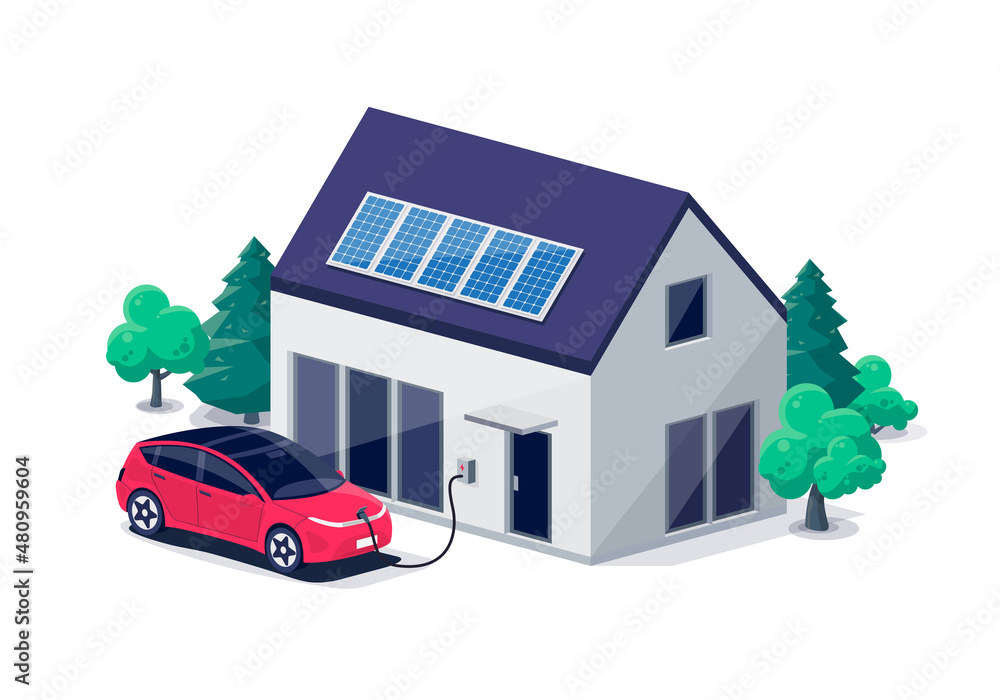
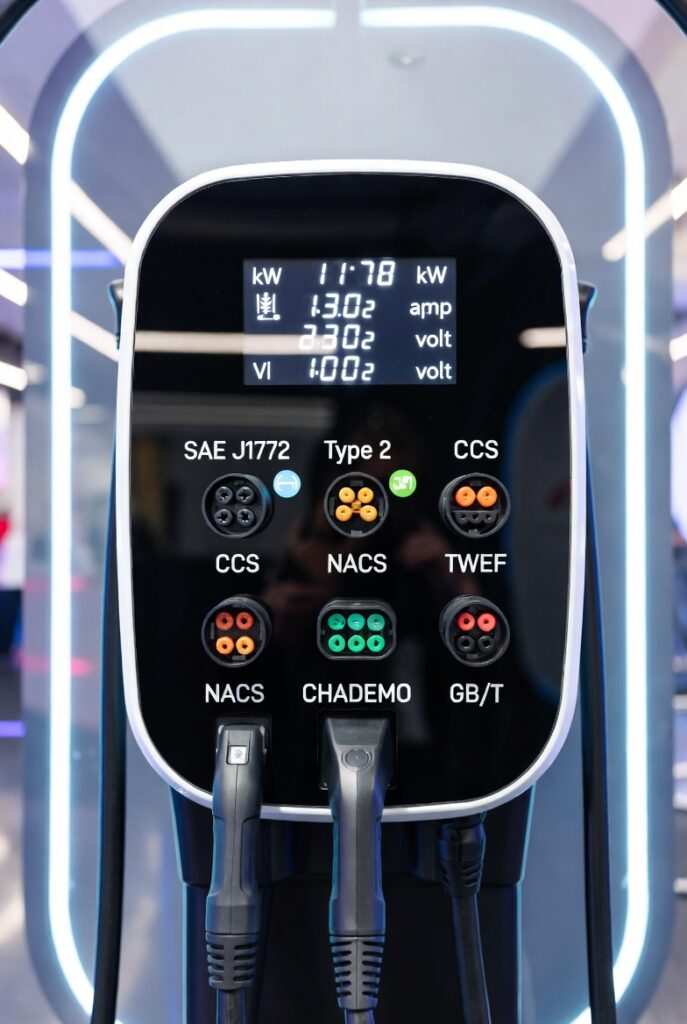
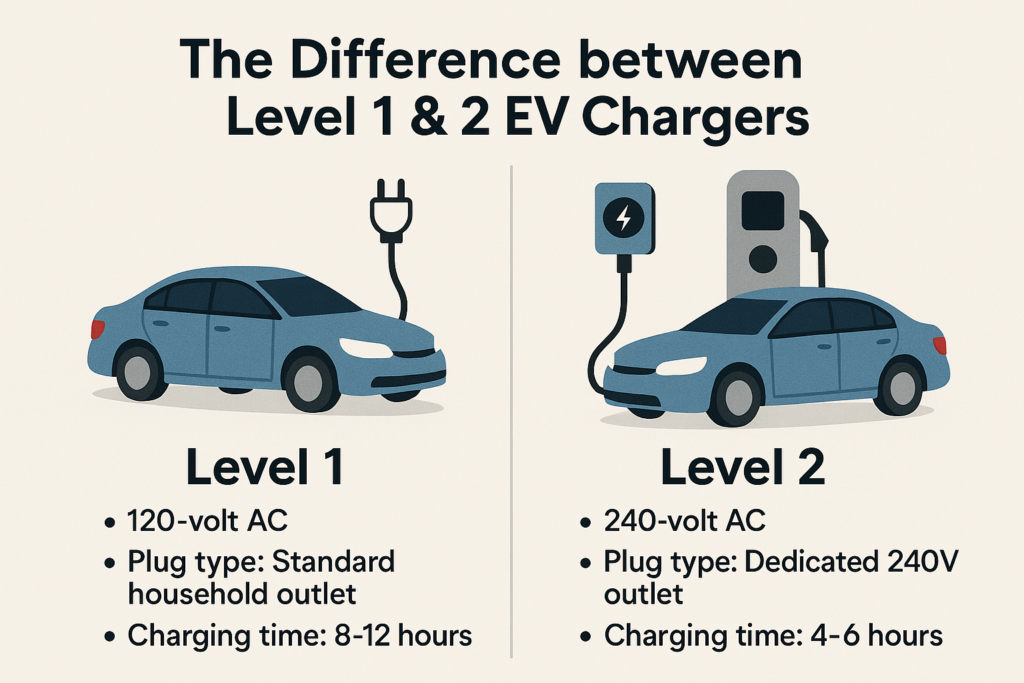
Here’s what the EV charging network looks like on the afternoon of November 27th in the United States.
Every Supercharger within 50 miles of a major interstate has a queue. The Electrify America stations at the highway rest stops are at capacity with 15-minute waits. Families who planned their Thanksgiving drive based on summer charging experience are discovering that the same route takes 45 minutes longer in November because every EV on the Eastern Seaboard is trying to charge at the same time.
Here’s what it looks like in the UK on December 23rd.
The Ionity station on the M1 has every bay occupied. A queue of four vehicles waits in the car park. The BP Pulse hub at the service area has a 20-minute wait. The family with the BMW iX who left it until 11am to charge before their Christmas drive is now revising their arrival time.
Neither of these situations is inevitable. Both are predictable. And both are entirely avoidable with the right preparation — which is what this guide on holiday EV charging handling extra demand in US and Europe peak seasons provides.
Holiday peak season changes EV charging in ways that normal-season guides don’t address. Public charging networks experience 3-5x normal demand during Thanksgiving, Christmas, and summer holiday peaks. Home charging patterns shift as family visitors arrive with their own EVs. Smart charging strategies that work on a quiet Tuesday in October fail when the grid is under seasonal stress and every charging bay is occupied.
This guide covers every dimension of holiday charging — the US peaks (Thanksgiving, Christmas, Independence Day, Memorial Day), the European peaks (Christmas, Easter, August summer holiday exodus), specific strategies for each scenario, and the preparation habits that make holiday EV charging reliable rather than stressful.
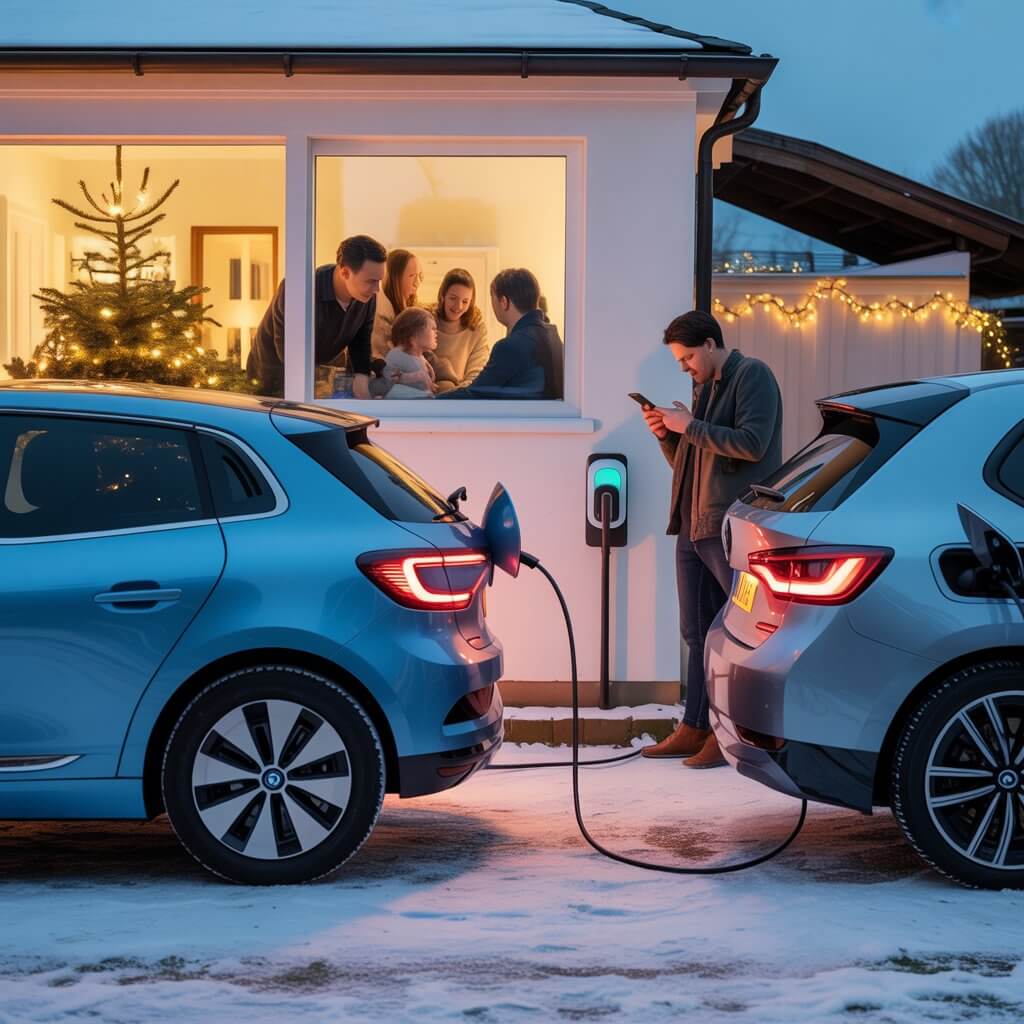
Understanding Holiday EV Charging Demand — What the Data Shows
Before getting into strategies, understanding why holiday charging is different from normal charging calibrates the solutions.
The US Holiday Charging Peak — By the Numbers
Thanksgiving (late November): Thanksgiving is the single largest EV charging demand event in the US calendar. The FHWA estimates 55 million Americans travel 50+ miles during Thanksgiving week — a significant and growing proportion now in EVs. The charging demand this creates on the Wednesday before Thanksgiving and Thanksgiving Day itself is the highest single-day demand the US public charging network experiences.
Real-world data from 2024-2025 Thanksgiving periods shows:
- Supercharger station queue times: 10-35 minutes at major interstate corridor stations
- Electrify America utilisation: 85-95% at peak hours on Wednesday and Thursday
- Average session delay vs normal operation: 18-25 minutes additional wait time per charging stop
- Stations experiencing 3+ simultaneous queued vehicles: over 40% of major corridor stations
Christmas and New Year (late December): Second highest US charging demand peak. The December 26th return travel day creates concentrated demand similar to Thanksgiving eve but with additional cold weather effects on range and charging speed.
Memorial Day and Independence Day (late May and early July): Summer holiday peaks with different characteristics — less concentrated on single days, spread across long weekends, with summer temperatures improving range but leisure destinations often having limited charging infrastructure.
The geography of US holiday charging stress: Interstate charging corridors are the stress points — I-95 (Northeast corridor), I-5 (West Coast), I-10 (Southern corridor), I-70 (Midwest corridor). Holiday charging stress is concentrated at the charging stations on these routes rather than uniformly distributed.
The European Holiday Charging Peak — By the Numbers
Christmas (December 22-27): The concentrated European Christmas holiday travel period creates demand spikes comparable to US Thanksgiving. The December 23rd morning departure wave (families leaving for Christmas destinations) and December 27th return wave are the specific peak demand events.
UK data from 2024-2025 Christmas period:
- Motorway service EV charging hub utilisation: 90-100% during peak hours
- Average wait time at busy motorway hubs: 15-30 minutes
- Pod Point and BP Pulse station occupancy December 23-27: 30-40% higher than November average
August Summer Holiday Exodus (France, Germany, Spain, Italy): The first weekend of August — when millions of French, German, Spanish, and Italian families begin their summer holidays simultaneously — creates a concentrated charging demand event on European motorway charging networks that has no US equivalent.
French A6 and A7 motorways (Lyon-Marseille corridor), German A9 (Munich-Nuremberg), Spanish AP-7 (Barcelona-Valencia) all experience extreme charging congestion on the first August weekend.
Easter (late March/April): Significant European charging demand peak — less concentrated than Christmas but spread across the 4-day Easter weekend. UK motorway charging hubs experience 25-40% higher utilisation during the Easter weekend.
Strategy 1 — Charge the Night Before, Not the Morning Of
This is the single most effective holiday EV charging strategy and the one most people don’t do.
Why It Matters
On a normal driving day, many EV owners charge the night before routinely. During holidays, family preparations, late-night packing, and social activities disrupt the routine. The morning-of charge — plugging in at 9am for an 11am departure — is how people arrive at the first charging station of their holiday drive with 73% battery instead of 100%.
The difference between starting a 400-mile Thanksgiving drive at 100% versus 73%:
- At 100%: Two charging stops planned, comfortable margins, flexibility for traffic
- At 73%: Potentially three charging stops, reduced flexibility, arriving at the first stop with less buffer than planned
The night-before protocol:
- Charge to 95-100% the evening before holiday departure (winter drives justify the extra 15-20% over the usual 80% daily limit)
- Set the departure time in your car’s app for your planned morning departure
- The car’s battery management maintains charge and pre-conditions as appropriate
For households with multiple EVs (the two-car Thanksgiving drive scenario): Coordinate charging schedules so both vehicles complete their overnight charge before departure morning. On a 100-amp panel with the Emporia Pro’s load management, both vehicles charging simultaneously at reduced speed overnight still achieve full charge if charging starts by 10pm for a 7am departure.
Strategy 2 — Plan Your Holiday Route Around Charging Availability, Not Charging Location
The Normal Route Planning Mistake
Most EV owners plan their holiday route using the same navigation they use for normal drives — adding EV charging stops as waypoints based on distance from home. This works on a quiet Tuesday. It fails on Thanksgiving Wednesday.
On a quiet Tuesday, a specific Electrify America station at mile 180 of your route has 4 stalls and you’ll use one immediately upon arrival. On Thanksgiving Wednesday, that station has 4 stalls, all occupied, with 3 vehicles waiting. Your planned 25-minute stop becomes a 55-minute stop.
The Holiday Route Planning Approach
Step 1: Use ABRP with real-time station occupancy data (Plus subscription) ABRP’s Plus subscription includes real-time station occupancy data for major networks. On holiday travel days, routing through stations with more stalls and lower historical occupancy at your planned arrival time significantly reduces wait time.
Stations with 16+ stalls vs stations with 4 stalls during holidays: A 20-stall Supercharger can absorb holiday demand in ways a 4-stall station cannot. Route planning that specifically identifies high-stall-count stations as holiday charging stops is a practical difference maker.
PlugShare filtering for holiday route planning: PlugShare’s station detail view shows stall count and recent user check-ins. Filter for stations with 10+ stalls and check recent check-in reports for congestion mentions during previous holiday periods.
Step 2: Plan one more charging stop than you need On a normal drive, plan charging stops at 15-20% arrival SOC to maximise driving time between stops. On holiday drives, plan to arrive at charging stops with 25-30% SOC and charge to 80% — the extra stop builds in flexibility when one station has an unexpectedly long queue.
Step 3: Identify alternative charging options for each planned stop For every planned holiday charging stop, identify the next nearest alternative with stall count and distance. If your primary stop has a 30-minute queue and the alternative 8 miles away is empty, you spend less total time on the 8-mile detour than waiting in queue.
Step 4: Depart outside peak hours when possible Thanksgiving Wednesday afternoon is the worst time to be on the I-95 corridor. Departing on Thanksgiving morning (before 8am) or on Tuesday evening dramatically reduces both traffic and charging station congestion.
For UK Christmas drivers: Departing December 22nd evening rather than December 23rd morning moves you outside the peak departure wave that concentrates charging demand.
Strategy 3 — Holiday Charging at Your Destination: The Forgotten Preparation
Most holiday charging guides focus entirely on the drive. The destination charging scenario — charging at a family home, holiday rental, or hotel over the holiday period — is often more stressful than the drive itself.
Charging at Family Homes (US and Europe)
The realistic family home charging scenario: You arrive at your parents’ house for Christmas. They don’t have an EV. Their garage has a standard household socket. Your Hyundai Ioniq 5 has 35% battery. You’re staying for 4 days.
At 2.3 kW from a standard socket, you add approximately 18 kWh per 8-hour overnight period — approximately 90 km of range per night. Over 4 nights: 72 kWh added, approximately 360 km of range. For a 4-day stay with minimal driving, this is adequate.
For longer drives from the family home during the stay: If you plan day trips of 150+ km from the family home, a standard socket overnight may not fully replace the day’s consumption. Options:
- Identify public Level 2 charging near the family home for a 2-3 hour top-up during a shopping trip or errand
- Ask family if there’s a 32A commando or NEMA 14-50 socket in the garage or workshop
- Plan your day trips around charging stops
The family home charging conversation to have before arrival: Call ahead. Ask: “Is there any chance you have a socket in the garage I could plug into? Even a standard one — I just want to keep the car topped up over the few days we’re there.” This conversation, had before arrival, avoids the awkward moment of discovering there’s no outdoor socket accessible at the property.
The gift that keeps giving — for EV-owning family visiting non-EV households: For regular Christmas or Thanksgiving visits to non-EV family homes, it’s worth asking whether they’d consider having a 32A commando (UK) or NEMA 14-50 (US) socket installed in their garage. This is a £100-$200 electrical job that dramatically improves future visit charging — and as EVs become more common among family members, the investment pays back quickly.
Charging at Holiday Rentals
Airbnb and holiday rental charging in 2026: A growing proportion of UK and European holiday rentals explicitly advertise EV charging as an amenity — either a dedicated Type 2 home charger or at minimum a 32A commando socket. Airbnb’s filtering now includes “EV charger” as a facility filter in most European markets.
The booking strategy: When booking a holiday rental for a period that requires EV charging, filter for “EV charger” or specifically ask the host in advance: “What EV charging options are available? I’m happy to bring my own cable — I just need to know whether you have a Type 2 charger, a 32A commando socket, or just standard sockets.”
What to do when the rental has only standard sockets: For a Renault 5 Standard Range with 40 kWh battery and 60 km daily holiday driving:
- Daily consumption: approximately 11 kWh
- Replacement from standard 2.3 kW socket overnight: approximately 18 kWh
- Result: Battery increases by approximately 7 kWh per night = 35 km of growing buffer
For larger EVs (BMW iX, Tesla Model Y Long Range) with higher daily consumption on longer holiday drives:
- Standard socket overnight may not keep pace with daily consumption on high-mileage days
- Plan charging stops at DC fast chargers for 1-2 sessions during the holiday week rather than relying entirely on rental socket
Charging at Hotels
The holiday hotel charging reality: During peak holiday periods, hotel EV chargers are high-demand assets. A hotel with 4 Type 2 charging bays and 40 EV guests arriving for Christmas has a physical capacity problem.
Strategies for holiday hotel EV charging:
Book the charger, not just the room: Contact the hotel before booking or at booking to confirm EV charging availability. Some hotels now allow pre-booking of EV charging bays alongside the room booking. This is worth asking about explicitly rather than assuming availability.
Arrive with enough battery to charge through the night: Rather than arriving at 30% and hoping a charger is available, plan your drive to arrive with 40-50% and the ability to charge slowly from a standard socket overnight if the dedicated charger is occupied.
Ask about standard sockets in the car park: As with family homes, many hotels have workshop, maintenance, or exterior sockets that are accessible to guests by request. The 32A commando or NEMA 14-50 adapter in your road trip kit (covered in our road trip charging kit guide) is specifically valuable for this scenario.
Use PlugShare hotel reviews for holiday-specific feedback: PlugShare hotel reviews often mention holiday charging availability — search for recent December or July check-ins at your planned overnight stop for real-world holiday charging reports.
Strategy 4 — Grid Stress During Holiday Periods: Smart Charging Considerations
The holiday EV charging handling extra demand in US and Europe peak seasons challenge extends beyond individual charging decisions — during peak holiday periods, grid stress affects electricity pricing and availability in ways that smart charger users need to understand.
US Holiday Grid Stress
Thanksgiving evening: Thanksgiving evening (when 55 million people simultaneously cook holiday meals, run heating, and start home EV charging after arriving at destinations) represents one of the highest domestic electricity demand events in the US calendar. Grid operators in the US Northeast, Midwest, and Southeast all see demand spikes on Thanksgiving evening.
For TOU tariff users: Some US TOU tariffs have higher peak rates on holidays — check your specific tariff terms. PG&E’s TOU rates, for example, include holiday peak pricing that can significantly increase electricity costs for charging during early Thanksgiving evening.
Smart charger response: The Emporia Pro’s TOU scheduling automatically avoids these high-rate periods — if you’ve configured your charging schedule for overnight off-peak rates, your Thanksgiving evening arrival at home triggers charging that starts during the off-peak window rather than the high-demand evening period. This is the smart charger TOU benefit working exactly as designed during the highest-cost period of the year.
For load management users: Thanksgiving evening has the highest coincident home electricity demand of the year. The Emporia Pro’s load management is more critical on Thanksgiving evening than almost any other night — the combination of holiday cooking (oven, multiple burners, dishwasher) and HVAC on a cold late November evening creates exactly the peak load scenario where the Vue’s real-time monitoring prevents breaker trips.
UK and European Holiday Grid Stress
Christmas Day (UK): The UK’s electricity grid experiences unusual demand patterns on Christmas Day — extremely low demand during the morning (nobody at work) followed by a sharp peak at approximately 3pm (the Queen’s Speech peak, now replaced by the TV broadcast peak) and sustained high demand during Christmas evening.
For Octopus Agile users: Christmas Day Agile pricing shows unusual patterns — very cheap or even negative pricing during Christmas morning (low demand) and elevated pricing during Christmas afternoon/evening. Smart Agile scheduling on Christmas Day specifically rewards flexible overnight and morning charging.
December 26th in the UK: The Boxing Day electricity demand profile includes a surge in the morning as millions of households simultaneously start post-Christmas activities, followed by a sustained high period. For UK EV owners departing for Boxing Day holiday travel, early morning charging completion (before 7am) captures cheaper Agile pricing before the Boxing Day demand surge.
August French Holiday Weekend: The first weekend of August — when millions of French households simultaneously turn on air conditioning at their holiday destinations — creates a significant demand event on the French electricity grid. EDF’s Heures Creuses overnight pricing remains available but the peak surcharges during August afternoon/evening periods are higher than average.
Strategy 5 — Managing Guest EVs During Holiday Hosting
For EV owners hosting family and friends during holiday periods, managing charging for multiple vehicles — including guests’ EVs — creates specific challenges that most EV charging guides don’t address.
The Multi-EV Holiday Hosting Scenario
Christmas at your home. You have a Tesla Model Y. Your brother arrives with a Ford Mach-E. Your sister arrives with a Renault 5. One home charger. Three EVs. A 200-amp panel with Emporia Pro load management.
This is a genuinely common 2026 scenario and it’s worth solving before it arrives.
The Panel Capacity Calculation
With three EVs needing overnight charging on a 200-amp panel (assuming standard US home loads):
- Typical evening baseline: 40-50A (heating, appliances, lights)
- Available for EV charging: 160A (80% of 200A) – 50A = 110A
- Three simultaneous 48A charges = 144A — exceeds available headroom
- Three simultaneous 32A charges = 96A — within available headroom
The practical three-EV holiday charging solution:
Option A: Sequential charging Charge one vehicle at a time at full speed. Each charge completes before the next starts. For three vehicles needing 20-80% overnight:
- Tesla Model Y Long Range: approximately 4.5 hours at 11.5 kW
- Ford Mach-E: approximately 4 hours at 11.5 kW
- Renault 5 Standard Range: approximately 3.5 hours at 7.2 kW
Total sequential charge time: approximately 12 hours. Starting at 9pm, all three vehicles are charged by 9am. Feasible with a single home charger if guests park sequentially.
Option B: Load-managed simultaneous charging With Emporia Pro + Vue managing total load, three EVs charge simultaneously at reduced speed (approximately 30A each, 7.2 kW each) within safe panel limits. All three complete overnight with 8+ hours available.
Option C: Portable EVSE for guest vehicles Primary charger handles your vehicle. Guests use a NEMA 14-50 or commando socket and portable EVSE for their vehicles. Requires having the portable charging infrastructure covered in our road trip charging kit guide.
The Guest Charging Conversation
A brief conversation with EV-owning guests before they arrive resolves the holiday charging coordination issue:
“We have one home charger — let’s coordinate. Can you arrive with at least 50% so we’re not all in a rush to charge immediately? I’ll prioritise whoever has the longest drive tomorrow.”
This conversation — awkward to avoid having, simple once you have it — prevents the holiday morning scenario where three EVs are all trying to charge and one family is leaving with 62% because there wasn’t enough time.
For UK Flat Owners Hosting Guests
UK flat owners with a single OZEV-approved charger and a visiting family member with an EV face the sequential charging constraint with greater time pressure. Planning strategies:
- Identify the nearest public Level 2 charging for guest use during their stay
- Use PlugShare to find overnight charging options near your flat for guests who need significant top-ups
- Be honest with guests about available charging capacity before they arrive
US Holiday Peak Periods — Specific Guide by Season
Thanksgiving Week Charging Guide
The five days that matter:
- Wednesday before Thanksgiving: Highest single-day charging demand of the US year
- Thanksgiving Day: Second highest
- Sunday after Thanksgiving: Return travel peak — second only to the Wednesday before
- Monday after: Recovery day — notably less congested
The strategies:
- Depart Tuesday evening or early Thanksgiving morning — before 8am — rather than Wednesday afternoon
- Target Supercharger stations with 20+ stalls on the I-95, I-5, I-70 corridors
- Charge to 100% the night before departure
- Download PlugShare for offline use in case data connection is limited at rural stops
- Plan with 25-30% arrival SOC at charging stops rather than 15%
- Have the alternative station identified for every planned stop
The Thanksgiving dinner charging opportunity: Many Thanksgiving hosts have standard sockets or NEMA 14-50 outlets in garages. Asking on arrival: “Mind if I plug in the car while we’re at dinner?” is both practical and socially acceptable in 2026 EV culture. A 4-5 hour Thanksgiving dinner adds 20-30 kWh from a NEMA 14-50 — equivalent to a public Level 2 session.
Christmas Holiday Charging Guide (US)
The concentration of demand: US Christmas travel is more spread over December 21-23 than Thanksgiving’s Wednesday peak — slightly less concentrated but affecting more travel days.
December 26th return: The December 26th return is more compressed than the outbound — many travellers return in a 6-8 hour window in the afternoon. This creates charging station congestion comparable to Thanksgiving Sunday at many interstate corridor stations.
Strategy: Depart December 26th morning (before 9am) or December 27th to avoid the afternoon return wave. The later you leave on December 26th afternoon, the more competition for charging stations.
Independence Day and Memorial Day Guide (US)
Different demand pattern from Thanksgiving/Christmas: Summer holiday weekend charging is less concentrated than winter peaks — travel is spread across more hours and more routes. The challenge is different: summer leisure destinations often have limited charging infrastructure rather than insufficient capacity on major corridors.
The specific summer holiday challenge: A beach town, mountain resort, or rural vacation area may have 4 public Level 2 chargers for a population of weekend visitors that spikes to 10x normal. These locations don’t have the infrastructure density of interstate corridors.
Summer holiday charging strategies:
- Research charging infrastructure at your destination specifically — not just en route
- Book accommodation with on-site EV charging
- Plan a mid-stay DC fast charging session at the nearest town with adequate infrastructure
- For lake houses, mountain cabins, and rural properties: bring the full road trip charging kit (32A commando or NEMA 14-50 adapter)
European Holiday Peak Periods — Specific Guide by Season
Christmas Holiday Charging Guide (UK and Europe)
The UK Christmas travel pattern: UK Christmas travel peaks concentrate on December 23rd (southbound and westward) and December 27th (return). December 24th sees reduced traffic as most people are at their destinations.
UK motorway charging hub strategy:
- Identify alternative charging hubs for each planned stop — if the Gridserve Electric Highway hub at Exeter is full, Osprey’s station at nearby Cullompton
- The Gridserve Electric Highway hubs on the M4 and M5 are higher capacity than most alternatives — prioritise these over smaller installations
- Use Zap-Map’s live availability map (UK-specific, more detailed than PlugShare for UK motorway services) to check real-time occupancy before arriving
For Ionity stations across Europe: Ionity’s motorway stations in France, Germany, Belgium, and the Netherlands experience Christmas period queuing. The Ionity app shows real-time bay availability at specific stations — check before arrival at each planned stop.
The Christmas market driving season (Germany, Austria, Switzerland): Late November and December sees high driving activity toward Christmas market destinations in German-speaking Europe. This increases demand on urban and regional charging infrastructure rather than just motorway corridors.
August Holiday Exodus (France, Germany, Spain, Italy)
The first weekend of August: The most acute European summer charging stress event occurs on the first Friday and Saturday of August — when the August holiday tradition in France, Spain, and Italy sees millions of families depart simultaneously.
French August exodus specifics: The A6 (Paris-Lyon), A7 (Lyon-Marseille), and A9 (Orange-Barcelona) create the most congested charging corridor in Europe on the first August weekend. Ionity stations on these routes are fully occupied with queues on the August 1-3 weekend annually.
Strategy for French August holiday driving:
- Depart Thursday July 31st rather than Friday August 1st — one day earlier avoids the worst congestion
- Use Tesla Supercharger network for NACS-compatible vehicles (expanding in France) — typically lower queue times than Ionity during peaks
- Use Recharge and TotalEnergies Charge networks as alternatives to Ionity on French motorways
- Consider alternative routes — N roads rather than A roads, which have different charging infrastructure but less holiday traffic
German August holiday pattern: German August holiday travel is more distributed — many Germans travel in the first two weeks of August but the departure peak is less acute than in France. Munich-area A8 and A9 southbound toward Austria see the highest charging demand in early August.
Easter Holiday Charging (UK and Europe)
UK Easter motorway charging: Easter represents the UK’s first major holiday travel event of the year following winter. Charging infrastructure that was adequate in January encounters significantly higher demand over the 4-day Easter weekend.
Good Friday afternoon and Easter Monday afternoon are the highest demand periods — the outbound and return waves respectively.
European Easter patterns: Spanish Easter (Semana Santa) creates high demand on the AP-7 (Barcelona-Valencia-Alicante) corridor. Italian Easter (Pasqua) drives significant traffic toward beach destinations on the A1 (Rome-Naples) and coastal routes.
Holiday Charging for Specific Vehicles — Quick Reference
For Tesla Model Y/3 Owners (US and Europe)
Holiday advantage: Supercharger network access is the most significant holiday charging advantage of any EV ecosystem. Tesla’s high-stall-count Supercharger stations handle holiday demand better than most competing networks.
Holiday specific action: Use in-car navigation rather than PlugShare for Supercharger routing during holidays — Tesla’s navigation automatically routes to less congested Supercharger stations based on real-time occupancy data. This automatic congestion-aware routing is a genuine holiday charging advantage unique to Tesla.
NACS vehicle holiday note: Ford Mach-E, GM Ultium vehicles, and Rivian models with NACS now access Supercharger with the same real-time routing advantage.
For Renault 5 and Compact EV Owners (Europe)
Holiday advantage: The small battery charges faster at DC fast chargers — a Renault 5 Standard Range 10-80% takes approximately 28 minutes at an 80 kW charger. Short charging stops mean shorter total queue exposure.
Holiday specific action: Target DC fast chargers rather than AC destination chargers during holiday travel. The Renault 5’s 80 kW DC charging rate means a 25-30 minute stop replaces most of a day’s driving. Frequency of stops may be higher than for a larger EV but each stop is shorter.
Multiple short stops vs one long stop: For Renault 5 owners doing a 500 km Christmas drive, three 25-minute DC fast charge stops of 15-20 minutes each (arriving at 20% SOC, leaving at 70%) may be faster total than one longer stop at a congested single station.
For BMW iX and Luxury EV Owners (US and Europe)
Holiday challenge: Large batteries mean longer DC fast charging sessions (27-35 minutes for 10-80%) — more total station time exposure during holiday congestion.
Holiday specific action: Charge to 100% the night before. Target Ionity Ultra-High-Power stations (the iX’s 200 kW capability is best utilised at Ionity’s 350 kW stations). Plan charging stops at 35-40% arrival SOC to reduce the number of stops needed despite the slower overall speed.
For VW ID.4/ID.3 Owners (Europe and US)
Holiday advantage: The ID.4’s 135 kW DC charging on CCS2 (Europe) and CCS1 (US) provides good holiday fast-charging speed — 10-80% in approximately 28-32 minutes at peak.
For US ID.4 owners: CCS1 infrastructure on US interstate corridors is less dense than NACS Supercharger access — plan charging stops at Electrify America specifically, which has the best US CCS1 corridor coverage.
For European ID.4/ID.3 owners: Use Ionity and Allego as primary holiday corridor networks. The VW We Charge card provides access to multiple European networks from a single payment method — useful for multi-country Christmas travel.
The Holiday Charging Emergency Kit — What to Have Ready
Beyond normal road trip preparation, holiday-specific charging emergencies justify specific preparation:
US Holiday Emergency Kit Additions
Extra water and food in the car: If you’re waiting at a congested charging station on Thanksgiving Wednesday for 35 minutes, the ability to use that time productively (eating, drinking, rest stop) improves the experience. Holiday charging stops are longer than normal stops — prepare accordingly.
Offline ABRP route downloaded: Download your holiday route offline before departure. Rural areas on holiday routes sometimes have poor data coverage, and losing real-time routing data at a critical junction is a significant problem.
Multiple network apps pre-downloaded and accounts verified: Holiday charging sometimes requires using backup networks (Blink, EVgo, network-specific apps) you wouldn’t normally use. Verify these accounts work — add payment methods, confirm login credentials — before departure day.
European Holiday Emergency Kit Additions
Chargemap Pass card activated: Holiday travel often passes through countries where your primary charging network has limited presence. Chargemap Pass covers 400,000+ charging points across Europe from a single card — verify it’s activated and working before Christmas or August travel.
Printed charging station backup: Low probability but not zero: your phone dies, your data runs out, and you need to find a charging station. Having the PlugShare or Chargemap offline map downloaded before departure, or a printout of the key charging stations on your route, is insurance against this scenario.
The Home Charging Holiday Setup — Optimising Your Home for Holiday Season
Your home charging setup needs adjustment for the holiday season in ways beyond the standard daily charging routine.
For Hosting Households
Communicate your charger’s capability honestly: Telling visiting EV-owning family members “I have a 7.4 kW charger in the garage” sets expectations. Following up with “it takes approximately 4-5 hours to fully charge most EVs so we should coordinate overnight charging” completes the useful information.
Create a charging schedule: With multiple EVs at your home over Christmas or Thanksgiving, a simple charging schedule — posted on the garage wall or shared via messaging — prevents the morning discovery that a car that needed charging was never plugged in.
Consider a second NEMA 14-50 outlet: If you regularly host EV-owning family during holidays, a second NEMA 14-50 outlet in your garage is a £100-$200 electrical job that enables simultaneous charging for guest vehicles using their portable EVSE. The once-a-year holiday investment pays back in family harmony if not in dollars.
Smart Charger Holiday Settings
TOU scheduling override for holiday arrivals: If family members arrive at your home with low battery during peak pricing hours, the smart charger’s emergency override — charging immediately regardless of TOU schedule — should be configured and known. The Emporia Pro and Ohme Home Pro both have immediate charge overrides accessible through the app.
Load management awareness during holiday cooking: Christmas dinner preparation creates the highest simultaneous home electrical load of the year — oven at 40A, hob at 30A, microwave at 12A, kettle at 11A, lighting throughout the house. If you’re trying to charge an EV simultaneously, the Emporia Pro’s Vue monitoring is doing its most valuable work of the entire year keeping the panel within safe limits.
Internal Links — Further Reading on Clean Energy Bazaar
Holiday EV charging handling extra demand in US and Europe peak seasons connects directly to the preparation guides that make holiday charging manageable.
For the winter charging guide that covers cold weather effects during the Thanksgiving and Christmas holiday periods specifically, our winter EV charging guide 2026 cold weather performance US Northeast vs Europe covers battery pre-conditioning and cold weather range management in depth. For the road trip charging kit covering portable charging options for holiday travel, our road trip charging kit 2026 portable options for US and European drivers covers every item worth carrying. For the TOU scheduling strategies that minimise holiday peak electricity costs, our time-of-use EV charging savings smart chargers that cut bills in US and Europe guide covers every tariff and charger combination. For the load management solutions critical during high-demand holiday home electricity periods, our load balancing EV chargers 2026 guide covers the full picture. For the US state rebates that fund the home charger infrastructure holiday hosting requires, our US EV charger rebates by state 2026 guide covers every major programme. For the charge time data that helps you calculate holiday destination charging scenarios, our EV charge time calculator 2026 covers every major model. And for the complete two-EV household case study that directly applies to holiday hosting with multiple EVs, our case study US family with two EVs Tesla plus Ford Mach-E charging setup covers the real-world multi-EV scenario.
Final Thoughts
Holiday EV charging handling extra demand in US and Europe peak seasons is ultimately a preparation and planning challenge rather than a technology challenge. The infrastructure exists. The vehicles handle holiday driving well. The challenge is that millions of EV owners apply normal-season thinking to peak-season conditions and encounter congestion, wait times, and range situations that pre-departure planning prevents.
The five actions that make holiday EV charging reliable:
- Charge to 100% the night before departure — not the morning of. This single action provides maximum flexibility on a day when flexibility has high value.
- Plan your route with ABRP, not standard navigation — input your specific vehicle, current temperature, and target charging stops using ABRP’s accurate charging curve data rather than the optimistic estimates of general navigation.
- Plan one more charging stop than you think you need — the extra stop is cheap insurance against a congested station. Arriving with 30% SOC at a charging stop gives you options. Arriving at 12% gives you anxiety.
- Identify the alternative charging station for every planned stop — before you leave, not when you’re sitting in queue.
- Have the destination charging conversation before you arrive — with holiday rental hosts, family members, and hotels. The 2-minute conversation before arrival prevents the 90-minute problem on arrival.
Holiday EV charging in 2026 is manageable. Millions of EV owners complete Thanksgiving, Christmas, and summer holiday drives without incident every year — because they did these five things. The ones who don’t — who plan their holiday drive the same way they plan a Tuesday commute — are the ones posting frustrated forum messages on December 23rd from a motorway services car park.
Don’t be in that car park. Do these five things. Have a good holiday.