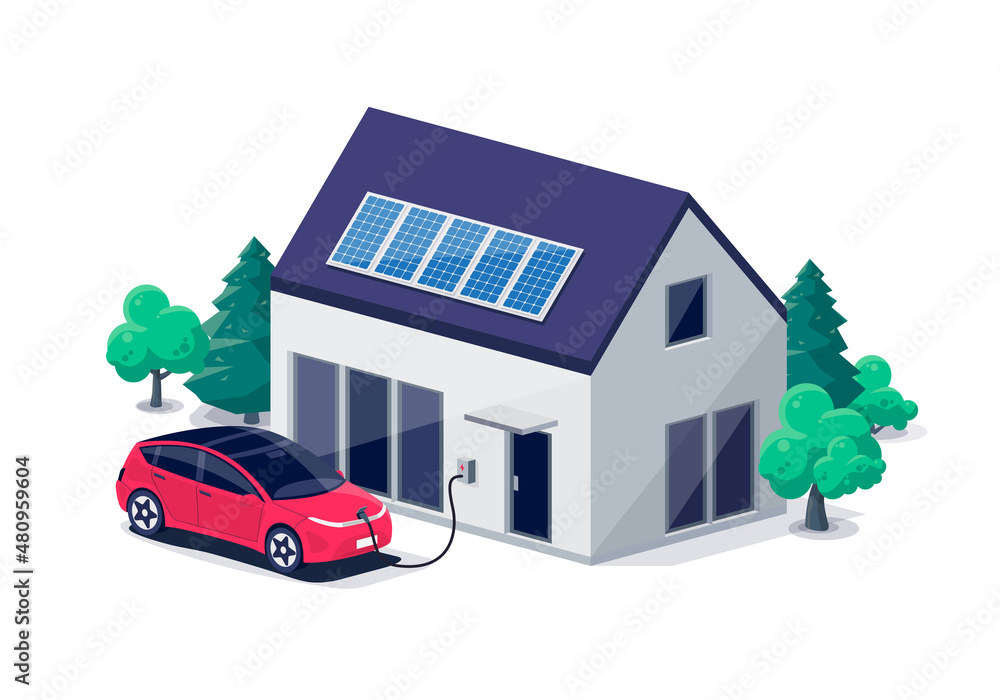
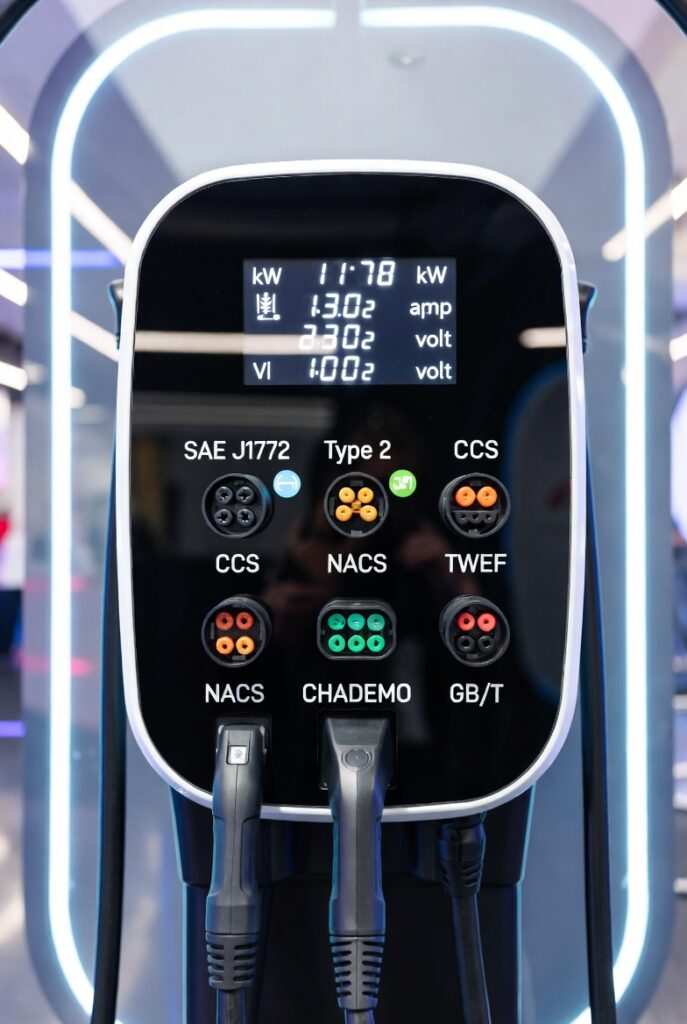
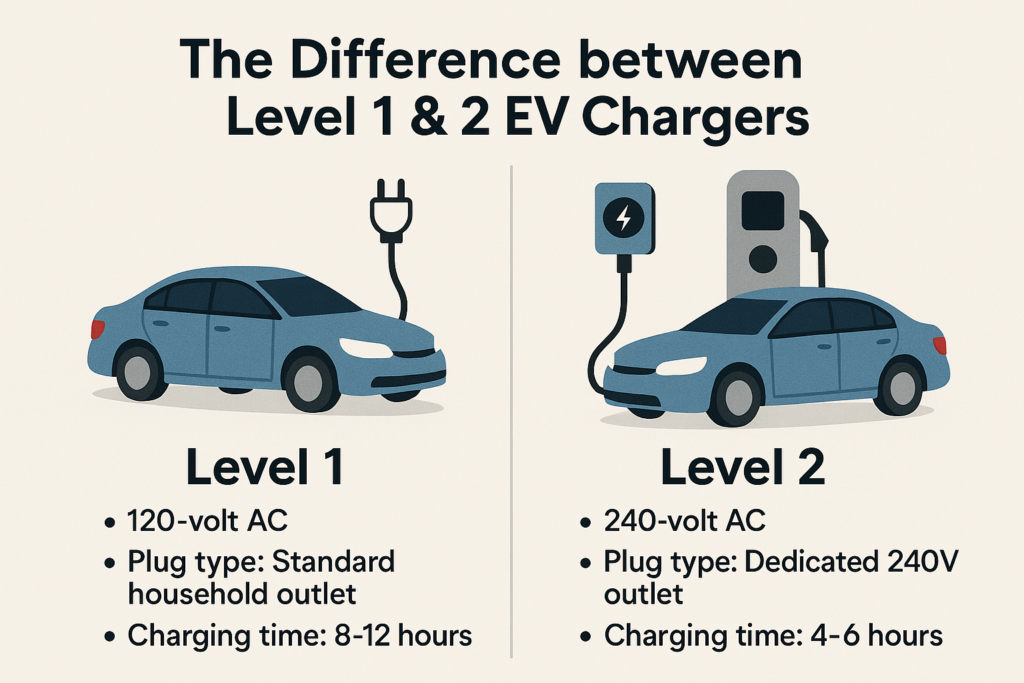
As India’s electric vehicle (EV) market surges past 3 million registrations in 2026, with projections reaching 10 million by 2030 under schemes like PM E-DRIVE, the demand for advanced charging infrastructure is skyrocketing. For homeowners in Bengaluru, Mumbai, Delhi, and other cities, current chargers often fall short—plagued by slow speeds, grid instability, and lack of integration with renewables. But upcoming EV charger technologies in India 2026 promise game-changing innovations like bidirectional V2G, wireless charging, and AI-driven systems that could eliminate range anxiety and slash energy costs.
In this in-depth guide from Clean Energy Bazaar, your go-to EV charging comparison site, we’ll explore best future EV charging innovations worth waiting for in India, their benefits for Indian households, and which ones are poised for rollout. Whether you’re eyeing a new home setup or upgrading your existing one, discover if holding off for these cutting-edge EV charger advancements in India makes sense for your needs.
Key Upcoming EV Charging Technologies Revolutionizing India
The EV charging landscape is evolving rapidly, driven by global trends and India-specific pilots. From V2G demonstrations in Delhi and Kerala to AI-optimized networks, here’s a breakdown of innovative EV charger technologies expected in India by 2026-2030.
1. Bidirectional Charging and Vehicle-to-Grid (V2G)
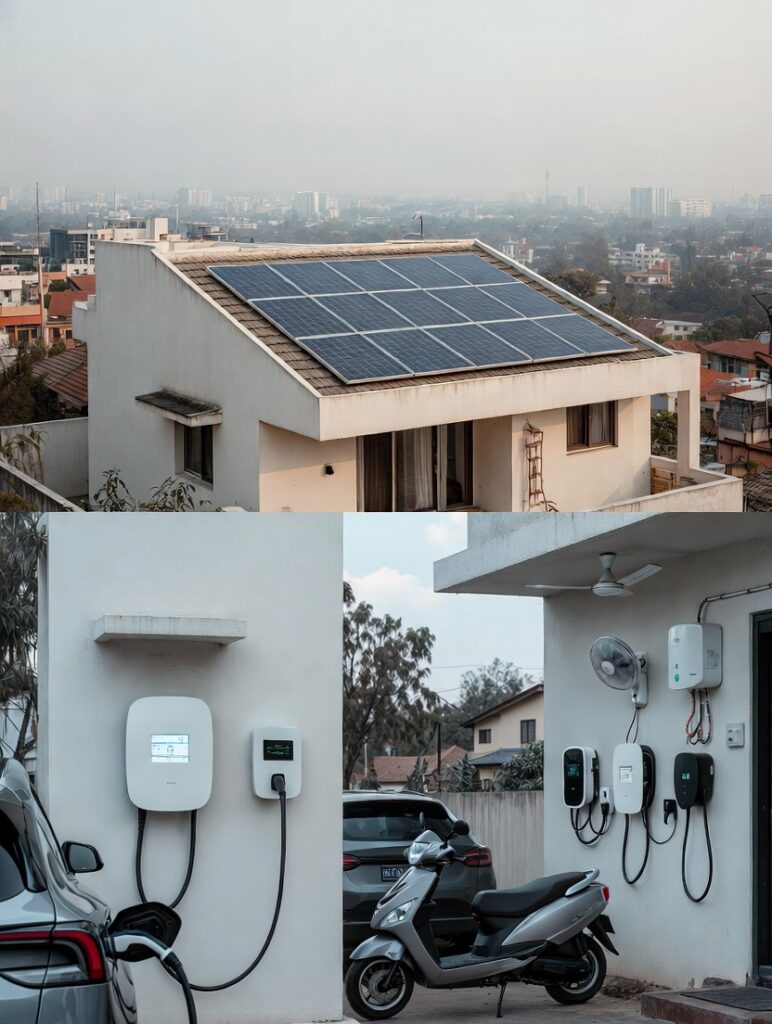
Bidirectional chargers, enabling V2G technology in India 2026, allow your EV to not only charge but also discharge power back to your home or grid. This turns your vehicle into a mobile battery, storing excess solar energy during the day and supplying it during blackouts or peak tariffs.
- How It Works: Uses AC or DC bidirectional converters with smart algorithms to manage energy flow, minimizing battery wear.
- Benefits for India: Reduces grid strain in power-scarce areas, integrates with rooftop solar (common in Bengaluru), and could earn you credits via demand-response programs. Pilots by ISGF and IIT Bombay show up to 25% cost savings.
- Worth Waiting?: Absolutely, if you have solar panels or live in outage-prone zones. Rollouts expected mid-2026 with models like Enphase IQ.
2. Wireless EV Charging Systems
Say goodbye to cables with wireless EV charging innovations in India 2026. Using electromagnetic induction, these pads charge your EV simply by parking over them—ideal for garages or public spots.
- How It Works: Coils in the ground pad transfer power to vehicle receivers, achieving 80-90% efficiency at up to 22 kW.
- Benefits for India: Convenience in humid climates, reduced wear on ports, and potential for dynamic in-road charging on highways. Early pilots in Florida inspire Indian trials.
- Worth Waiting?: Yes for urban apartments, but static versions may arrive sooner than dynamic ones by 2027-2028.
3. Ultra-Fast DC Charging
Ultra-fast EV chargers in India 2026 promise 10-20 minute full charges, rivaling petrol refills, with outputs exceeding 350 kW.
- How It Works: High-voltage DC systems (800V+) cool batteries during charging to prevent overheating.
- Benefits for India: Tackles range anxiety for long-haul trips, supports fleet electrification. ChargePoint’s Express Grid aims for nationwide deployment.
- Worth Waiting?: For public use, yes; home versions may be overkill unless you own a premium EV.
4. AI-Integrated Smart Charging
AI-powered EV chargers in India 2026 use machine learning for predictive maintenance, dynamic pricing, and load optimization.
- How It Works: Analyzes usage patterns, weather, and grid data to schedule charges, integrate V2G, and minimize costs.
- Benefits for India: Overcomes grid constraints (90% of operators cite this), boosts uptime, and cuts bills by 20-30% via off-peak shifting.
- Worth Waiting?: Essential for all, as AI features will become standard in apps from Bolt.Earth and Tata Power.
5. Solar-Integrated and Sustainable Chargers
Solar-powered EV charging technologies in India 2026 combine panels with batteries for off-grid resilience.
- How It Works: Chargers draw from solar first, storing excess for night use or V2G.
- Benefits for India: Aligns with 500 GW renewable goals, reduces dependency on erratic grids in rural areas.
- Worth Waiting?: If solar-ready, yes; incentives under FAME-III make it cost-effective.
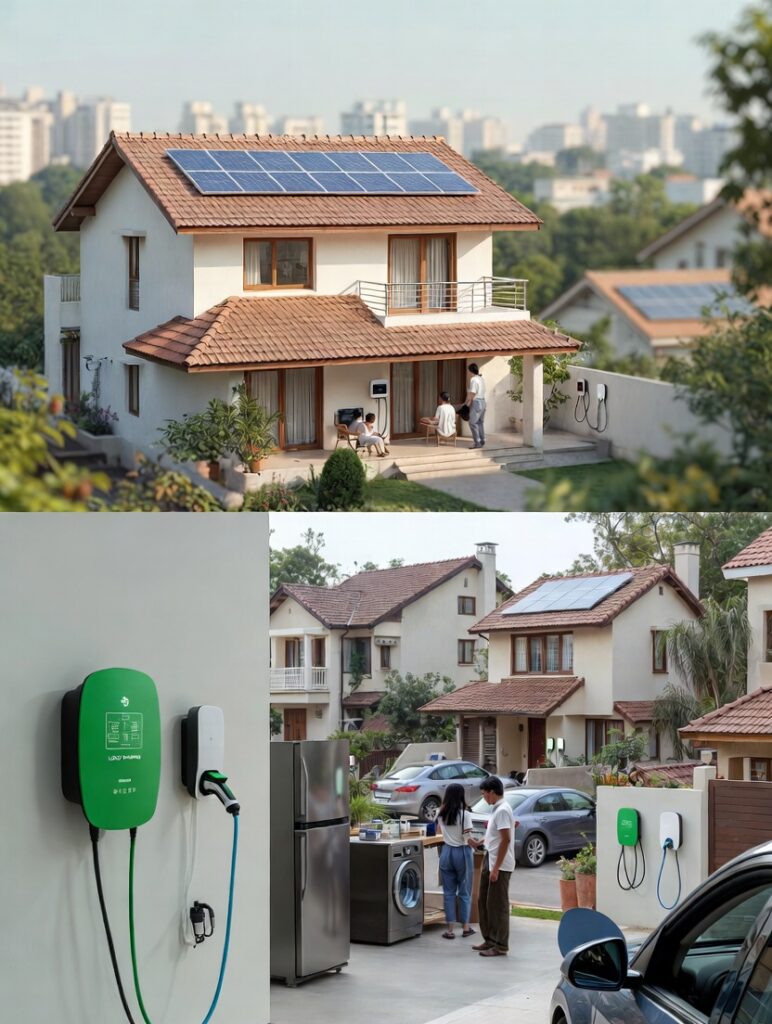
Top Upcoming EV Chargers Worth Waiting For in India 2026
Based on market forecasts and innovations, here are best upcoming EV charger models with advanced technologies in India:
- Enphase IQ Bidirectional Charger – V2G-ready, AI energy management, solar integration. Launch: Q2 2026. Price: ₹1,00,000+. Best for: Solar homes in Bengaluru.
- ChargePoint Express Grid Ultra-Fast – 350 kW DC, smart grid sync. India rollout: Late 2026. Price: ₹2,00,000+ for commercial.
- Bolt.Earth Wireless Home Charger – Induction-based, app-controlled. Expected: 2027. Price: ₹80,000+.
- Tata Power AI-Optimized EZ Charge – Predictive AI, V2G pilot. Update: Mid-2026. Price: ₹60,000+.
- Exicom Solar-V2G Spin – Bidirectional with solar priority. Launch: 2026. Price: ₹90,000+.
| Technology | Key Model | Expected Launch | Power Output | Price Range (₹) | Best For Indian Homes |
|---|---|---|---|---|---|
| V2G Bidirectional | Enphase IQ | Q2 2026 | Up to 11 kW | 1L+ | Solar-integrated setups |
| Ultra-Fast DC | ChargePoint Express | Late 2026 | 350 kW+ | 2L+ | Fleet or public use |
| Wireless | Bolt.Earth | 2027 | 22 kW | 80k+ | Apartment garages |
| AI Smart | Tata Power EZ | Mid-2026 | 22 kW | 60k+ | Urban cost-savers |
| Solar-V2G | Exicom Spin | 2026 | 22 kW | 90k+ | Eco-friendly villas |
Installation and Incentives for Future EV Chargers in India
Expect installation costs of ₹15,000-₹40,000, with BIS/ARAI certification mandatory. Government subsidies under PM E-DRIVE could cover 40-50% for V2G/solar models. In Bengaluru, providers like ElectreeFi are gearing up for these techs.
FAQs on Upcoming EV Charger Technologies in India 2026
What are the best upcoming EV charger innovations worth waiting for in India?
V2G bidirectional and AI-integrated systems for savings and reliability.
Is V2G technology ready for home use in India by 2026?
Yes, with pilots proving AC-based scalability for Indian grids.
How will AI revolutionize EV charging in Indian homes?
Through predictive optimization, reducing downtime and integrating renewables.
Are wireless EV chargers practical for Indian apartments?
Static versions yes, but dynamic road charging may take longer.
What savings can I expect from solar-integrated EV chargers in India?
Up to 30% on bills, plus grid credits from V2G.
Conclusion: Future-Proof Your EV Charging Setup
With upcoming EV charger technologies in India 2026 like V2G, wireless, and AI, waiting could unlock smarter, greener charging. Compare options on Clean Energy Bazaar to find what’s worth the wait for your Bengaluru home or beyond. Embrace the future—drive electric, charge innovative!