In the rapidly evolving landscape of electric vehicles (EVs) in India, choosing the right charging infrastructure can make all the difference for owners of electric scooters like the OLA S1 or Ather 450X. With the Indian EV market witnessing intense competition among brands such as OLA Electric, Ather Energy, TVS Motor, and Bajaj Auto, understanding the strengths and weaknesses of each network is crucial. This comprehensive comparison focuses on key aspects like coverage, charging speed, costs, and accessibility, helping you decide the best EV charging options for OLA electric scooters in major Indian cities like Bengaluru, Mumbai, Delhi, and Chennai. Whether you’re searching for “affordable fast charging stations for OLA S1 Pro in Bangalore” or “compare OLA Hypercharger vs Ather Grid network in India 2026,” this guide has you covered.
As of February 2026, the EV two-wheeler market share shows TVS and Bajaj dominating with over 20-25% each, while OLA Electric has slipped to around 6%, and Ather Energy holds strong at about 17%. Despite market shifts, charging networks remain a pivotal factor in alleviating range anxiety and promoting wider EV adoption.
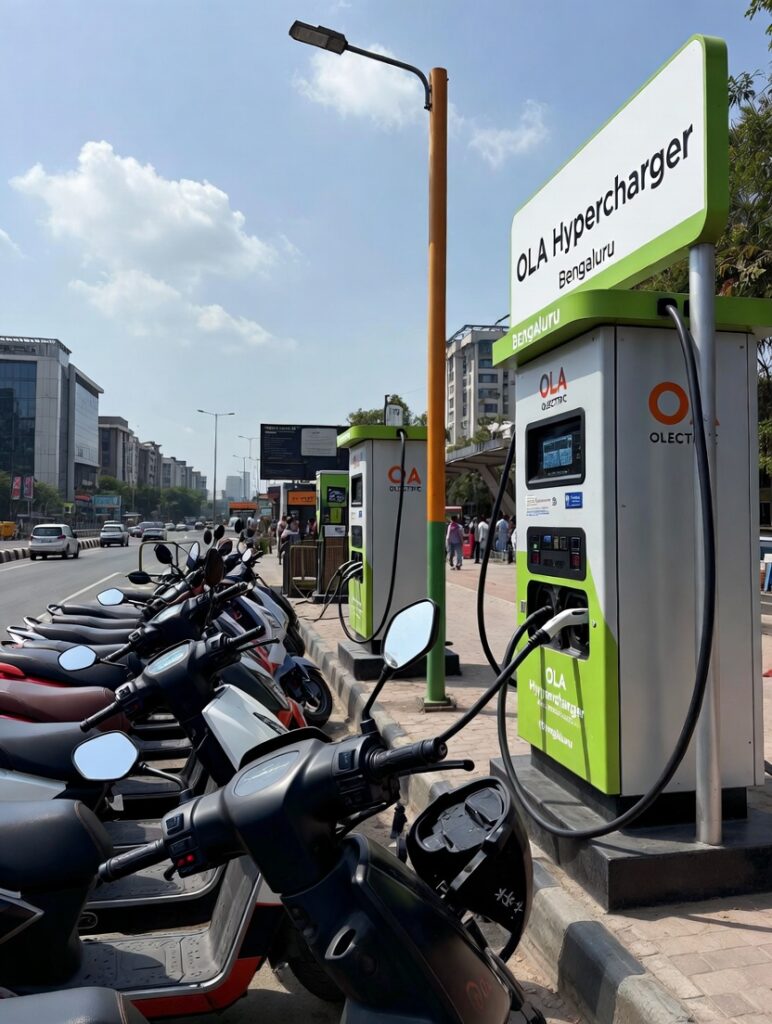
Overview of OLA Electric’s Hypercharger Network
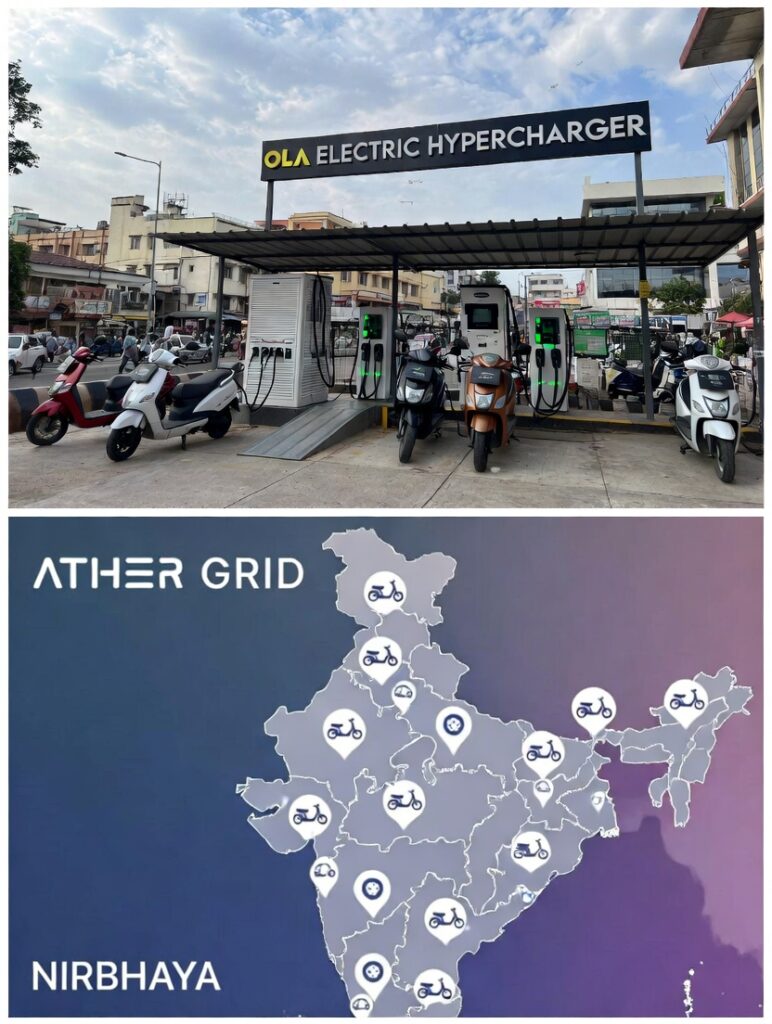
OLA Electric, a Bengaluru-based pioneer in India’s EV space, has been aggressively expanding its Hypercharger network since its inception. Designed specifically for OLA’s electric scooters like the S1 and S1 Pro, this network promises ultra-fast charging, delivering up to 75 km of range in just 15 minutes. As of late 2025, OLA boasted over 1,000 charging points across India, with plans for further growth into 2026.
Key features include:
- Fast Charging Capabilities: Compatible with OLA’s Gen 3 platform, which offers 20% higher power and range compared to earlier models.
- Coverage: Primarily concentrated in urban areas, making it ideal for city commuters searching for “OLA Electric charging stations near me in Bengaluru.”
- Integration: Seamless app-based locating and payment, reducing downtime for users.
However, OLA’s network rollout has faced delays, and it’s still catching up in Tier-2 cities compared to competitors.
Exploring Ather Energy’s Grid Network
Ather Energy, another Bengaluru-headquartered EV leader, has positioned itself as a premium player with a robust charging ecosystem. The Ather Grid is one of the largest EV bike charging networks in India, surpassing 4,700 chargers across over 300 cities as of 2026. This extensive coverage makes it a top choice for those querying “best fast charging network for Ather 450X in major Indian cities.”
Highlights of Ather Grid:
- Extensive Reach: Over 2,000-3,500 points in Tier-1 and Tier-2 locations, ensuring better accessibility than OLA in many regions.
- Charging Speed: Fast chargers provide efficient top-ups, with innovations like “Battery as a Service” reducing upfront costs for users.
- User Experience: High customer trust due to reliable service hubs (over 175+) and app integration for real-time availability.
Ather’s focus on premium segments and ecosystem building has helped it overtake OLA in sales and revenue in Q2 FY26.
Other Key Competitors in India’s EV Charging Landscape
Beyond OLA and Ather, legacy players like TVS and Bajaj are leveraging their vast service networks to build competitive charging infrastructures. For instance:
- TVS iQube Charging: TVS, with a 21.9% market share in November 2025, integrates charging with its extensive dealer network. It offers home charging solutions and partnerships for public stations, ideal for “affordable EV charging options for TVS iQube in Delhi.”
- Bajaj Chetak Network: Leading with 26% market share, Bajaj focuses on reliability, with charging points tied to its widespread service centers. It’s great for users in rural or semi-urban areas.
- Emerging Players: Companies like Ampere (part of Greaves Cotton) and Zypp Electric are also expanding, though their networks are smaller and more niche-focused.
Government initiatives, such as funding for 532 charging stations by 2022, continue to bolster overall infrastructure.
Head-to-Head Comparison: OLA vs Ather vs Others
To help you choose the “best EV charging infrastructure for electric scooters in India 2026,” here’s a detailed comparison table:
| Aspect | OLA Hypercharger | Ather Grid | TVS/Bajaj Networks | Other (e.g., Ampere) |
|---|---|---|---|---|
| Number of Points (2026 Est.) | 1,000+ | 4,700+ | 500-1,000 (integrated with dealers) | 200-500 |
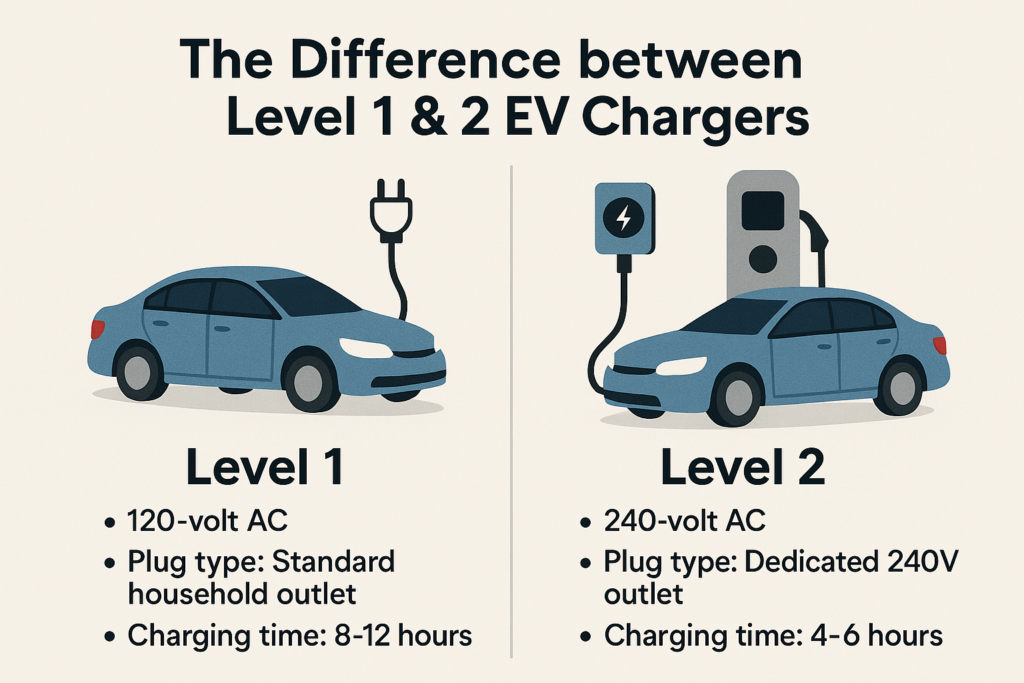
| Charging Speed | 75 km in 15 min | Comparable fast charge | Standard (4-6 hours full) | Variable |
| Coverage Cities | 100+ (urban focus) | 300+ | Nationwide (strong in South/West) | Limited to metros |
| Cost per Session | ₹2-5/km (app-based) | ₹3-6/km | Often free at dealers | ₹4-7/km |
| Compatibility | OLA scooters primary | Ather + open to others | Brand-specific | Open |
| Pros | Fast, integrated with OLA app | Extensive, reliable | Affordable, widespread service | Niche affordability |
| Cons | Slower expansion, urban-limited | Premium pricing | Slower speeds | Smaller scale |
This table highlights why Ather might edge out for “compare OLA Electric charging network with Ather in Bengaluru,” given its larger local presence.
Pros, Cons, and Future Outlook for EV Charging in India
Pros of OLA’s Network: Ideal for quick top-ups in cities, reducing “range anxiety for OLA S1 owners in Mumbai.” Its in-house tech like indigenous batteries enhances efficiency.
Cons: Market share decline (from 40% to 6%) signals potential service issues, and slower network growth compared to Ather.
Looking ahead to 2026, expect more integrations with solar and smart tech, as seen in OLA Shakti’s lithium-ion advancements. Challenges like imported battery dependencies persist, but investments in local manufacturing could change the game.
Conclusion: Which EV Charging Network Suits You Best?
If you’re an OLA Electric owner in Bengaluru seeking “fast charging stations for electric scooters near me,” the Hypercharger network offers speed and convenience. However, for broader coverage and reliability, Ather Grid stands out, especially in a competitive market where Ather has surpassed OLA in key metrics. Ultimately, your choice depends on your location, scooter model, and budget. For more personalized comparisons, check our other guides on EV charging in India, and consider factors like home vs public charging.
Stay updated on the latest EV trends, and drive sustainably! If you have experiences with these networks, share in the comments below.