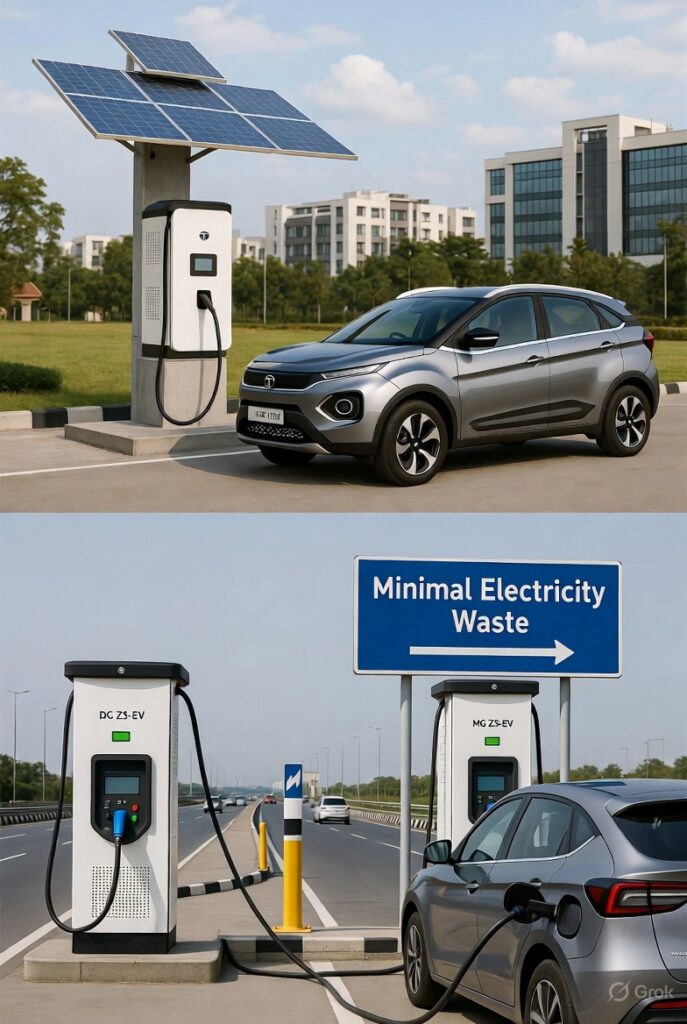
In the rapidly evolving world of electric vehicles (EVs) in India, where EV adoption is surging thanks to government incentives like PM E-DRIVE and falling battery prices, one key concern for owners is minimizing electricity costs. With electricity tariffs varying across states—often ranging from ₹5-₹10 per unit in cities like Bengaluru or Delhi—choosing energy-efficient EV chargers can make a big difference in your monthly bills. This article dives into an energy efficiency comparison of EV chargers, helping you identify which ones waste the least electricity. Whether you’re searching for the best energy efficient EV chargers in India 2026 or tips to minimize electricity waste in EV charging for Tata Nexon EV or MG ZS EV, we’ve got you covered.
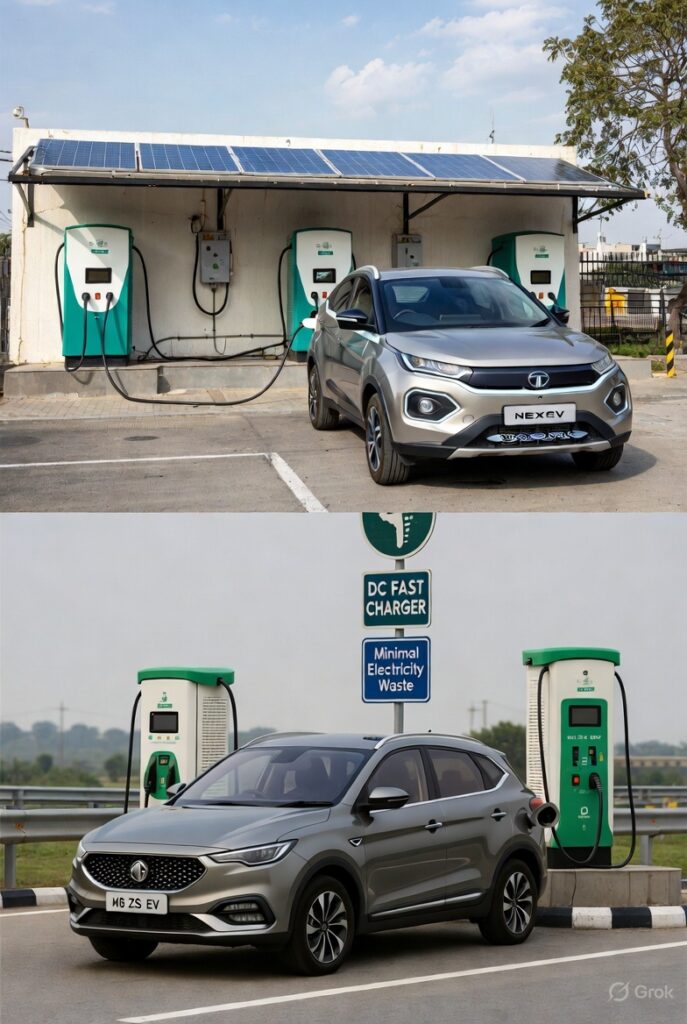
Energy efficiency in EV charging refers to how much of the electricity drawn from the grid actually ends up in your vehicle’s battery, rather than being lost as heat or during conversion. Inefficient chargers can waste 5-15% of power, adding up to unnecessary costs and higher carbon footprints, especially in a country like India where renewable integration is key to sustainable mobility.
What Makes an EV Charger Energy Efficient?
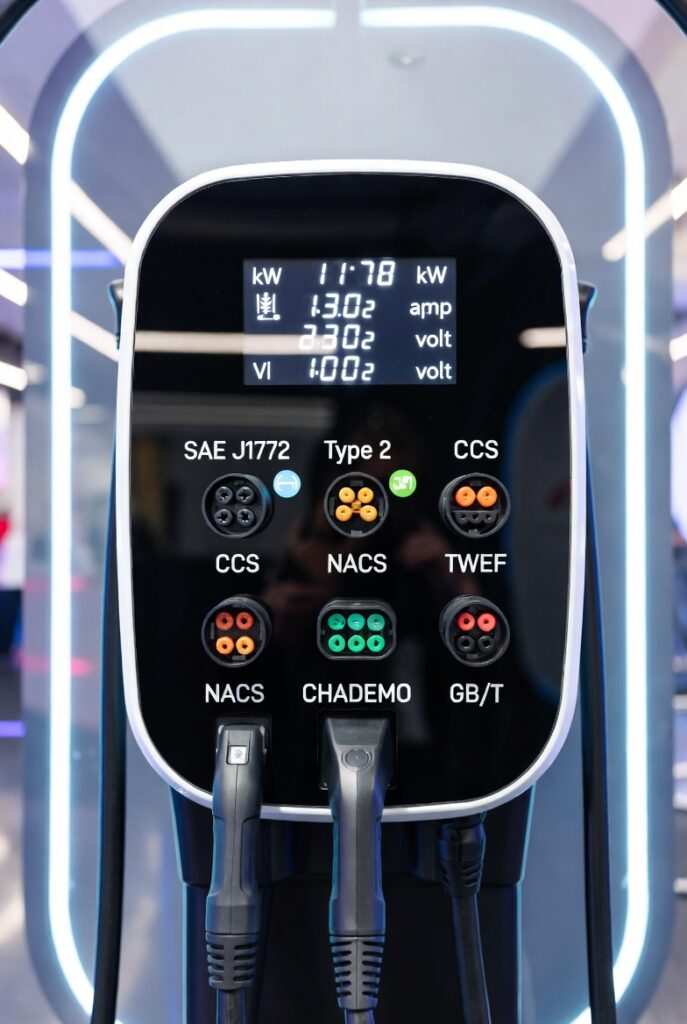
Before comparing models, it’s essential to understand the basics. EV chargers fall into two main categories: AC (Alternating Current) and DC (Direct Current). The core difference lies in how they convert and deliver power, which directly impacts efficiency and waste.
- AC Chargers: These are common for home and workplace use. They supply AC power from the grid, which your EV’s onboard charger converts to DC for the battery. This conversion process can lead to 5-15% energy loss, depending on the charger’s quality and vehicle model. Typical efficiency: 85-95%.
- DC Chargers: Also known as fast chargers, these convert AC to DC at the station itself, delivering direct power to the battery. This bypasses the vehicle’s onboard converter, reducing losses to as low as 3-10%. Typical efficiency: 90-97%.
According to recent data from sources like the International Energy Agency (IEA) and Indian EV reports, DC chargers generally waste less electricity overall, but AC options shine for overnight charging due to lower heat generation and better battery health. For Indian users, factors like grid stability, solar integration, and time-of-day (ToD) tariffs (e.g., BESCOM’s off-peak rates in Karnataka) play a huge role in real-world efficiency.
AC vs DC EV Charger Efficiency Comparison in India
When comparing AC vs DC EV charger efficiency in India, the choice depends on your usage. AC chargers are ideal for daily commutes in urban areas like Mumbai or Hyderabad, where vehicles park for hours. DC chargers suit highway travel or fleet operations, minimizing downtime but potentially increasing waste if overused.
Here’s a detailed breakdown:
AC Charger Efficiency: Pros, Cons, and Waste Minimization
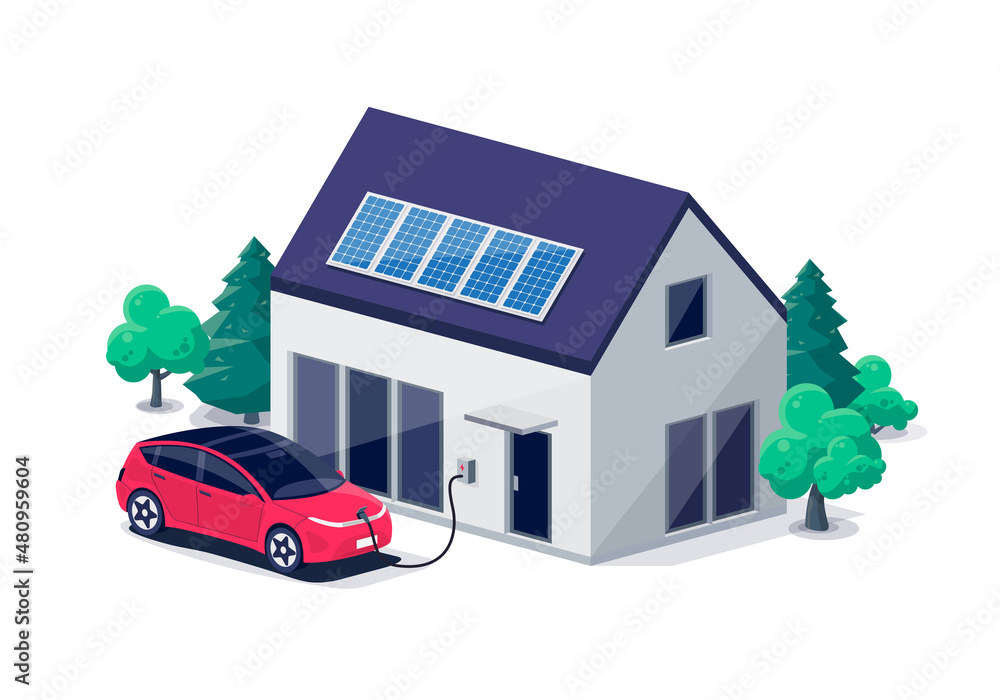
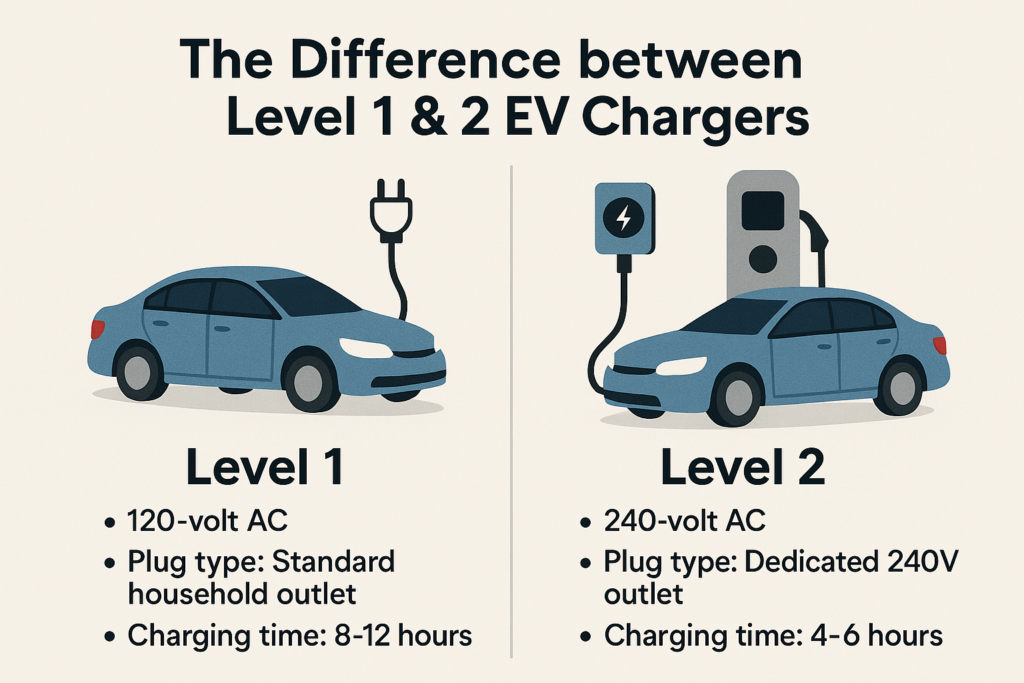
AC chargers, like Level 2 (3.3kW-22kW), are slower but often more practical for home setups. They waste electricity mainly during the AC-to-DC conversion inside the EV, but modern smart AC chargers with load balancing can optimize this.
- Efficiency Range: 85-95%. For example, a 90% efficient AC charger means only 90 units out of 100 drawn from the grid reach the battery.
- Pros: Gentler on batteries, cheaper to install (₹10,000-₹1,00,000), and integrable with rooftop solar for near-zero waste.
- Cons: Slower charging (4-10 hours for a full charge), higher relative waste per session if not optimized.
- Waste Factors: Conversion losses (10-15%), especially in hot Indian climates where heat dissipation reduces efficiency.
Popular energy-efficient AC chargers in India include:
- Victron EV Charging Station (Single/Three Phase): Up to 95% efficiency with solar priority mode, perfect for minimizing electricity waste in EV charging with rooftop solar in Indian homes. Costs ₹40,000-₹1,00,000; ideal for Ather 450X or Ola S1 users.
- Tata Power EZ Charge Home Charger: 92% efficiency, app-based scheduling for off-peak ToD tariffs, reducing waste by 15-20% annually.
For minimal waste, pair AC chargers with solar panels—common in states like Tamil Nadu or Gujarat—to achieve effective efficiencies over 95%.
DC Charger Efficiency: Pros, Cons, and Waste Minimization
DC fast chargers (50kW-350kW) are the go-to for quick top-ups, with higher upfront efficiency due to external conversion.
- Efficiency Range: 90-97%. A 95% efficient DC charger wastes just 5 units per 100, making it superior for high-power sessions.
- Pros: Faster (20-60 minutes to 80% charge), lower conversion losses, and suitable for commercial fleets.
- Cons: Generates more heat, potentially degrading batteries faster; higher installation costs (₹5,00,000+); not ideal for frequent home use.
- Waste Factors: Cable resistance and component losses (3-10%), but overall less than AC for large charges.
Top efficient DC chargers available in India 2026:
- Delta 240kW DC Fast Charger: Boasts 95% efficiency, with dynamic load balancing to minimize waste. Great for highways or malls in Delhi-NCR.
- Mindra Chronos Gen 2.1: Ultra-fast with 97% efficiency, launched in 2025 for India’s EV fleets. Reduces waste through intelligent energy management.
- VNT 1MW DC Charger: India’s first homegrown high-power option at 95%+ efficiency, tailored for heavy-duty EVs like buses, minimizing waste in long-haul transport.
In comparisons, DC chargers like these waste 20-30% less electricity than equivalent AC setups for the same energy delivered, per studies from Nature and IEEFA.
Comparison Table: Energy Efficiency of Popular EV Chargers in India
To help you compare EV charger energy loss and find the most efficient EV chargers for minimal electricity waste in India, here’s a table based on 2026 data:
| Charger Type | Model/Brand | Efficiency (%) | Power Output | Typical Waste per 100 Units | Best For | Cost Range (₹) |
|---|---|---|---|---|---|---|
| AC (Home) | Victron Single Phase | 92-95 | 3-7.3kW | 5-8 units | Home with solar, daily commutes | 40,000-80,000 |
| AC (Smart) | Tata Power EZ Charge | 90-92 | 3.3-7.4kW | 8-10 units | Apartments in Bengaluru/Mumbai | 10,000-50,000 |
| DC (Fast) | Delta 240kW | 95 | 50-240kW | 3-5 units | Fleets, highways | 5,00,000+ |
| DC (Ultra-Fast) | Mindra Chronos Gen 2.1 | 97 | 150-350kW | 2-3 units | Commercial hubs, long-haul | 10,00,000+ |
| DC (High-Power) | VNT 1MW | 95+ | 500-1000kW | 3-5 units | Buses/trucks in industrial areas | 20,00,000+ |
Data sourced from manufacturer specs and Indian EV reports; actual waste varies by temperature and grid quality.
Tips to Minimize Electricity Waste in EV Charging for Indian Users
Even the most efficient chargers can waste power if not used smartly. Here are practical ways to reduce EV charging energy loss in hot Indian summers or during peak hours:
- Opt for Smart Chargers: Models with app scheduling (e.g., Bolt.Earth or Exicom) use ToD tariffs for off-peak charging, cutting waste by 10-20%.
- Integrate Solar Power: With India’s push for rooftop solar (accelerated in 2026 budgets), combine chargers like Victron with panels for 70-90% waste reduction.
- Avoid Overcharging: Stop at 80% on DC chargers to prevent efficiency drops (can waste 20% more time and power beyond that).
- Maintain Optimal Temperatures: Charge in shaded areas; heat can increase losses by 5-10%.
- Choose the Right Level: For short trips, AC minimizes waste; for urgency, DC’s higher efficiency wins.
By following these, EV owners in India can achieve running costs as low as ₹1-2 per km at home vs. ₹4-6 on public stations.
Conclusion: Choosing the Best Charger for Minimal Waste
In this energy efficiency comparison, DC chargers like the Delta 240kW or Mindra Chronos edge out as winners for wasting the least electricity, especially for high-volume users. However, for most Indian households with models like Hyundai Kona or Kia EV6, energy-efficient AC chargers with solar integration offer the best balance of cost, convenience, and minimal waste.
If you’re in Bengaluru or elsewhere in Karnataka, consider local incentives for smart setups. For personalized recommendations on the most efficient home EV chargers for Indian homes or to compare EV charger electricity waste for specific models, check our site’s tools or contact us. Drive green, save smart—India’s EV future is efficient!
Last updated: February 2026. Always verify latest specs from manufacturers.