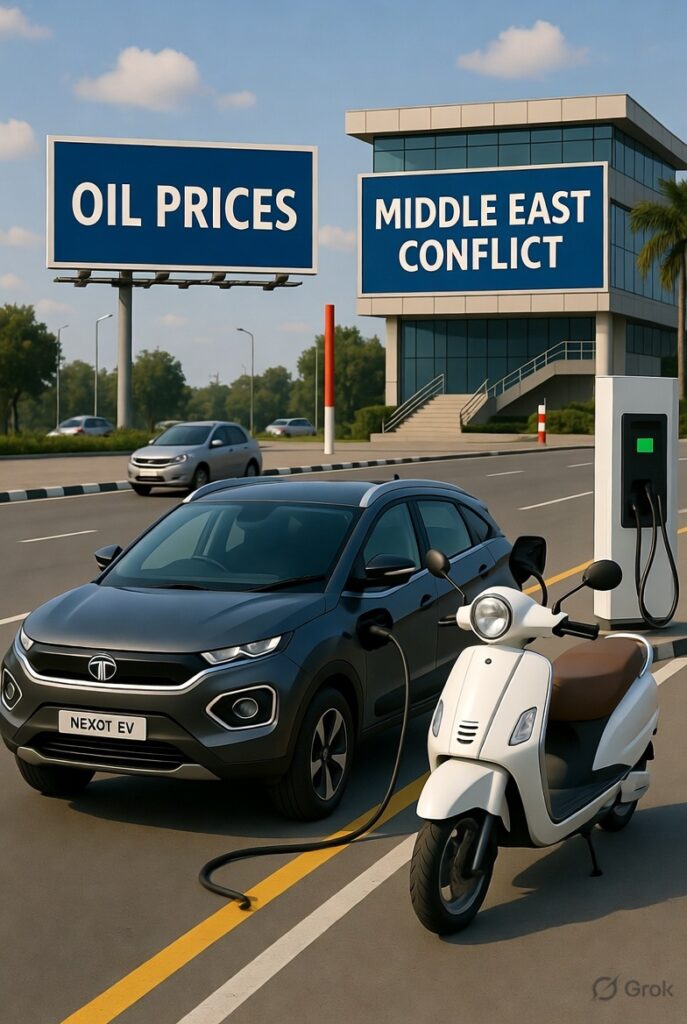
How the Escalating Middle East Conflict is Reshaping EV Sales and the Electric Vehicle Market in India in 2026
In the wake of the escalating US-Israel-Iran conflict that erupted in late February 2026, global oil markets have been thrown into turmoil. Brent crude prices have surged dramatically climbing as much as 13% in early March sessions and hovering around $85–90 per barrel as of March 6, 2026—driven by disrupted shipments through the Strait of Hormuz, halted tanker traffic, and fears of prolonged supply shocks.
For India, which imports nearly 85% of its crude oil needs with a significant portion routed through this critical chokepoint, the impact of Middle East conflict on oil prices in India is immediate and severe. Analysts warn that sustained high prices could widen the current account deficit, fuel inflation, and strain household budgets as petrol and diesel costs edge higher in major cities like Mumbai and Delhi.
Yet, amid these challenges lies a silver lining for India’s rapidly growing electric vehicle market. Skyrocketing fuel expenses are accelerating consumer interest in EVs, where running costs remain dramatically lower often under ₹0.15–0.20 per km for popular two-wheelers like the Ola S1 Pro or Ather 450X, compared to ₹8–10 per km for petrol equivalents at current rates.
India’s EV sector already showed strong momentum in early 2026, with January passenger EV sales jumping 51% year-on-year to over 18,000 units and overall retail EV volumes reaching around 219,000 units (up 28% YoY). Projections now point to passenger EV sales potentially crossing 200,000–260,000 units in FY26, even as the broader market navigates geopolitical headwinds.
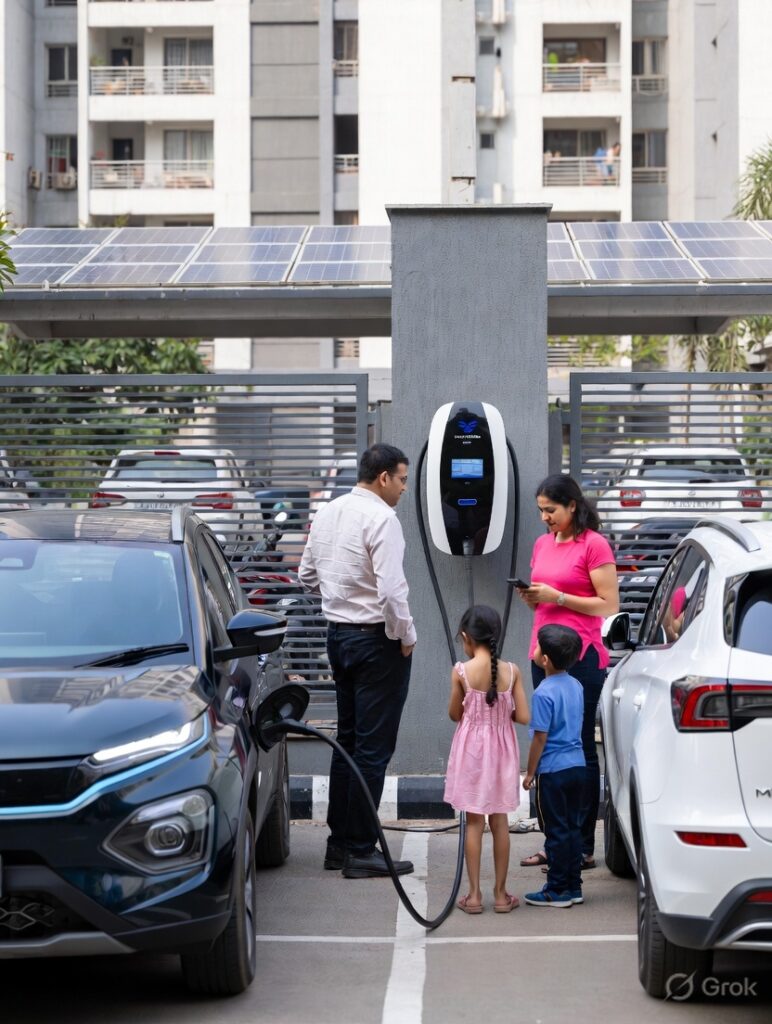
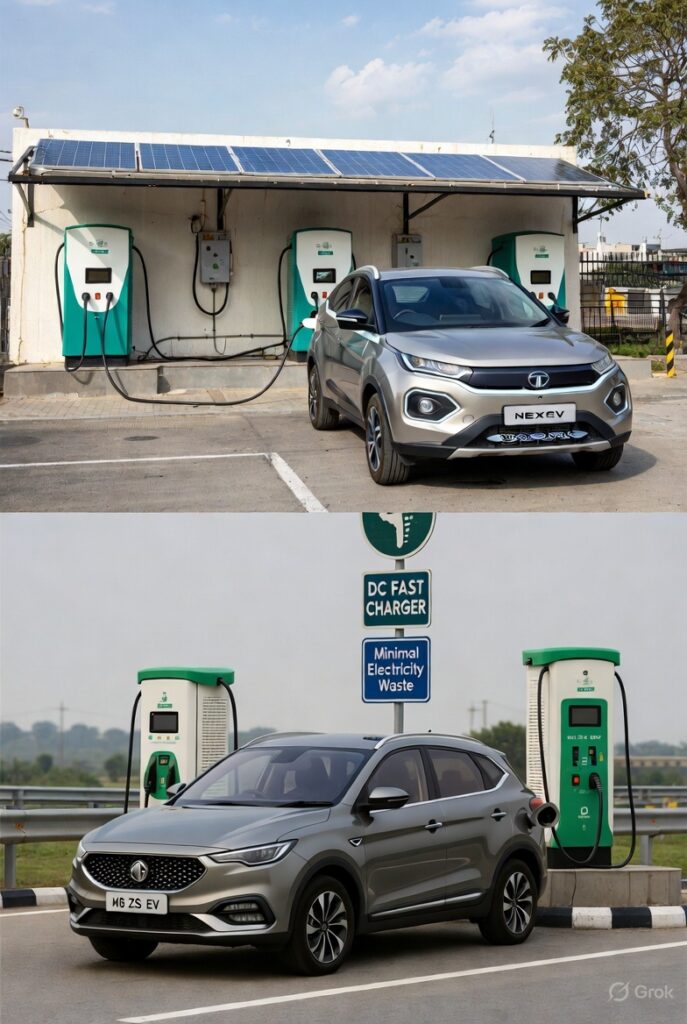
The Middle East war boosting EV adoption in India effect is clear: higher petrol prices make the total cost of ownership for models like the Tata Nexon EV, MG ZS EV, or Mahindra XUV400 far more attractive, especially for urban commuters facing daily fuel bills crossing ₹100+ per liter. This unintended push could help India sustain its trajectory toward 22 million cumulative EV sales by 2035 and penetration rates exceeding 50% in key segments.
However, supply chain ripples from the conflict including higher logistics costs, delayed component imports, and potential battery material volatility pose short-term hurdles for charging infrastructure rollout and new model launches.
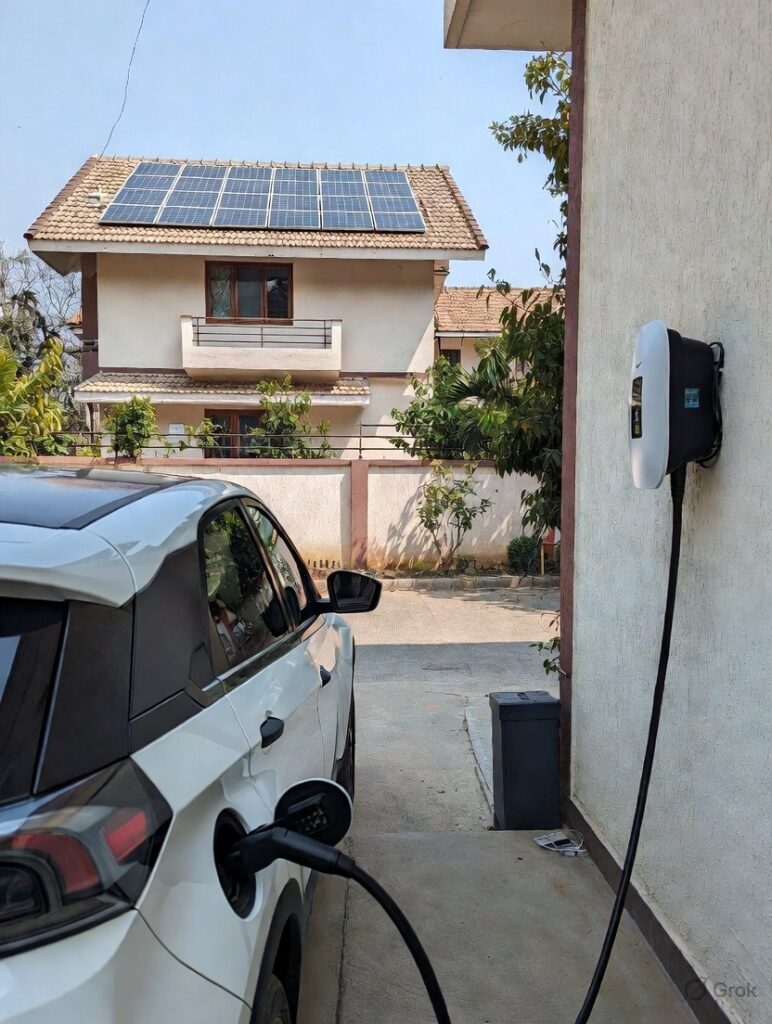
As the situation unfolds, the geopolitical tensions accelerating India’s shift to electric mobility underscore a pivotal moment: while global instability disrupts traditional energy flows, it may catalyze faster domestic EV growth and greater energy independence.
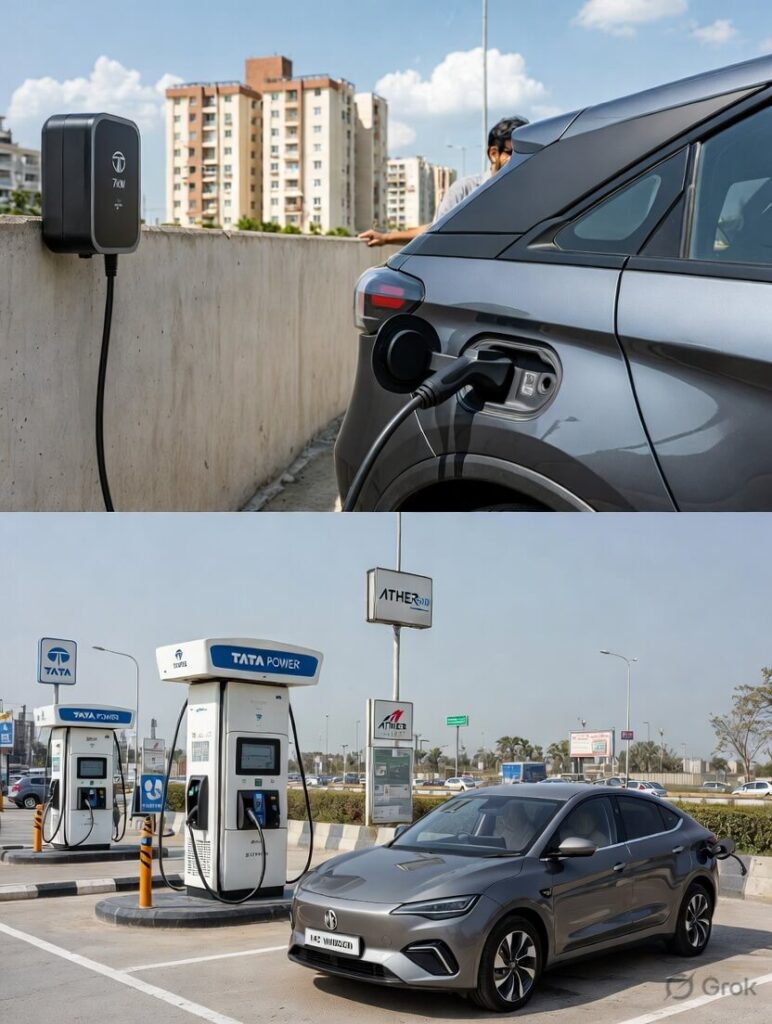
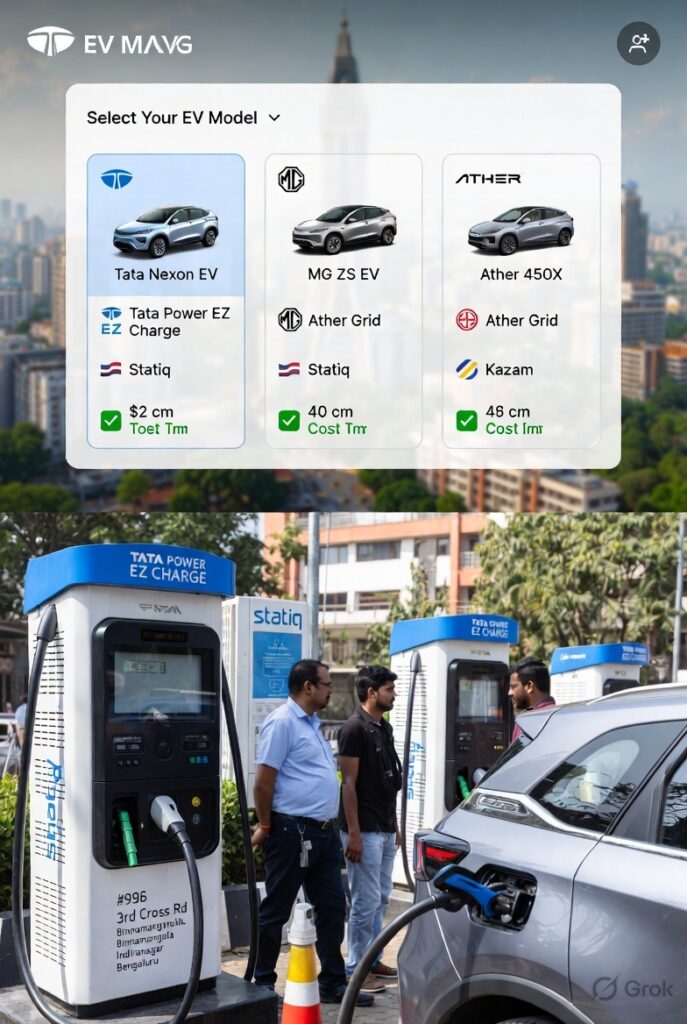
Stay tuned to our platform for the latest updates on how these events influence EV charging station comparisons in Mumbai and across India because in uncertain times, smart charging choices make the biggest difference.