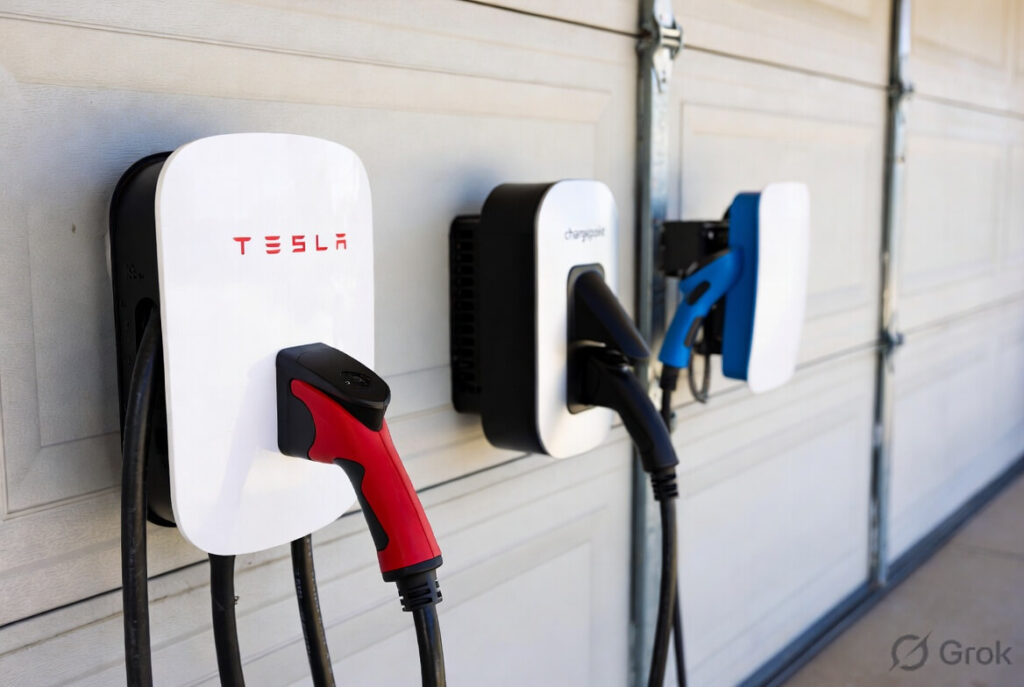
Tesla Universal Wall Connector vs ChargePoint Home Flex vs Emporia Pro comparison 2026 – best home EV charger side by side on garage wall
EV charging

Tesla Universal Wall Connector vs ChargePoint Home Flex vs Emporia Pro: 2026 US Comparison

Looking for the best home EV charger in 2026? This in-depth Tesla Universal Wall Connector vs ChargePoint Home Flex vs Emporia Pro comparison breaks down pricing, charging speed, smart features, installation options, and energy savings to help you choose the right Level 2 EV charger for your Tesla or non-Tesla vehicle. Discover which NACS-compatible charger wins for speed, flexibility, and long-term value.
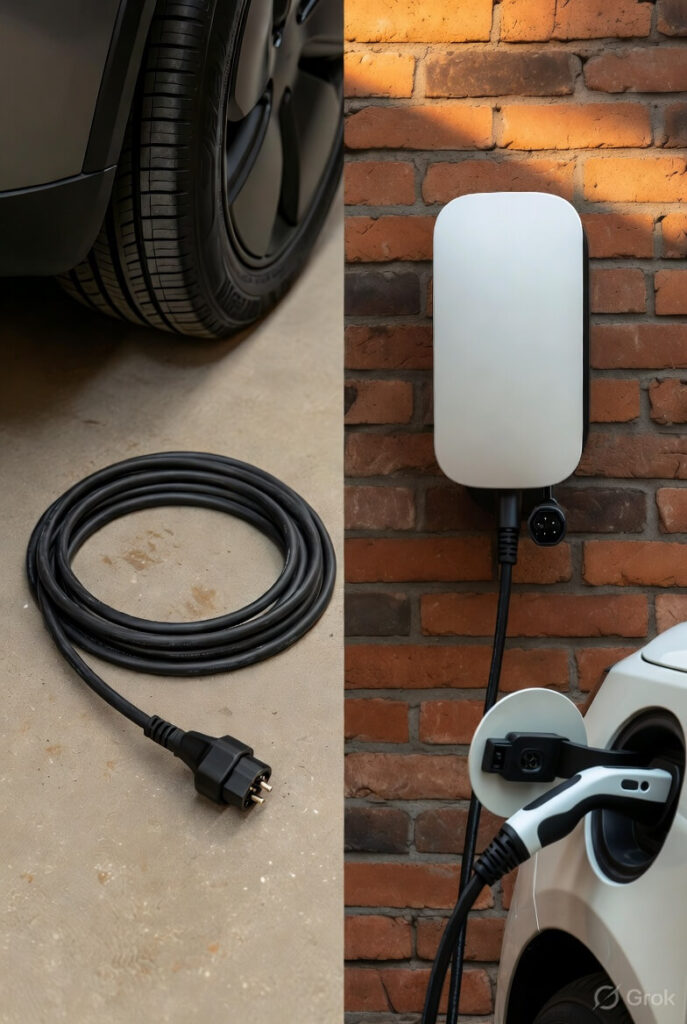
Side by side comparison of a portable EV charger cable on a garage floor and a hardwired EV wall charger mounted on a brick wall, visually representing the core portable vs hardwired home EV chargers US Europe decision that every new electric vehicle owner in the US and Europe needs to make in 2026
EV charging

Portable vs Hardwired Home EV Chargers US Europe 2026: The Brutally Honest Guide for US and European Drivers That Actually Helps You Decide

Most EV charger guides skip the portable vs hardwired question entirely and jump straight to comparing brand names — assuming you’ve already decided you want a permanently installed unit on your garage wall. But a significant number of EV owners have a genuinely legitimate case for choosing portable over hardwired. And an equally significant number buy a portable charger thinking it’ll do everything a hardwired unit does and discover the limitations the hard way. This honest guide on portable vs hardwired home EV chargers US Europe gives you the real comparison — not just specs but the hidden costs on both sides, the situations where portable is clearly the right answer and the situations where it clearly isn’t. Including the five decision questions that make the right choice obvious once you answer them honestly.

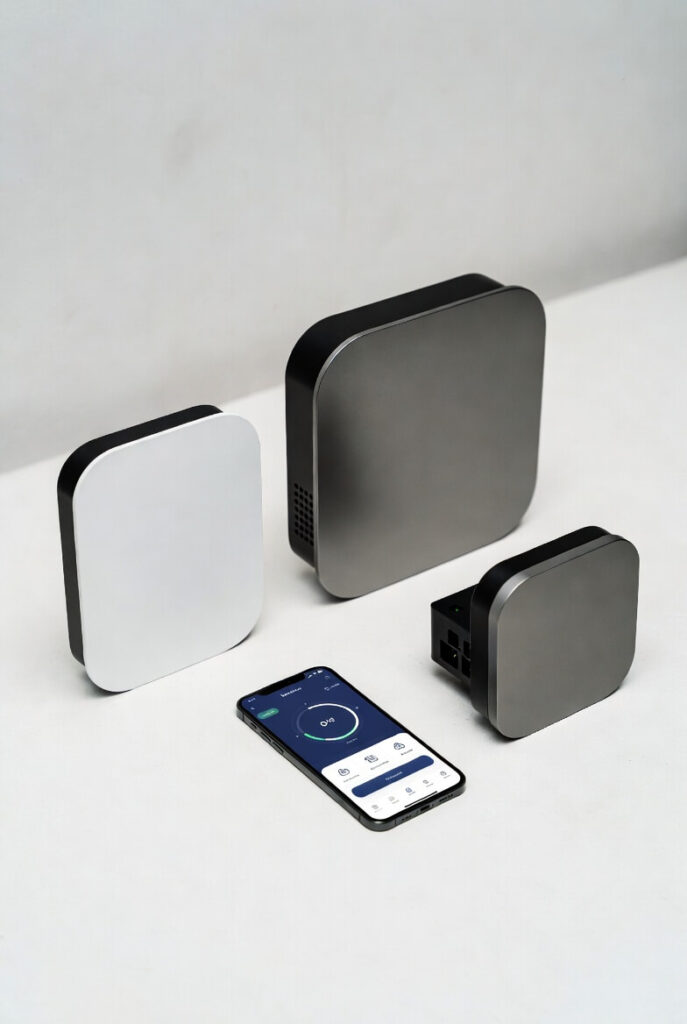
Three smart home EV wall charger units placed side by side with a smartphone showing a charging app dashboard, representing the core comparison in our guide to smart EV chargers 2026 features worth the cost including the Emporia Pro Tesla Universal Wall Connector and Myenergi Zappi
EV charging

Smart EV Chargers 2026: Features Worth the Cost? Emporia Pro vs Tesla Universal Wall Connector vs Zappi — Brutally Compared

The basic home EV charger costs £400 or $350. The smart version of essentially the same hardware costs £650 or $600. The sales pitch mentions solar integration, TOU scheduling, load balancing, bidirectional readiness, and an app that apparently does everything except make your coffee. But which smart EV chargers 2026 features are actually worth the cost — and which ones are marketing features that sound impressive on a spec sheet and rarely get used in real life? This guide compares three of the most talked-about smart chargers in 2026 — the Emporia Pro, the Tesla Universal Wall Connector, and the Myenergi Zappi — feature by feature, with honest verdicts on what pays for itself and what doesn’t. Then gives you a clear framework for deciding whether smart features are worth the premium for your specific situation.

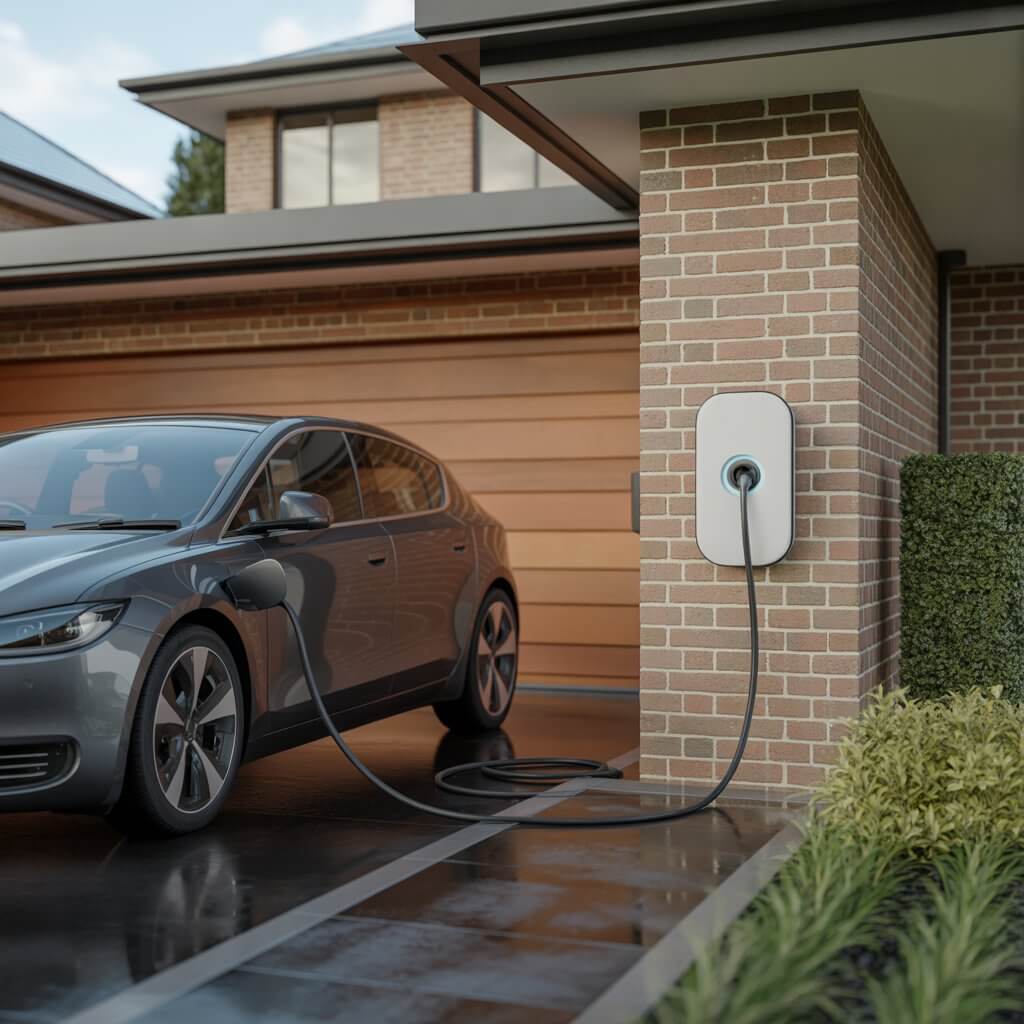
Modern British home exterior with a white Level 2 EV wall charger mounted on a brick wall and an electric car plugged into the driveway, representing the ideal home charging setup covered in our best Level 2 EV chargers UK Europe 2026 comparison guide for Wallbox Easee and Hypervolt buyers
EV charging

Best Level 2 EV Chargers UK Europe 2026: Wallbox vs Easee vs Hypervolt — The Honest Comparison Nobody Else Is Writing

There are roughly forty home EV chargers available in the UK and European market in 2026. Most comparison guides cover six of them, rank them in whatever order maximises affiliate revenue, and call it a day. This honest comparison of the best Level 2 EV chargers UK Europe 2026 covers the brands that actually matter — Wallbox, Easee, Hypervolt, Myenergi Zappi, Zaptec, Ohme, ABB Terra, Pod Point and more — with real specs, real installation requirements, honest warranty assessments, and straight verdicts on where each one falls short. It also covers the OZEV grant, UK smart tariff compatibility, and the single-phase vs three-phase question that catches out more UK and European buyers than any other spec on the sheet.

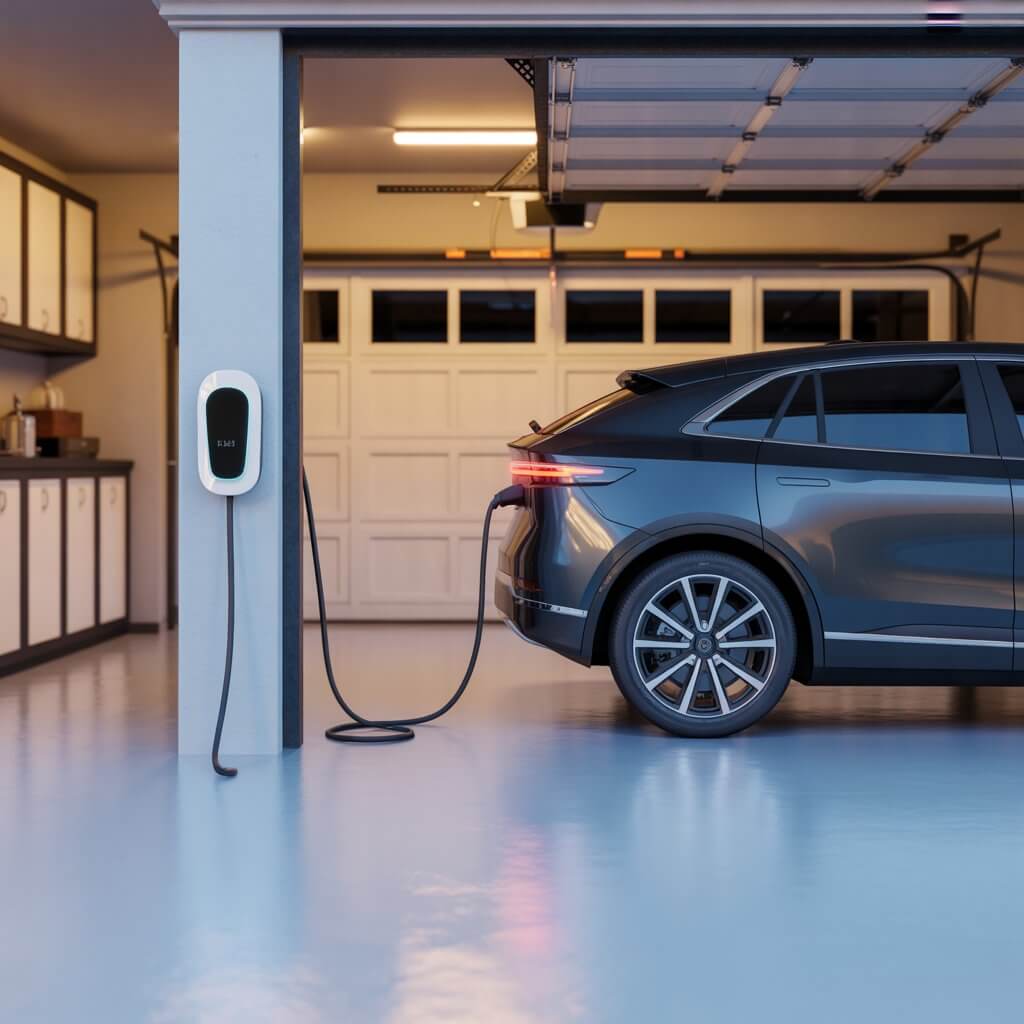
Modern American home garage with a white EV wall charger mounted on the wall and an electric SUV plugged in, representing the ideal home charging setup for US homeowners researching the best home EV chargers 2026 US market has to offer
EV charging

Best Home EV Chargers 2026 US: Top 10 Honest Comparison for US Homeowners That Nobody Tells You About

Half the best home EV charger guides online were written by someone who never installed one. The rankings are based on spec sheets and affiliate commission rates — not real ownership experience over 18 months of daily use. This honest comparison of the best home EV chargers 2026 US homeowners should actually consider covers ten of the most widely available options on the market right now — from the $179 Amazon Basics entry point to the $699 ChargePoint Home Flex — with real specs, real installation requirements, real warranty assessments, and honest verdicts on where each one falls short. Whether you drive a Tesla on NACS, a Chevrolet Bolt on J1772, or a newer Ford or Rivian that’s already transitioned, this guide gives you the information to buy right the first time without the post-purchase regret.

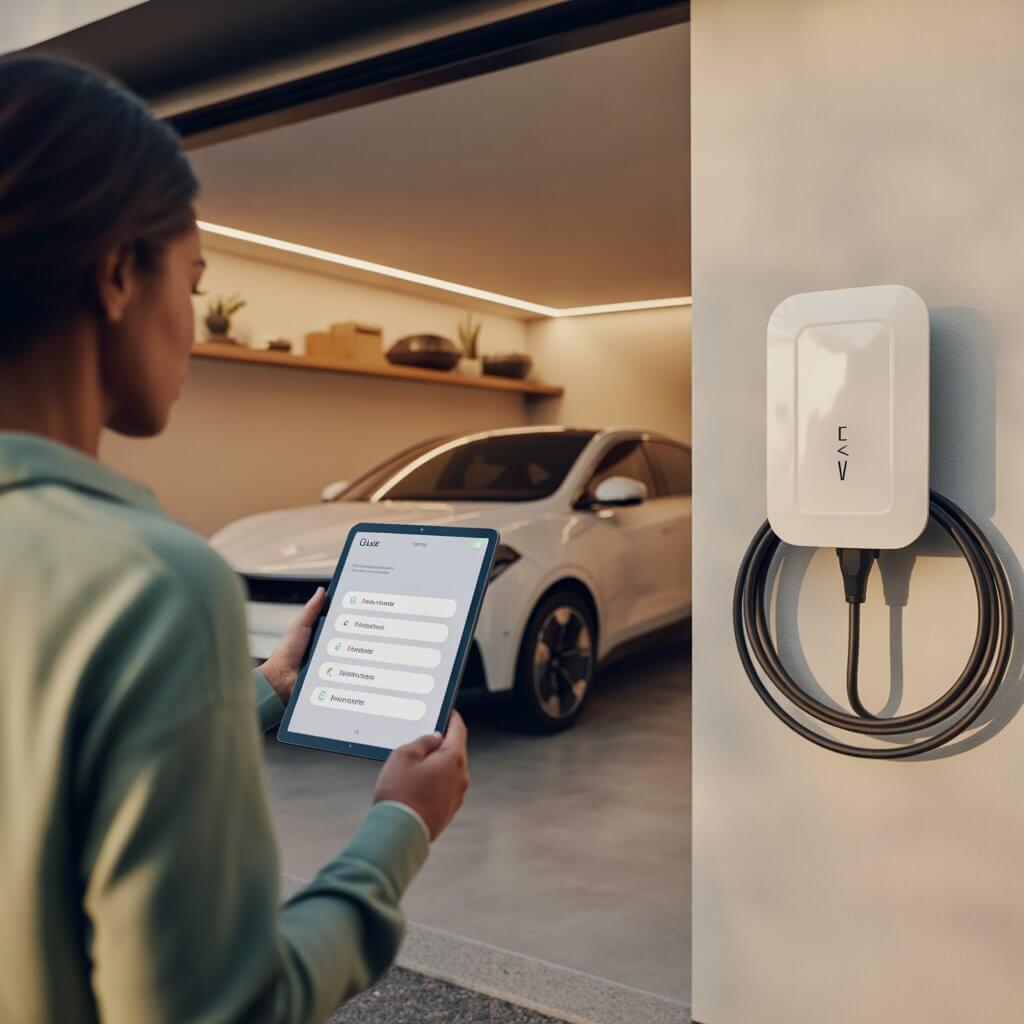
Person in a home garage using a tablet quiz tool to find the right EV charger for their home, with a white wall mounted EV charger and electric car visible in the background representing the home charging decision process for US European and Indian EV owners in 2026
EV charging

Find the Right EV Charger for Your Home: The Interactive Quiz for US and Europe — 2026 Edition

Most people trying to find the right EV charger for their home go through the same painful process — twelve options, three confusing spec sheets, a YouTube video from 2021, and an answer from the dealership that doesn’t account for their actual electrical setup. This guide cuts through all of that. Built as an interactive quiz framework for US, European and Indian EV owners, it walks you through every decision point in plain language — your car’s maximum AC charging rate, your home’s electrical supply type, your location, your budget, and your installation requirements. Answer the questions, follow your path, and you land on a specific charger type that fits your situation. No guesswork, no oversimplified one-size-fits-all recommendations, no spec sheet confusion.

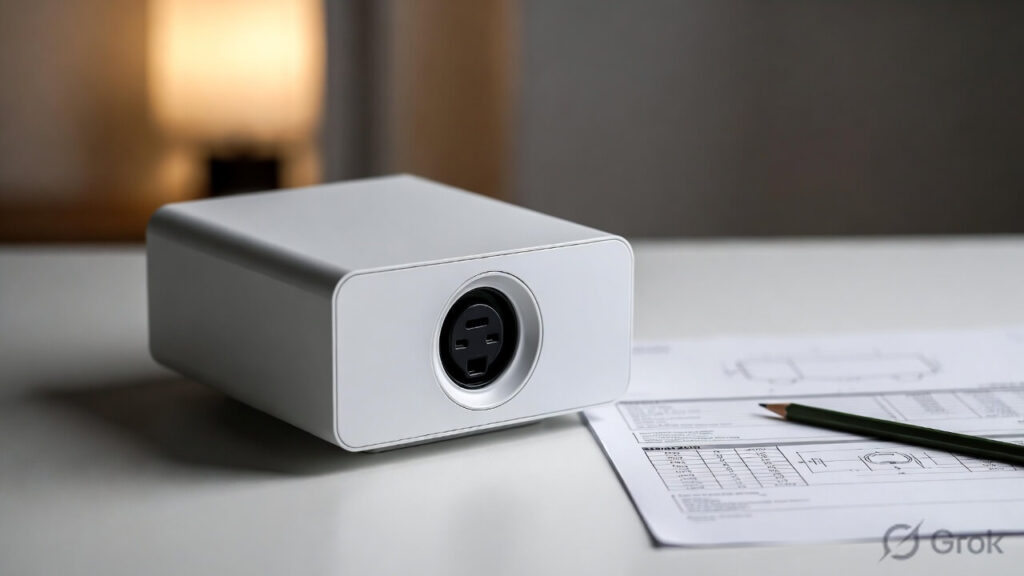
A home EV wall charger placed next to a technical spec sheet and pencil, representing the process of understanding EV charger specs 2026 before buying a home charging unit in India or abroad
EV charging

Understanding EV Charger Specs 2026: The Brutally Honest Guide to kW, Amps, Voltage, NACS, CCS and Three-Phase Charging

You’re looking at two home EV chargers side by side. One says 7.2 kW. The other says 11 kW. Both list different amps. One mentions single-phase, the other three-phase. The price difference is ₹15,000 and you have no idea which one you actually need. This is understanding EV charger specs 2026 in practice — and most charger manufacturers make it harder than it needs to be. This guide translates every spec that matters — kW, amps, voltage, NACS, CCS, three-phase, IP rating, OCPP — into plain language with real-world context, so you can read any charger spec sheet confidently and know exactly which numbers matter for your car, your home’s electrical supply, and your budget.

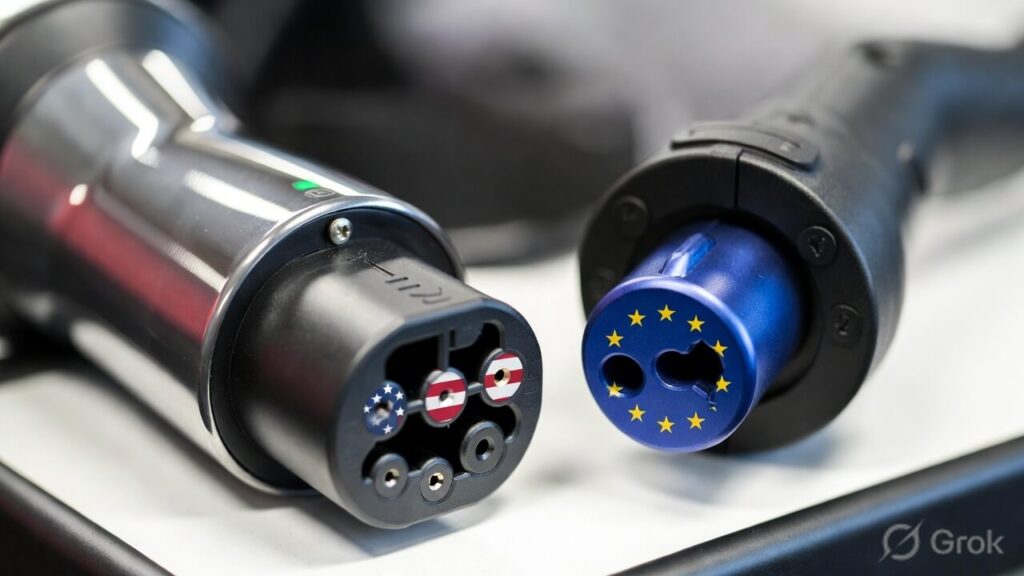
Photorealistic close-up of a J1772 charging plug and a Type 2 Mennekes plug placed side by side representing the J1772 vs Type 2 EV charger connector difference between North American and European electric vehicle charging standards, essential knowledge for every EV owner in 2026
EV charging

J1772 vs Type 2 EV Charger Connectors: The Definitive Guide to Choosing the Right Plug in the US or Europe 2026

The J1772 vs Type 2 EV charger connector question is one of the first things every new EV owner needs to understand — and one of the last things most dealerships bother to explain. J1772 is the standard AC charging connector across the US and Canada. Type 2 is the equivalent across Europe. They are not compatible with each other, they charge at different speeds, and the NACS transition in the US has added a new layer of complexity that most guides haven’t caught up with yet. This guide breaks down every difference between J1772 and Type 2 — technically, practically, and in terms of what it means for your home charger setup, your road trips, and what happens if you ever need to charge in the wrong country.

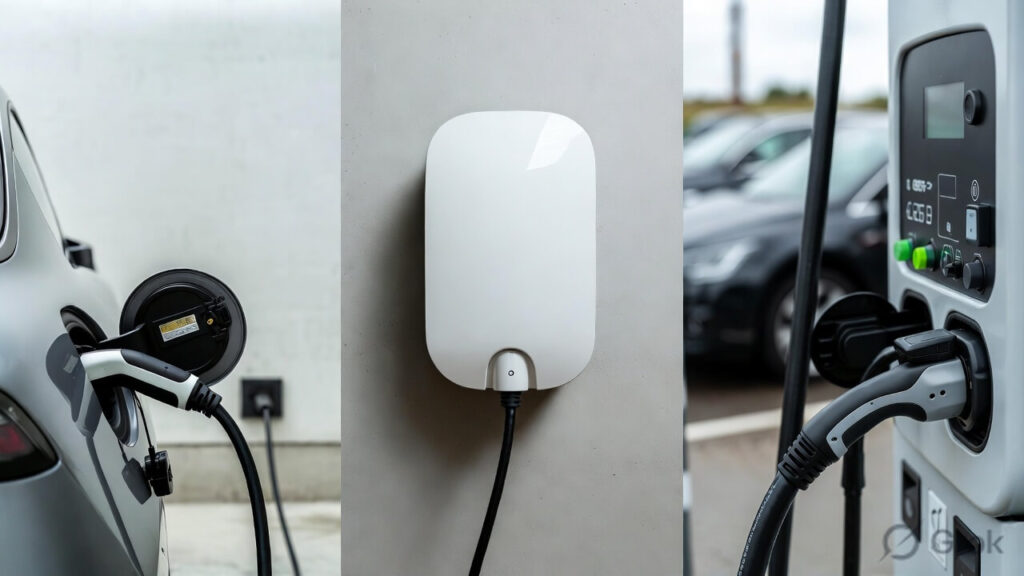
Three EV charging levels shown side by side — a standard household outlet, a Level 2 home wall box and a DC fast charger at a highway station — illustrating the core comparison in our EV charging guide 2026 Level 1 vs Level 2 vs DC Fast for electric vehicle owners in the US and Europe
EV charging

The Ultimate EV Charging Guide 2026: Level 1 vs Level 2 vs DC Fast Charging — Differences in US and Europe Explained Honestly

Nobody explains EV charging properly when you buy your first electric vehicle. You drive home with a cable you don’t fully understand and a vague sense you should figure this out before the battery hits zero. This EV charging guide 2026 Level 1 vs Level 2 vs DC Fast breaks down everything that actually matters — how fast each charging level really is in the real world, what the difference between US and European charging standards means for you, where NACS and CCS2 stand in 2026, and which charging setup makes sense for your driving life. Whether you’re buying your first EV in the US or switching to electric in Europe, this is the one guide you need to read before you plug in for the first time.

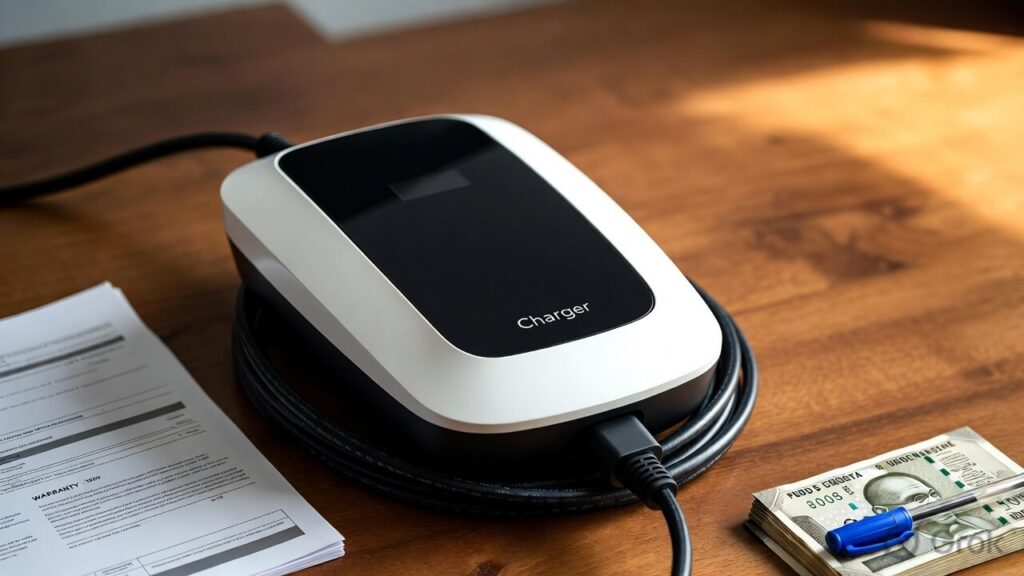
Home EV charger unit placed next to a warranty document and Indian rupee notes, illustrating why every buyer should do a thorough EV charger warranty comparison India before spending ₹15,000 to ₹80,000 on a home or commercial charging unit
EV charging

Shocking Truth About EV Charger Warranty Comparison India: Which Brands Actually Offer the Best Coverage in 2026

Most people buying an EV charger in India spend hours comparing charging speeds and prices. Almost nobody reads the warranty terms — until something fails at month 25 on a 2-year warranty and they realise their coverage excluded the exact fault they needed it to cover. This EV charger warranty comparison India guide breaks down exactly what Tata Power, Ather, Statiq, Exicom, Magenta, Charzer and ABB Terra actually cover — and more importantly, what they don’t. From voltage fluctuation exclusions to service network gaps in tier-2 cities, here’s everything you need to know before you spend ₹15,000 to ₹80,000 on a home or commercial EV charger in India.

Scroll to Top