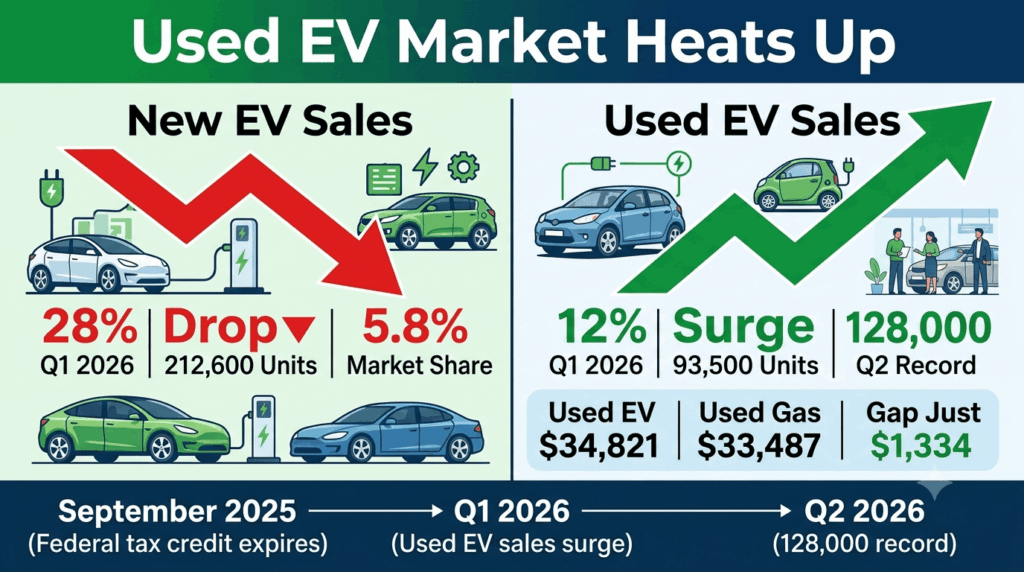
The US electric vehicle market has split into two diverging realities. On one side, new EV sales have cratered. On the other, the used EV market is setting records. The federal $7,500 tax credit expired on September 30, 2025, and new EV sales have been nursing the hangover ever since. New EV sales dropped 28% year-over-year in Q1 2026 to just 212,600 units, with EV market share falling to an estimated 5.8% of total new vehicle sales.
But the used market tells a completely different story.
Used EV sales surged 12% year-over-year to 93,500 units in Q1 2026, up 17% from Q4 2025. In March alone, used EV sales hit 42,924 units, a new all-time record, representing a 27.7% increase year-over-year and a 53.9% jump from February. The average price of a used EV is now within just $1,102 of a comparable used gasoline vehicle.
This guide on used EV market heats up: are they the best investment after federal credits vanished? provides the complete, honest analysis. It covers the sales data, the price trends, the lease return wave flooding the market, the oil price spike driving demand, and what it all means for buyers wondering whether a used EV is the right investment.
The Divergence: New EVs Crash, Used EVs Boom
Two Markets, Two Completely Different Stories
New EV sales: The collapse
The numbers are stark. Americans purchased just 212,600 new EVs in the first quarter of 2026, down from 296,304 in Q1 2025, a 28% decline. The culprit is obvious: the $7,500 federal EV tax credit expired on September 30, 2025, and nothing has replaced it. The One Big Beautiful Bill Act sunsetted the purchase credit, and the impact has been immediate and severe.
New EV inventory has ballooned to 130 days’ supply, 46% higher than the 89 days’ supply for combustion vehicles. That glut is forcing automakers to pile on incentives, but the damage is done. The average transaction price for new EVs was $55,300 in February 2026, narrowing the gap with gas cars to a record-low $6,500.
Used EV sales: The boom
While the new EV market struggles, the used side is booming. Used EV transactions jumped 27.7% in March from a year earlier, and were 53.9% higher than February. The most striking data point is pricing. Used EVs now average $34,821, within just $1,300 of the $33,487 average for used gas vehicles.
That near-parity is unprecedented. For context, the used EV-to-ICE price gap was over $10,000 as recently as early 2023. Used EV days’ supply sits at 42, just four days higher than the 38 days for combustion vehicles. That means used EVs are turning at nearly the same pace as gas cars on dealer lots, a sign of genuine consumer demand rather than a supply glut.
Q2 2026: Records keep falling
The momentum continued into the second quarter. Cox Automotive data shows 128,000 used EVs found homes in Q2 2026, a new record, up 29% and approximately 30,000 cars more than Q2 2025. The average price of a used EV was right around $37,000, a $3,000 premium over a typical new gas-powered vehicle, including hybrids. That represented a recent bump, as most used EVs had been changing hands for just under $35,000 before the boom. “Three-year-old EVs on average are far outpacing the normal seasonal trend and outperforming all other powertrains to date,” said Mark Strand, Cox’s Deputy Chief Economist. The Manheim Used Vehicle Value Index for EVs increased 12% in July 2026 compared with June 2025, compared with a 1.7% increase for non-EVs.
Why Used EVs Are Suddenly So Hot
The Three Drivers Behind the Surge
Driver 1: The oil price spike
The escalation of the Middle East conflict, particularly the disruption to the Strait of Hormuz, sent oil prices soaring. Brent crude surged from an average of $68 per barrel in 2025 to approximately $100 per barrel by April 2026.
The impact at the pump was immediate. The national average gas price rose to $4.14 per gallon in early April, up from $3.41 just one month earlier. By May, the average had surged to $4.446 per gallon, with WTI crude trading at $102.7 per barrel and Brent crude at $109 per barrel.
For millions of American drivers facing $4+ per gallon gas, the economics of an EV suddenly look much more attractive. As Stephanie Valdez Streaty, director of industry insights at Cox Automotive, noted: “High gas prices have an impact on sales numbers that cannot be ignored.” The rising gas prices are shifting the calculus for cost-conscious consumers, with search activity and shopping traffic for EVs climbing notably across major automotive platforms.
Driver 2: The lease return wave
Behind the price collapse sits a supply story most consumers never see. The share of EVs among lease returns is projected to jump to 8% in 2026 from just 2% in 2025. In 2026, expired EV leases are expected to jump from 123,000 in 2025 to more than 300,000.
The math traces back to a leasing surge that no one in the showroom fondly remembers. “Where we had the highest concentration of leasing happen was between the tail end of 2022 and all the way through 2023,” according to Edmunds. During that period, the Inflation Reduction Act’s leasing “loophole” allowed EVs leased through a commercial entity to qualify for the $7,500 credit regardless of buyer income or vehicle origin.
From January 2023 through September 2025, more than 1.1 million electric vehicles were leased at reduced prices after the $7,500 credit was applied. Those vehicles are now coming back to dealer lots in a steady stream. More than 300,000 off-lease EVs will be returned in 2026, with even more to come in the following years. Recurrent estimates that as many as 500,000 EVs could come off lease in 2026 alone, with that number nearly doubling in 2027.
The result: a flood of well-maintained, low-mileage, two-to-three-year-old EVs hitting the used market at increasingly affordable prices.
Driver 3: The federal credit hangover
The expiration of the $7,500 federal tax credit had an unintended consequence. It pushed price-sensitive buyers from the new market into the used market. With no federal support for new EVs, buyers looking for affordable electric vehicles turned to the secondhand market.
This dynamic has created a virtuous cycle for used EVs. Supply is increasing (from lease returns) and demand is increasing (from price-sensitive buyers fleeing the new market). The result is a market that is setting records.
The Price Story: From $10,000 Gap to Near Parity
How Used EV Prices Have Transformed
The dramatic shift
Three years ago, the used EV-to-ICE price gap was over $10,000. Today, that gap has virtually disappeared. Used EVs now average $34,821, within just $1,300 of the $33,487 average for used gas vehicles.
In February 2026, the average listing price for a used EV was $34,821, down 8.5% from 2025. The price gap between EVs and non-EVs narrowed to just $1,334. Now, 18 of 26 brands have average used EV prices below those of their gas-powered equivalents.
The sub-$25,000 sweet spot
Perhaps the most important development is the growing availability of used EVs under $25,000. In March 2026, 44% of used EVs sold for under $25,000, up from 39% in December.
Real-world examples from CarBuzz show what that looks like: a 2022 Ford Mustang Mach-E Select at $24,044, a 2022 Kia EV6 Light at $21,063, a 2022 Hyundai Ioniq 5 SE at $21,724, and a 2022 Tesla Model 3 at $21,960.
The $25,000 threshold is significant because it was the old eligibility ceiling for the $4,000 used EV tax credit. Even though that credit is gone, the market still appears to be anchored to those earlier price expectations.
The 2026 price uptick
However, prices have been rising in 2026. Wholesale EV prices have increased every month this year, leading to an 11.5% jump in average pricing to roughly $30,400, according to Manheim. By May 2026, the average used EV listing price had reached $37,083.
The price increases reflect growing demand. Used EV sales to consumers reached 42,923 units in May, up 5.5% month over month and 24.7% year over year. Retail used EV inventory tightened to 31.2 days’ supply in Q1 2026, down from 47.5 days in Q1 2025.
The Models That Are Selling Fastest
Which Used EVs Are Flying Off Lots
Tesla dominates
Tesla remains the heavyweight champion of used EV sales. In March 2026, Tesla led used EV sales with 15,385 units sold. Tesla’s Model Y and Model 3 sold over 101,000 units during Q1 2026, exceeding the combined sales of 99,099 EVs sold by automakers like GM, Ford, and Toyota.
Tesla’s vehicles are also among the fastest-selling used cars. The Tesla Model X spent an average of just 25.6 days on the market in March, making it the fastest-selling used car overall. The Cybertruck, Model Y, and Model S were on lots for an average of 33.3 days.
The biggest sales growth
CarGurus identified the used EVs with the biggest sales increases in Q1 2026:
- Chevy Equinox EV: Average used price $26,919, sales growth 1,223.7%
- Hyundai Ioniq 5: Average used price $26,095, sales growth 152.7%
- BMW iX: Average used price $61,949, sales growth 113%
- Cadillac LYRIQ: Average used price $44,274, sales growth 97.8%
- BMW i4: Average used price $40,451, sales growth 86.7%
Other strong performers
Chevrolet sold 3,246 used EVs in March 2026, with the Equinox EV as its top-selling model. The Chevrolet Bolt EV is practically flying off lots with an average of fewer than 10 days on dealer inventory.
Are Used EVs a Good Investment?
The Honest Assessment
The case for used EVs as an investment
- Price parity with gas cars: The used EV-to-ICE price gap has shrunk from over $10,000 to just over $1,000. For the first time, used EVs are competitive on upfront price alone.
- Lower operating costs: With gas prices above $4 per gallon, the fuel savings from an EV are substantial. Even without the federal tax credit, the payback period is shorter than ever.
- Strong resale value: Used EVs are turning at nearly the same pace as gas cars on dealer lots. Three-year-old EVs are outperforming all other powertrains in value retention.
- The lease return wave: The flood of off-lease EVs means more choices and better pricing for buyers. The supply surge has created a buyer’s market.
- **The $25,000 sweet spot:** With 44% of used EVs selling under $25,000, affordable options are more available than ever.
The case against used EVs as an investment
- Depreciation is still higher than gas cars: EVs historically depreciate faster than gas cars. While the gap has narrowed, EVs still lose value more quickly.
- Battery degradation concerns: While battery degradation has proven less severe than feared, it remains a concern for buyers of older EVs.
- Prices are rising: Wholesale EV prices have increased every month in 2026, leading to an 11.5% jump in average pricing. The best deals may have already passed.
- The supply wave is still coming: Up to 500,000 off-lease EVs could hit the market in 2026, with that number nearly doubling in 2027. Prices could fall further as supply continues to increase.
- The charger credit is expiring: The federal charger tax credit (30% up to $1,000) expires on June 30, 2026. After that, installing a home charger becomes more expensive.
The honest verdict
Used EVs are not an investment in the traditional sense. They are depreciating assets, like all cars. But they are a much better financial decision today than they were two years ago. The combination of price parity with gas cars, lower operating costs, and improving availability makes used EVs a compelling option for budget-conscious buyers.
Cox’s Deputy Chief Economist Mark Strand put it this way: “Three-year-old EVs on average are far outpacing the normal seasonal trend and outperforming all other powertrains to date.” That is not a sign of a bad investment. It is a sign of a market finding equilibrium.
What This Means for Today’s Buyers
The Practical Implications
If you are considering a used EV in 2026:
- Timing matters: The supply of off-lease EVs is increasing throughout 2026. Waiting could mean more choices and potentially better prices. However, demand is also rising, and prices have been trending upward.
- **The $25,000 sweet spot:** Look for models priced under $25,000. With 44% of used EV sales in this range, there are genuine bargains available.
- Tesla vs. legacy: Teslas hold their value better than most other EVs and sell faster. But they also command a premium. Legacy automaker EVs like the Chevy Equinox, Hyundai Ioniq 5, and Ford Mustang Mach-E offer better value for budget-conscious buyers.
- Battery health matters: The good news is that battery degradation has proven less severe than feared. But buyers should still check battery health reports when available.
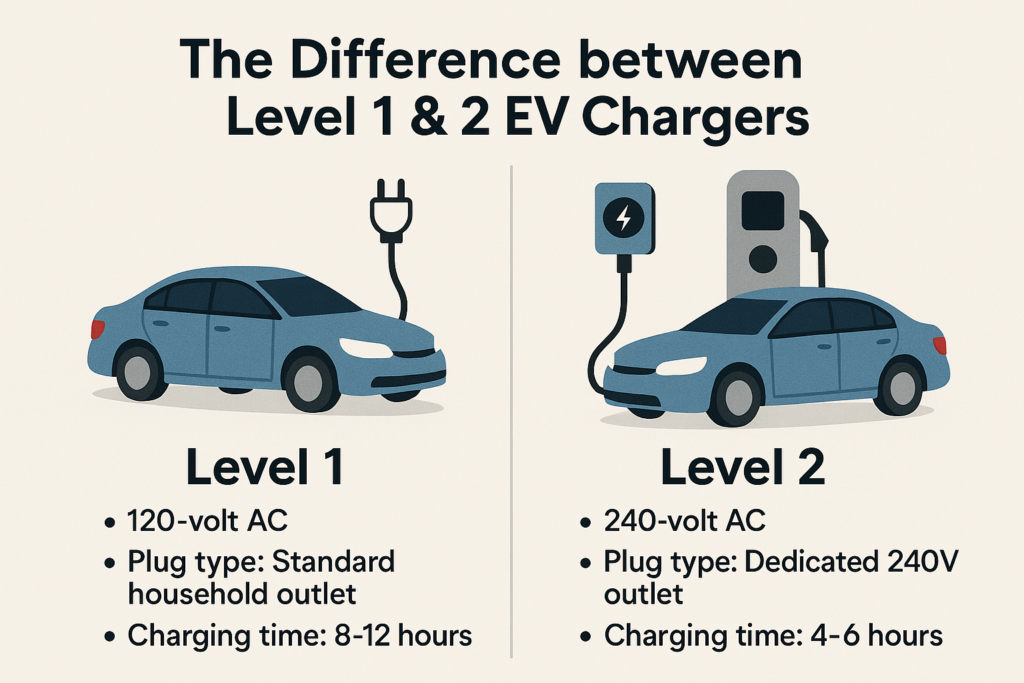
- Factor in the charger: The federal charger tax credit expires on June 30, 2026. If you are buying a used EV, factor in the cost of home charger installation and act before the deadline if possible.
- Check state incentives: Even though federal incentives are gone, many states offer their own EV rebates and tax credits. California, Colorado, New Jersey, Massachusetts, and others have programs that can apply to used EV purchases.
Should you buy a used EV instead of a new one?
The honest answer: for most buyers, yes. The price gap between new and used EVs has never been wider. Used EVs now offer near-parity pricing with gas cars, while new EVs still carry a premium of approximately $6,500 above gas cars. The operating cost savings are the same regardless of whether the vehicle is new or used. And with the lease return wave flooding the market with two-to-three-year-old vehicles in excellent condition, the quality of used EVs has never been higher.
Internal Links: Further Reading on Clean Energy Bazaar
The used EV market heats up: are they the best investment after federal credits vanished? guide connects to the EV market and policy guides on cleanenergybazaar.com.
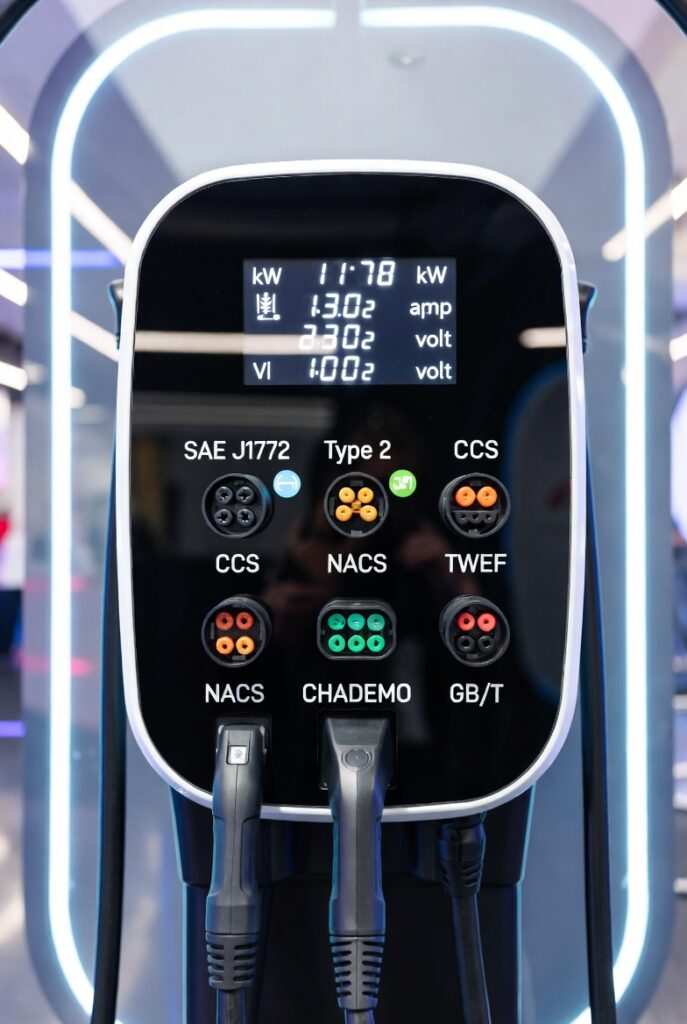
For the 2026 EV buyer’s guide covering state incentives that can apply to used EVs, our 2026 EV buyer’s guide: a state-by-state incentive checklist for the US guide covers the incentive landscape. For the US EV sales slump guide covering the new market context, our US EV sales slump 25% – policy uncertainty and the hybrid pivot guide covers the federal policy changes that created the used EV boom. For the NACS vs. CCS guide covering the charging standard transition, our NACS vs. CCS: what does the standardization (SAE J3400) mean for US drivers? guide covers the connector standard that affects which chargers you can use. For the EV vs. ICE cost guide covering the operating cost advantages, our EV vs. ICE: 5-year cost of ownership post-Middle-East oil price spikes guide covers the fuel savings that make used EVs compelling.
Final Thoughts
Used EV market heats up: are they the best investment after federal credits vanished? The honest answer is that used EVs are not an investment in the traditional sense, but they are a much better financial decision today than they were two years ago.
The data is clear. New EV sales dropped 28% in Q1 2026 while used EV sales surged 12%. Used EV prices are now within just over $1,000 of comparable gas vehicles, a gap that was over $10,000 just three years ago. The lease return wave is flooding the market with well-maintained, low-mileage EVs. Gas prices above $4 per gallon are making the operating cost advantage of EVs more compelling than ever.
The supply of off-lease EVs is only going to increase. More than 300,000 EVs will come off lease in 2026, with that number potentially doubling in 2027. The market has more choices and better prices than ever before.
The honest verdict: for budget-conscious buyers, used EVs represent the best opportunity in the history of the electric vehicle market. The combination of near-parity pricing with gas cars, lower operating costs, and improving availability makes them a compelling option. But act wisely. Check battery health, factor in charger installation costs, look for state incentives, and be aware that prices have been trending upward. The used EV market is hot. And for good reason.