In the rapidly evolving world of electric vehicles (EVs) in India, where adoption rates have surged to over 11% in states like Delhi and Assam, savvy drivers are turning to innovative strategies to cut costs and enhance efficiency. One such game-changer is time-of-use optimization for EV charging in India, which leverages varying electricity tariffs throughout the day to minimize expenses. With smart EV chargers that automatically schedule sessions during low-cost periods, you could save thousands of rupees annually on your electricity bills—especially amid rising fuel prices and government incentives like FAME III pushing for greener mobility.
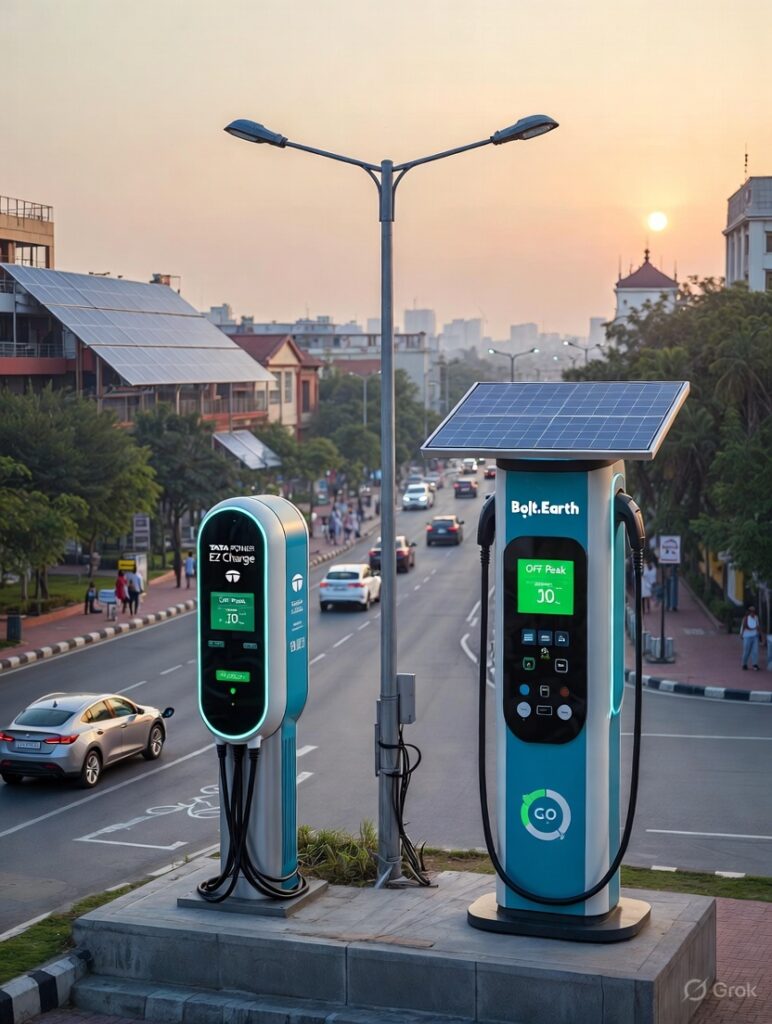
This comprehensive guide explores how time-of-use (TOU) tariffs work for EVs in India, the role of smart chargers in optimizing them, and the best options available in 2026. Whether you’re a new EV owner in Bengaluru or a fleet manager in Mumbai, understanding TOU optimization can transform your charging routine into a cost-saving powerhouse.
What is Time-of-Use Optimization and How Does It Work for EV Charging?
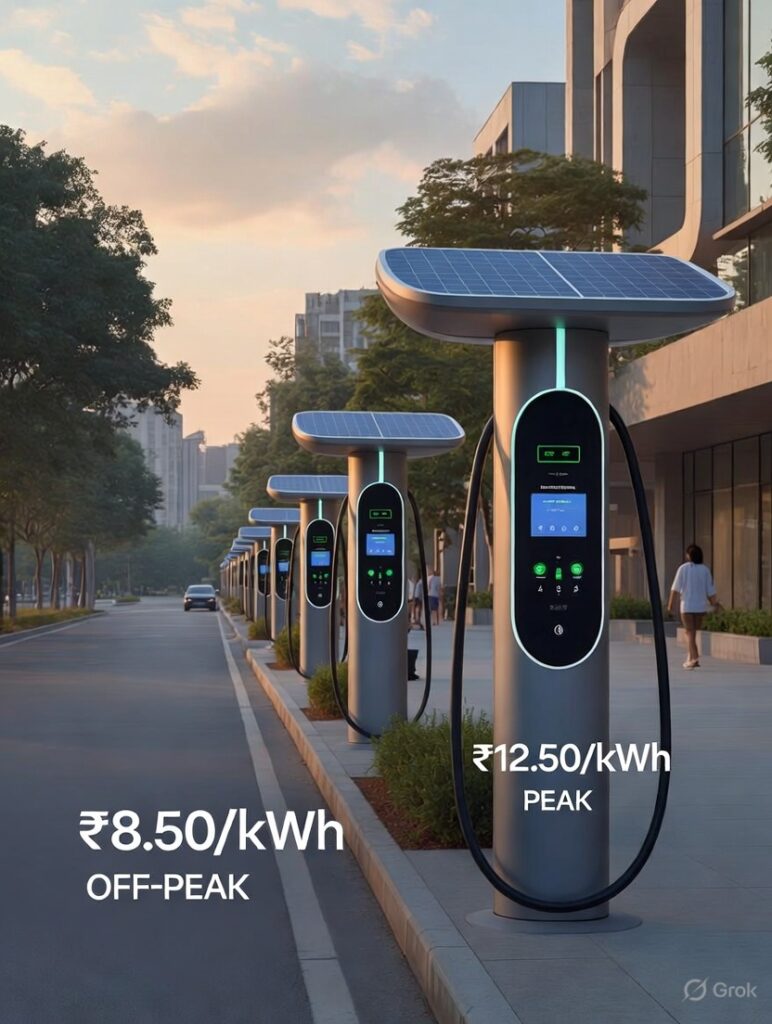
Time-of-use optimization for EV charging in India refers to a smart pricing model where electricity costs fluctuate based on the time of day, encouraging users to charge during periods of low demand. Unlike flat-rate tariffs, TOU plans divide the day into peak, off-peak, and sometimes solar hours, with rates as low as 30% below the average cost of supply (ACoS) during off-peak times.
Here’s how time-of-use optimization works for EV charging:
- Peak Hours (High Cost): Typically evenings (e.g., 5 PM to 9 PM) when grid demand spikes, rates can be up to 30% higher than average. Charging here adds unnecessary strain on your wallet and the grid.
- Off-Peak Hours (Low Cost): Late nights (e.g., 10 PM to 6 AM) or midday solar hours (9 AM to 4 PM in states with abundant renewables) offer discounted rates, sometimes as low as ₹4-₹6 per kWh.
- Smart Charger Integration: Advanced chargers use apps or AI to detect TOU schedules from your utility provider. They delay or schedule charging automatically, ensuring your EV tops up when rates are cheapest—without you lifting a finger.
For instance, if you plug in your EV at 7 PM, a smart charger might pause until 10 PM to align with off-peak rates, potentially saving ₹12,000-₹18,000 yearly for frequent chargers. This not only reduces costs but also prevents grid overloads, as seen in studies where synchronized off-peak charging avoids transformer failures.
Understanding TOU Electricity Tariffs for EVs in Indian States
India’s electricity landscape is diverse, with state-specific TOU tariffs designed to promote EV adoption and renewable integration. The Ministry of Power’s guidelines cap service charges at ₹11/kWh during solar hours and ₹13/kWh otherwise, while energy charges are adjusted to favor off-peak usage.
Key examples of TOU electricity tariffs for EVs in Indian states include:
- Kerala: One of the most comprehensive TOU plans, with lower rates during solar hours (9 AM-4 PM) to align with abundant renewable energy. Energy charges are 30% below ACoS off-peak, making it ideal for daytime charging.
- Tamil Nadu and Jharkhand: Similar solar-aligned tariffs, offering rebates for charging between 9 AM and 4 PM, reducing costs to ₹5-₹6/kWh.
- Delhi and Maharashtra: Dedicated EV tariffs with off-peak night rates (₹4-₹6/kWh) and higher peak charges, encouraging overnight sessions to ease grid pressure.
- Bihar and Rajasthan: Emerging leaders with green tariffs and ToD mechanisms targeting 24 GW renewables by 2030, including EV-specific discounts during low-demand periods.
Nationwide, domestic tariffs range from ₹4-₹8/kWh, but TOU can slash this further for EVs. Check your state electricity board (e.g., via e-AMRIT portal) for exact rates, as they vary by slab and location.
How Smart EV Chargers Enable Time-of-Use Optimization in India
Smart EV chargers with time-of-use optimization in India go beyond basic plugging in—they’re intelligent devices that sync with your utility’s TOU schedule via apps, Wi-Fi, or AI algorithms. Features like load balancing, predictive analytics, and renewable integration ensure efficient charging.
For example:
- Scheduling and Automation: Set your departure time, and the charger calculates the optimal window, drawing power only during cheap hours.
- Grid Collaboration: In microgrids or solar setups, chargers prioritize clean energy during solar hours, further cutting costs.
- Multi-Objective Optimization: Advanced models minimize losses, costs, and emissions by factoring in TOU tariffs and vehicle needs.
In India, where EV infrastructure is booming with over 7,000 stations across 63 cities, smart chargers like those from Pulse Energy or Bolt.Earth integrate seamlessly with TOU for real-time savings.
Benefits of Smart EV Chargers for Saving Money on EV Charging in India
The benefits of smart EV chargers for saving money on EV charging in India are multifaceted, extending beyond mere discounts to long-term sustainability.
- Cost Savings: Charge during off-peak for 30-50% lower bills—e.g., a full 40 kWh charge drops from ₹800 to ₹500. Annual savings can reach ₹18,000 for daily commuters.
- Grid Stability and Incentives: Reduces peak demand, qualifying for rebates and avoiding penalties.
- Environmental Perks: Aligns with solar hours, cutting emissions by 1-2% per session in renewable-rich states.
- Convenience: Automated features like app notifications ensure your EV is ready without manual intervention.
Studies show TOU-optimized charging can handle 100% EV penetration without infrastructure overloads.
Best Smart EV Chargers for TOU Tariffs in India 2026: A Comparison
Choosing the best smart EV chargers for TOU in India 2026 depends on your needs—home, fleet, or public. Here’s a curated list based on features, compatibility, and user reviews:
| Charger Model | Power Output | Key TOU Features | Price Range (₹) | Best For |
|---|---|---|---|---|
| Tata Power EZ Charge | 3.3-22 kW AC/DC | App-based scheduling, TOU integration, nationwide network | 40,000-1,20,000 | Home and public use in Delhi/Mumbai |
| Statiq Smart Chargers | 3.3-60 kW AC/DC | AI optimization, off-peak auto-start, solar compatibility | 35,000-1,50,000 | Fleets and highways across 63 cities |
| Exicom Spin AC | 7.2-22 kW AC | Energy management app, peak-shaving, durable for Indian conditions | 50,000-80,000 | Residential solar setups in Kerala/Tamil Nadu |
| Bolt.Earth Level 2 | 3.3-7.4 kW AC | CMS for TOU rebates, ARAI-certified, P2P sharing | 25,000-60,000 | Apartments in Bengaluru |
| Kia Smart Connected | 7.4-11 kW AC | Kia Connect app for auto-scheduling, three-phase support | 45,000-70,000 | EV owners with single/three-phase homes |
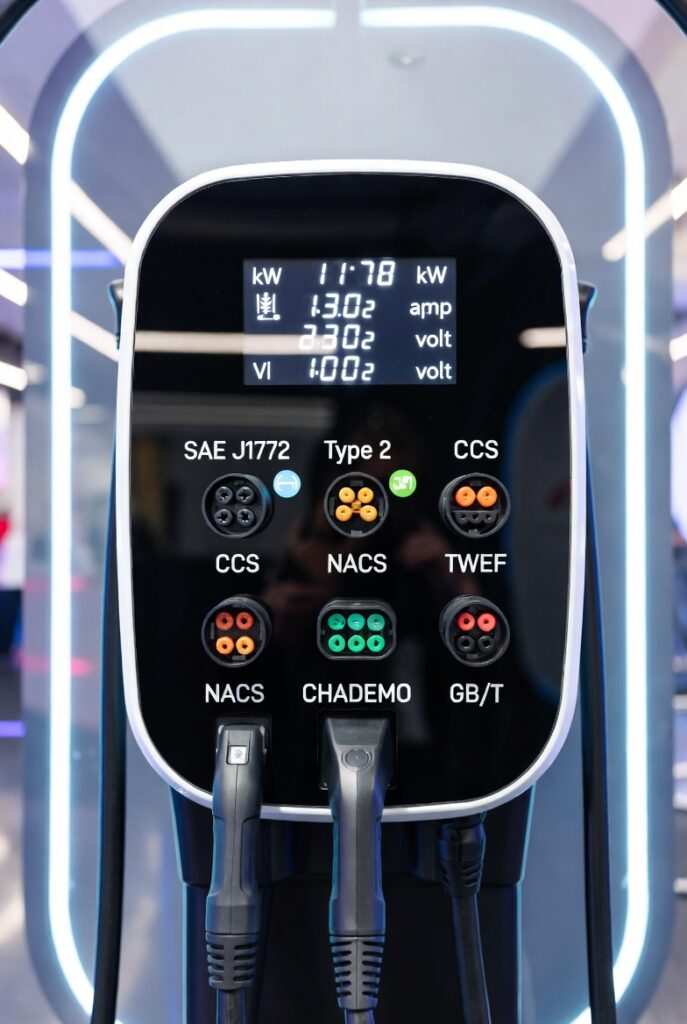
These chargers comply with CCS2 standards and offer easy installation, with some like Victron supporting full solar EV charging. Compare more on our site for personalized recommendations.
Tips to Maximize Savings with Smart Chargers and TOU Optimization
To get the most from how to save money on EV charging with smart chargers in India:
- Monitor Your Utility App: Input TOU rates into your charger’s app for automatic adjustments.
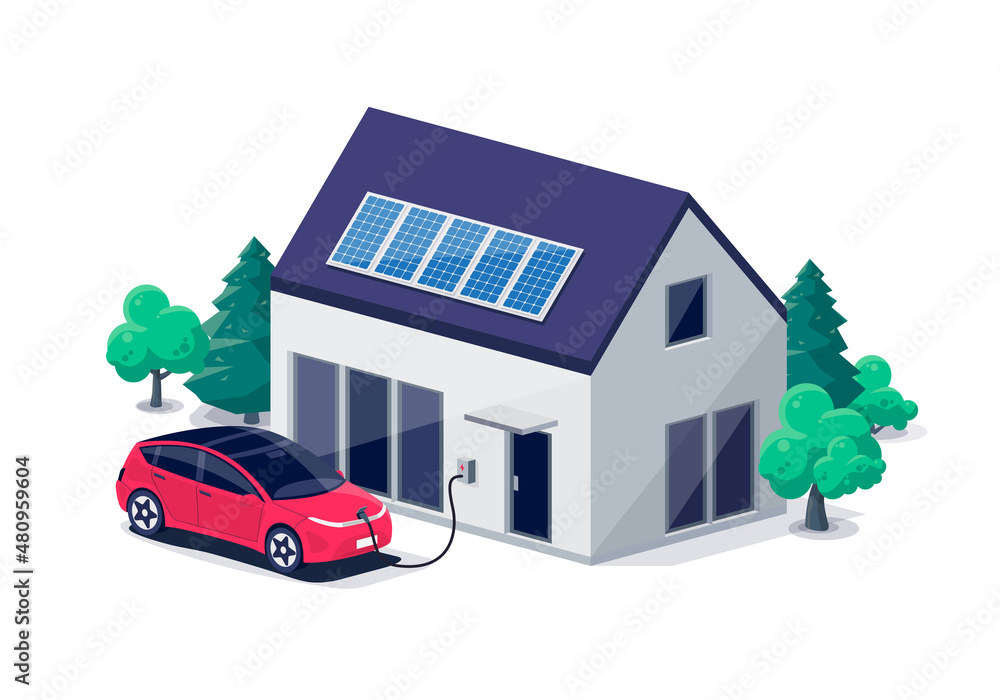
- Combine with Solar: Charge during midday solar hours in states like Rajasthan for near-zero costs.
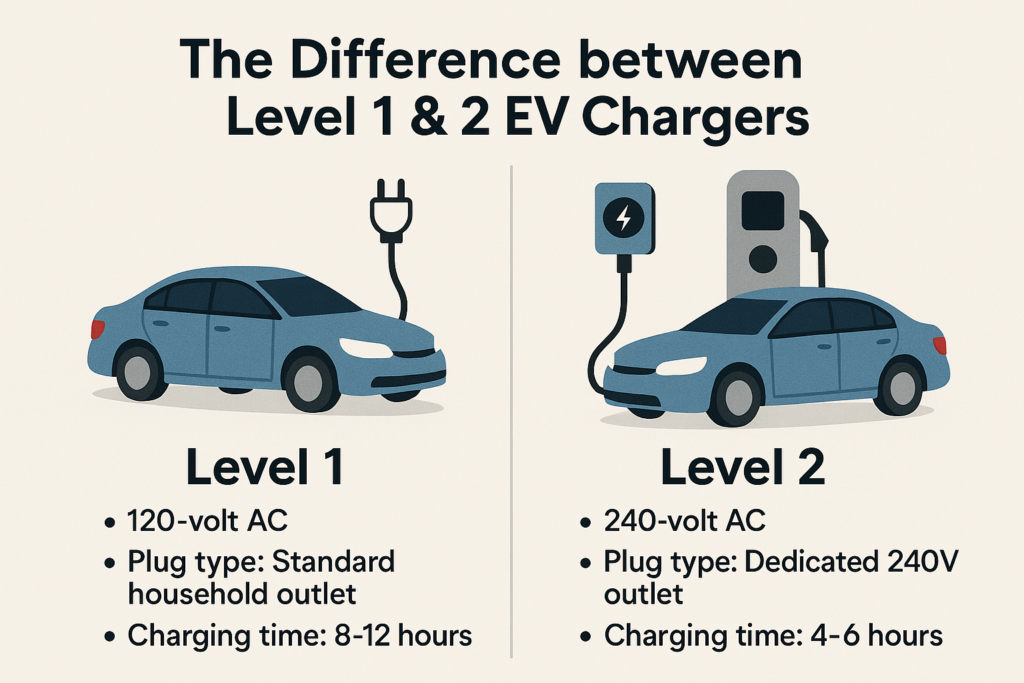
- Avoid Peak Fast Charging: Reserve DC fast chargers (₹20-₹25/kWh) for emergencies; stick to home AC (₹6-₹10/kWh).
- Use P2P Networks: Apps like BharatRevolt offer community charging at residential rates.
- Track Usage: Analyze bills to refine schedules, potentially shifting to dynamic pricing for 98% off-peak delivery.
Conclusion: Embrace TOU Optimization for a Smarter, Cheaper EV Future
Time-of-use optimization for EV charging in India isn’t just a trend—it’s a smart way to slash costs while supporting the nation’s green goals. With the best smart EV chargers for TOU tariffs in India 2026, like those from Tata Power or Statiq, you can effortlessly save money and reduce your carbon footprint. Ready to compare chargers and find the perfect fit? Visit our EV charging comparison tool today and drive into savings!