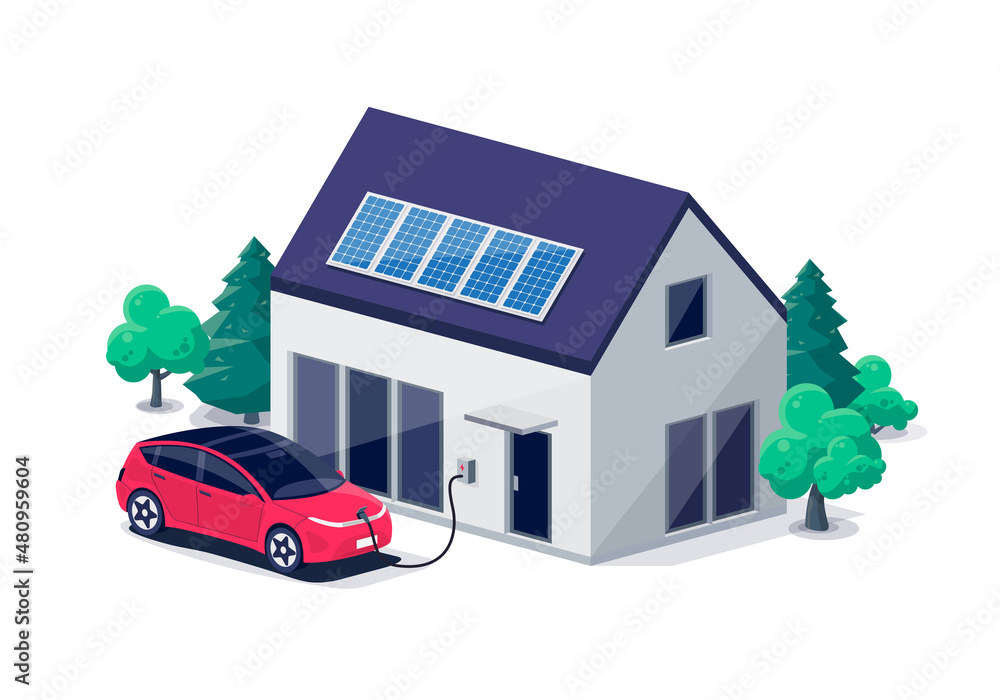
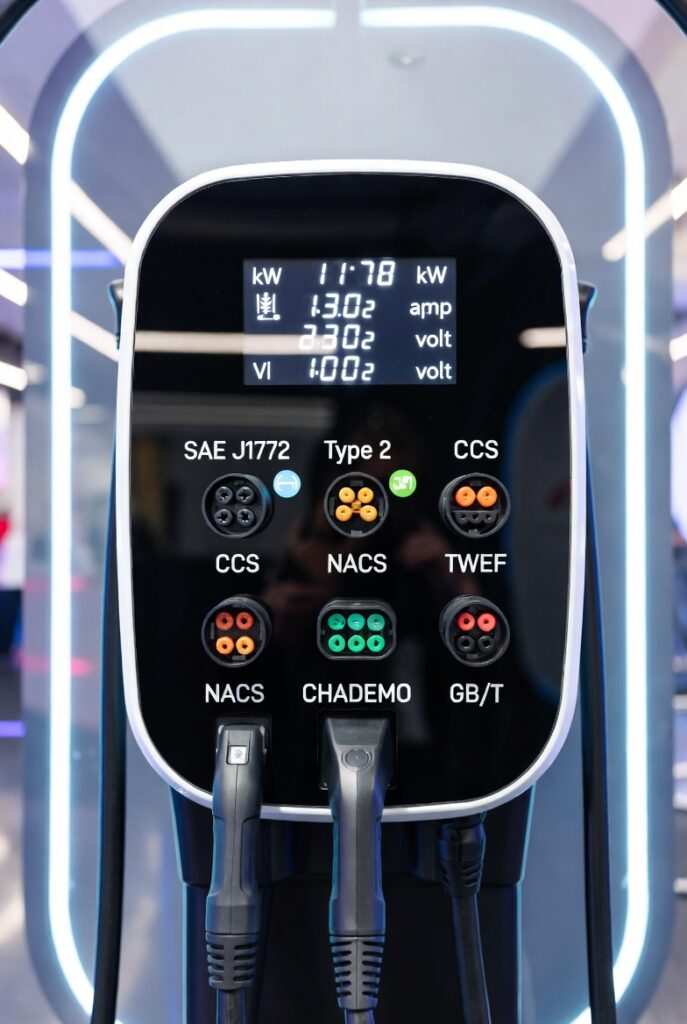
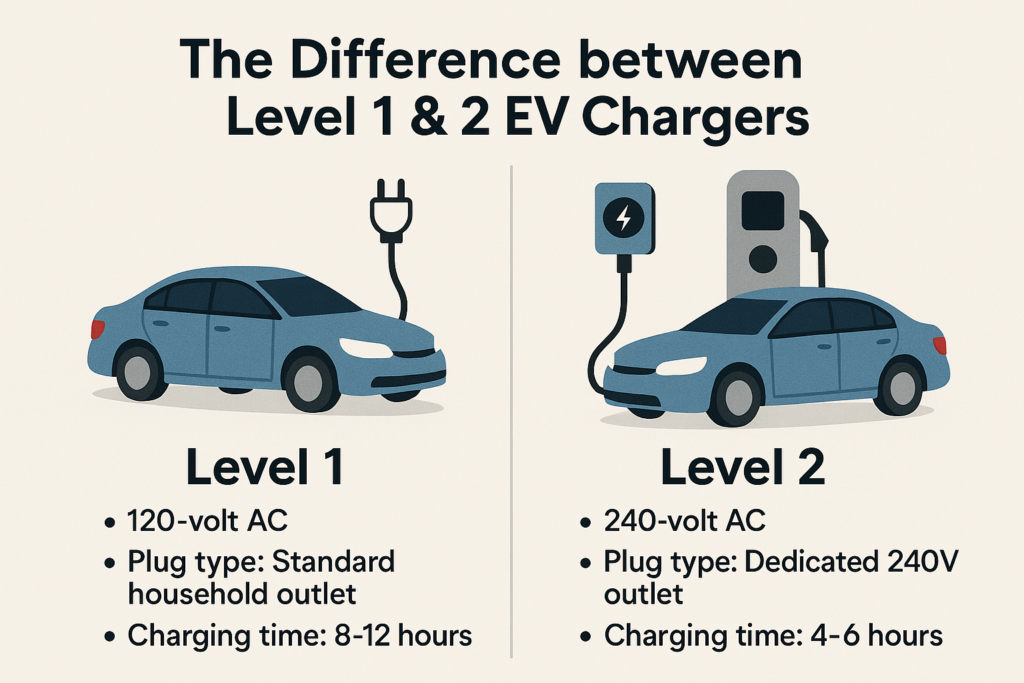
Here is the situation that approximately 40% of Chinese EV buyers encounter within the first month of ownership.
They have bought the car. They have the parking space. They have chosen the charger. They submit the installation application to their 物业 (property management company). And then — nothing. Or worse — a flat refusal. Or a response that says “not currently permitted” without any explanation of what would make it permitted, by whom, or when.
The 物业 refusal or delay is so common in China’s residential EV charging story that it has become a specific category of owner frustration across Chinese EV communities — on 懂车帝, 汽车之家, 小红书, and Weibo, threads titled “物业不让装充电桩怎么办” (what to do when 物业 won’t let you install a charger) accumulate hundreds of comments from owners sharing their experiences and escalation strategies.
This guide on apartment EV charging solutions 2026 China HOA rules property manager permissions and fixed parking rights exists because most Chinese EV owners going through this process have significantly more legal rights than they know about — and most 物业 companies rely on owner ignorance of these rights to resist or delay charging installations that they are legally required to facilitate.
Understanding the complete regulatory framework — the national policies, the local government rules, the property law provisions, the fixed parking rights, and the escalation mechanisms — changes the conversation from “please let me install a charger” to “here are the regulations under which you are required to facilitate this installation.”
This guide provides that knowledge.
The Regulatory Foundation — What Chinese Law Actually Says About Residential EV Charging
The National Policy Framework
China’s national government has issued a series of increasingly strong policy documents supporting residential EV charging installation. Understanding these policies provides the legal foundation for owner advocacy:
National Development and Reform Commission (NDRC) Guidance (2021): The NDRC issued guidance explicitly stating that property management companies should “actively cooperate” with EV charging installation requests from residents who own or have long-term use rights to parking spaces. The guidance specifically prohibits unreasonable refusals.
Ministry of Housing and Urban-Rural Development (住建部) Notice: The 住建部 has issued specific guidance on EV charging in residential areas — requiring property management companies to establish clear application procedures, reasonable processing timelines, and transparent criteria for approval decisions.
National Energy Administration (国家能源局) Policy: The NEA’s residential EV charging facilitation policies establish that electricity supply bureaus (供电局) must process residential EV charging meter applications within specified timeframes — providing a basis for escalating utility delays.
“双碳” (Carbon Neutrality) Policy Context: China’s national carbon neutrality commitments — carbon peak by 2030, carbon neutrality by 2060 — create a policy environment where obstructing residential EV charging is increasingly politically uncomfortable for local government officials. This context strengthens the moral and political argument for owner advocacy when regulatory arguments need reinforcing.
The Key Regulatory Principle — What It Means for Apartment Owners
The consistent principle across national EV charging policies is:
An owner or long-term lessee of a designated parking space in a residential compound has the right to install EV charging equipment in their parking space, subject to:
- Electrical safety compliance (licensed electrician, GB/T certified equipment)
- 物业 application notification (not permission — notification with required documents)
- Electricity meter application to the utility
- Installation by a qualified electrician
The crucial legal distinction: National policy increasingly treats the 物业 process as notification rather than permission — the property management company has the right to know about and oversee the safety of the installation, but not the right to refuse it without legitimate safety or capacity grounds.
This distinction matters enormously in practice. An owner who understands their right to install — subject to notification and safety compliance — negotiates from a position of right rather than request.
Understanding the 物业 — What They Are and What Authority They Have
What 物业 Actually Is
物业管理公司 (property management company) is the professional management entity contracted to manage a residential compound’s common areas, facilities, and services. They are hired by the 业主委员会 (owners’ committee — the residential HOA equivalent) or, in the absence of an active owners’ committee, operate under a contract with the property developer.
Critical distinction: 物业 is a service provider to residents — not a governing authority over residents. The relationship is contractual, not regulatory. The 物业 manages common areas on behalf of owners — it does not own the common areas and does not have sovereign authority to prohibit activities that residents have legal rights to conduct.
Many 物业 companies, in practice, behave as if they have governing authority — using bureaucratic delay, unclear requirements, and occasional direct refusal to obstruct EV charging installations. Understanding that they are a service provider, not an authority, is the first reframing that changes the nature of owner advocacy.
What Authority 物业 Actually Has
物业 legitimate authority in EV charging context:
- Safety oversight: The 物业 has the right and responsibility to ensure that any electrical work in common areas (cable routing through car park infrastructure) meets safety standards. They can require that a licensed electrician perform the installation. They can review installation plans for safety compliance.
- Electrical capacity assessment: The 物业 has the right to assess whether the building’s electrical infrastructure can support additional EV charging load and to coordinate load distribution appropriately. If the building genuinely cannot support additional load without infrastructure upgrades, this is a legitimate technical basis for requiring a solution.
- Procedural coordination: The 物业 can establish application procedures, require specific documents, and coordinate the installation process to minimise disruption to other residents.
What 物业 does NOT have authority to do:
- Refuse based on preference: The 物业 cannot refuse EV charging installation because they find it inconvenient, because they haven’t previously processed such requests, or because they prefer residents use third-party charging stations they operate commercially.
- Impose unreasonable conditions: Requiring specific brands not related to safety, imposing excessive fees for processing, or setting unreasonable timelines without technical justification are beyond 物业 authority.
- Ignore applications indefinitely: A 物业 that does not respond to a properly submitted application within a reasonable timeframe (typically 30 days as defined by local government guidance) is in breach of their service obligations.
The 业主委员会 — The Residents’ Committee That Most Chinese EV Owners Overlook
What the 业主委员会 Is
The 业主委员会 (Business Owner Committee — typically abbreviated 业委会) is the residential compound’s equivalent of a Western HOA board. It is an elected body of resident representatives that has supervisory authority over the 物业 management company.
In the EV charging context:
The 业委会 has authority that individual owners lack when dealing with 物业 directly:
- The 业委会 can formally request that 物业 establish an EV charging approval procedure
- The 业委会 can override 物业 refusals that lack legitimate technical basis
- The 业委会 can authorise compound-wide EV charging infrastructure improvements
- The 业委会 can petition local government on behalf of the entire owner community
The problem: Many Chinese residential compounds in 2026 have inactive, non-functional, or non-existent 业委会. In developments where the property developer’s designated 物业 company has not faced organised owner resistance, the 业委会 may be entirely dormant.
What to do if your compound has an active 业委会: Engage them before engaging 物业. A 业委会-backed EV charging application has significantly more authority than an individual owner application. Present your request to the 业委会 members (typically listed in the compound’s notice boards or app) and ask for collective support.
What to do if your compound has no active 业委会: Consider organising one — or at minimum, coordinate with other EV-owning residents in the compound to submit a collective application. Collective applications are harder to refuse and signal the scale of demand to both 物业 and local government.
The Fixed Parking Rights Framework — 固定车位充电权
The “Fixed Parking Space” Legal Concept
The single most important legal concept in Chinese residential EV charging rights is the distinction between:
1. Owned parking space (车位所有权): The parking space is the property of the resident — either purchased as part of the property transaction or separately purchased. The owner has property rights over the space.
Legal charging right: An owner of a purchased parking space has the clearest legal right to install EV charging equipment — subject to notification and safety compliance procedures. The parking space is their property.
2. Long-term leased parking space (长期租用车位): The parking space is leased from the compound, the developer, or another owner on a long-term basis (typically 10-20 year agreements are common in Chinese residential compounds).
Legal charging right: Under most lease agreements and under relevant property management regulations, a long-term leaseholder has the right to use the space for the purposes for which it was designated (vehicle parking). Installing permanent charging equipment is considered an ancillary use — supporting the designated parking function. Many local governments have specifically confirmed that long-term leaseholders have the right to install charging equipment.
3. Short-term rental parking space (短期租用): Month-to-month or annual rental without long-term agreement.
Legal charging right: Weaker — the temporary nature of the occupancy makes permanent installation more difficult to justify. The 物业 or space owner has stronger grounds to require removable rather than permanent equipment.
4. Assigned compound parking (配套车位): Some residential compounds assign parking spaces to residential units without separate purchase or lease — the parking space is functionally associated with the apartment but not separately titled.
Legal charging right: Variable — depends on the specific property rights documentation for the compound. In many cases, assigned compound parking carries similar rights to long-term leased spaces for EV charging purposes.
The 2021 Property Rights Confirmation
A 2021 Supreme People’s Court judicial interpretation confirmed that parking spaces purchased as part of a residential property transaction are the exclusive property of the purchaser — and that the owner’s right to use and modify their owned parking space (within safety regulations) cannot be unreasonably interfered with by property management companies.
This judicial interpretation provides legal grounding for the argument that purchased parking space owners have the right to install EV charging equipment — subject to safety compliance — without requiring 物业 consent beyond notification.
The Application Process — What You Must Submit and Why
The Document Package — Complete and Correct First Time
The most common reason Chinese EV charging applications are delayed is incomplete or incorrect documentation. Submitting a complete, correctly formatted application package eliminates the most common legitimate basis for 物业 delay.
The complete application package:
Document 1: Owner identity and property rights confirmation
- Copy of national ID card (身份证) — both sides
- Copy of property ownership certificate (房产证/不动产权证书) — or lease agreement if renting the parking space
- Copy of parking space ownership/lease documentation
Document 2: Vehicle confirmation
- Copy of vehicle registration certificate (行驶证) — confirming the vehicle is an EV requiring charging
- Vehicle manufacturer’s home charging installation requirements (most EV manufacturers provide a standard document)
Document 3: Charger specification
- Product specification sheet (产品规格书) for the chosen charger — must show GB/T 20234.2-2015 certification
- GB/T certification number — traceable to CQC database
- Charger’s rated power (不超过7kW for single-phase standard installation)
Document 4: Installation plan
- Site photograph showing the parking space and proposed charger mounting location
- Cable routing plan — schematic showing proposed cable route from distribution board to charger (can be hand-drawn for simple installations)
- Proposed mounting method and charger unit dimensions
Document 5: Electrician credentials
- Licensed electrician’s qualification certificate (持证电工证) — must be current
- Electrician’s contact details and willingness to cooperate with 物业 safety inspection
Document 6: Safety commitment letter
- A written commitment (承诺书) from the applicant confirming:
- Installation will be performed by a licensed electrician
- GB/T certified equipment will be used
- Installation will comply with relevant electrical safety standards
- The applicant accepts responsibility for the safety of the installation
- A separate electricity meter will be applied for (confirming EV charging electricity will not be drawn from common area supply)
The Covering Letter — Setting the Right Tone
The covering letter accompanying the application package establishes the framing of your request. Two approaches:
The cooperative framing (preferred for most 物业): “Dear 物业 management team, I am applying to install an EV home charging unit at my designated parking space [location]. I understand the need to coordinate this with building safety requirements and am committed to following all required procedures including engaging a licensed electrician and applying for a separate electricity meter. I have enclosed the complete documentation package and would welcome a site visit at your convenience. I look forward to your response within 30 days.”
The rights-aware framing (for resistant 物业): “Dear 物业 management team, pursuant to [relevant national and local government guidance on residential EV charging], I am formally notifying you of my intention to install an EV home charging unit at my designated parking space [location], which I own/hold under long-term lease. I have enclosed the required documentation package. As per applicable guidance, I request a response within 30 days. I am committed to full safety compliance and welcome your technical requirements. I look forward to a cooperative process.”
The rights-aware framing explicitly invokes regulatory framework — appropriate when the 物业 is known to be resistant or has previously refused similar requests.
City-by-City Policy Guide — What Your Local Government Adds
National policy establishes minimum requirements. Chinese cities with large EV markets have added specific local policies that strengthen owner rights further. Understanding your city’s specific policy is the most powerful tool in the application process.
Shanghai (上海)
Key policy: Shanghai’s “Guidance on Accelerating Residential EV Charging Infrastructure Construction” (关于加快推进居民区电动汽车充电设施建设的通知)
What it says:
- 物业 must process applications within 20 working days
- Refusal requires specific written technical justification
- Residential compounds must establish clear EV charging application procedures
- District-level government departments provide mediation for disputed applications
The Shanghai advantage: Shanghai’s local policy specifies a 20 working-day response requirement — giving owners a clear timeline to invoke when 物业 is unresponsive. After 20 working days without response, Shanghai owners can escalate to the district housing management bureau (区房管局).
Local escalation contact: District 区房管局 — each Shanghai district has a dedicated housing management bureau that handles property management disputes including EV charging obstruction complaints.
Beijing (北京)
Key policy: Beijing’s residential EV charging facilitation guidance issued through the Beijing Municipal Commission of Housing and Urban-Rural Development (北京市住房和城乡建设委员会)
What it says:
- 物业 cannot refuse installation for parking spaces owned by or long-term leased to the applicant without legitimate technical grounds
- The Beijing Green Charging Support Programme provides partial installation cost subsidies for qualifying installations
- Street-level government (街道办) can mediate 物业 disputes
The Beijing advantage: Street-level government (街道办) involvement as a mediation step is specifically recognised — providing a low-threshold escalation option before formal complaint to housing bureaus.
Shenzhen (深圳)
Key policy: Shenzhen’s most progressive residential EV charging policy framework in mainland China — Shenzhen’s “Electric Vehicle Charging Infrastructure Construction and Management Measures” (深圳市电动汽车充电基础设施建设与管理暂行办法)
What it says:
- Owned parking spaces: no 物业 approval required — notification only
- Long-term leased spaces (10+ years): same notification-only treatment as owned spaces
- 物业 must complete technical review within 15 working days
- Explicit prohibition on 物业 conditioning approval on use of specific charger brands
- Explicit prohibition on 物业 charging administrative fees for processing
The Shenzhen advantage: Shenzhen’s “notification only” framework for owned spaces is the strongest owner rights position in China’s major cities. Shenzhen EV owners with owned parking spaces are in the most empowered position for home charging installation of any major Chinese city.
Guangzhou (广州)
Key policy: Guangdong provincial guidance supplemented by Guangzhou city-level residential charging facilitation measures
What it says:
- 30-day processing requirement
- Compound-wide collective charging programme facilitation available through Guangzhou government platforms
- Mediation through 街道办 and district property management supervision bureaus
Chengdu (成都) and Chongqing (重庆)
Key policy: Sichuan and Chongqing provincial/municipal EV charging facilitation guidance — progressively strengthened through 2024-2025
What it says:
- Processing timelines of 30 days
- Subsidies available for collective compound charging infrastructure
- Escalation through district property management supervision departments
Tier-2 Cities — What to Expect
For Chinese tier-2 cities (Nanjing, Wuhan, Xi’an, Hangzhou, Suzhou, Ningbo, etc.) without city-specific policies detailed here:
National policy applies fully. The key reference documents are:
- 国家发改委 (NDRC) residential EV charging guidance
- 住建部 (Ministry of Housing) property management guidance
- Local 城乡建设局 (Urban and Rural Construction Bureau) for city-specific contact
Tier-2 city 物业 are often less experienced with EV charging applications than Shanghai or Beijing 物业 — which can mean either less resistance (fewer established objections) or more delay (genuine uncertainty about process). The complete documentation package approach is especially valuable in tier-2 cities where 物业 inexperience with the process can extend timelines.
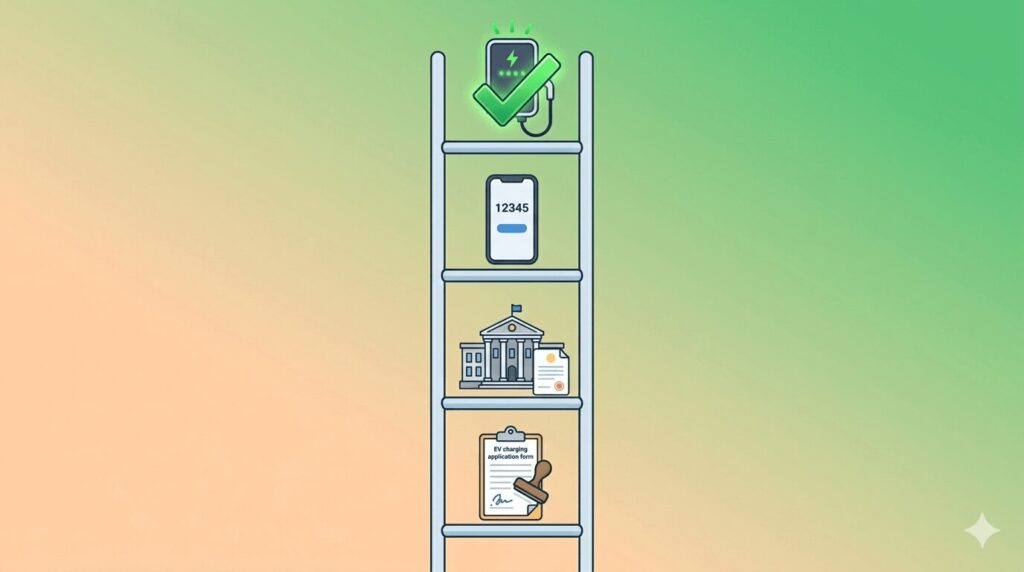
The Escalation Ladder — What to Do When 物业 Refuses or Delays
Step 1: Formal Written Re-Submission With Policy References (Week 1-2)
If your initial application receives no response after 30 days (20 days in Shanghai, 15 days in Shenzhen), or receives a refusal without specific technical justification, submit a formal written re-application explicitly referencing applicable regulations.
The formal re-submission should include:
A cover letter stating:
- The date of initial application
- That no substantive response has been received within the regulatory timeframe
- Specific citation of applicable national and local government guidance
- A formal request for written response within 10 working days explaining the basis for any delay or refusal
This formal re-submission, particularly with policy citations, often resolves delays without further escalation — many 物业 employees who created delays through inaction rather than deliberate refusal respond quickly when the regulatory framework is made explicit.
Step 2: Engage the 业主委员会 (Week 2-4)
If formal re-submission doesn’t produce results, bring the issue to the 业委会. Request a formal agenda item at the next 业委会 meeting to discuss 物业’s handling of EV charging applications.
The value of 业委会 engagement:
- 业委会 has authority over 物业 that individual owners lack
- A 业委会 resolution requiring 物业 to process EV charging applications within regulatory timeframes is binding on the 物业
- 业委会 collective action — particularly if multiple EV owners are affected — creates pressure that individual escalation cannot
If your compound has no active 业委会: Organise a meeting of interested EV-owning owners. A collective letter signed by 5+ owners requesting 物业 to establish an EV charging application procedure carries significantly more weight than an individual application.
Step 3: Local Government Housing Bureau (Month 1-2)
The relevant local government department overseeing property management companies varies by city:
| City | Relevant Department |
|---|---|
| Shanghai | 区房管局 (District Housing Management Bureau) |
| Beijing | 区住建委 (District Housing and Construction Commission) |
| Shenzhen | 区住房建设局 (District Housing Construction Bureau) |
| Guangzhou | 区住建局 (District Housing and Construction Bureau) |
| Other cities | 市城乡建设局 or 市住建局 |
The complaint basis: File a formal complaint that the 物业 has failed to process an EV charging application within the regulatory timeframe without providing legitimate technical justification.
What to submit:
- Copy of original application with proof of submission (registered mail receipt, or 物业 acknowledgment stamp)
- Copy of formal re-submission
- Timeline of events
- Copies of relevant national and local government guidance being violated
- Brief statement of the specific obstruction
Expected outcome: Most housing bureau complaints regarding EV charging produce a 物业 contact from the bureau requesting explanation — which typically resolves the obstruction. Property management companies are licensed entities subject to bureau oversight and respond to official bureau inquiries.
Step 4: 12345 Government Hotline (Month 1-2, Parallel With Step 3)
The 12345 government service hotline is available in all Chinese cities and provides a channel for citizen complaints about service failures including 物业 non-compliance. Complaints filed through 12345 are logged in the government service management system and require response within defined timeframes.
How to file: Call 12345 or use the 12345 city service app. Describe the situation: “I am a residential property owner who has submitted an EV charging installation application to my 物业 and have not received a response within the required timeframe. I am requesting government assistance in ensuring my application is processed in accordance with applicable regulations.”
Why this is effective: The 12345 system creates a logged complaint that district-level officials are required to track and close. A complaint requiring 物业 to process an EV charging application — backed by clear national policy — is a complaint that district officials will typically resolve in the owner’s favour.
Step 5: Media and Online Escalation (Month 2+, if Necessary)
For persistent 物业 obstruction that has survived Steps 1-4, media escalation through:
- 小红书 (Xiaohongshu) — documenting the experience with specific 物业 company named
- 微博 (Weibo) — public attention on specific obstruction cases
- Local news media — several Chinese cities have consumer protection journalists who regularly cover property management disputes
Public visibility of 物业 obstruction — particularly when the owner has clearly documented compliance with regulatory requirements — creates reputational pressure that most 物业 companies wish to avoid. This step is rarely necessary but available.
Step 6: Legal Action (As Last Resort)
The property law and contract law basis for EV charging rights provides grounds for civil litigation against a 物业 that is in ongoing breach of its service obligations by refusing to facilitate a legally permitted installation.
The legal basis:
- Violation of 物业服务合同 (property management service contract) obligations
- Interference with property rights (for owned parking spaces)
- Violation of specific administrative guidance
In practice: Legal action against 物业 for EV charging refusal has been litigated in Chinese courts, with owners winning in cases where:
- The owner’s documentation package was complete and compliant
- The 物业 refusal lacked legitimate technical basis
- The owner had properly exhausted the administrative escalation path
The small claims track (诉讼) for property management disputes is accessible and relatively fast in Chinese courts — a lawyer familiar with property management disputes can typically assess the case viability quickly.
The Collective Charging Alternative — When Individual Installation Isn’t Feasible
For residential compounds where individual space installation faces persistent obstacles — whether genuine electrical infrastructure limitations or management resistance that exhausts practical escalation options — collective charging infrastructure is often the more practical solution.
What Collective Charging Is
Collective charging (集中充电) involves installing shared EV charging points in the compound’s car park — operated either by a third-party charging network operator or managed directly by the compound’s 物业 or 业委会.
How collective charging typically works:
Model 1: Third-party operator model An EV charging network operator (TELD, StarCharge, State Grid subsidiary) installs and operates shared charging stations in the compound. The operator handles all capital expenditure, installation, and ongoing maintenance. Residents pay per session through the operator’s app.
Cost to resident: ¥0.80-¥1.50/kWh (higher than dedicated home installation at valley rates, but zero installation cost) Cost to compound: ¥0 (operator bears all costs in exchange for revenue share or exclusive contract)
Model 2: 业委会-managed model The 业委会 procures and manages collective charging infrastructure funded by a per-space capital levy or through compound maintenance reserve funds. Charging costs recover infrastructure cost over time.
Model 3: Government-subsidised model Several Chinese cities provide subsidies for residential compound collective charging infrastructure — particularly in older compounds where individual installation is technically difficult. Accessing these subsidies typically requires a 业委会 application to the local housing or new energy bureau.
Advocating for Collective Charging When Individual Installation Fails
If individual installation remains blocked after reasonable escalation, advocating for collective compound charging through the 业委会 is a productive path that:
- Serves the entire EV-owning resident community
- Often attracts government subsidy support
- Creates compound-wide infrastructure that benefits all current and future EV owners
- Provides the 物业 with a managed solution that addresses their operational concerns
The 业委会 motion: “Pursuant to [relevant local government guidance], this committee moves to engage a qualified EV charging network operator to provide collective EV charging infrastructure in [compound name] car park. The committee authorises the 业委会 chair to obtain at least three proposals from qualified operators and to present the options to the committee within 60 days.”
The Electricity Meter Application — What Most Guides Miss
The utility meter application is the step that most Chinese EV charging guides either skip or explain inadequately — and it is frequently the step that causes the longest delays after 物业 approval is obtained.
Why a Separate Meter Is Required
Chinese residential compounds require a separate electricity meter for EV charging because:
- Fair billing: EV charging electricity should be billed to the EV owner, not included in common area electricity accounts
- Safety accountability: A metered circuit is a supervised circuit — the utility maintains records of connected loads
- Peak demand management: Separate metering allows utilities to apply TOU pricing and demand management to EV charging loads specifically
The Application Process
Step 1: Submit application to local utility Contact the local electricity supply bureau office (国家电网营业厅 or 南方电网营业厅) — in person or through their app/website. Provide:
- Identity documentation
- Property rights documentation
- 物业 approval letter (you need this before the utility application)
- Proposed charger specification (to confirm load requirement)
- Site plan showing proposed meter location
Step 2: Utility site assessment The utility dispatches an engineer to assess:
- Whether the building’s main supply can accommodate the additional metered load
- The proposed meter installation location
- Cable routing from the meter to the proposed charger position
Step 3: Meter installation scheduling The utility schedules meter installation — typically 2-6 weeks after assessment in major Chinese cities. In smaller cities or for complex installations, 6-12 weeks is possible.
Expected total timeline (物业 approval to operational meter): Shanghai: 3-6 weeks Beijing: 4-8 weeks Other major cities: 4-10 weeks Tier-2/tier-3 cities: 6-14 weeks
What to Do If the Utility Is Slow
The NEA’s guidance establishes target processing timelines for residential EV charging meter applications. If the utility is significantly exceeding these targets:
- Contact the utility’s customer service centre with your case reference number and request a timeline update
- File a complaint through the utility’s formal complaint mechanism (每家供电公司都有投诉渠道)
- File through the 12345 hotline — utility service delays are within 12345 scope
- Contact the National Energy Administration’s grid regulation department for persistent delays
Special Scenarios — The Cases That Most Guides Don’t Cover
Scenario 1: Your Parking Space is in a Different Building’s Car Park
Some Chinese residential developments have parking facilities that are structurally part of a different building from the owner’s apartment — either underground car parks serving multiple towers or a separate parking structure.
The charging rights principle: Charging rights follow the parking space, not the apartment. If you have ownership or long-term lease of a specific parking space in any structure within the compound, your charging rights apply to that space.
The practical challenge: If the car park has a different management entity or different electrical infrastructure from the main residential building, coordination between multiple management parties may be required. Document the parking space ownership/lease clearly and ensure all relevant parties receive the application.
Scenario 2: Your Building Has a Collective Ownership Structure (联排别墅/低层住宅)
Townhouse and low-rise residential developments in China sometimes have collective ownership structures where parking is collectively owned by the 业委会 rather than individually titled.
The charging rights principle: In collective ownership structures, the 业委会 typically has authority to approve individual charging installations as a resolution rather than through 物业 — as the collective owner of the common areas including parking.
Practical approach: Apply to the 业委会 directly rather than through 物业. Frame the request as seeking the 业委会’s authorisation as the collective owner of the parking area.
Scenario 3: Your Compound’s Electrical Capacity Is Genuinely Insufficient
The legitimate technical basis for 物业 delay or refusal — genuine electrical capacity insufficiency — is distinct from bureaucratic obstruction and requires a different response.
How to identify genuine capacity issues: A legitimate capacity concern will be expressed in specific technical terms — the compound’s main supply transformer capacity, the distribution board’s available amperage, specific load calculations — not vague statements about “not being able to support it.”
Your rights when genuine capacity is the issue:
- Request a written technical assessment from the 物业 confirming the specific capacity constraint
- Request that the 物业 propose a solution — either a phased installation approach within available capacity, or a collective infrastructure upgrade plan with timeline and cost allocation
- If the 物业 refuses to engage constructively on the capacity question, escalate to the local housing bureau with the technical assessment requested
The government subsidy route for capacity upgrades: Many Chinese cities offer government subsidies specifically for residential compound electrical infrastructure upgrades to support EV charging. These subsidies — typically covering 30-50% of infrastructure upgrade costs — can make collective infrastructure solutions viable when individual installation is genuinely constrained by capacity.
Scenario 4: You Are a Renter (Not an Owner)
Renters face additional complexity in the charging rights framework — as the rights framework primarily addresses property owners. However, renters are not without options:
Approach 1: Negotiate with landlord for permission to install Frame the installation as a property improvement — a 32A socket or full charger that remains with the space when you leave. Many landlords are cooperative when the improvement adds value to their asset.
Approach 2: Request landlord to make the application on your behalf The landlord (as property owner) has stronger standing to make the application. If the landlord agrees in principle, they can submit the application as property owner with your installation commitment.
Approach 3: Use existing infrastructure if available If the compound already has collective charging or if your parking space already has a 32A socket, use existing infrastructure without requiring new installation — no application needed.
Scenario 5: The Compound Is Managed by the Original Developer (未成立业委会)
Many Chinese residential compounds — particularly newer developments — are still managed directly by the property developer’s 物业 subsidiary without an established independent 业委会. This creates a situation where the 物业 company has fewer checks on its behaviour.
Approach:
- Request the 物业 provide written documentation of the 业委会 status for the compound — whether one exists and who the members are
- If no 业委会 exists, organise one under the provisions of the 物业管理条例 — the property management regulations provide specific procedures for establishing a 业委会 in compounds where one doesn’t exist
- An organised 业委会 formation process, even in early stages, signals to the developer-controlled 物业 that owner rights are being actively organised — typically producing more cooperative behaviour
The Practical Timeline — What to Expect and Plan For
Optimistic Timeline (Cooperative 物业, Shanghai/Shenzhen)
| Milestone | Timeline |
|---|---|
| Application submission | Day 0 |
| 物业 acknowledgment | Day 3-5 |
| 物业 technical review/site visit | Week 1-2 |
| 物业 approval | Week 2-4 |
| Utility meter application submission | Week 3-4 |
| Utility site assessment | Week 4-6 |
| Utility meter installation | Week 6-10 |
| Electrician installation | Week 10-12 |
| Operational home charger | Week 10-12 |
Realistic Timeline (Standard 物业, Major City)
| Milestone | Timeline |
|---|---|
| Application submission | Day 0 |
| 物业 acknowledgment (after follow-up) | Week 2 |
| 物业 technical review | Week 3-5 |
| 物业 approval (after 1-2 follow-ups) | Week 4-8 |
| Utility application | Week 5-9 |
| Utility meter installation | Week 9-15 |
| Electrician installation | Week 12-16 |
| Operational home charger | Month 3-4 |
Challenging Timeline (Resistant 物业, Escalation Required)
| Milestone | Timeline |
|---|---|
| Application + formal re-submission | Months 1-2 |
| 业委会 engagement | Month 2 |
| Housing bureau complaint | Month 2-3 |
| 12345 complaint | Month 2-3 |
| 物业 compliance after government pressure | Month 3-4 |
| Utility process | Months 4-5 |
| Installation | Month 5-6 |
| Operational home charger | Month 5-6 |
The planning implication: Start the application process before or immediately at EV delivery — not after. The vehicle will be delivered and operational within weeks. The home charger may take months. Plan to use Mode 2 cable or collective charging during the application period.
The Model Application Letter — Use This Template
The following letter template incorporates the complete regulatory framework and covers the key elements that produce the fastest processing:
致:[小区名称]物业管理公司
主题:安装新能源汽车充电设施申请
本人[姓名],系贵小区[楼栋号]单元[房间号]业主/长期承租人,持有[车位编号]固定车位的所有权/长期租用权。
本人已购置新能源汽车([车辆品牌型号],车牌号[车牌]),现依据以下相关政策规定,正式提出在上述车位安装新能源汽车充电桩的申请:
- 国家发展改革委等部门关于加快居民区新能源汽车充电基础设施建设的相关指导意见
- 住房和城乡建设部关于物业服务企业配合业主安装充电设施的相关通知
- [相关地方政策,如:上海市/北京市/深圳市新能源汽车充电设施建设相关规定]
本申请附以下材料:
- 身份证复印件
- 不动产权证/车位产权/租赁协议复印件
- 车辆行驶证复印件
- 充电桩产品规格书及GB/T认证证书
- 安装方案及电缆走线示意图
- 持证电工资质证书
- 安全承诺书
本人承诺:安装工程将由持证电工负责施工,使用GB/T 20234.2-2015认证充电设备,并将单独申请充电专用电表,充电用电不占用公共用电。
恳请贵公司在收到本申请后[20/30]个工作日内给予书面答复。如有需要,本人可配合现场勘察。
感谢贵公司的支持与配合。
申请人:[签名] 日期:[日期] 联系方式:[电话]
[English translation for reference — submit the Chinese version:]
To: [Compound name] Property Management Company Subject: Application to Install New Energy Vehicle Charging Equipment
I, [name], am the owner/long-term lessee of [apartment number] in your compound, holding ownership/long-term lease rights to parking space [number].
Having purchased a new energy vehicle ([make/model], plate number [plate]), I hereby formally apply to install EV charging equipment in the above-mentioned parking space, pursuant to the following applicable regulations: [list regulations]
[Documents list, commitment, signature as above]
Internal Links — Further Reading on Clean Energy Bazaar
Apartment EV charging solutions 2026 China HOA rules property manager permissions and fixed parking rights is the regulatory and rights guide within the Chinese market content cluster.
For the complete home charger buying guide covering what to purchase once approval is obtained, our find the right EV charger for your home China edition guide covers every hardware decision. For the portable vs hardwired comparison covering options for renters and those in difficult 物业 situations, our portable vs hardwired home EV chargers best options for Chinese apartment dwellers guide covers every scenario. For the budget charger options appropriate while the application process progresses, our best budget EV chargers under ¥2,000 2026 Chinese options that actually work guide covers affordable solutions. For the full charger comparison covering what to buy once installation is approved, our best home EV chargers 2026 top 7 comparison for Chinese homeowners Star Charge Autel guide covers the complete market. For the European equivalent covering UK and European apartment charging permissions and building management processes, our apartment EV charging solutions 2026 US condo rules Europe flat permissions guide provides the international comparison. And for the smart charger value analysis covering what features to specify in the approved installation, our smart EV chargers 2026 AI load balancing vs standard features worth the extra cost in China guide provides the financial framework.
Final Thoughts
The apartment EV charging solutions 2026 China HOA rules property manager permissions and fixed parking rights landscape in China in 2026 is genuinely more owner-friendly than most Chinese EV buyers know — and most 物业 companies prefer it stays that way.
The five things every Chinese apartment EV owner needs to know:
1. The legal framework increasingly treats the 物业 process as notification, not permission. For owned parking spaces, the regulatory trend in China’s most progressive cities (Shenzhen, Shanghai) is toward notification-only — you tell the 物业 what you’re doing, comply with safety requirements, and proceed. The era of 物业 veto power over charging installations is winding down, not growing.
2. A complete documentation package is your most powerful tool. The most common cause of 物业 delay is incomplete applications — giving the 物业 a legitimate procedural basis for delay. Submit a complete, correct package on first submission. It eliminates this basis and starts the regulatory processing clock.
3. The escalation ladder works. Chinese government policy actively supports residential EV charging, and government agencies at district and city level respond to legitimate complaints about obstruction. The 12345 hotline, housing bureau complaint, and housing department engagement are not theoretical escalation paths — they are regularly used and regularly effective.
4. 业委会 engagement transforms the power balance. An individual owner asking 物业 for permission is in a weak position. A 业委会 resolution directing 物业 to process EV charging applications is in a strong position. Engage the 业委会 early in any difficult 物业 situation.
5. Start the process before or at delivery, not after. The 3-12 week typical timeline for the complete process means an EV owner who starts the application at delivery will have their home charger operational within the first quarter of ownership. An owner who waits until after delivery to start the process lives on Mode 2 cable or collective charging for months unnecessarily.
The regulations are on your side. The documentation package establishes your compliance. The escalation path gives you leverage. Use all three.