You’ve pulled up to a charging station, plugged in, and nothing happens. Or the charger starts and stops within two minutes. Or the app says the charger is available but the physical unit is throwing an error code you’ve never seen before.
If you own an EV in India, this has either already happened to you or it will. Public charging infrastructure here is improving fast, but it’s still inconsistent enough that knowing how to troubleshoot a charger yourself — or at least diagnose what’s wrong before calling customer support — saves you real time and frustration.
This EV charger troubleshooting guide India covers the most common issues across every major charger type used in India: AC slow chargers, Type 2, CCS2, and CHAdeMO. Whether you’re stuck at a highway charging plaza or your home charger has stopped responding, here’s what to check.
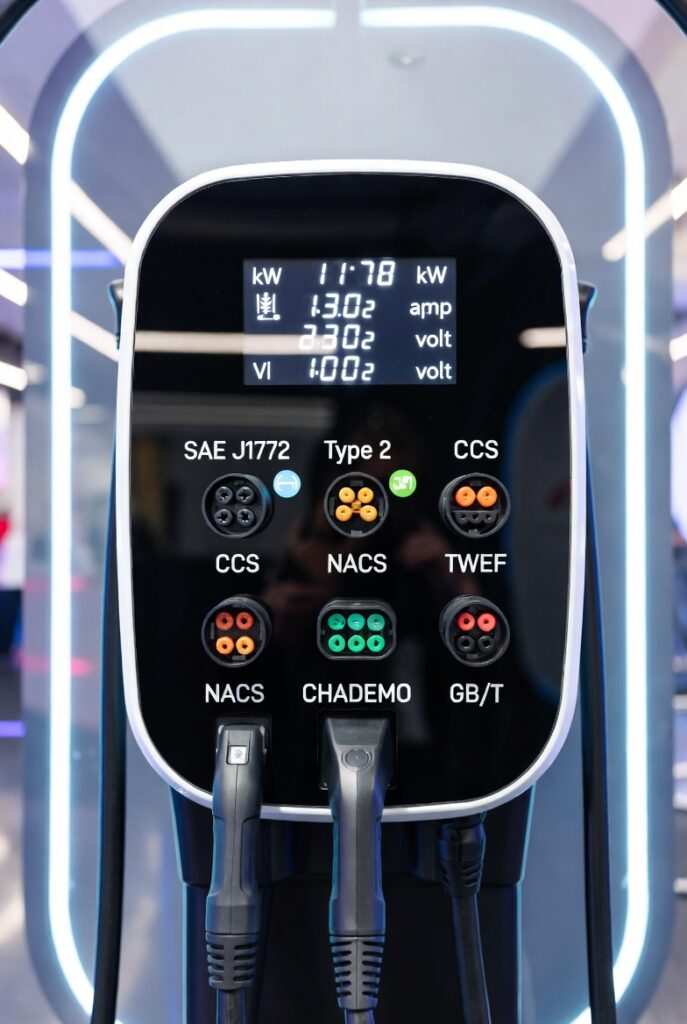
Understanding Charger Types Used in India First
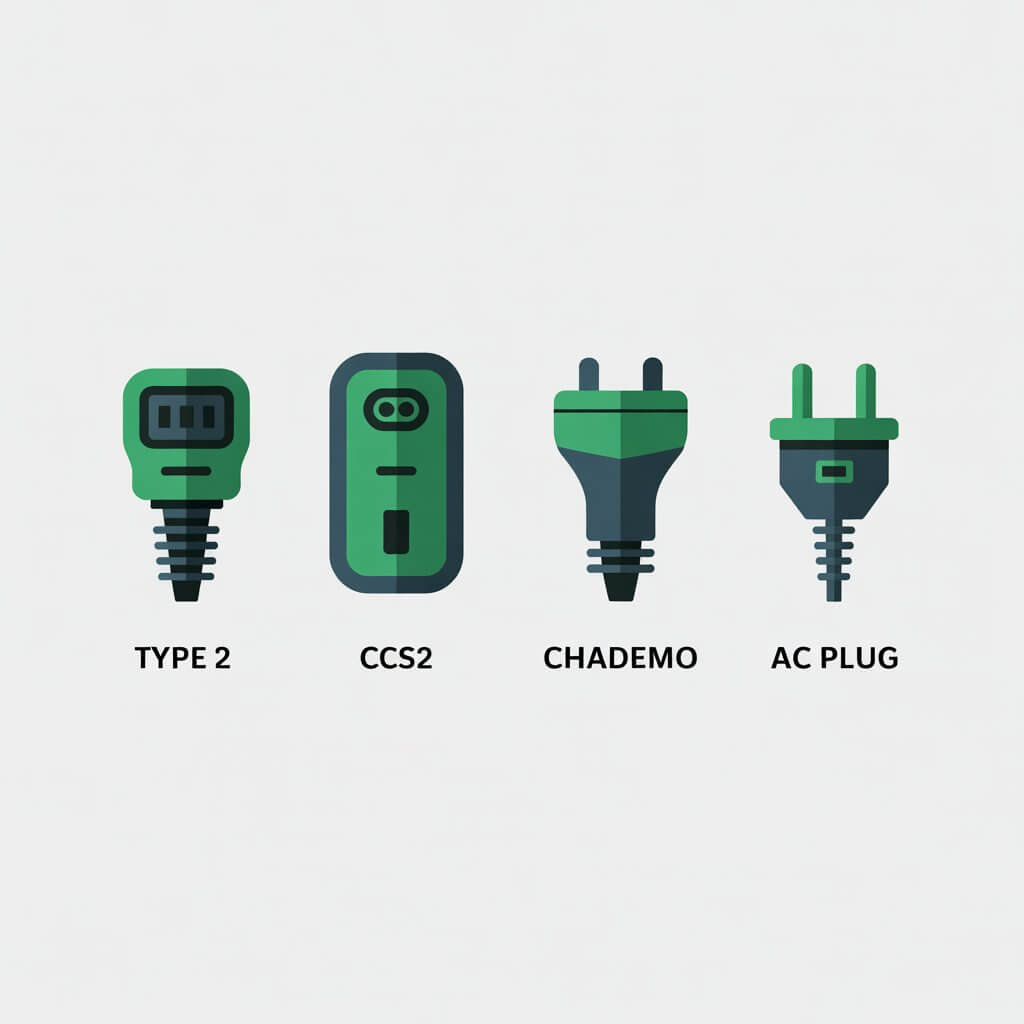
Before getting into specific problems, a quick primer on what’s actually out there — because the troubleshooting steps differ by charger type.
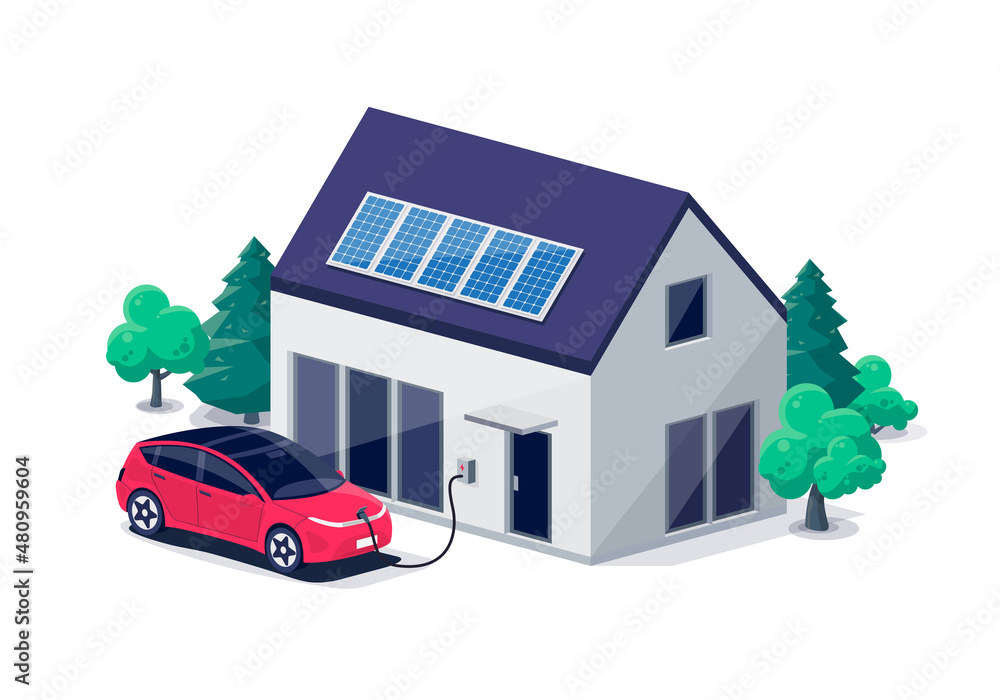
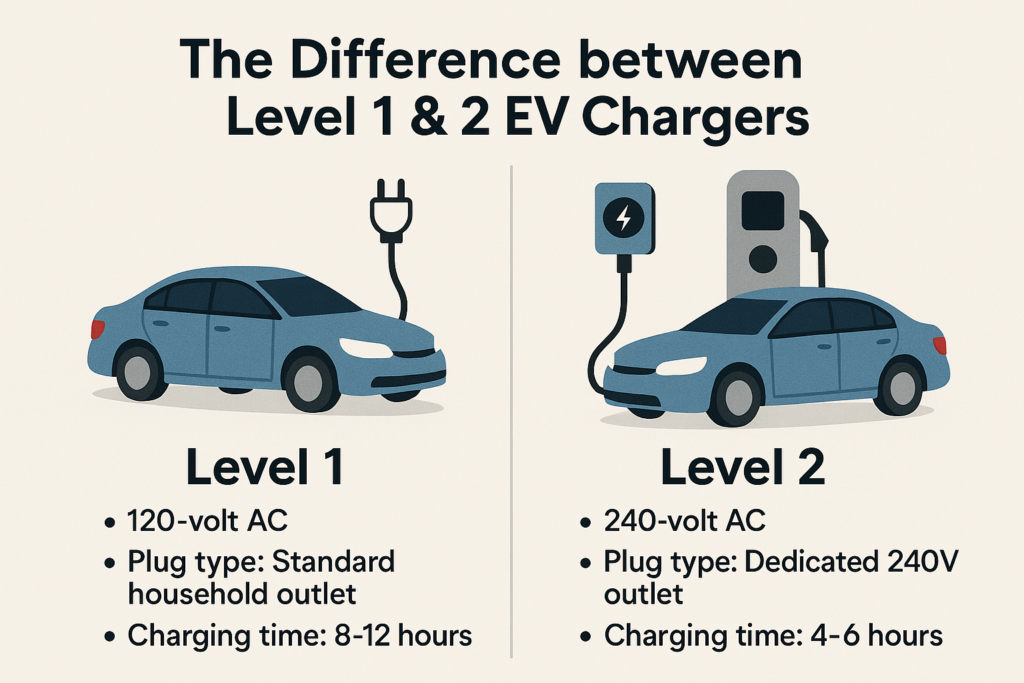
AC Slow Chargers (3.3 kW – 7.2 kW) The most common type at homes, hotels, and older public installations. Uses a Type 2 connector or a basic 15A socket with a portable EVSE. Slow but reliable when working correctly. Most two-wheelers and entry-level four-wheelers like the Tata Tiago EV charge primarily via AC.
Type 2 AC Chargers (7.2 kW – 22 kW) Standard for most EV four-wheelers in India. Found at malls, offices, and newer public charging stations. The Tata Nexon EV, Hyundai Creta Electric, and MG ZS EV all support Type 2 AC charging.
CCS2 DC Fast Chargers (50 kW – 150 kW+) The dominant fast charging standard in India for four-wheelers. Found at highway charging plazas, Tata Power stations, Statiq, and ChargeZone. The CCS2 connector combines AC and DC pins in one plug.
CHAdeMO DC Fast Chargers An older Japanese standard. Still found at some older installations but being phased out in India. The Nissan Leaf uses CHAdeMO — most other current Indian EVs don’t.
Bharat DC-001 (BDC) A government-mandated standard for slower DC charging at ₹ a lower cost. Rated at 15 kW. Found at some EESL and government-installed stations. Less common in newer installations.
Now, into the actual problems.
Common AC Charger Problems and How to Fix Them
AC chargers are the workhorses of home and workplace EV charging in India. They’re simpler than DC fast chargers, which means fewer failure points — but they still have their quirks.
Problem 1: Charger Plugged In But Car Shows No Charging
This is the most common complaint from home charger users and it usually has one of three causes.
Check the power supply first. AC chargers in India are sensitive to voltage fluctuations, which are common in tier-2 cities and older residential buildings. If your building’s supply drops below 200V regularly, your EVSE may cut out as a protection measure. A voltage stabiliser between your charger and the wall socket fixes this in most cases.
Check the EVSE pilot signal. The charger communicates with your car via a pilot signal before allowing current to flow. If this handshake fails — often because of a loose connector or a dirty charging port on the car — charging won’t start. Unplug, inspect both ends of the connector for debris or bent pins, and try again.
Check your MCB or RCD. Home EV chargers draw sustained current for hours. If your main circuit breaker or residual current device is undersized or aging, it may trip without you noticing. Check your distribution board — a tripped MCB is a surprisingly frequent cause of “charger not working” calls to support lines.
Problem 2: Charging Starts Then Stops Randomly
Intermittent charging on AC is almost always a heat or connection issue.
In Indian summers, AC chargers installed in direct sunlight or in poorly ventilated areas can overheat and throttle or cut out. If your wall-mounted charger is on a west-facing exterior wall, this is worth checking. Most quality chargers have thermal protection built in — it’s not a fault, it’s the charger protecting itself.
Loose connections at the wall socket or inside the charger unit are the other common culprit. This is a job for a licensed electrician — don’t open the unit yourself.
Problem 3: Home Charger App Shows Offline
If you’re using a smart home charger (Statiq, Lectrix, Tata Power EZ Charge, etc.) and the app shows the unit as offline, the issue is almost always WiFi connectivity rather than the charger itself. These chargers need a stable 2.4 GHz WiFi signal. If your router is far from the charger or you recently changed your WiFi password, reconnect the charger to your network through the app’s settings. A factory reset of the charger unit is the nuclear option if reconnection fails.
Common Type 2 Charger Problems at Public Stations
Type 2 AC chargers at malls, offices, and public parking lots have a different failure profile from home chargers because they’re used by multiple vehicles and often maintained less frequently.
Problem 1: Connector Won’t Lock Into the Car’s Charging Port
Type 2 connectors have a locking mechanism that engages when you plug in. If the connector isn’t locking, check for:
- Debris or dust in the car’s charging port — common in Indian conditions, especially during construction season
- A bent locking pin on the connector itself — this is a station hardware issue, try a different connector if multiple are available
- Your car’s charging port door not fully opening — some EVs have a motorised port cover that occasionally sticks, especially in cold weather in North India
Problem 2: Station Shows Available on App But Won’t Start
This is one of the most frustrating issues in the EV charger troubleshooting guide India context because it wastes time you’ve already spent driving to the station.
The app showing “available” and the physical charger being ready to use are two different things. Station management systems update availability with a lag — sometimes 10-15 minutes behind reality. The charger may have developed a fault after the last session that hasn’t been flagged yet.
Steps to try: Force-stop and restart the app, try initiating the session again, and check if the charger’s physical display shows any error code. If the display is blank or frozen, the unit has lost power or its controller has crashed — it needs a technician, not a second attempt.
Problem 3: Charging Speed Much Lower Than Expected
A 22 kW Type 2 station delivering only 3.3 kW is a common complaint. The reasons:
- Your car’s onboard charger limits AC input. The Tata Nexon EV standard variant has a 7.2 kW onboard AC charger — it physically cannot accept 22 kW regardless of what the station offers.
- The station is load-balancing across multiple vehicles. Many multi-port AC stations split available power when more than one car is charging. At peak times, each car gets less.
- The station is actually a 7.2 kW unit misrepresented as 22 kW in the app. This happens more than it should in India. Check the physical label on the charger unit.
Common CCS2 DC Fast Charger Problems
CCS2 is where most of the frustration happens in Indian public charging because the stakes are higher — you’re there specifically for a fast charge and every minute of downtime matters.
Problem 1: CCS2 Connector Doesn’t Engage or Falls Out
CCS2 connectors are heavier than Type 2 and the locking mechanism is more complex. Connector engagement failures are often caused by:
- A dirty or corroded DC pin on either the connector or the car’s port — wipe with a dry cloth, never use water
- The station’s connector cable being worn from heavy use — the locking tab can wear down over time
- Your car’s CCS2 port having debris from road use — this is especially common on Nexon EV and Creta Electric vehicles used in dusty conditions
If the connector appears to engage but the session won’t start, the issue is likely the pilot communication rather than the physical connection.
Problem 2: Session Starts Then Stops Within 2 Minutes
This is the single most-reported CCS2 issue in India and it has several possible causes:
Battery temperature out of range. DC fast chargers communicate directly with your car’s BMS (battery management system). If your battery is too hot (common after a long highway drive in summer) or too cold (North India winters below 10°C), the BMS will refuse fast charging to protect the battery. Park in shade for 20-30 minutes and try again.
State of charge too high. Most EVs restrict DC fast charging above 80% SOC. If you’re already at 78% and trying to fast charge, the session may start and then taper to near zero almost immediately. This isn’t a fault.
Station communication error. The OCPP (Open Charge Point Protocol) handshake between the charger and your car’s BMS failed. This is a software-level issue. Unplug completely, wait 60 seconds, and try again. If it fails three times, the station has a fault.
Problem 3: Error Codes on the Charger Display
Different operators use different error code systems, but some are common enough to know:
- E01 / Ground fault error — The station has detected a grounding issue. Do not attempt to charge, report to the operator.
- E03 / Communication error — BMS handshake failed. Try the 60-second unplug-and-retry method.
- E05 / Overcurrent — The station drew more current than its protection allows. Usually self-resolves after 5 minutes.
- Offline / No network — The charger has lost its backend connection. You may still be able to initiate a session offline on some Statiq and Tata Power units using the physical RFID card rather than the app.
Problem 4: CCS2 Charger Works But Charges Much Slower Than Rated
A 100 kW station delivering 30 kW is a legitimate complaint. Causes in India:
- Shared power pool. Many highway charging plazas have a single transformer feeding multiple fast chargers. If three cars are charging simultaneously, each gets a fraction of the rated power.
- Your car’s peak charge rate. The Tata Nexon EV Max peaks at 50 kW DC regardless of the station’s rated capacity. A 100 kW station won’t make it charge faster.
- Battery SOC curve. DC fast charging speed drops as the battery fills up. 20% to 50% is always faster than 60% to 80%.
- High ambient temperature. Above 38-40°C, most EVs throttle DC charging rates to protect battery cells. This is a real factor in Indian summers.
Common CHAdeMO Charger Problems
CHAdeMO is increasingly rare in India but still relevant if you own a Nissan Leaf or an older EV with this standard.
Problem 1: CHAdeMO Station Shows Available But Won’t Communicate With Car
CHAdeMO uses a separate communication protocol from CCS2 and is more sensitive to firmware mismatches between the station and the vehicle. If you’re using a Nissan Leaf, ensure your car’s firmware is up to date. Older CHAdeMO stations in India haven’t always received software updates and compatibility issues with newer vehicle firmware are known.
Problem 2: Can’t Find a Working CHAdeMO Charger
Honest answer: this is increasingly a real problem. CHAdeMO infrastructure in India is not being expanded and several older units are out of service. If you own a CHAdeMO-compatible vehicle, PlugShare’s real-time check-in data is more reliable than operator apps for finding actually-working units.
General EV Charger Troubleshooting Steps That Work Across All Types
Regardless of charger type, this sequence resolves a surprisingly large percentage of issues:
Step 1: Unplug completely from both the car and the station. Wait 60 seconds. Reconnect.
Step 2: Check the car’s charging port for debris, moisture, or bent pins.
Step 3: Check your car’s infotainment or instrument cluster for any error messages — the car often knows what’s wrong before the charger does.
Step 4: Force-close and reopen the charging operator’s app. Refresh the session.
Step 5: Try a different connector on the same station if multiple are available.
Step 6: Check real-time status on PlugShare for recent user check-ins — if three people have reported issues in the last hour, the station has a fault and no amount of retrying will help.
Step 7: Call the operator’s helpline. Tata Power, Statiq, and ChargeZone all have 24/7 support lines. Keep these numbers saved.
How to Avoid Charger Problems Before They Happen
The best use of this EV charger troubleshooting guide India is to read it before you need it — and take a few steps that reduce the chance of problems in the first place.
Keep your charging port clean. A soft dry brush once a month keeps dust and debris out of the port. This single habit eliminates a significant percentage of connector engagement failures.
Don’t arrive at a DC fast charger above 80% SOC. You won’t get a useful session and you’ll frustrate drivers behind you.
Carry your RFID card even if you prefer the app. Network outages hit charging station apps regularly. An RFID card works offline at most Tata Power and Statiq stations and gets you charging when the app won’t.
Check PlugShare before you leave, not when you arrive. Five minutes of research at home beats 40 minutes of troubleshooting at a broken station.
For home charger reliability, the quality of your installation matters as much as the charger itself. A properly earthed, dedicated circuit with the right cable gauge makes a significant difference to long-term reliability. If you haven’t sorted your home setup yet, this guide to the best home EV chargers in India with real user costs and setups is worth reading — the installation section alone has saved several owners from recurring charger faults.
When to Call the Operator vs When to Call Your Dealer
A question that comes up constantly in Indian EV owner groups: is this a charger problem or a car problem?
Call the charging operator when:
- The charger display shows an error code
- Multiple vehicles at the same station have the same issue
- The app shows the charger as available but the physical unit is unresponsive
- The station was working yesterday and isn’t today
Call your dealer or EV brand service when:
- The problem follows your car to multiple different stations
- Your car’s instrument cluster shows a charging error
- Your car charges fine at home but not at public stations (or vice versa)
- The issue started after a software update
Call an electrician when:
- Your home charger trips the MCB repeatedly
- You notice any burning smell, discolouration near the socket, or warm cables
- Your home charger was working fine and stopped after a power surge
Operator Helpline Numbers to Save Right Now
- Tata Power EV Charging: 1800-209-8282
- Statiq: 1800-123-7828
- ChargeZone: 1800-270-7000
- Ather Grid: Through the Ather app or 080-4710-8282
- HPCL EV Charging: 1800-233-3555
Final Thoughts
Public EV charging in India is genuinely getting better — but it’s not yet at the point where you can plug in anywhere and expect everything to work first time, every time. Knowing how to troubleshoot a charger yourself, understanding what the error codes mean, and having the right operator numbers saved puts you miles ahead of the average EV owner who just stands at a broken charger feeling helpless.
This EV charger troubleshooting guide India covers the most common scenarios but the EV charging landscape here is evolving fast. Bookmark it, share it with other EV owners in your building or community, and check back — we update our guides as infrastructure and standards change.