India’s highway charging infrastructure has improved a lot over the last two years. But during Diwali, Holi, Eid, or a back-to-back long weekend, you’ll still run into the same problem: too many EVs, not enough working chargers.
If you’ve ever queued at an Ather Grid station on the eve of a festival or refreshed Tata Power’s app in a tier-2 town hoping a fast charger would show up — you know exactly what EV charging during holidays in India looks like at its worst.
Here’s a practical guide to managing EV charging during high-demand holiday periods in India, whether you’re driving a Tata Nexon EV, an MG ZS, or a BYD Atto 3.
Why EV Charging During Holidays in India Gets So Difficult
The demand spike isn’t unique to India, but a few things make it worse here.
First, our charging network is still concentrated along specific corridors — Mumbai-Pune Expressway, Delhi-Jaipur NH48, Bengaluru-Mysuru. Outside these routes, chargers are sparse and often unreliable.
Second, Indian festival travel happens in waves. During Diwali, a huge volume of people leave metros for their hometowns within a 48-hour window. Everyone’s hitting the same highways at roughly the same time.
Third, a lot of chargers in tier-2 cities or highway dhabas are either slow AC chargers (7.2 kW) or occasionally offline. Finding a working 50 kW+ DC fast charger outside major highways is still hit or miss.
The result: longer queues, unexpected detours, and a lot of wasted time at charging plazas that weren’t designed for holiday-level volume.
Plan Your EV Charging Stops Before You Leave — Not On the Road
This sounds obvious. Most people still don’t do it properly.
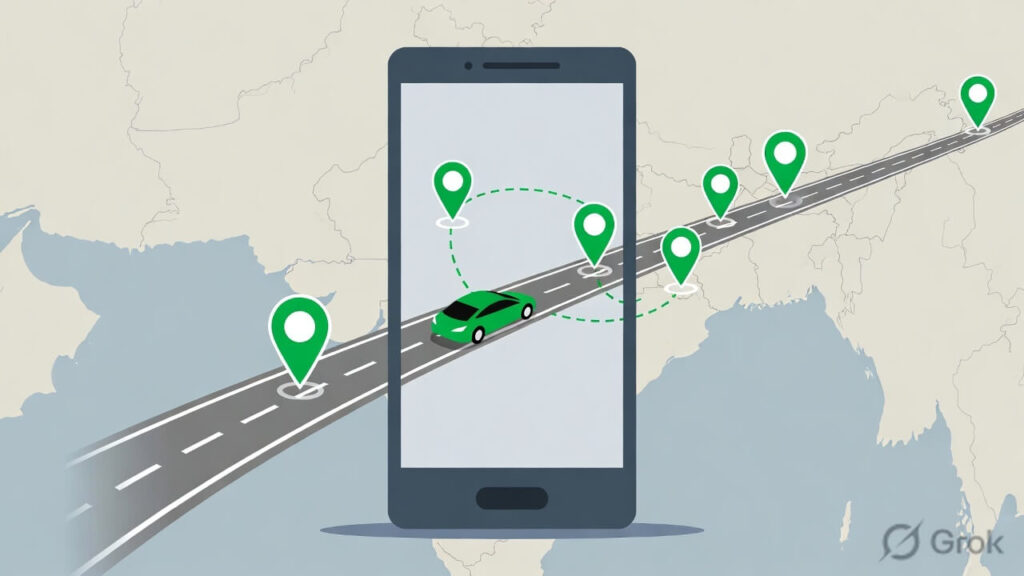
Before any holiday trip, map out every charging stop, not just the ones you think you’ll need. Use tools like PlugShare, EVSE India, Tata Power EV app, or Statiq to check:
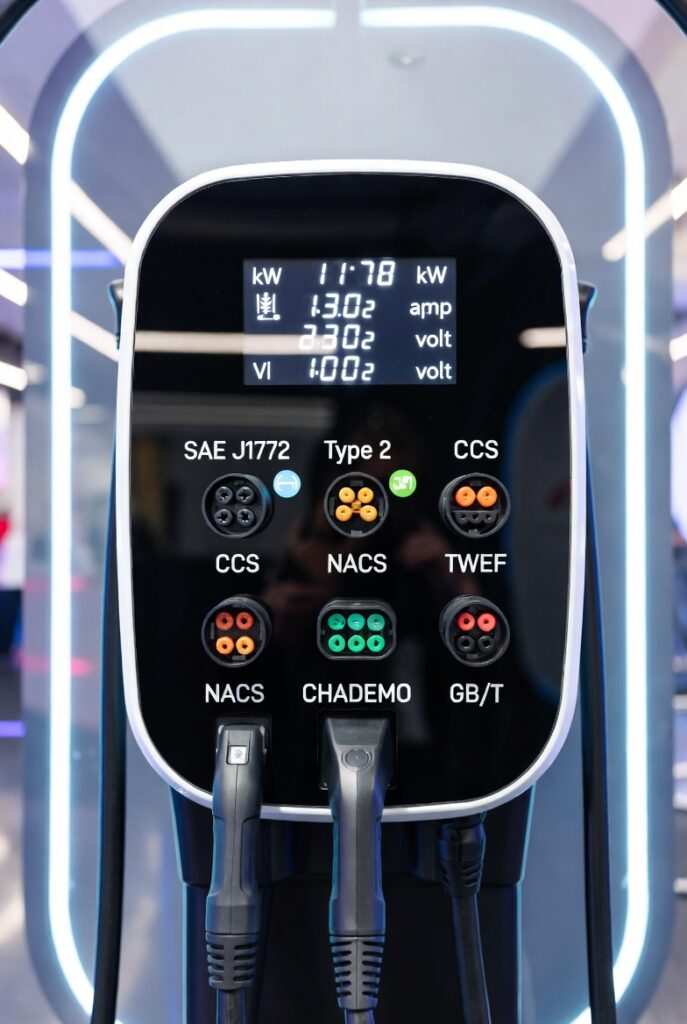
- Whether the charger is CCS2, CHAdeMO, or Type 2 (compatibility matters)
- The charger’s rated speed (7.2 kW vs 50 kW vs 100 kW makes a big difference)
- Recent user check-ins or reviews mentioning downtime
Don’t just identify one stop per 150 km. During EV charging in peak holiday season, assume a 20-30% chance that your primary stop has a queue or is offline, and mark a backup within 30 km of every planned stop.
For example, if you’re driving Delhi to Chandigarh in a Nexon EV Max during a long weekend, there are DC fast chargers at multiple points along NH44. But they fill up. Having a fallback at a hotel charger or Ather Grid on a service road can save you 40 minutes easily.
And here’s something most first-time EV road trippers overlook: how your car charges at home the night before matters just as much as the highway stops. If you’re leaving on a Diwali morning and your car is only at 60% because your home charger is slow, you’re starting with a handicap. If you haven’t sorted your home charging setup yet, this honest guide to the best home EV chargers in India — with real user setups and costs — is worth reading before your next holiday trip.
Top Highway Corridors With Reliable EV Charging in India (Holiday Season)
Not all highways are equal when it comes to fast charging access. Based on network density and user-reported reliability, these corridors handle EV charging during Indian holidays relatively better:
Mumbai – Pune (NH48) Dense charging infrastructure, multiple operators (Tata Power, HPCL, ChargeZone). Expect queues at Khopoli and Lonavala during peak hours but the sheer number of chargers means turnaround is faster.
Delhi – Jaipur (NH48) Well-covered by Statiq, Tata Power, and EESL chargers. Neemrana and Shahpura are reliable mid-stops. Better to charge early morning before the holiday rush builds up.
Bengaluru – Mysuru (NH275) Fairly reliable thanks to BESCOM and Tata Power stations. The 150 km stretch is comfortable even for EVs with 300 km real-world range. Mandya is a decent charging point with fewer queues than Bengaluru city chargers.
Chennai – Bengaluru (NH48) Getting better. Krishnagiri and Hosur have decent charging options. Watch out for downtime reports on older EESL chargers.
Pune – Kolhapur (NH48) Sparser than Mumbai-Pune, but doable. Satara has a couple of reliable fast chargers. Plan this stretch carefully during major Maharashtrian festivals.
How to Cut EV Charging Wait Time During Peak Holiday Travel
A few things that actually work:
Charge early or late. Between 10 PM and 6 AM, most charging plazas run at a fraction of their daytime load. If you’re doing a long intercity trip, starting at night or arriving at a charging station before 7 AM cuts your wait significantly.
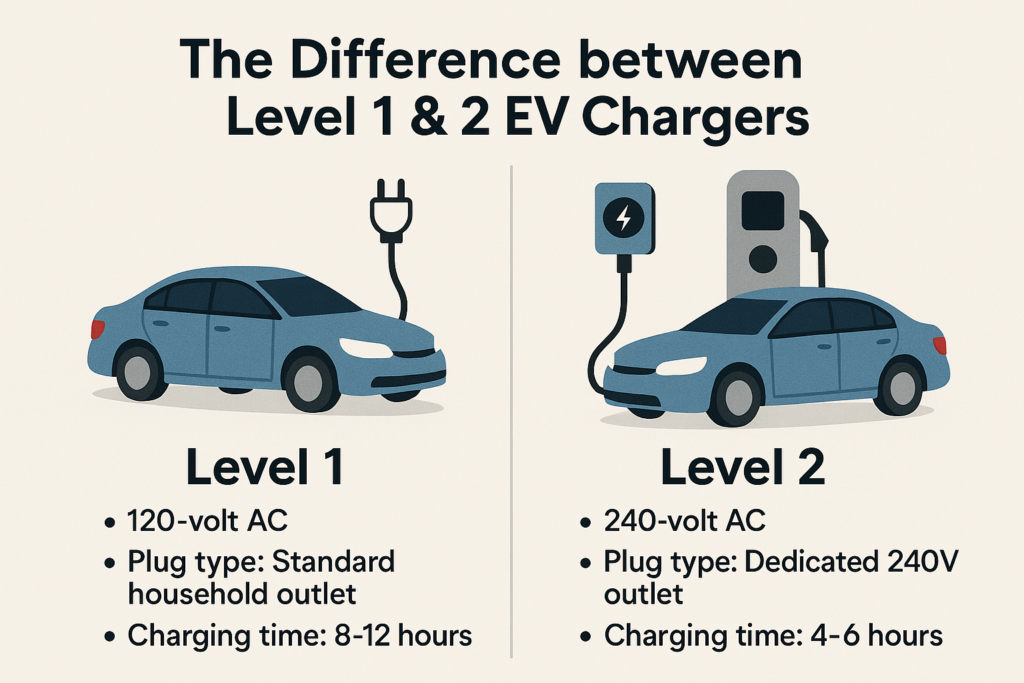
Use AC charging at hotels and restaurants. If you’re stopping for dinner or staying overnight, plug into a Type 2 AC charger (even 3.3 kW or 7.2 kW) during that idle time. You won’t fill up fast, but even 40-50 km of range added during a meal or sleep is useful. This is also where having a good portable charger in your car pays off — the same logic applies at home. Real EV owners in India talk about exactly this setup here.
Don’t wait until 15%. On a normal day, charging from 20% makes sense. During EV charging on holidays, charge from 30-35%. Charging stations have longer queues, and if your primary stop fails, you need buffer range to reach a backup.
Use the “charge to 80%” rule religiously. DC fast charging slows dramatically above 80% SOC. On a busy holiday, you’re burning queue time for other EV drivers by camping at a charger from 80% to 100%. Get to 80%, move, and grab the last 20% later if needed.
Check real-time charger status. Statiq, ChargeZone, and Tata Power apps show live charger availability. Refresh before you get back on the road from a food stop — you might find a closer charger that just freed up.
Specific Tips for Popular Indian EV Models During Holiday Trips
Tata Nexon EV (Standard and Max) The standard range Nexon EV has a real-world range of around 250-280 km in good weather. During winters in North India, expect 15-20% less. On Mumbai-Pune during Diwali, one charge at Khopoli is usually sufficient. The Max variant is more comfortable for longer corridors like Delhi-Agra.
MG ZS EV The 50.3 kWh battery gives decent highway range. MG’s own charging network (MG Shield) covers some highways but is thinner than Tata Power’s network. Rely on Statiq and ChargeZone for non-MG chargers. The ZS EV’s CCS2 compatibility means it works with most fast chargers.
Hyundai Creta Electric Launched in 2024, the Creta EV has real-world range of 380-420 km on the highway variant. For most single-day holiday trips under 300 km, one charge at the destination is enough without mid-route stops — assuming you start full.
Ola S1 Pro and Ather 450X (Two-wheelers) Holiday scooter rides within city limits or to nearby hill stations are manageable. Ather Grid availability in tier-1 cities is good; tier-2 is still patchy. For anything beyond 80-90 km one way, map Ather Grid or Ola Hypercharger points carefully.
What to Do If You Can’t Find a Working Charger During Holiday Travel
It happens. Here’s the order of options to try:
- Check nearby hotels with EV charging. ITC, Marriott, OYO’s premium segment, and some Treebo properties have installed Level 2 chargers. Call ahead.
- Look for Tata/HPCL fuel station chargers. HPCL and BPCL have been aggressively installing fast chargers at fuel stations on highways. Even if they’re not on your app, they might show up on Google Maps.
- Ask local EV owners. India’s EV community on WhatsApp groups and Facebook is surprisingly active. Regional groups often have members who know workaround spots.
- Emergency slow charge from a regular socket. A regular 15A socket gives you around 10-12 km of range per hour. Slow, but it beats being stranded. This is also why having a basic home charger setup with a portable unit is worth it — the same cable you use at home works in these pinch situations. See what home charger setups other Indian EV owners are actually using.
EV Charging Etiquette During Holidays (That Most People Ignore)
A few things that’d make shared infrastructure less painful for everyone:
- Don’t block a charger after you’re done. Move your car once charging is complete. Leaving an EV parked at a charger while you sit in a restaurant for 90 minutes after it hit 100% is genuinely inconsiderate during peak holiday EV charging hours.
- Don’t reserve a charger you’re 30 km away from. Some apps let you “reserve” a slot. During heavy demand, this creates ghost queues.
- Share live status in community groups. If you notice a charger is down or unusually quiet, post it. The EV community in India is small enough that this actually helps people.
Is India’s EV Charging Infrastructure Ready for Holiday Season?
Not really — but it’s getting there faster than most people expected two years ago.
As of 2024, India had over 12,000 public EV charging stations according to NITI Aayog data. But that number includes a lot of slow AC chargers that aren’t useful for highway travel. The fast DC charger network (50 kW and above) is still thin outside major corridors and state capitals.
The government’s FAME II scheme and the newer PM E-DRIVE scheme are pushing more chargers along highways, but EV adoption is outrunning infrastructure expansion in several regions. Managing EV charging during Indian holidays is still mostly a planning problem, not a hardware problem — the chargers exist, but you have to know where they are and have backups ready.
For now: if you plan well, most holiday trips in a modern long-range EV are doable. If you wing it the way you might with a petrol car, you’re going to have a bad time.
Final Thoughts on EV Charging During Holidays in India
EV charging during holidays in India is a solvable problem — it just requires more preparation than you’d need with a traditional vehicle. The infrastructure gaps are real, but they’re predictable. Know which highways are well-covered, plan your stops before you leave, and stay plugged into the EV community online.
One thing that often gets forgotten in all the highway charging discussion: your trip starts at home. Leaving with a full charge every single time is the single easiest way to reduce holiday charging stress. If your home setup isn’t reliable or fast enough, that’s worth fixing before the next long weekend. Here’s a solid starting point for finding the right home EV charger in India.
The experience will get smoother every year. Until then, the people who plan ahead have a genuinely good time. The ones who don’t are the ones writing frustrated posts about range anxiety at a dhaba on NH48.