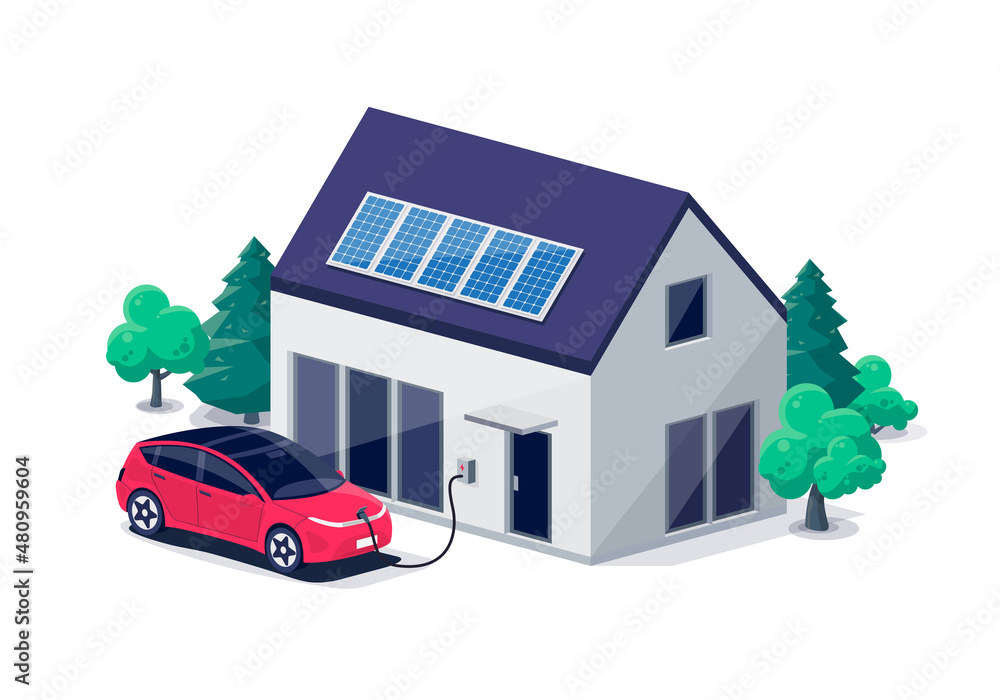
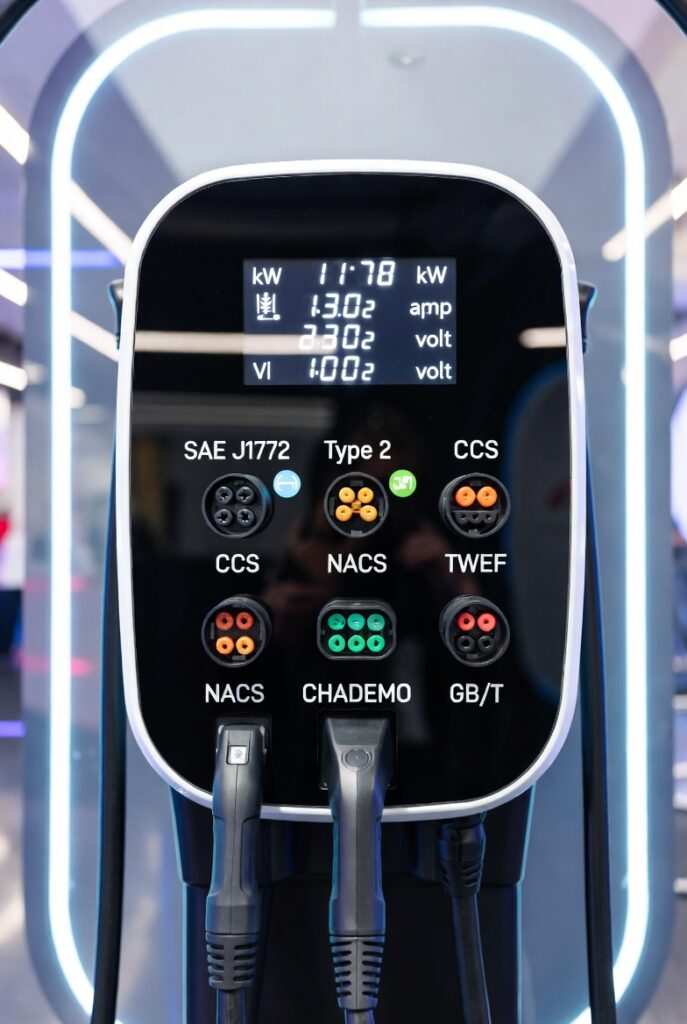
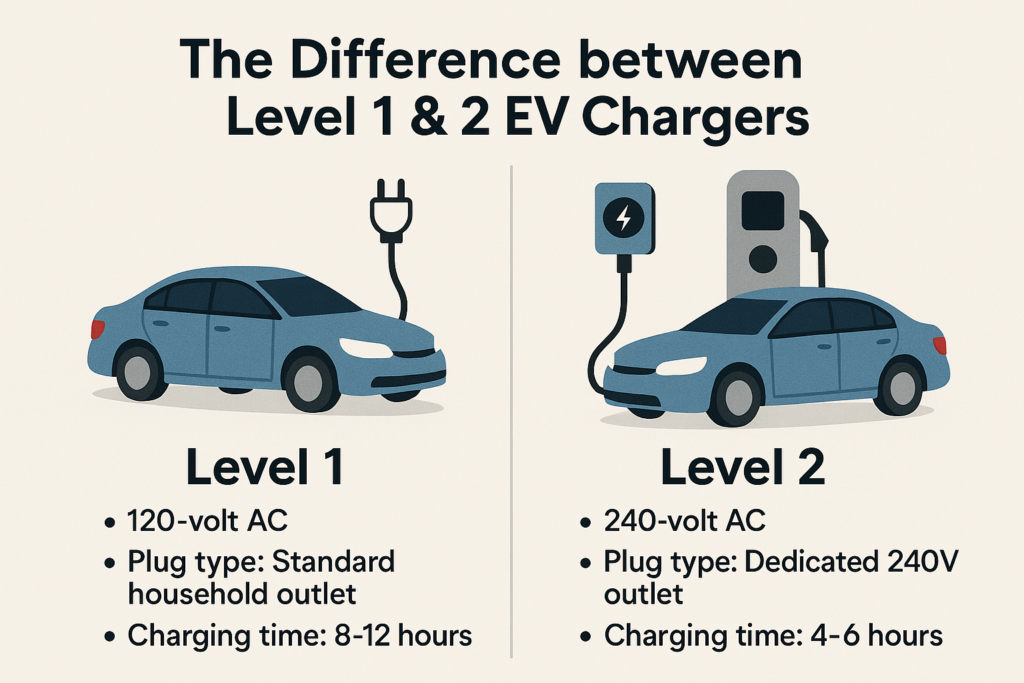
In the rapidly growing electric vehicle (EV) market in India, choosing the right EV charger can significantly impact your overall costs and convenience. With state rebates and tax credits for EV chargers playing a pivotal role, EV owners in cities like Bengaluru, Mumbai, or Delhi are increasingly factoring in these incentives when comparing home EV chargers or public charging stations. This article explores how state-specific rebates and national tax credits influence your EV charger selection in 2026, helping you make informed decisions to maximize savings on EV charging infrastructure installation in India.
Whether you’re searching for “best EV charger rebates in Maharashtra 2026” or “tax credits for home EV charging stations in Delhi,” understanding these financial benefits can turn a standard Level 2 charger into an affordable upgrade. Let’s dive into the details to see how these incentives can guide your choice.
Understanding National-Level Incentives for EV Chargers in India
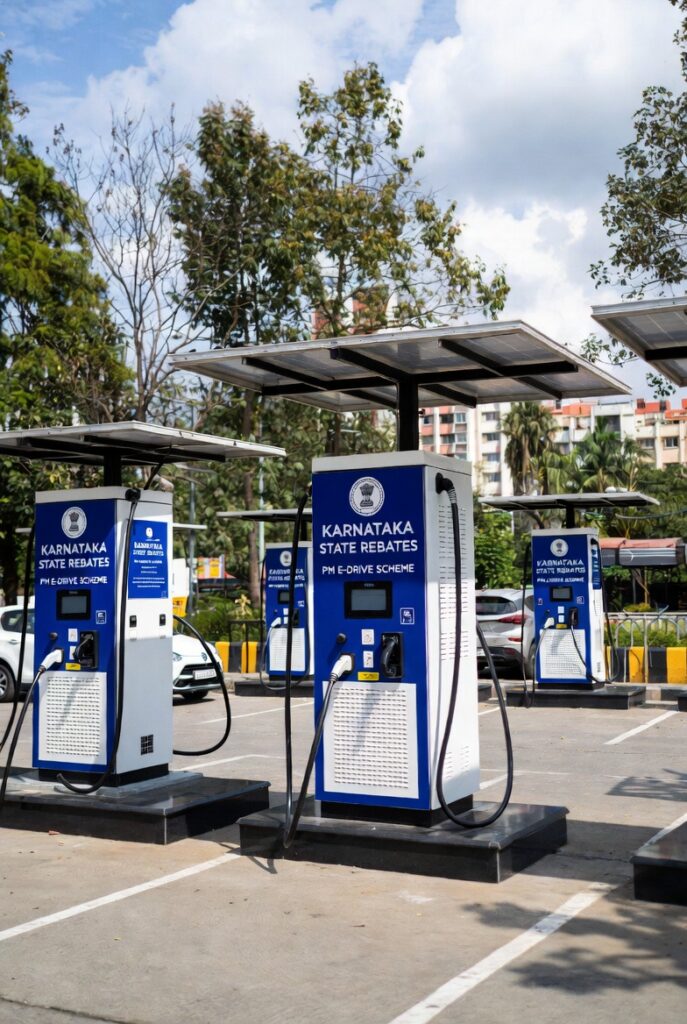
At the national level, the Indian government has introduced several schemes to promote EV adoption, including rebates and tax credits that directly affect EV charger costs. The PM E-DRIVE scheme, with a total outlay of Rs. 10,900 crore, allocates Rs. 2,000 crore specifically for EV public charging stations (EV PCS). This scheme supports the installation of approximately 72,000 new chargers by FY 2025-26, including fast chargers for cars.
Key national benefits include:
- Reduced GST on Chargers: The Goods and Services Tax (GST) on EV chargers and charging stations has been slashed to 5% from 18%, making them more affordable compared to traditional fuel infrastructure.
- 100% Subsidy for Select Charging Infrastructure: Under PM E-DRIVE, the government offers up to 100% subsidy for EV charging stations on highways and 80% for other locations like streets, shopping centers, or market complexes. This is particularly beneficial for those considering public or commercial EV charger setups in India.
- PLI Schemes for Batteries and Components: The Production Linked Incentive (PLI) schemes for advanced chemistry cells and auto components extend concessional customs duties on lithium-ion cells until March 31, 2028, indirectly lowering costs for compatible chargers.
These national incentives make higher-capacity chargers, such as 60 kW or 120 kW fast chargers, more viable by reducing upfront costs—encouraging EV owners to opt for faster, more efficient options over basic Level 1 chargers.
State-Wise Rebates and Tax Credits for EV Charging in 2026
India’s EV incentives are highly state-dependent, with each state offering unique rebates, tax waivers, and subsidies that can sway your charger choice. For instance, if you’re in a state with generous subsidies for fast EV chargers, you might prefer a DC fast charger over an AC one for quicker home or business charging. Below is a breakdown of key states’ offerings, tailored for those querying “state subsidies for EV charging stations in India 2026.”
Maharashtra: Leading with Substantial Subsidies
Maharashtra stands out for its aggressive EV policy, offering up to 50% subsidy on the cost of setting up EV charging stations (subject to a maximum cap). Additionally, there’s a 100% exemption on road tax and registration fees for EVs, extending to charging infrastructure benefits. Per-kWh incentives further reduce operational costs.
- Impact on Charger Choice: These rebates make it easier to afford premium chargers like 30 kW units for home use, ideal for EV owners in Mumbai or Pune searching for “EV charger tax credits in Maharashtra.”
Delhi: Targeted Subsidies for Charging Points
Under the Delhi EV Policy 2026, you can claim a subsidy of Rs. 6,000 per charging point for the first 30,000 points installed. All EVs receive a 100% waiver on road tax and registration fees, with additional focus on dense fast-charging networks. The policy prioritizes subsidies in high-population areas.
- Impact on Charger Choice: This encourages selection of multiple Level 2 chargers for apartments or offices, perfect for those looking up “home EV charger rebates in Delhi 2026.”
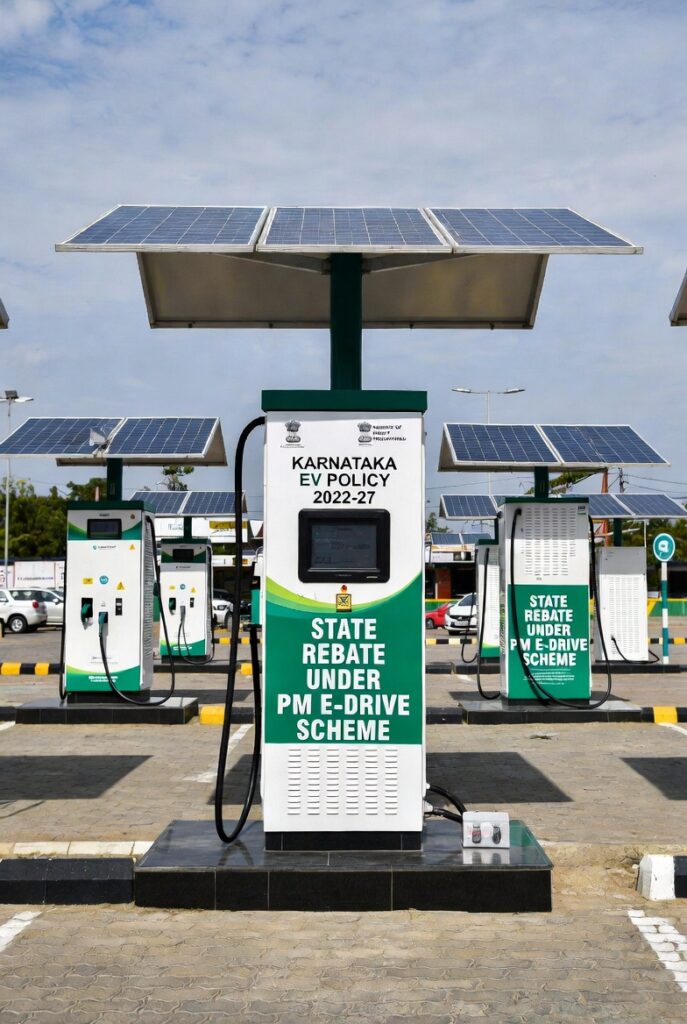
Gujarat: Infrastructure-Focused Incentives
Gujarat has earmarked funds for over 250 charging stations across the state, with partial road tax relief and subsidies for four-wheelers. Capital subsidies are available for public charging setups.
- Impact on Charger Choice: Favors community or highway chargers, influencing decisions for “EV fast charger subsidies in Gujarat India.”
Tamil Nadu: Extended Tax Exemptions
Tamil Nadu offers 100% road tax exemption for EVs until December 2027, along with adjusted energy charges for EV tariffs (30% lower during solar hours). This includes incentives for renewable-powered stations.
- Impact on Charger Choice: Promotes solar-integrated chargers, appealing to queries like “tax credits for solar EV chargers in Tamil Nadu 2026.”
Karnataka and Telangana: Waivers and Exemptions
Karnataka provides 100% road tax exemptions, with plans for 300 new stations and tax incentives. Telangana offers similar exemptions until December 2026.
- Impact on Charger Choice: These make basic to mid-range chargers more accessible, especially for Bengaluru residents searching “EV charger incentives in Karnataka.”
Other states like Kerala waive demand charges for EV tariffs, and Uttar Pradesh targets subsidies for new stations. Always check your state’s latest EV policy for updates.
How Rebates and Tax Credits Influence Your EV Charger Selection
State rebates and tax credits dramatically lower the effective cost of EV chargers, allowing you to upgrade without breaking the bank. For example:
- Cost Savings on Installation: A 50% subsidy in Maharashtra could halve the price of a 60 kW charger, whose benchmark cost has been reduced by 28% under national guidelines.
- Operational Efficiency: Reduced electricity tariffs (e.g., in Tamil Nadu) favor chargers with smart features for off-peak charging, enhancing long-term savings.
- Type of Charger: Incentives often prioritize fast chargers or those integrated with renewables, steering choices away from basic models.
- Home vs. Public: Home chargers benefit from tax waivers, while public ones gain from 80-100% subsidies, ideal for business owners.
When comparing EV chargers on our India-based platform, factor in these incentives to calculate true ROI. Searches like “how state rebates affect EV charger choice in India” often lead here because we help you compare models like Jio-bp or Tata Power chargers with rebate-adjusted pricing.
Tips for Claiming State Rebates and Tax Credits on EV Chargers
To maximize benefits:
- Verify Eligibility: Check your state’s EV portal (e.g., Maharashtra’s EV Policy site) for application forms.
- Apply Through Schemes: For national subsidies, use the PM E-DRIVE e-voucher system for direct transfers.
- Document Installation: Keep invoices and proofs for tax claims under GST reductions.
- Consult Experts: Use our comparison tools to see rebate-compatible chargers.
Remember, these incentives are time-bound—act before quotas fill up in 2026.
Conclusion: Make Smarter Charger Choices with Incentives in Mind
State rebates and tax credits are game-changers for EV charger selection in India, making sustainable mobility more affordable. Whether it’s “EV charging station subsidies in Bengaluru” or nationwide options, leveraging these can help you choose efficient, cost-effective chargers. Head to our EV charging comparison section to explore models and calculate savings tailored to your state. Drive green, save big!