In the era of electric vehicles (EVs), installing a home charger is a smart move for convenience and long-term savings. As EV adoption surges in 2026, understanding the installation expenses for different home chargers helps homeowners make informed decisions. Whether you’re eyeing a basic Level 1 setup or a more advanced Level 2 station, factors like electrical upgrades and permits play a big role in the total cost. This guide breaks down the costs, compares options, and offers tips to minimize expenses—all while highlighting why home charging beats public stations for efficiency and affordability.

Why Install a Home EV Charger?
Home EV chargers provide faster, more reliable charging than relying on public infrastructure. According to recent analyses, the long-term cost of home charging can be significantly lower than public options, potentially saving you hundreds annually on electricity bills. With rising energy prices, a proper installation ensures your EV is always ready, reducing range anxiety. But installation isn’t free—expect to budget for equipment, labor, and possible home upgrades.
Types of Home EV Chargers and Their Installation Costs
Home chargers come in three main levels, each with varying speeds, requirements, and expenses. Here’s a detailed cost analysis based on 2026 market data.
Level 1 Chargers: The Budget-Friendly Basics
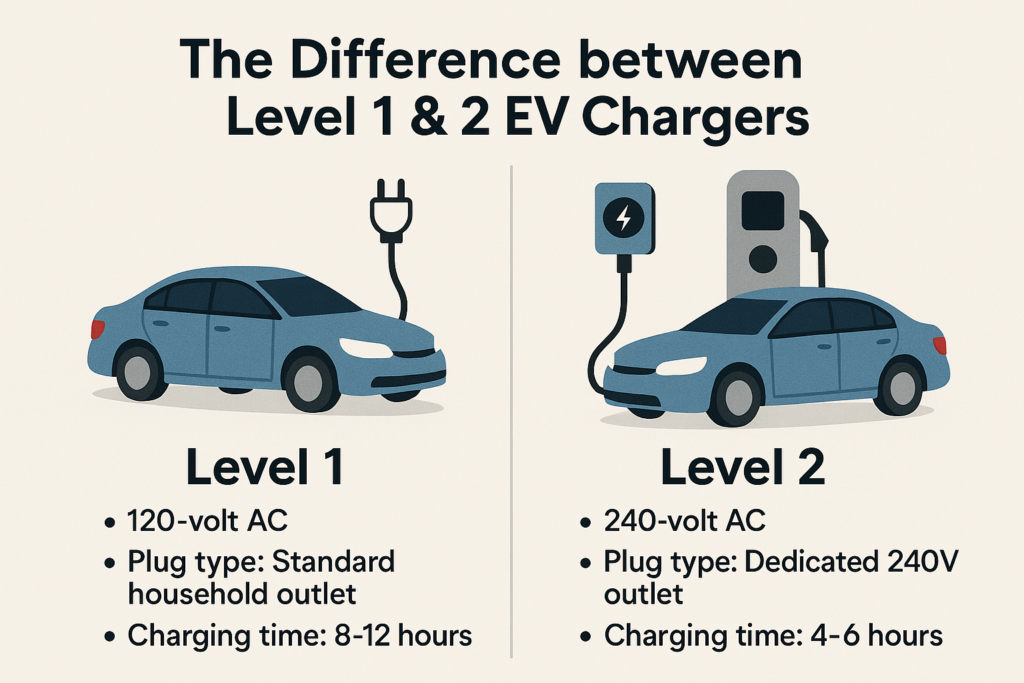
Level 1 chargers use a standard 120V household outlet, similar to plugging in a phone but for your car. They come standard with most EVs and offer slow charging (about 4-5 miles of range per hour). Ideal for light users or as a backup.
- Equipment Cost: $0 (often included with EV) to $300 for a portable unit.
- Installation Expenses: Minimal—$0 if using an existing outlet. If a new dedicated outlet is needed, costs range from $50 to $800 for wiring and electrician labor.
- Total Average Cost: $50-$800.
- Pros: Low upfront cost, no major electrical work.
- Cons: Slow charging times (full charge can take 20+ hours).
Level 2 Chargers: The Popular Choice for Daily Use
Level 2 chargers operate on 240V circuits, delivering 20-60 miles of range per hour—perfect for overnight charging. They’re the most common home option and often qualify for rebates.
- Equipment Cost: $300-$1,000, depending on features like smart connectivity or app integration.
- Installation Expenses: $500-$3,000. This includes mounting, running conduit (up to 25 feet from the panel), and adding a circuit breaker. Complex installs with longer runs can hit $1,200+. National averages hover around $1,000-$1,700 for standard setups.
- Total Average Cost: $800-$4,000.
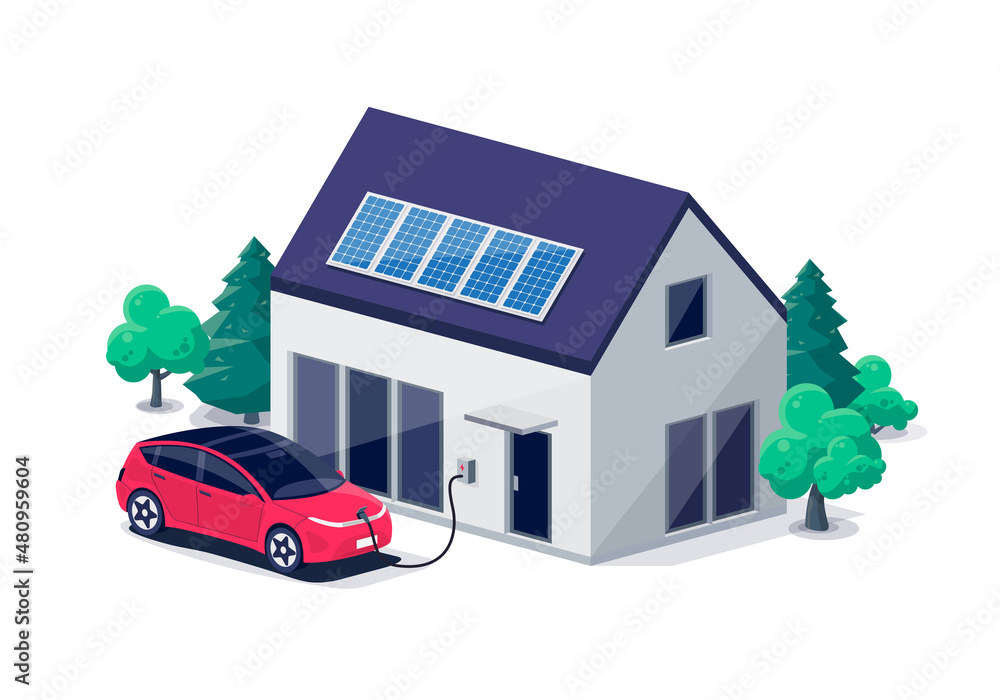
- Pros: Faster charging, potential for solar integration on clean energy setups.
- Cons: May require panel upgrades if your home’s service is under 200 amps.
Level 3 (DC Fast) Chargers: High-End for Quick Boosts
DC fast chargers provide ultra-rapid charging (up to 300+ miles per hour) but are rare for residential use due to high power demands.
- Equipment Cost: $10,000-$50,000+.
- Installation Expenses: $5,000-$20,000 or more, often requiring major electrical overhauls like a new subpanel or utility upgrades.
- Total Average Cost: $15,000-$70,000+.
- Pros: Commercial-level speed at home.
- Cons: Prohibitively expensive for most; high ongoing electricity costs.
For most homeowners, Level 2 strikes the best balance between cost and performance.
Cost Comparison Table
Here’s a quick overview of installation expenses across charger types (excluding equipment costs, based on 2026 estimates):
| Charger Type | Basic Install Cost | With Upgrades Cost | Charging Speed | Best For |
|---|---|---|---|---|
| Level 1 | $50-$800 | N/A | 4-5 miles/hour | Light users, apartments |
| Level 2 | $500-$1,200 | $1,500-$4,000 | 20-60 miles/hour | Daily commuters, garages |
| Level 3 | $5,000-$20,000 | $10,000+ | 300+ miles/hour | High-mileage drivers (rare) |
Data sourced from industry reports showing averages can vary by location and home setup.
Factors Influencing Home Charger Installation Costs
Several variables can inflate or reduce your bill:
- Electrical Panel Upgrades: If your panel is outdated (e.g., 100-amp service), expect $1,500-$4,000 to upgrade to 200 amps.
- Distance from Panel: Longer wiring runs add $5-$10 per foot.
- Permits and Inspections: $100-$500, required in most areas.
- Location and Complexity: Outdoor installs may need weatherproofing, adding $200-$500.
- Rebates and Incentives: Federal tax credits (up to 30% off) and local rebates can cut costs by $500-$1,000.
- Labor Rates: Urban areas like Maharashtra, India, might see slightly lower costs compared to US averages, but always get local quotes.
High installation costs remain a market challenge, but incentives help.
Tips to Reduce Installation Expenses
- Assess Your Electrical System First: Hire an electrician for a $100-$200 inspection to avoid surprises.
- Choose the Right Charger: Opt for Level 2 if you drive often—it’s worth the investment over Level 1.
- Shop for Rebates: Check programs like India’s FAME scheme or US IRA credits.
- DIY Where Possible: Portable Level 1 units require no install, but always use certified pros for wiring.
- Integrate with Solar: For clean energy fans, pair with panels to offset electricity costs long-term.
EV Charger – All Solar Works
Conclusion: Invest in Home Charging for a Greener Future
Installing a home EV charger in 2026 is an accessible step toward sustainable living, with costs starting as low as $50 for basic setups and averaging $1,000-$2,500 for Level 2. By analyzing your needs and factoring in rebates, you can keep expenses manageable while enjoying the perks of clean energy. Ready to go electric? Consult a local expert to get a personalized quote and start saving on fuel today.
For more clean energy tips, explore our guides on solar panels and EV incentives.