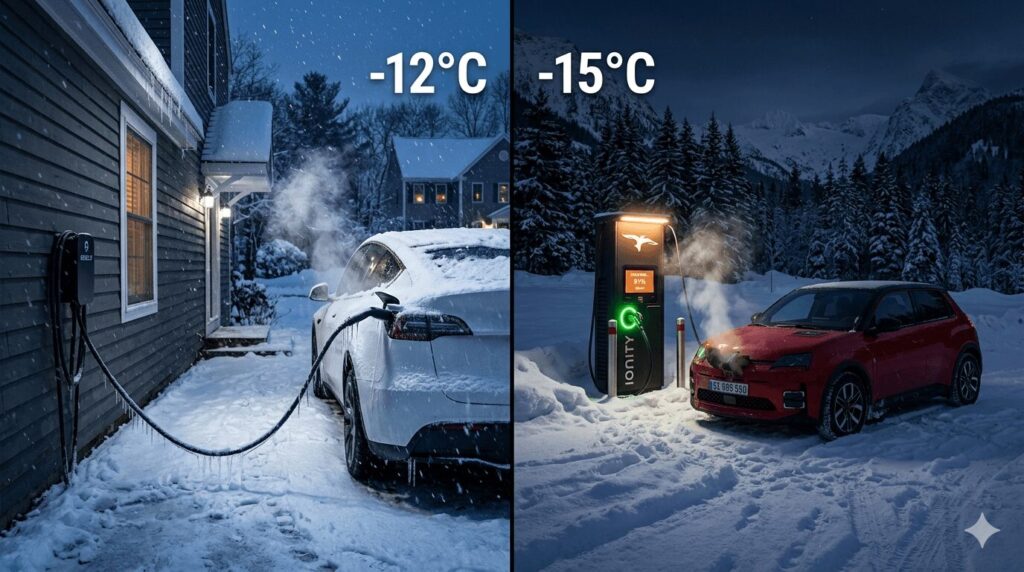
If you’re shopping for a reliable home EV charger and live in the freezing winters of Chicago, Minnesota, or the snowy hills of Germany and the UK, you’ve probably typed Grizzl-E Ultimate vs Hypervolt Home 3 Pro into Google more than once. Both are tough, outdoor-rated Level 2 chargers, but which one actually delivers better value in cold weather US/Europe?
I’ve spent weeks comparing specs, real-world owner feedback, and independent tests from 2025–2026 to bring you this no-fluff breakdown. Whether you want bulletproof durability in sub-zero temps or smart features that save money on your electricity bill, this Grizzl-E Ultimate vs Hypervolt Home 3 Pro guide will help you decide which charger is the smarter buy for harsh winters.
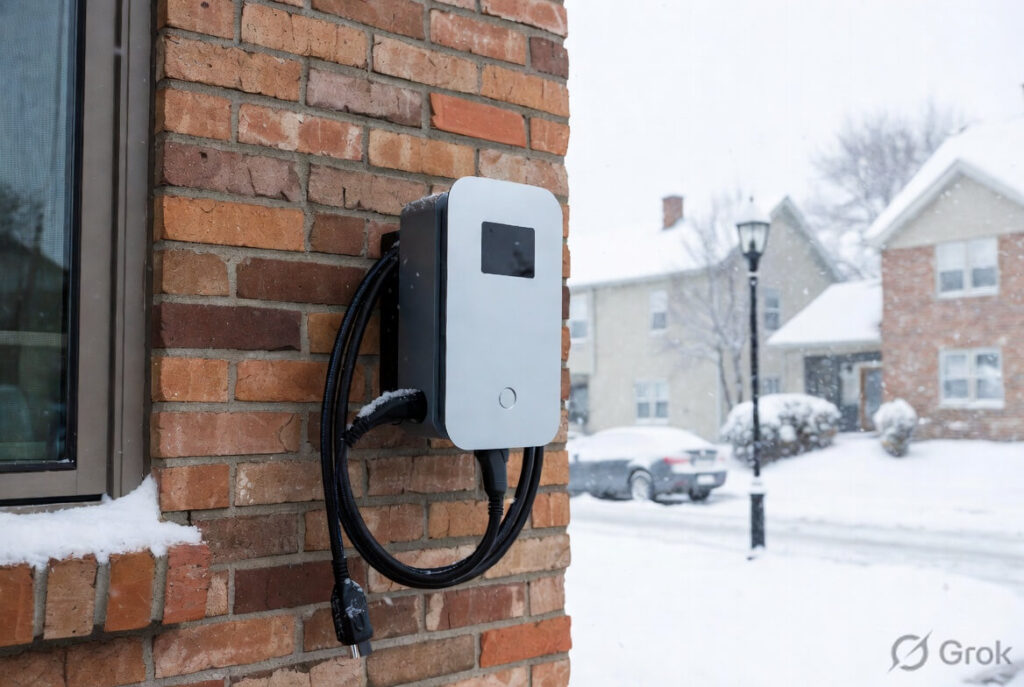
Why Cold Weather Matters for EV Chargers in the US and Europe
Winters in North America and Northern Europe routinely drop below –20°C. A charger’s operating temperature range, cable flexibility, enclosure rating, and ability to keep charging without derating become make-or-break factors. A stiff cable in –15°C or a unit that shuts down below –25°C can turn your morning commute into a nightmare. That’s why this Grizzl-E Ultimate vs Hypervolt Home 3 Pro comparison focuses heavily on cold-weather performance.
Head-to-Head Specs: Grizzl-E Ultimate vs Hypervolt Home 3 Pro
Here’s the quick side-by-side that matters most for cold climates:
| Feature | Grizzl-E Ultimate (48A/80A) | Hypervolt Home 3 Pro (7.4 kW) | Winner for Cold Weather |
|---|---|---|---|
| Operating Temperature | –30°C to +50°C (–22°F to 122°F) | –25°C to +40°C | Grizzl-E Ultimate |
| Enclosure & Weather Rating | Cast aluminum, IP67 / NEMA 4X | Polycarbonate, IP66 + IK10 impact | Grizzl-E Ultimate |
| Cable Flexibility in Cold | Premium cable designed to stay flexible | Lightweight & flexible (no major stiffness reported) | Slight edge to Grizzl-E |
| Max Power Output | 11.5 kW (48A) or 19.2 kW (80A) | 7.4 kW single-phase | Grizzl-E Ultimate |
| Smart Features | Wi-Fi + app, OCPP compliant | Excellent app, solar integration, dynamic load balancing | Hypervolt Home 3 Pro |
| Cable Length | 25 ft (7.6 m) fixed | 5 m / 7.5 m / 10 m tethered options | Hypervolt (versatility) |
| Price (unit only, 2026) | $480 (48A) – $750–$900 (80A) | £520–£750 (~$650–$950) | Grizzl-E Ultimate |
| Warranty | 3 years (extendable to 5 or lifetime via club) | 3 years (extendable to 5 for ~£100) | Tie |
| Made For | North American extremes | UK/European weather + smart homes | Depends on your location |
Grizzl-E Ultimate vs Hypervolt Home 3 Pro shows a clear pattern: the Canadian-made Grizzl-E is built like a tank for the coldest winters, while the British Hypervolt shines with smarter software and easier daily use.
Cold-Weather Performance Deep Dive
Grizzl-E Ultimate This charger is engineered in Canada, where winters are no joke. Its official operating range goes down to –30°C, and the premium cable is repeatedly advertised as staying flexible in freezing temperatures. Independent freezer tests (down to –24°C) confirm it keeps working, though the thick cable can feel a bit stiffer than ultra-flexible rubber ones. The heavy-duty aluminum IP67 enclosure shrugs off snow, ice, and even being run over by heavy vehicles in some torture tests. Owners in Minnesota and Alberta rave about zero downtime even after weeks of –20°C nights.
Hypervolt Home 3 Pro The Home 3 Pro is no slouch — its –25°C rating covers most European winters and all but the harshest US ones. The cable is noticeably lighter and easier to handle year-round, which many UK owners love during sleet and frost. IP66 + IK10 means it laughs at rain, snow, and the occasional football to the face. It also has “homeothermic” thermal management that gently adjusts power based on temperature to protect the unit. Real-world feedback from Scotland and Northern Germany is excellent for everyday cold snaps.
Verdict on cold performance: If you regularly see –25°C or lower (think Midwest US, Scandinavia, or Canadian prairies), the Grizzl-E Ultimate wins this Grizzl-E Ultimate vs Hypervolt Home 3 Pro round hands down.
Value Comparison: Which One Saves You More in the Long Run?
- Upfront cost + installation: Grizzl-E Ultimate usually comes out cheaper, especially the 48A model. Hypervolt often bundles nicely with UK installers but can edge higher once you add the 10 m cable.
- Charging speed & daily use: Grizzl-E’s higher power (especially 80A) adds range faster — great if you have a large-battery EV or dual-EV household. Hypervolt’s 7.4 kW is plenty for most European single-phase homes and pairs beautifully with solar and cheap overnight tariffs.
- Long-term reliability in cold: Grizzl-E’s rugged build and wider temperature range mean fewer service calls in brutal winters. Hypervolt’s slick app and over-the-air updates keep it feeling modern longer.
- Smart features value: If you love scheduling around Octopus/OVO tariffs or solar, Hypervolt pulls ahead. Grizzl-E’s app is functional and OCPP lets power users connect it to third-party energy apps.
Bottom line on value: For pure cold-weather toughness and bang-for-buck power, Grizzl-E Ultimate offers better overall value in the US and colder parts of Europe. If you prioritize smart features, aesthetics, and lighter cable handling (and rarely dip below –20°C), the Hypervolt Home 3 Pro feels worth the extra cost.
Who Should Buy Which?
Choose the Grizzl-E Ultimate if:
- You live in extreme cold (US Midwest, Canada, Northern Europe mountains)
- You want maximum charging speed and rock-solid durability
- You’re on a budget but refuse to compromise on weatherproofing
Choose the Hypervolt Home 3 Pro if:
- You’re in the UK or milder European winters
- Solar integration, app control, and dynamic load balancing are must-haves
- You value a premium look and super-flexible cable
Final Recommendation: Grizzl-E Ultimate vs Hypervolt Home 3 Pro
After comparing everything that actually matters in freezing temperatures, the Grizzl-E Ultimate edges out as the better value pick for most cold-weather drivers in the US and Europe. Its wider operating range, bombproof build, and lower price per kW make it the smarter long-term investment when winter really bites.
That said, the Hypervolt Home 3 Pro is an absolute joy to live with if your winters are “just” cold rather than Arctic and you want the smartest charger on the block.
Still torn? Drop your location, EV model, and typical winter lows in the comments — I’m happy to give you a personalised Grizzl-E Ultimate vs Hypervolt Home 3 Pro verdict.
Ready to compare more chargers for your home? Head over to our EV charger comparison tool and filter by cold-weather performance, power rating, or budget. Never get stuck guessing again.
Frequently Asked Questions
Q: Can the Grizzl-E Ultimate handle –30°C winters? Yes — official rating is –30°C to +50°C and real-world tests back it up.
Q: Is the Hypervolt Home 3 Pro cable stiff in cold weather? No — owners consistently call it lightweight and flexible even in UK frost.
Q: Which is cheaper long-term — Grizzl-E Ultimate or Hypervolt Home 3 Pro? Grizzl-E usually wins on raw price and durability; Hypervolt can win if you use its smart solar/tariff features heavily.
Q: Do both work with solar? Hypervolt has deeper native solar integration. Grizzl-E works via third-party apps thanks to OCPP.
Drive (and charge) confidently this winter! Bookmark this Grizzl-E Ultimate vs Hypervolt Home 3 Pro guide and share it with fellow EV owners battling the cold. Questions about your specific setup? Let me know below.