Case Study: Urban Apartment Dweller’s Charging Setup – How Mumbai Residents Overcome Apartment EV Charging Challenges in 2026
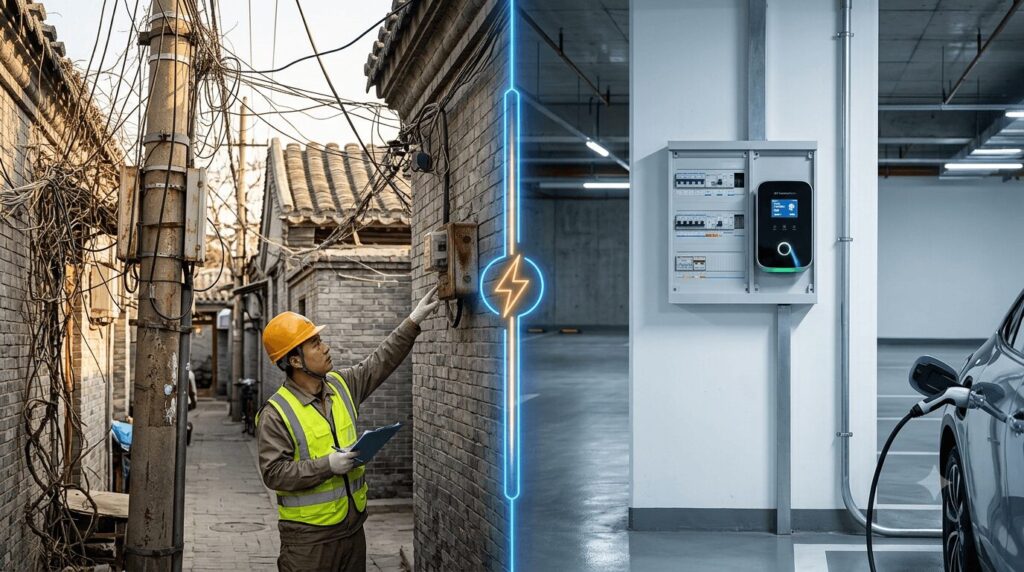
In Mumbai’s bustling high-rises, where **EV charging solutions for apartment residents Mumbai 2026** is a top search for urban EV owners, home charging often feels out of reach. Shared parking, RWA approvals, load concerns, and fire safety worries lead many societies to deny individual installations—yet real progress is happening.
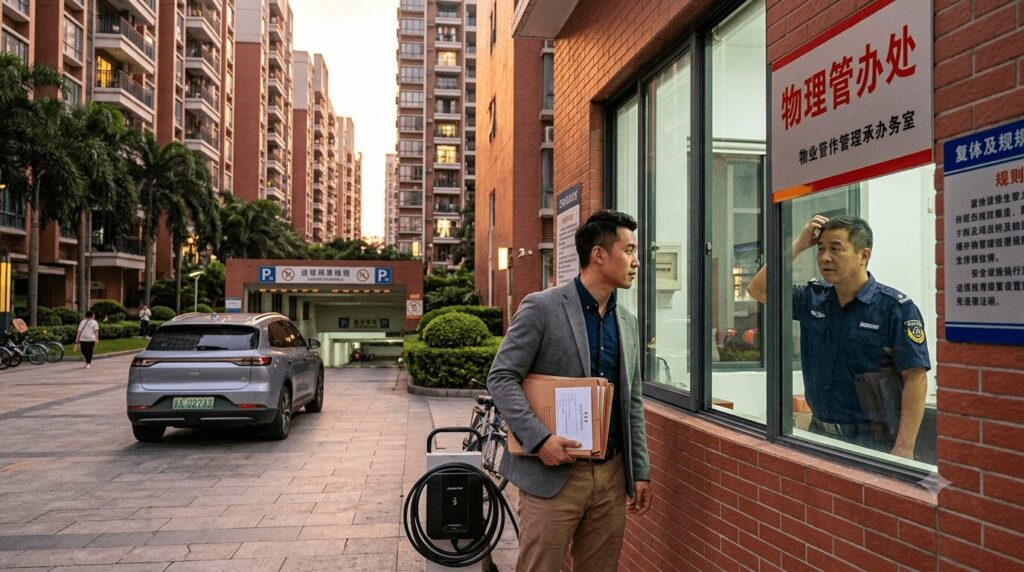
This case study spotlights Kartikey, a 35-year-old Andheri East professional who bought a Tata Nexon EV in late 2025. His 20-floor society initially refused permission, citing “no policy” and transformer overload risks—echoing common complaints in Maharashtra housing complexes. After months of pushback, Kartikey flipped the script:
– **Policy Power**: He cited Maharashtra’s EV Policy 2025 (mandating EV-ready parking in new/existing buildings) and the landmark Bombay High Court ruling in Amit Dholakia vs. State of Maharashtra (2025), which directed societies to finalize clear rules for charger installations and prohibited arbitrary denials. A Chief Electrical Inspector advisory and cooperative society circulars reinforced that permissions must follow safety norms.
– **Community & Technical Buy-In**: Kartikey rallied 4–5 fellow EV owners, shared safety data on modern chargers (overload protection, auto cut-off, fire-retardant cables), and got a certified electrician to confirm the society’s transformer could handle dedicated loads with a 1.25 safety factor. Tata Power (local DISCOM) verified residential tariffs (₹6–9/kWh).
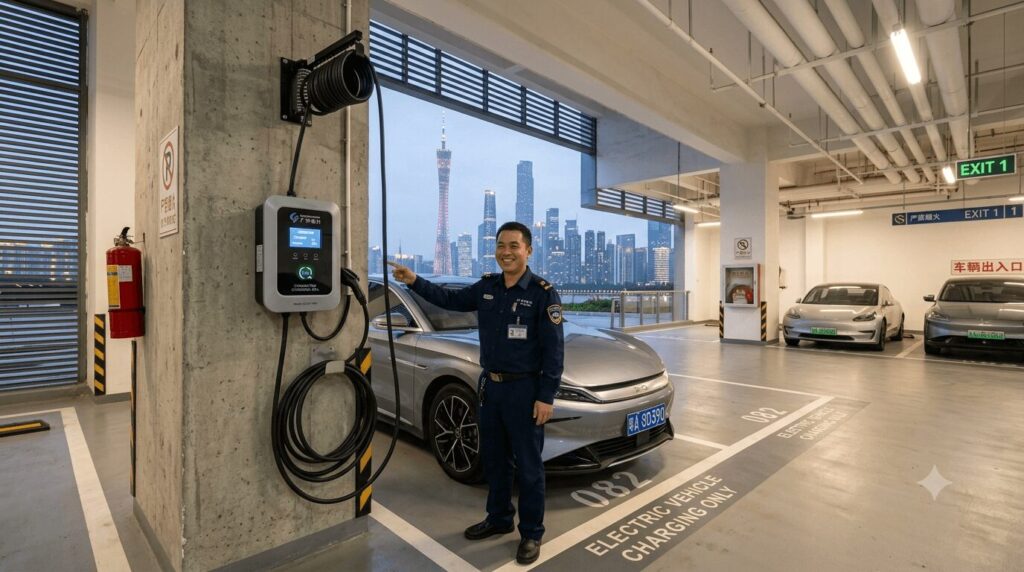
The society finally approved individual setups in allocated bays, with simple NOC, sub-meter billing, and guidelines (charger within 5m of slot, no extensions).
**Kartikey’s Setup**:
– **Charger**: Tata Power EZ Charge 7.4 kW AC wallbox (Type-2, app-controlled, smart scheduling for off-peak charging).
– **Installation**: Dedicated 4 sq mm copper wiring from flat to basement bay (~₹8,000–12,000), sub-meter (~₹2,000–4,000), total one-time cost ₹50,000–65,000.
– **Daily Use & Savings**: Overnight charging (10 PM–6 AM) adds 250–300 km range for ₹80–120 per full charge. Monthly savings: ₹400–600 vs. public fast chargers (₹18–25/kWh) on a 1,000 km commute—running cost drops to ₹0.18–0.25/km vs. ₹7–9/km on petrol.
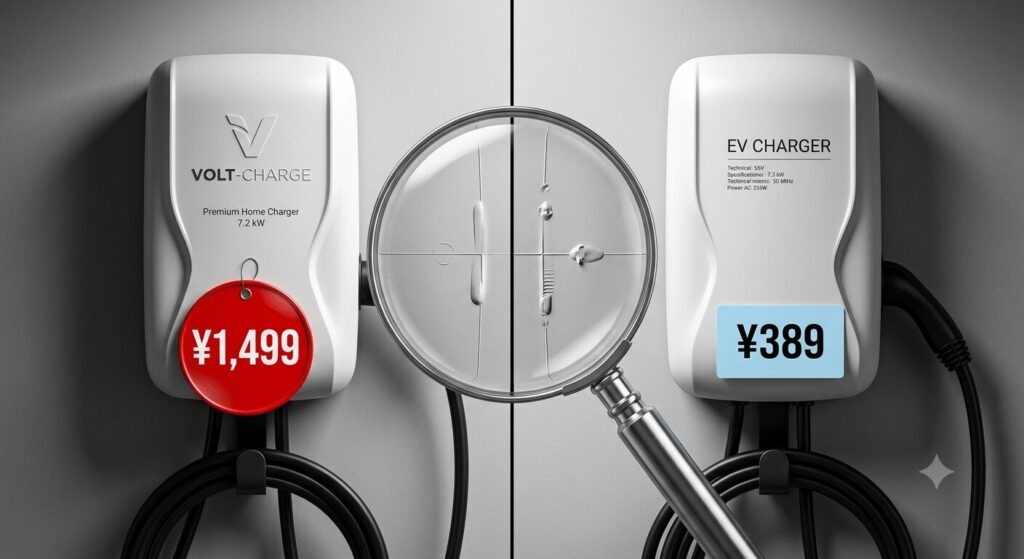
This real-world example shows apartment charging is feasible in 2026 Mumbai with persistence, documentation, and trusted providers like Tata Power or Statiq. For Andheri, Powai, or any Mumbai pincode, apartment dwellers can now compare compatible home chargers, estimate costs, and check society-friendly options.
Read the full case study—including step-by-step RWA negotiation tips, safety proofs, and alternatives like community chargers or battery swapping—for your building: [Link to article]
Struggling with your society’s approval? Use our free tool to compare chargers tailored for Mumbai apartments—input your pincode, EV model, and setup type for instant recommendations. [Compare Apartment EV Chargers Now](https://cleanenergybazaar.com/shop/)
*Updated March 8, 2026* ⚡🏙️