ROI Calculator: How Long Until Your Home Charger Pays for Itself in India? (2026 Updated Guide)
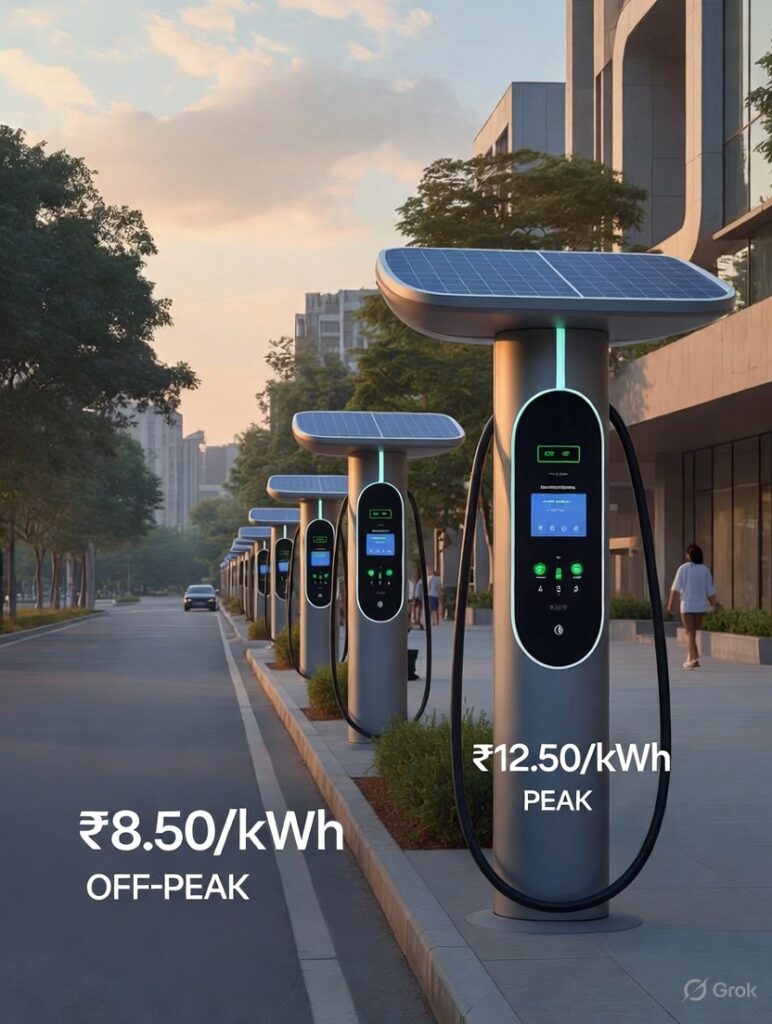
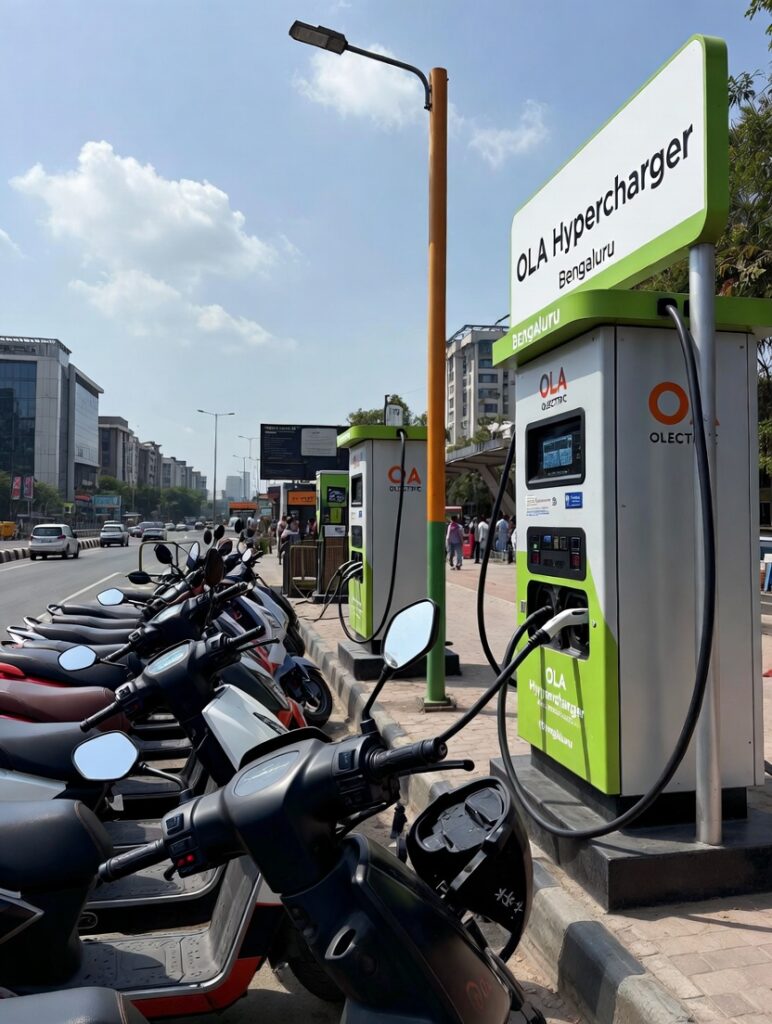
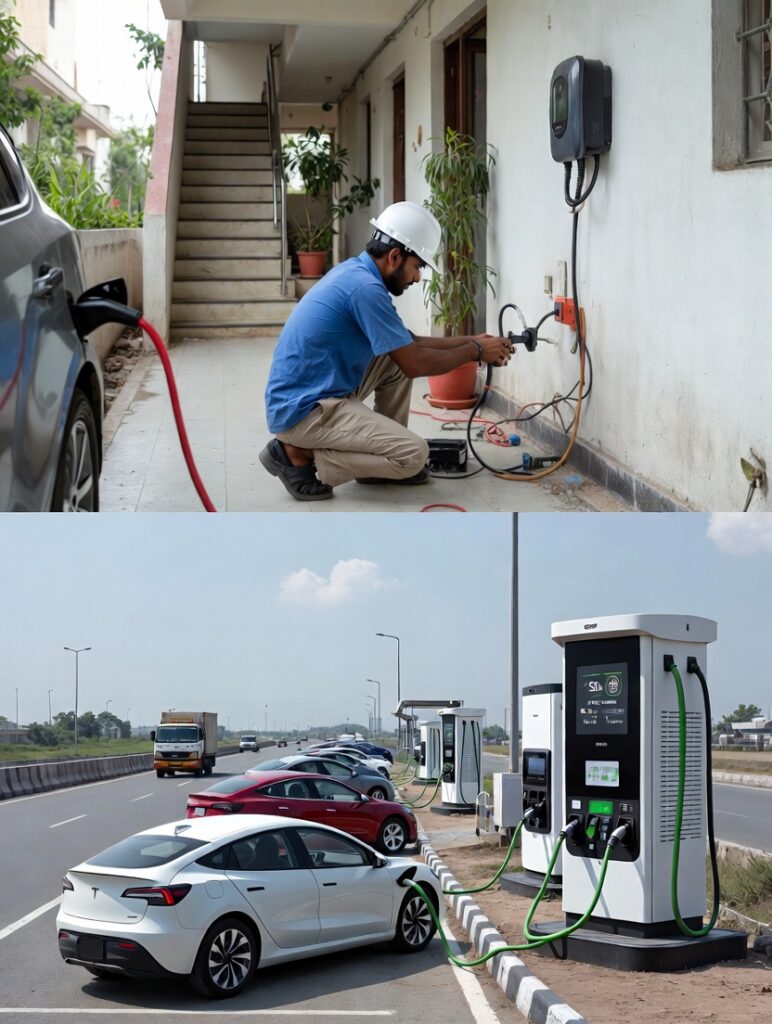
Thinking about installing a home EV charger in Bengaluru and wondering “how long until my home EV charger pays for itself in 2026”? With Bengaluru’s traffic-heavy commutes and BESCOM domestic electricity rates averaging ₹6.50–₹7.74 per kWh (post-2026 tariff updates), home charging delivers massive savings compared to public stations charging ₹16–₹22 per kWh.
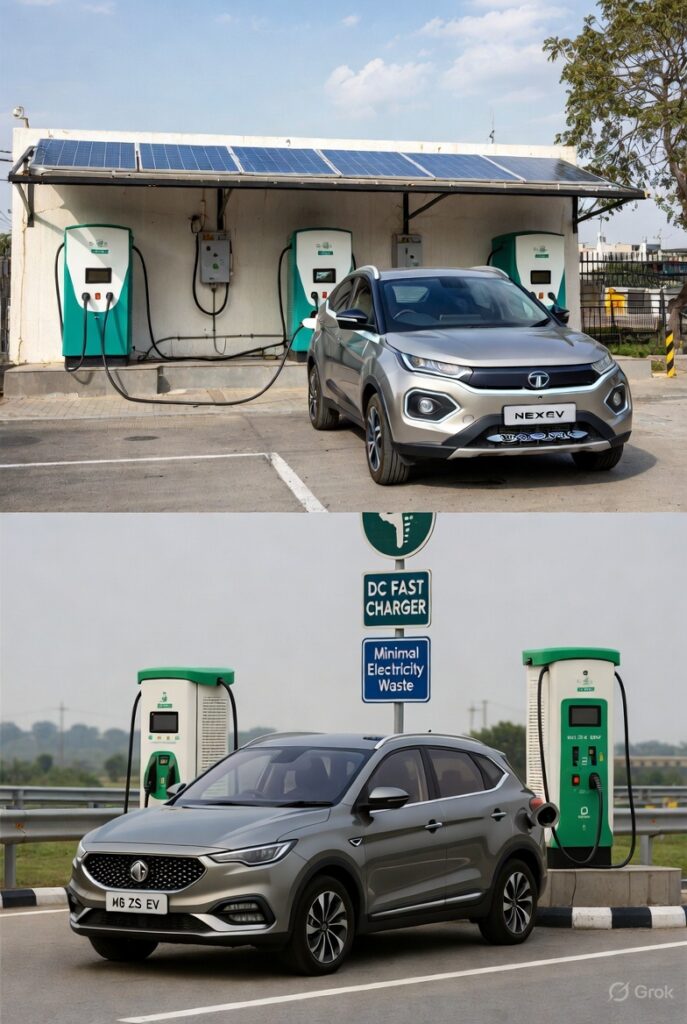
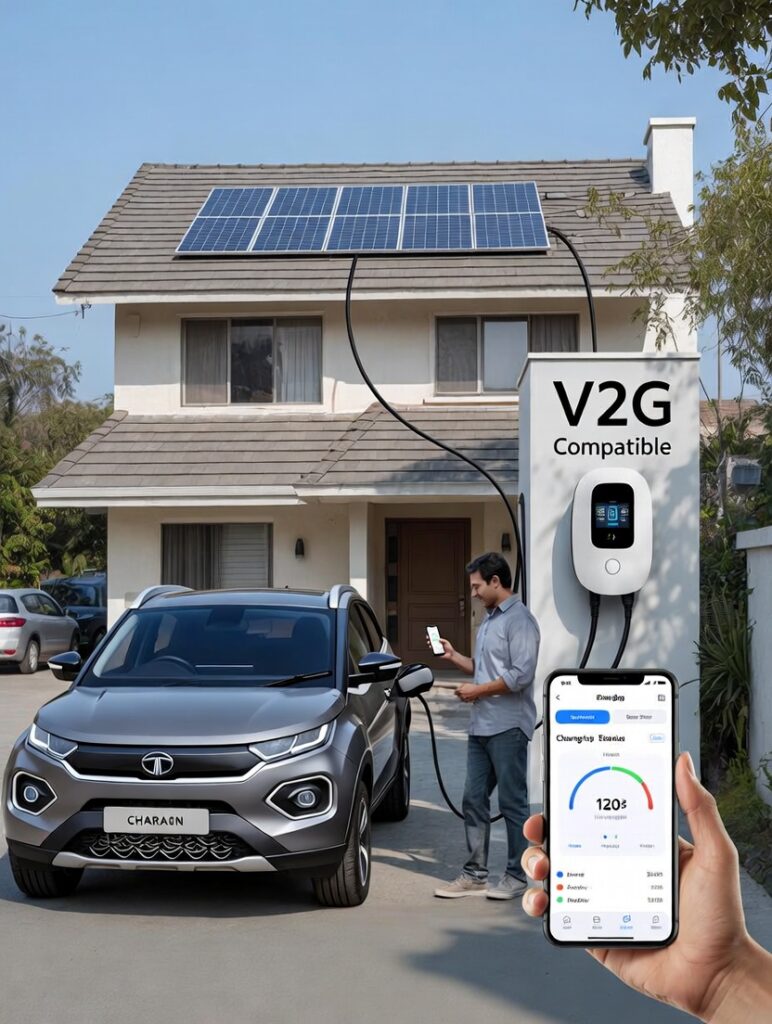
For a typical Tata Nexon EV owner driving 50 km daily (real-world efficiency ~7.8 km/kWh), you consume about 6.4–7 kWh per day. At home rates, that’s roughly ₹42–₹55 daily versus ₹100–₹150 at public AC/DC chargers. That means daily savings of ₹50–₹100+, translating to ₹18,000–₹36,000 annually — enough to recover a ₹50,000–₹70,000 smart 7.4 kW wallbox installation (including wiring and MCB) in just 2–3.5 years.
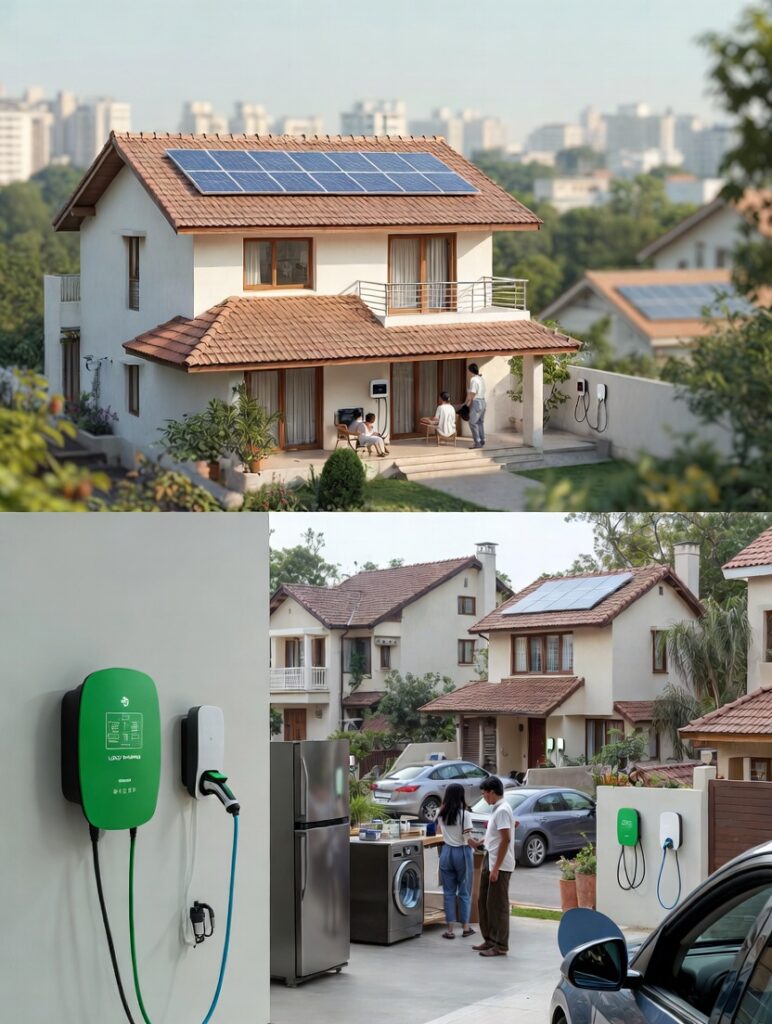
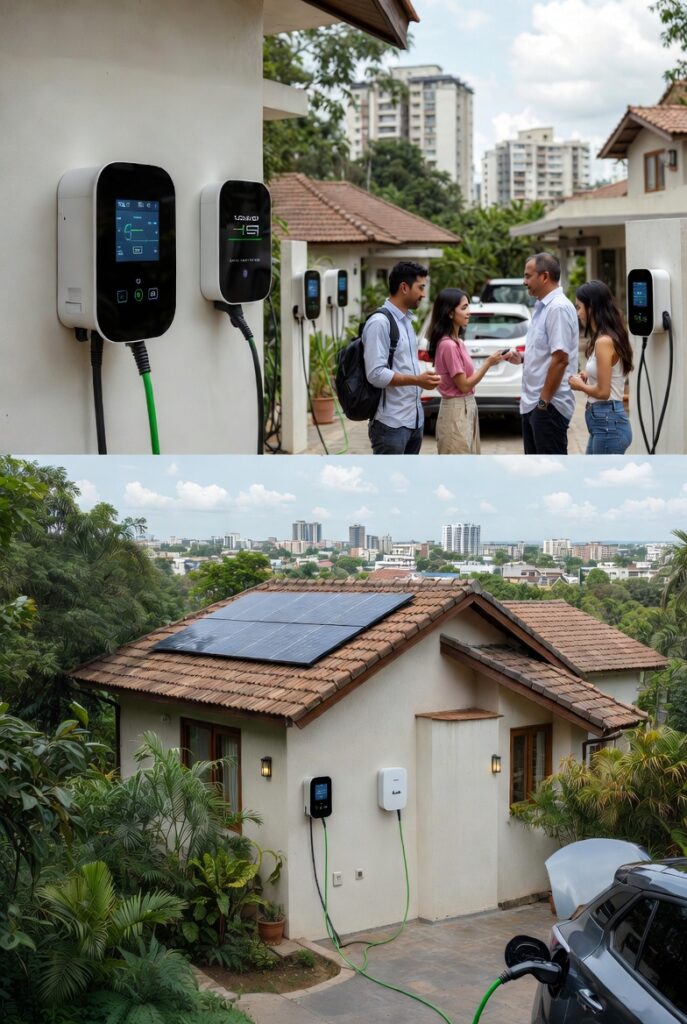
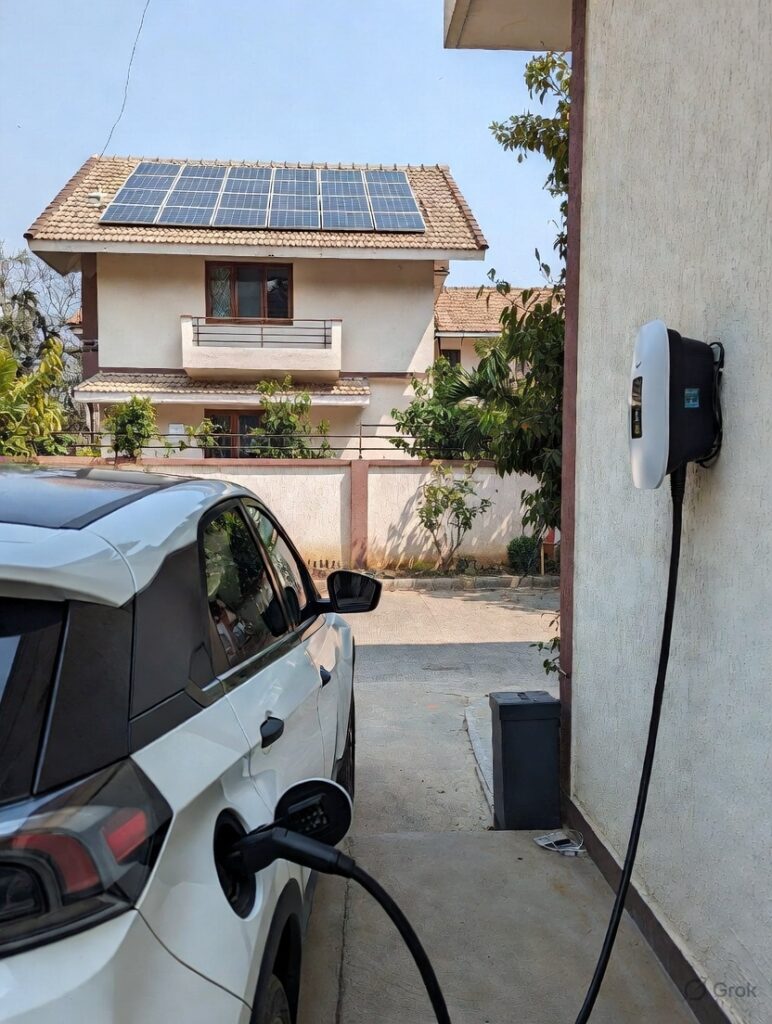
In Bengaluru specifically, many apartment societies now approve RWA-shared home EV chargers, and off-peak/ToD tariffs can drop night rates even lower, shortening your EV home charging station payback period 2026 further. Add rooftop solar integration, and payback drops below 2 years in sunny Karnataka.
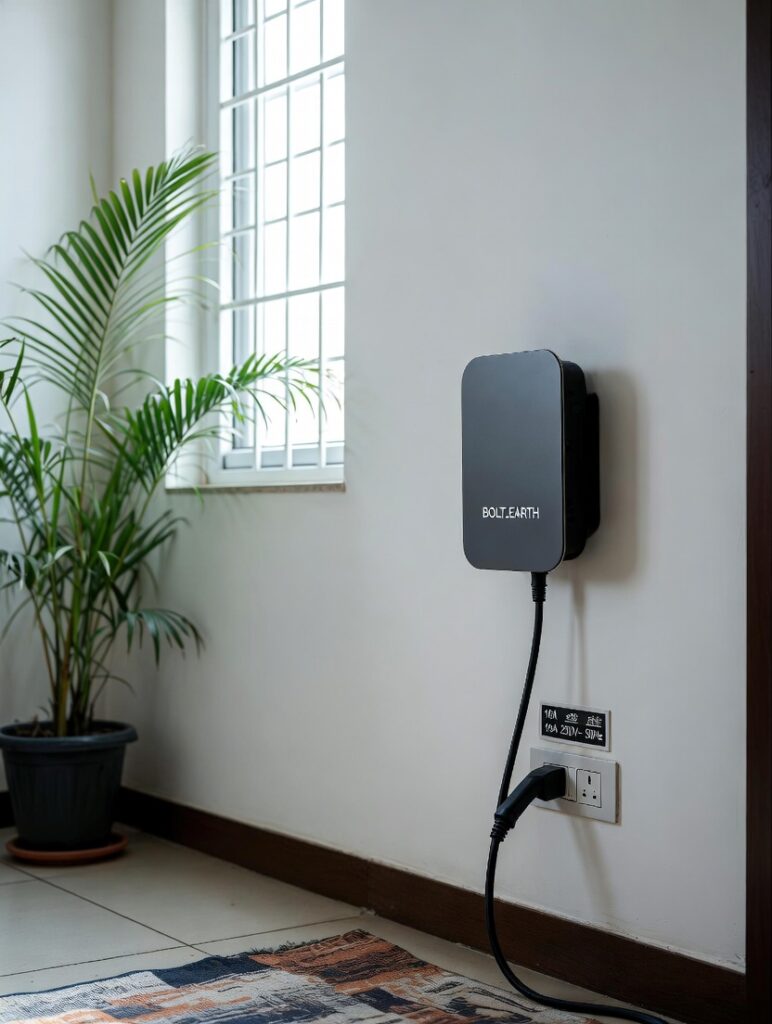
This free ROI calculator for home EV charger India 2026 breaks it down step-by-step with Bengaluru-specific numbers, popular models like Tata Power EZ Charge or Bolt.Earth, and real examples for Tata Nexon EV, MG ZS EV, and more. Discover why home charging ROI in Bengaluru 2026 makes financial sense for daily commuters — and how to choose the best home EV charger for fastest payback in India.
Read on for the full calculator formula, city-wise scenarios, top charger comparison table, and tips to slash your payback time dramatically.