Wi-Fi vs Cellular vs Bluetooth Chargers: A Comprehensive Connectivity Comparison for EV Owners in India
As electric vehicles zoom past one million registrations in India, the real game-changer isn’t just faster charging—it’s smarter connectivity. If you’re Googling “Wi-Fi vs cellular vs Bluetooth chargers connectivity comparison for Indian EV owners” or “best smart EV charger connectivity options in India 2026,” you’re not alone. With brands like Tata Power EZ Charge, Ather Grid, Delta, ABB, and emerging players like Uno Minda rolling out connected wallboxes and portable units, choosing the right tech can save you money, prevent downtime, and unlock app-based control.
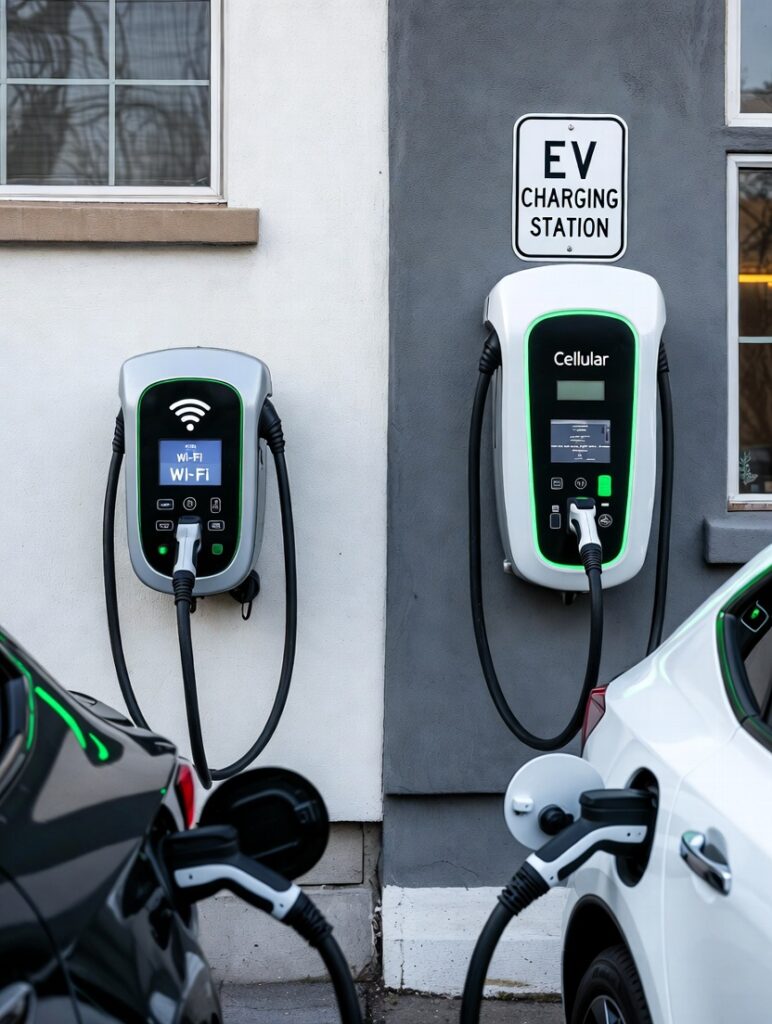
In bustling Bengaluru apartments or remote highway dhabas, connectivity determines whether you can remotely start/stop charging during peak tariffs, monitor energy use to cut BESCOM bills, or receive OTA updates without hassle. Wi-Fi shines for cost-free home setups with stable broadband, offering seamless integration with smart apps for scheduling and solar optimization. Cellular (4G/5G) delivers rock-solid reliability nationwide—ideal for public stations or fleet operators in areas with patchy Wi-Fi—though it comes with modest SIM data costs. Bluetooth keeps things simple and offline for budget buyers, perfect for short-range phone control in garages with no internet.
But which wins for reliable EV charger connectivity in Indian homes and businesses 2026? The answer depends on your location, budget, and usage. Urban EV drivers in metros often prefer Wi-Fi for affordability, while commercial networks lean toward cellular for uninterrupted remote management. Hybrids combining multiple options (Wi-Fi + cellular fallback) are gaining traction too.
Dive into our in-depth Wi-Fi vs cellular vs Bluetooth EV chargers comparison below to find the perfect fit for your Tata Nexon EV, MG ZS EV, or Ather 450X—complete with pros, cons, real India examples, and a handy comparison table.