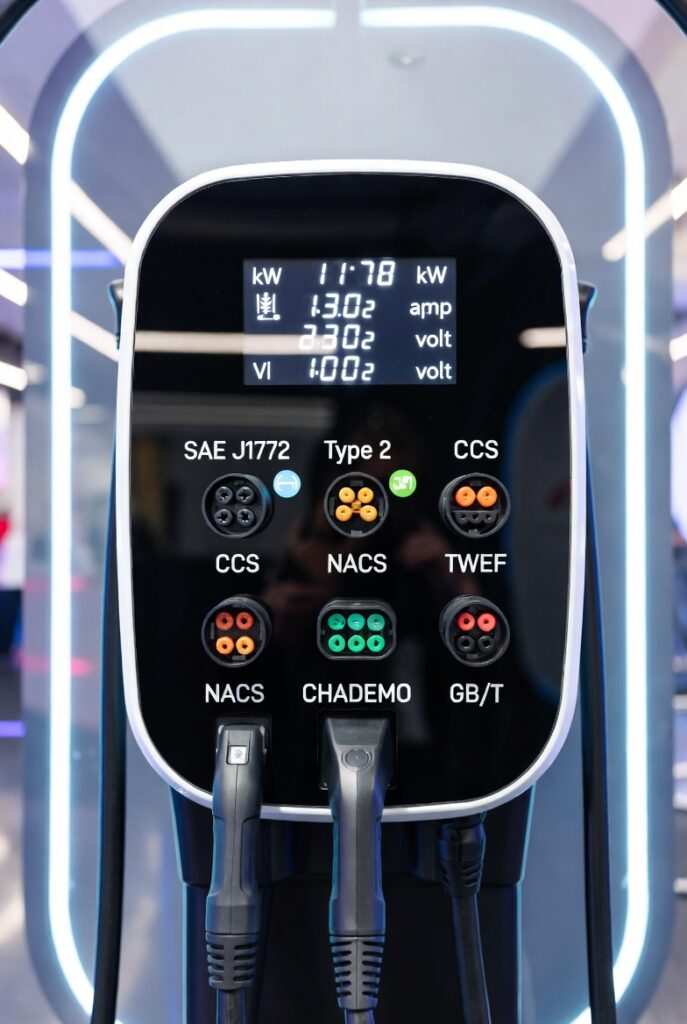
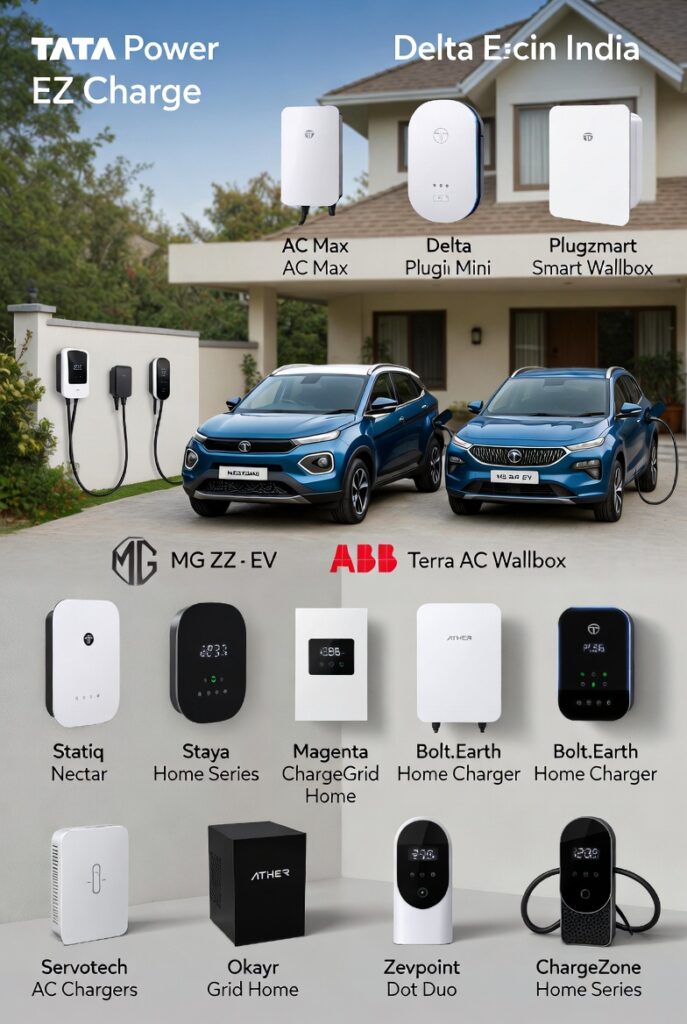
As electric vehicles (EVs) continue to surge in popularity in 2026, homeowners are increasingly considering how to charge their cars efficiently and cost-effectively at home. With options like Level 1, Level 2, and DC fast charging available, it’s essential to understand the differences to choose the best EV charger for your needs. This guide breaks down each type, compares them head-to-head, and helps you decide what fits your lifestyle—whether you’re a daily commuter or an occasional driver. If you’re searching for “home EV charging options” or “best EV charger for homeowners,” you’ve come to the right place.
What Is Level 1 Charging?
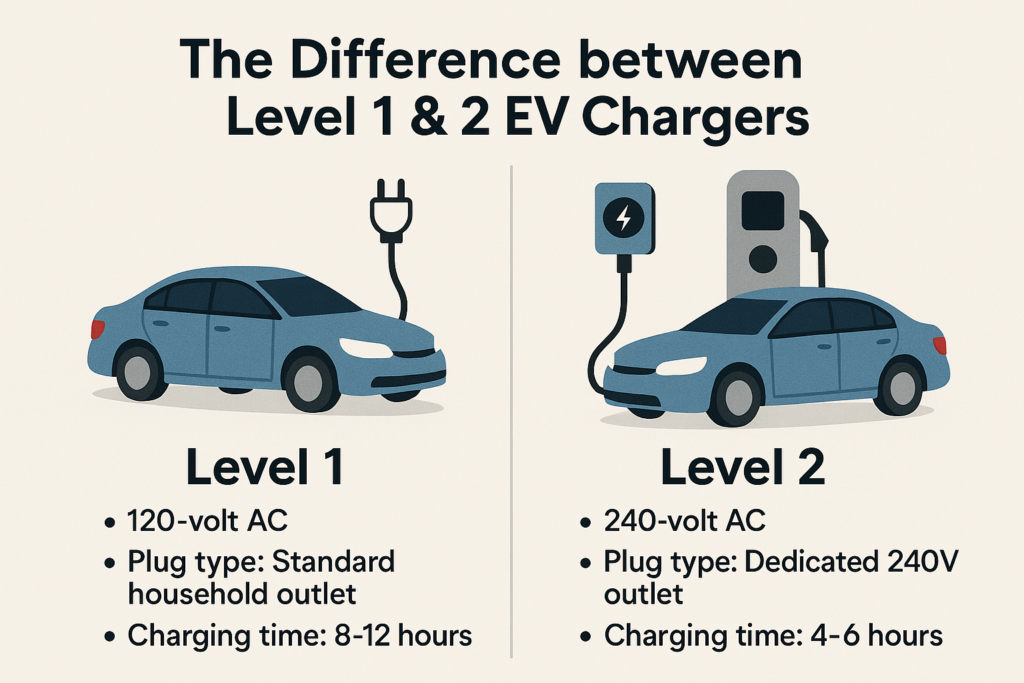
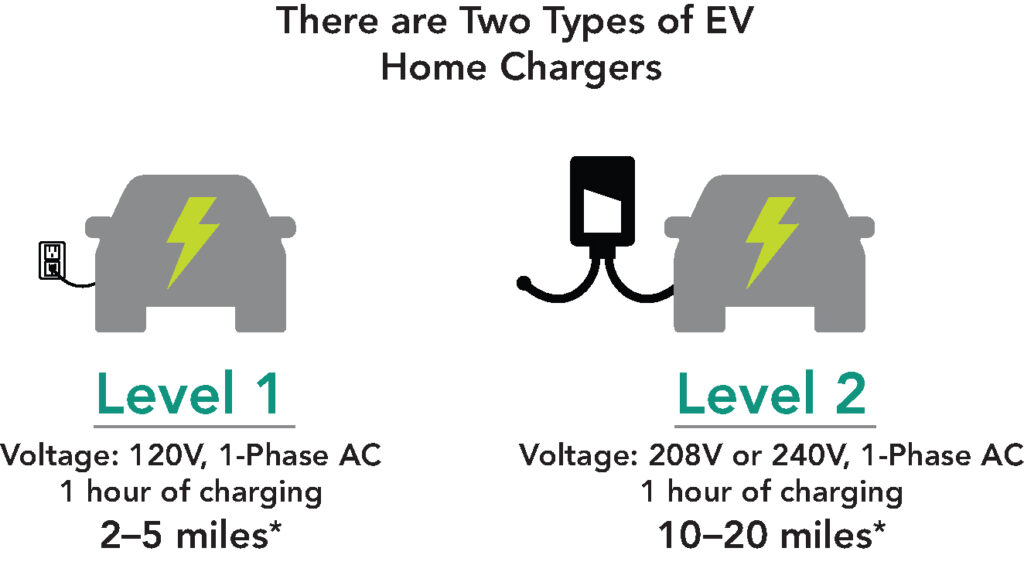
Level 1 charging is the simplest and most accessible option for EV owners. It uses a standard 120-volt household outlet—the same one you plug your toaster or phone charger into. No special installation is required, making it an easy entry point for new EV adopters.
Key features:
- Charging Speed: Adds about 2-5 miles of range per hour.
- Time to Charge: For a typical battery electric vehicle (BEV) with a 60-80 kWh battery, it can take 40-50 hours to charge from empty to 80%. Plug-in hybrids (PHEVs) fare better, often fully charging in 5-6 hours.
- Cost: Virtually free to set up if you have an outlet near your parking spot. Electricity costs are low, around $0.18 per kWh on average for home use.
- Best For: Light users who drive fewer than 40 miles per day, or as a backup for occasional top-ups.
While convenient, Level 1 is slow and less efficient, especially in cold weather where battery heating consumes extra power.
Answers to 8 FAQs about Charging Electric Vehicles at Home – MCE Blog
According to the U.S. Department of Transportation, Level 1 is ideal for rural or low-mileage households but may not suffice for frequent drivers.
What Is Level 2 Charging?
Level 2 charging steps up the game with a 240-volt circuit, similar to what powers your dryer or oven. This requires professional installation but offers significantly faster charging, making it the go-to choice for most homeowners.
Key features:
- Charging Speed: Delivers 10-60 miles of range per hour, depending on the charger’s amperage (typically 32-80 amps).
- Time to Charge: A BEV can reach 80% in 4-10 hours, while PHEVs take just 1-2 hours.
- Cost: Installation ranges from $500 to $2,000, including the charger and potential electrical upgrades. Ongoing electricity costs are efficient, often saving money over public charging.
- Best For: Daily commuters driving 50+ miles, multi-car households, or anyone wanting overnight full charges.
Level 2 is more energy-efficient than Level 1, with lower charging losses, which translates to wallet savings over time.

Hardwired Home Level 2 EV Charger
Reddit users and experts agree that Level 2 doesn’t harm battery life and is better for long-term efficiency.
What Is DC Fast Charging?
DC fast charging (DCFC), often called Level 3, bypasses your EV’s onboard converter by delivering direct current (DC) power straight to the battery. It’s the quickest option but rarely installed at homes due to high costs and infrastructure needs.
Key features:
- Charging Speed: Adds 180-300+ miles per hour, with outputs from 50 kW to 350 kW.
- Time to Charge: Can boost a BEV to 80% in 20-60 minutes.
- Cost: Home installation is prohibitively expensive—often $50,000 or more—plus higher electricity rates (up to $0.47 per kWh at public stations). Not practical for residential use without commercial-grade power.
- Best For: Road trips or public stations, not daily home charging.
While tempting for speed, frequent DCFC use can slightly degrade battery health over time, though modern EVs mitigate this.

Largest DC Fast-Charging Networks in the US: December 2024
Sources like ChargePoint note that DCFC is great for quick stops but not a replacement for home setups.
Comparing Level 1, Level 2, and DC Fast Charging
To help you visualize the differences, here’s a side-by-side comparison based on typical EV specs (e.g., a 72 kWh battery like in a Tesla Model 3):
| Feature | Level 1 | Level 2 | DC Fast Charging |
|---|---|---|---|
| Voltage/Amps | 120V / 12-20A | 240V / 32-80A | 400-800V / High kW |
| Range Added per Hour | 2-5 miles | 10-60 miles | 180-300+ miles |
| Charge Time (80%) | 40-50 hours | 4-10 hours | 20-60 minutes |
| Installation Cost | $0 (use existing outlet) | $500-$2,000 | $50,000+ (rare for home) |
| Efficiency | Lower (higher losses) | High | Very high, but costly |
| Suitability for Home | Good for light use | Ideal for most | Not recommended |
| Annual Cost (13,500 miles) | ~$500 (home rates) | ~$694 | $1,811+ (public) |

Understanding EV Charging: Level 1, Level 2, and Level 3
Data from Qmerit shows home Level 2 charging saves hundreds annually compared to public DCFC. For battery health, studies indicate minimal differences between Level 1 and 2, with DCFC best used sparingly.
What Do Homeowners Really Need?
For most homeowners, Level 2 charging strikes the perfect balance. If you drive under 40 miles daily and have a PHEV, Level 1 might suffice—saving on upfront costs. However, with average U.S. commutes around 30-50 miles, Level 2 ensures your EV is ready each morning without relying on public stations.
Consider these factors:
- Daily Mileage: Over 50 miles? Go Level 2.
- Budget: Level 1 is cheapest initially; Level 2 pays off in convenience and efficiency.
- Home Setup: Check your electrical panel for 240V capacity. Incentives from utilities or the federal government (like the 30% tax credit under the Inflation Reduction Act) can offset installation.
- Future-Proofing: As EVs evolve, Level 2 supports bidirectional charging for home energy backup.
DC fast charging? Skip it for home—it’s overkill and impractical. Instead, use apps like PlugShare for public DCFC on trips.
Final Thoughts
Choosing between Level 1, Level 2, and DC fast charging boils down to your driving habits and budget. For clean energy enthusiasts, investing in a home Level 2 setup not only supports sustainable living but also reduces your carbon footprint by minimizing public charging needs. Ready to install? Consult a certified electrician and explore rebates on our clean energy resources page.