Welcome to the world of electric vehicles (EVs) in India! Whether you’re considering your first EV like a Tata Nexon EV, MG ZS EV, or something premium, understanding how charging works is the first step to stress-free ownership.
In this guide, we’ll break down the basics of EV charging, the main types, typical speeds in India, and essential terminology — all explained simply.
Why EV Charging is Different from Petrol/Diesel
EVs run on electricity stored in a battery. Charging is like filling fuel, but slower and more convenient (especially at home). There are two main power types:
- AC (Alternating Current): What comes from your home socket — slower, but cheap and perfect for overnight charging.
- DC (Direct Current): Fast charging used at public stations — the charger converts power before sending it directly to the battery.
The Main Types (Levels) of EV Charging
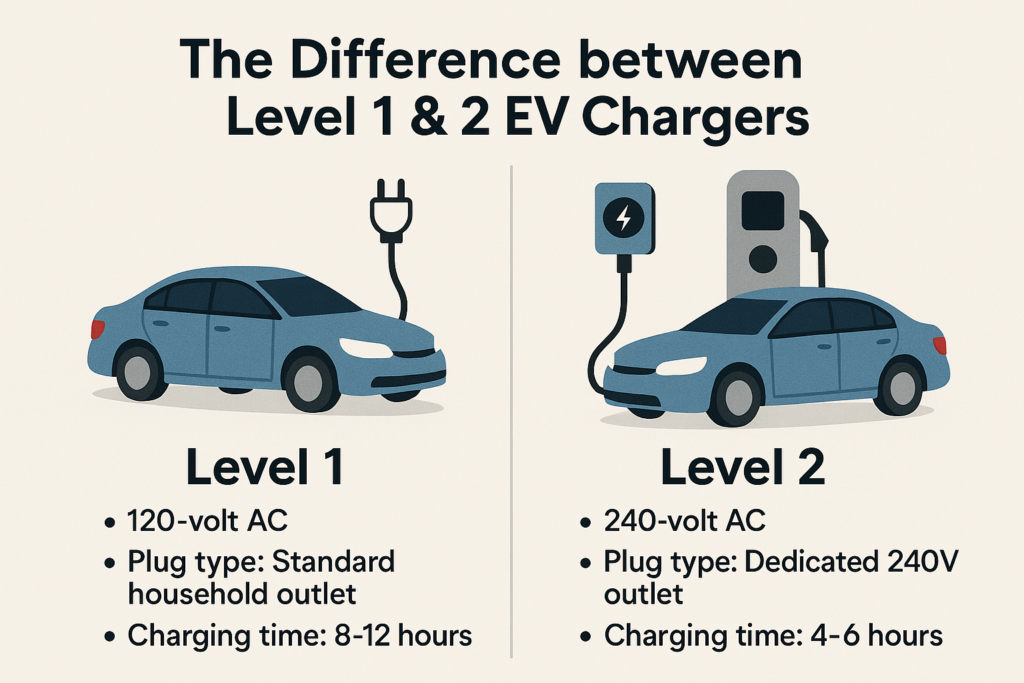
In India, we commonly refer to charging in terms of power output (kW) rather than strict “levels,” but here’s how it breaks down:
- Slow / Level 1 Charging (~1-3 kW)
- Uses a regular household socket (with a portable charger).
- Adds ~5-15 km of range per hour.
- Best for: Overnight top-ups or small EVs like e-rickshaws.
- Time for full charge (typical 30-50 kWh battery): 10-20+ hours.
- Level 2 / Fast AC Charging (7-22 kW)
- Most common for home wallboxes and public AC stations.
- Adds ~40-100+ km per hour.
- Full charge in 3-8 hours (depending on battery size).
- Ideal for: Home charging (overnight) or workplace/mall parking.
Here’s a typical home wallbox setup:
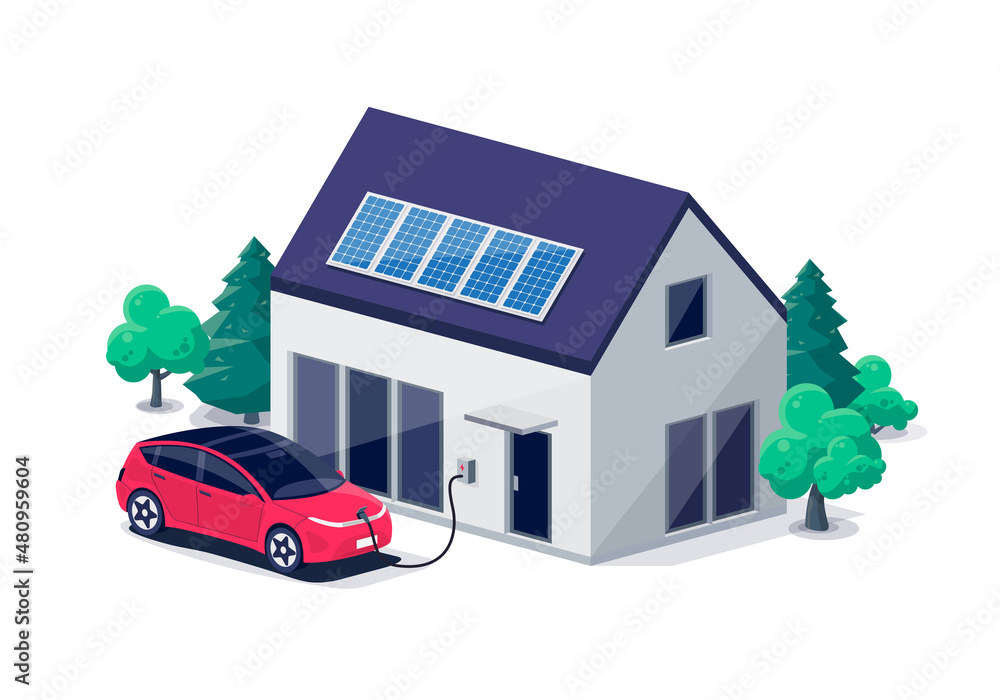
Electric car parking charging at home wall box charger station on …
- DC Fast Charging / Rapid Charging (30-150+ kW, up to 350 kW in some new stations)
- Public highway/mall stations.
- 0-80% in 20-60 minutes (most practical for long trips).
- Note: Charging slows after 80% to protect the battery.
- Dominant in India for passenger cars.
Comparison of charging speeds:

Public EV Charging for Retail: Level 2 vs. DC Fast Chargers | EVgo
Charging Connectors in India (What Plugs into Your Car?)
India has standardized around a few key types for modern EVs:
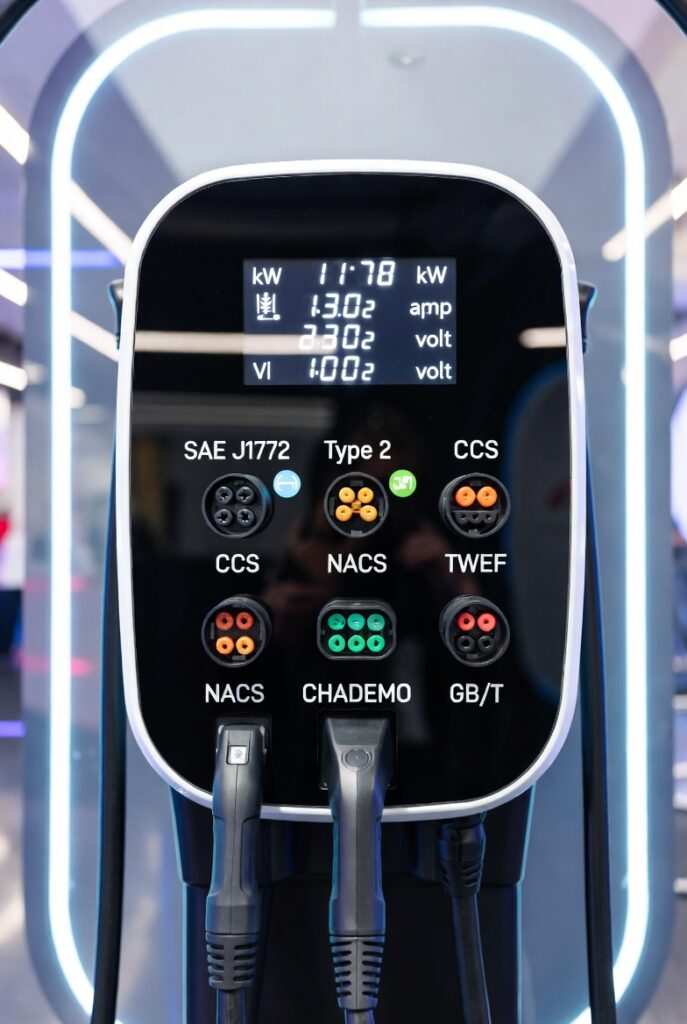
- Type 2 — For AC charging (home/public). Most common for Level 2.
- CCS2 (Combined Charging System Type 2) — The standard for DC fast charging in India. Used by Tata, MG, Hyundai, Mahindra, Kia, BYD, and most new cars.
Visuals of the most common connectors:
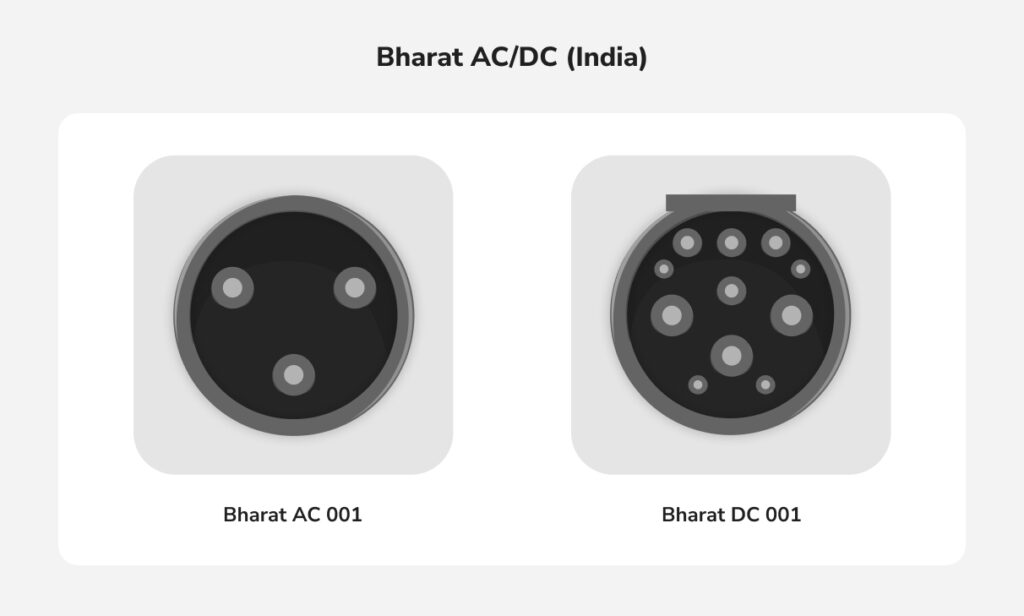

(Images showing Bharat AC/DC, Type 2, and CCS2 connectors.)
A fast DC charging session in action:
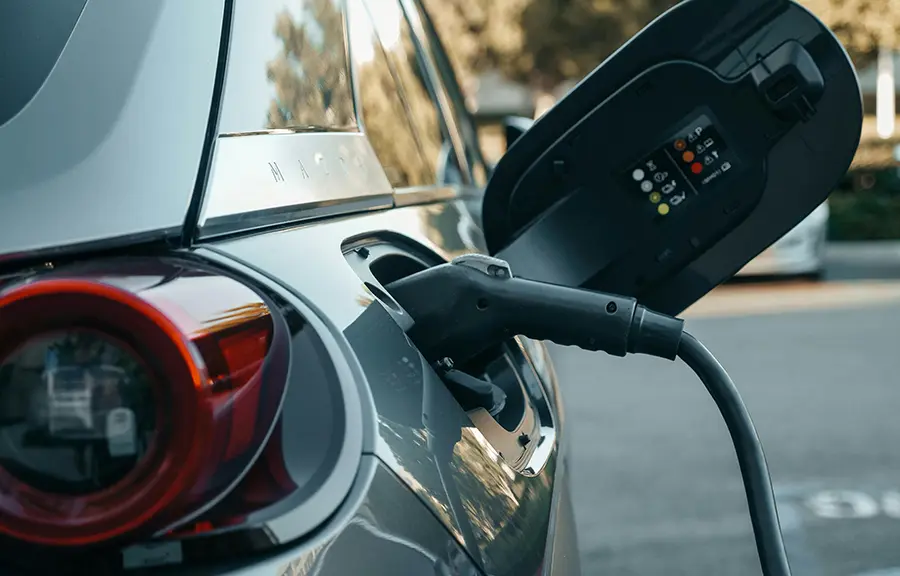
What Is CCS Charging Standard And How It Works? – DUEVOLT
Key EV Charging Terminology Glossary
Here are the must-know terms:
- kW (Kilowatt) — Power rate (how fast energy flows). Higher kW = faster charging.
- kWh (Kilowatt-hour) — Battery capacity and energy used (like litres of fuel). Example: 40 kWh battery ≈ 300-400 km range.
- Onboard Charger — Device in your car that converts AC to DC (limits AC speed).
- State of Charge (SoC) — Battery percentage (aim for 20-80% for daily use).
- Charging Curve — How speed drops as battery fills (fastest at low SoC).
- OCPP — Protocol for smart chargers (used in most public networks).
- Range Anxiety — Worry about running out of charge (solved with planning + apps like PlugShare or Tata Power EZ Charge).
Quick Tips for Indian EV Owners
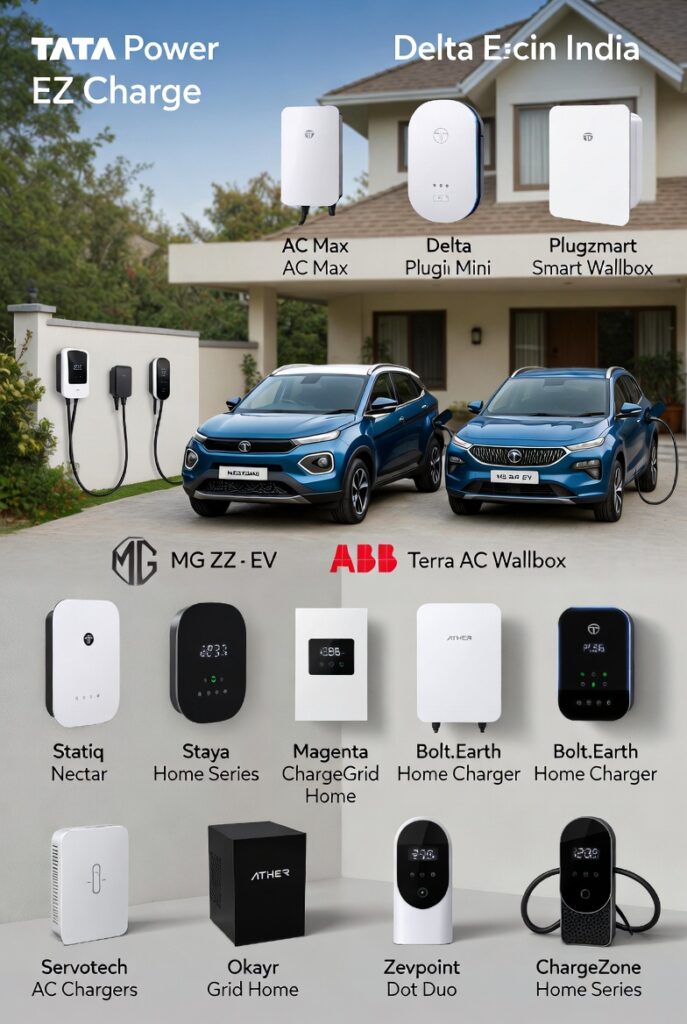
- Install a home wallbox (7-11 kW) for convenience and lower costs.
- Use public DC fast chargers only for long trips — they’re more expensive.
- Check your car’s max charging speed in the specs.
- Apps like Statiq, Zeon, or Fortum help locate working chargers.
EV charging in India is evolving fast — with thousands of new stations added in 2025-2026 under schemes like PM E-DRIVE.
Ready to compare chargers and find the best one for your needs? Head to cleanenergybazaar for side-by-side comparisons of home and public options!
Stay charged and drive green! ⚡🌿